Exploring the Hidden Gems of the Texas Coast Off the Beaten Path
Discover the unique and lesser-known coastal destinations along the Gulf of Mexico that offer a distinct Texas travel experience away from the crowds.
Editorial disclaimer: Opinions and analysis on Keep TX Red are editorial content — not statements of fact. See our editorial standards.
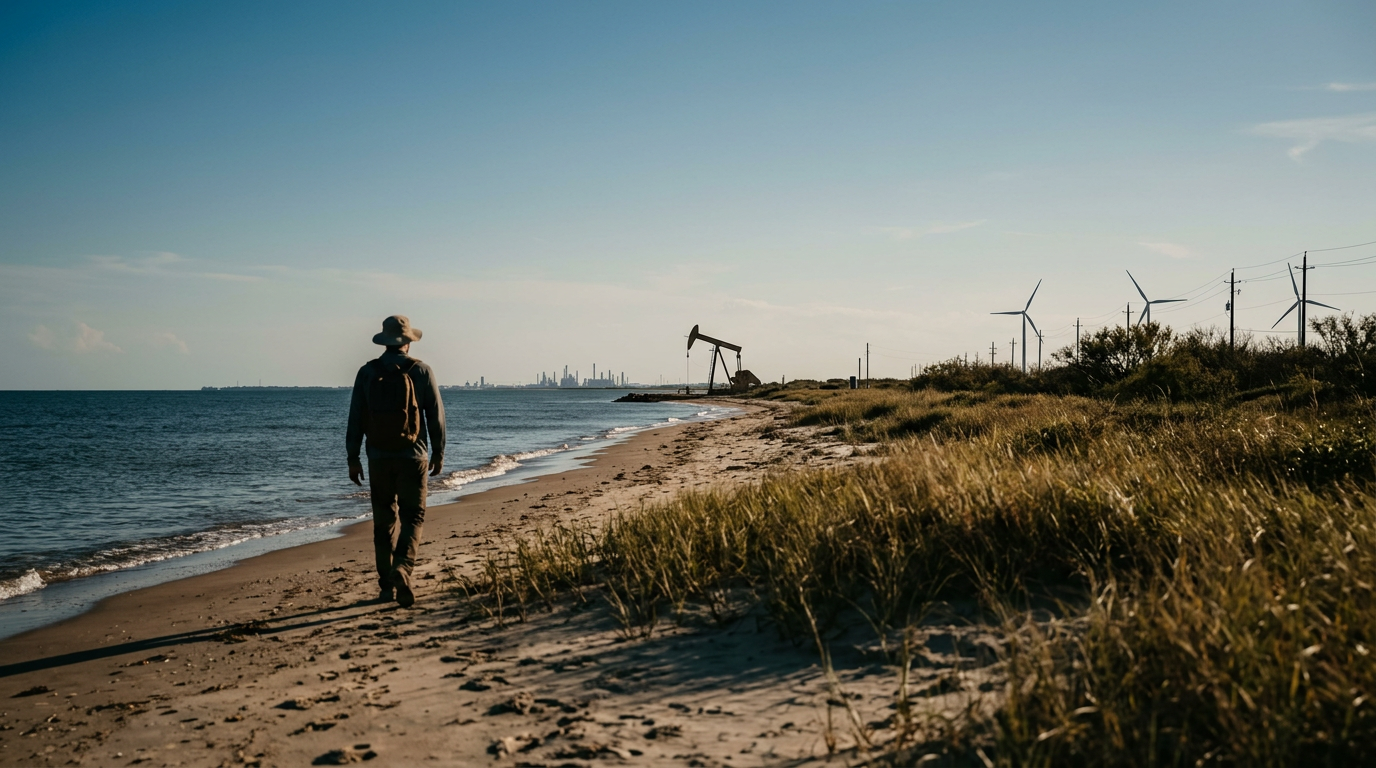
The Texas coastline stretches for approximately 367 miles, offering a diverse array of environments ranging from the bustling commercial hubs of Galveston to the pristine, federally protected dunes of Padre Island National Seashore. While many travelers gravitate toward high-occupancy resort towns, a growing movement of domestic tourists seeks the quieter, more eccentric pockets of the Gulf Coast. These smaller destinations often lack the traditional high-rise infrastructure common in Florida or Alabama, instead providing a raw, unfiltered look at the intersection of Texas industrial history and natural beauty. For decades, these smaller coastal outposts served as local fishing secrets, but they are increasingly becoming mainstays for road trippers looking for authenticity over manufactured luxury. Historical context for Texas beach travel dates back to the early 20th century when the 'Free State of Galveston' dominated the region's tourism. However, as the state's highway system expanded in the post-war era, smaller communities like Surfside and Magnolia Beach began to carve out their own niches. These areas often carry legacy footprints from the local shrimping and oil industries, creating a unique aesthetic where nature and industry coexist. The current interest in these 'weird' or unconventional beaches reflects a broader shift in Texas travel trends toward experiential tourism and the discovery of 'Old Texas' charm that remains untouched by modern corporate development.
Texas relevance
This exploration of the Texas coast is deeply relevant to the state's multi-billion dollar tourism industry and the preservation of public lands under the Texas Open Beaches Act. Unlike many other states, the 1958 Texas Open Beaches Act ensures that the public has the free and unrestricted right to access Texas beaches from the water to the line of mean high tide. This specific legal framework has allowed these smaller, non-commercialized beaches to remain accessible to all Texans, regardless of the private development occurring inland. For residents in the Texas Coastal Bend and the Greater Houston area, these sites represent critical recreational outlets and economic drivers for small-town municipalities that don't have the marketing budgets of larger cities like Corpus Christi.
The Unique Appeal of Surfside Beach
Located in Brazoria County, Surfside Beach acts as a gateway for many residents of the Houston metropolitan area looking for a quick escape. Unlike its neighbor Galveston, Surfside offers a more relaxed atmosphere where the sound of the waves isn't drowned out by heavy traffic or massive seawall crowds. The beach is known for its deep water and consistent surf, making it a primary destination for the state's dedicated surfing community.
The community itself is built upon a foundation of stilted houses and local dives that reflect a gritty, resilient coastal culture. The area has faced numerous hurricanes over the decades, yet the local population remains steadfast in their commitment to maintaining the town's distinct lack of pretense. Visitors here are more likely to encounter local fishermen and long-term residents than they are out-of-state tourists, providing a genuine sense of Texas coastal life.
Economically, Surfside represents the vital middle ground of Texas coastal tourism. It provides essential services through small, locally-owned bait shops and restaurants, ensuring that the financial benefits of tourism stay within the county. This localized economic cycle is a model for how smaller Texas towns can leverage their natural assets without losing their identity to massive commercial developments.
Magnolia Beach and the Calhoun County Coast
Further down the coast sits Magnolia Beach, a destination that defies the standard definition of a 'sandy' beach. Instead of deep dunes, visitors find a unique shoreline composed largely of crushed seashells and hard-packed sand, allowing for a different kind of coastal interaction. This area is a favorite for those who enjoy dry camping, as the firm ground allows vehicles to park much closer to the water than is possible in other regions.
The history of this region is tied closely to the lost port of Indianola, which was once the second-largest port in Texas after Galveston. After being destroyed by a series of late 19th-century hurricanes, the area transformed from a major shipping hub into a series of quiet, hidden beaches. Today, Magnolia Beach stands as a testament to the cycles of Texas history, where nature eventually reclaimed a site once intended for global commerce.
For the modern traveler, Magnolia Beach offers a sense of vastness and solitude that is hard to replicate. The view across Matagorda Bay provides a panoramic look at the industrial and natural harmony of the region, featuring distant cargo ships and local bird life. It is an ideal spot for bird watching, a hobby that contributes significantly to the Texas economy each year through the Great Texas Coastal Birding Trail.
The Quiet Charm of Port O'Connor
Port O'Connor is often referred to as 'The Best Kept Secret on the Gulf Coast,' primarily because it lacks the high-traffic sandy stretches that attract the spring break crowds. Instead, this unincorporated community in Calhoun County focuses on world-class fishing and proximity to the Matagorda Island National Wildlife Refuge. The appeal here is not necessarily in lying on a towel, but in getting out on the water.
The town’s atmosphere is dictated by the rhythms of the tides and the schedules of local offshore fishing charters. The infrastructure is geared toward those who possess a deep appreciation for the maritime environment, including kayaking through the back bays and exploring the 19th-century Matagorda Island Lighthouse. This focus on active recreation helps maintain the area's pristine condition.
Port O'Connor serves as an example of how 'niche' tourism can sustain a community. By catering to a specific demographic of outdoorsmen and nature enthusiasts, the town avoids the volatility of seasonal mass tourism. This stability is key for the small-scale infrastructure of the region, ensuring that local businesses can thrive year-round by serving a dedicated and recurring visitor base.
Matagorda’s Industrial and Natural Fusion
Matagorda Beach presents a fascinating contrast where the Colorado River meets the Gulf of Mexico. This geographical feature creates a rich ecosystem that is highly valued by both recreationalists and environmentalists. However, the path to the beach often takes visitors past the massive infrastructure of the state's energy sector, providing a visual reminder of the industries that fuel the Texas economy.
This juxtaposition is what many consider to be the 'weird' factor of Texas beaches. It is not uncommon to see a quiet, sun-drenched beach framed by the distant silhouette of a drilling rig or a chemical plant. While some might find this jarring, it is an authentic representation of the Texas coast, where the protection of natural beauty and the advancement of economic prosperity have long lived side-by-side.
The beach itself is expansive and often sparsely populated, especially as one moves further away from the main access points. The lack of commercial boardwalks and shops means that visitors must be self-sufficient, bringing their own supplies and respecting the 'pack it in, pack it out' philosophy. This environmental stewardship is a core value for those who frequent these less-traveled coastal segments.
The Role of the Texas Open Beaches Act
The accessibility of these smaller coastal spots is guaranteed by the Texas Open Beaches Act, a landmark piece of legislation that ensures public access to the Gulf. This act is a point of pride for many Texans, as it prevents the 'privatization' of the shoreline that is common in other coastal states. It ensures that regardless of how much land an individual or corporation owns, the space between the water and the vegetation line belongs to the people of Texas.
However, this access comes with a responsibility to maintain these areas. Because many of these smaller beaches do not have the massive cleanup crews found in major cities, the burden of maintenance falls on the visitors and the local communities. This fosters a sense of ownership and pride among regular visitors, who often take it upon themselves to ensure the dunes and shores remain clean.
The Act also plays a significant role in the legal challenges surrounding coastal erosion and property rights. As the shoreline shifts due to natural forces, the boundaries of public access shift with it, leading to ongoing debates in the Texas court system. Understanding these legal nuances is essential for any traveler looking to explore the fringes of the state's coastal territory.
Analysis
OPINION: While the mainstream media often focuses on the glitter and glamour of international travel, there is a profound conservative value in appreciating the rugged, homegrown assets of the Lone Star State. The shift toward these smaller, slightly 'weird' beaches signifies a rejection of the sanitized, curated vacations offered by global hospitality chains. By visiting towns like Port O'Connor or Matagorda, Texans are directly reinvesting in local economies and supporting small-scale business owners who embody the independent spirit of our state. Protecting the character of these beaches is not just a matter of environmental concern, but one of preserving the cultural heritage of the Texas coast from the homogenization of modern urban sprawl.
Source attribution
This story was reported using a public release from the Texas Monthly. Keep TX Red rewrote the coverage independently and links to the official statement for verification.
Frequently Asked Questions
- What is the Texas Open Beaches Act?
- It is a law passed in 1958 that guarantees the public's right to access the entire Texas Gulf Coast. It mandates that the area from the water to the natural vegetation line remains open to everyone, preventing private landowners from blocking beach access.
- Are these smaller Texas beaches suitable for families?
- Yes, but they often require more preparation. Unlike popular tourist spots, these beaches may lack public restrooms, concessions, and lifeguards. Families should bring their own food, water, and safety gear, but they will enjoy much more space and a quieter environment.
- Do I need a permit to drive on Texas beaches?
- It depends on the specific municipality or county. Many beaches in locations like Surfside or Matagorda require a small annual or daily vehicle permit to drive on the sand. These funds usually go directly toward beach maintenance and local services.
Official Sources
Take the next step
Browse the Newsroom →Read more about Keep Texas Red → Our full guide to what Keep Texas Red means and why Texans support it.
Related Articles
Get Texas updates delivered weekly.
Independent Texas reporting on politics, policy, and daily life. One email a week. Unsubscribe anytime.
Keep TX Red Newsroom
The Keep Texas Red Editorial Staff produces nonpartisan explainers, policy breakdowns, and educational resources to help Texans understand how their government works. All content is reviewed for accuracy and updated regularly.
About Keep TX Red →