Voice of the People: Analyzing Mid-2026 Public Sentiment and Texas Media Discourse
A look at the evolving public discourse in Texas as citizens respond to changing cultural and economic shifts in the summer of 2026.
Editorial disclaimer: Opinions and analysis on Keep TX Red are editorial content — not statements of fact. See our editorial standards.
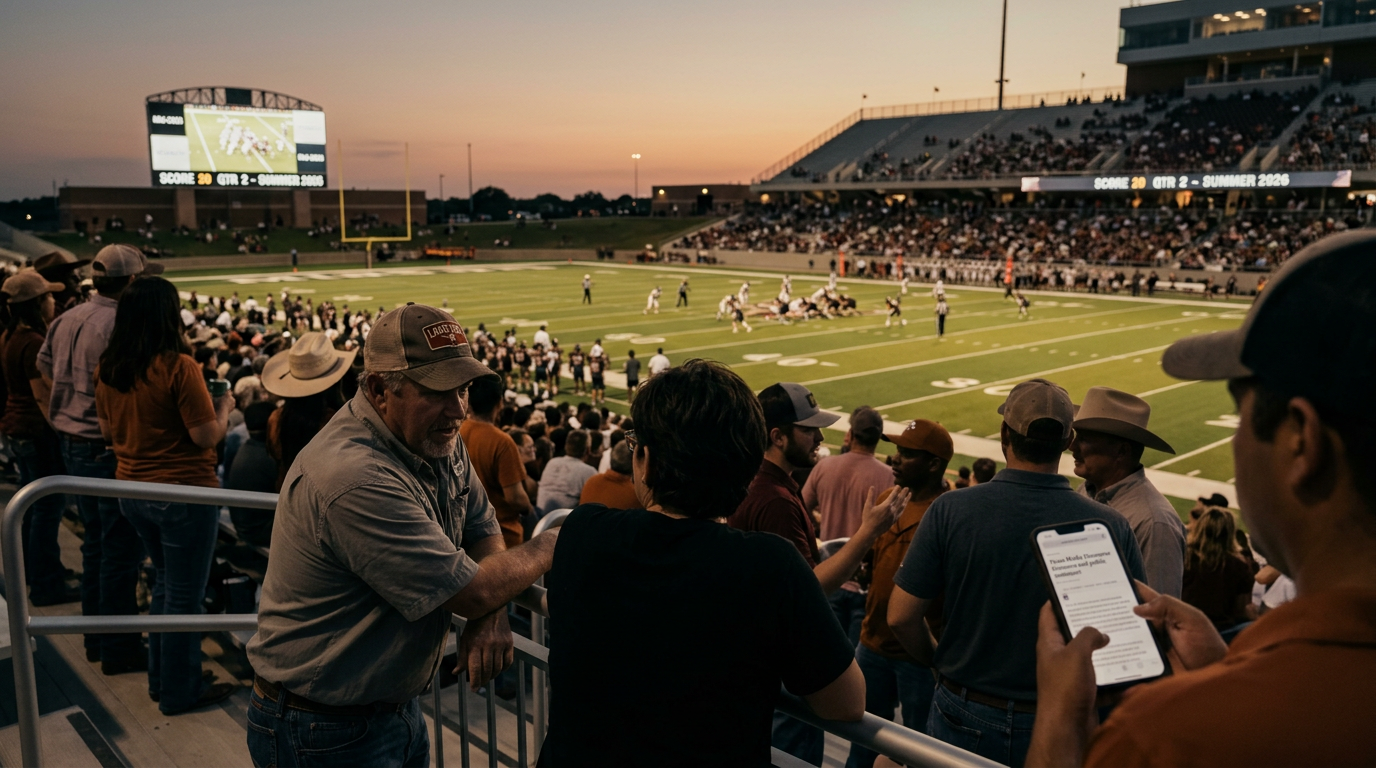
The landscape of public opinion in Texas during the summer of 2026 reflects a state in transition, grappling with the long-term effects of rapid urbanization and the preservation of its distinct heritage. As documented through recent public feedback cycles in major state publications, Texans are increasingly vocal about the direction of their local communities. This period of high-intensity civic engagement follows several years of record-breaking population growth and economic shifts that have transformed the suburban rings of major metros like Houston, Austin, and San Antonio. The feedback highlights a recurring theme: a desire to maintain the 'Texas identity' while navigating the complexities of modern governance and infrastructure needs. Historically, Texas has fostered a robust culture of public dissent and commentary, a tradition that dates back to the era of broadside pamphlets and the early days of the state's newspaper boom. Today, that tradition continues digitally and through established legacy media, serving as a barometer for the state's political and social health. Observers note that the primary concerns of the citizenry have shifted from general complaints about growth to specific critiques of policy implementation. There is a palpable tension between the older generation of residents who value traditional rural aesthetics and the newer arrivals who demand expanded services and tech-forward infrastructure. This dialogue is not merely academic; it translates into the pressure cookers of local city council meetings and school board sessions across the 254 counties. By examining the collective 'roar' of the public, data analysts can see a map of the state's priorities: energy reliability, property tax relief, and the protection of private property rights. The volume of correspondence from citizens suggests that the 2026 legislative interim period will be defined by a public that is better informed and more demanding than in previous decades. This surge in participation indicates that the average Texan no longer views state politics as a distant activity but as a direct influence on their daily quality of life.
Texas relevance
Under the Texas sun, the feedback loop between the people and their representative institutions is more critical than ever. In 2026, the specific relevance of this public discourse touches every corner of the Lone Star State, from the High Plains to the Rio Grande Valley. Since the passage of significant property tax reforms and infrastructure bills in previous sessions, Texans have been monitoring their tax bills and utility reliability with heightened scrutiny. The current climate of public opinion serves as a precursor to the upcoming election cycles, where the sentiments voiced in local forums and media outlets often solidify into voting blocs. For those in leadership roles in Austin, these voices represent a direct mandate or a warning of shifting alliances within the traditional Texan electorate. Understanding this pulse is vital for any stakeholder interested in the stability and prosperity of the Texas economy and social fabric.
The Evolution of Community Feedback in the Digital Age
The mechanisms through which Texans voice their concerns have undergone a radical transformation over the last decade. While physical letters to the editor were once the standard, the current ecosystem involves a blend of social media activism, organized town halls, and digital submissions to major state outlets. This shift has democratized the ability to influence public narrative, allowing residents of far-flung rural counties to have the same reach as those in the urban core of Dallas or Fort Worth.
In 2026, this technology has created a real-time feedback loop. When a policy is proposed in Austin, the response from the Panhandle reaches the capital in seconds. This has forced a change in how media organizations and policy analysts categorize 'public sentiment.' It is no longer a monolithic block but a diverse array of perspectives that reflect the unique geographic realities of the state, from the coastal concerns of the Gulf to the water rights issues of the West.
Furthermore, this evolution has led to the rise of hyper-local advocacy groups. These organizations use the platforms provided by state media to signal-boost issues that might otherwise be overlooked. Consequently, the 'crowd' has become more organized, moving from individual complaints to coordinated efforts aimed at specific legislative or cultural outcomes, further solidifying Texas as a leader in civic participation.
Economic Anxiety and the Cost of Living
A recurring theme in the mid-2026 discourse is the economic pressure facing middle-class Texas families. Despite the state's robust GDP growth and its status as a corporate relocation magnet, the feedback from the ground level indicates a preoccupation with inflation and housing affordability. Many long-term residents are expressing concern that the very growth that brought prosperity is now pricing out the next generation of Texans.
This economic sentiment is particularly sharp in the 'Texas Triangle' regions. Here, the dialogue focuses on infrastructure lagging behind development. Citizens are asking for smarter growth strategies that do not involve massive tax hikes or the erosion of established neighborhoods. The frustration voiced by the public suggests that the 'Texas Miracle' is being re-evaluated by those who are living through its logistical challenges.
Legislators are likely to take note of these economic undercurrents. The public is not just asking for more jobs; they are asking for a higher quality of life and a lower cost of entry for homeownership. As these voices grow louder, the political pressure to deliver meaningful relief on insurance premiums and utility costs will likely dominate the next legislative session's agenda.
Preserving the Cultural Heritage of the Lone Star State
Beyond policy and economics, the July 2026 feedback highlights a deep-seated desire to protect Texas culture. From the defense of historic landmarks to the promotion of local art and music, there is a visible pushback against the 'homogenization' of the state. Many respondents feel that as Texas grows, it risks losing the rugged individualism and unique cultural blend that makes it world-famous.
This cultural preservation movement is manifesting in various ways, including a renewed interest in state history and a demand for education that emphasizes Texas-specific achievements. The roar of the crowd is often a defense of the small-town values that many feel are under siege by national trends. This sentiment crosses party lines and demographic boundaries, uniting Texans in a shared sense of pride.
The role of the media in this context is to serve as a mirror. By publishing these diverse viewpoints, outlets allow for a state-wide conversation about what it means to be a Texan in the mid-21st century. This ongoing dialogue ensures that even as the state modernizes, its foundational identity remains a central part of the public consciousness.
Infrastructure and Energy: The Public Priority
Grid reliability continues to be a top-of-mind issue for the Texas public as summer temperatures peak. The feedback collected during this period shows that while confidence in the state's energy independent status remains high, there is zero tolerance for failure. Residents are increasingly well-versed in the mechanics of the energy market and are demanding accountability from both providers and regulators.
The sentiment indicates that the public views energy infrastructure as the backbone of the Texas economy. Any perceived threat to this stability is met with immediate and vocal pushback. This collective vigilance has made energy policy one of the most transparent areas of state government, as officials realize that the public is watching every fluctuation in supply and demand.
Similarly, transportation infrastructure in the widening metro areas is a frequent topic of debate. The public is weighing in on everything from high-speed rail proposals to the expansion of traditional highways. The consensus seems to be a demand for efficiency without government overreach, reflecting the state's long-standing preference for market-driven solutions and personal mobility.
Education and the Future Workforce
The feedback surrounding educational policy in 2026 shows a shift toward vocational training and practical skills. Parents and community leaders are expressing a desire for schools to produce graduates who are ready to enter the high-tech Texas workforce immediately. There is a growing skepticism of traditional four-year degrees that do not translate into specific career paths within the state’s dominant industries.
This trend is mirrored in the demands for curriculum transparency and school choice. The roar from parents indicates a desire for more direct control over their children's education, viewing it as a fundamental right. These voices are shaping the debate over how state funds are allocated and how local districts are held to standards of excellence that match the state's economic ambitions.
As a result, the discourse is moving toward a more pragmatic view of education. The public wants to see a direct return on investment for their tax dollars in the form of a skilled, patriotic, and capable workforce. This alignment between public sentiment and economic necessity is likely to drive educational reform for the foreseeable future.
The Impact of Rural Voices in a Growing State
Despite the massive growth of Texas cities, the July 2026 sentiment analysis shows that rural voices remain a powerful force in the state's narrative. Residents of smaller communities are using state-wide platforms to remind urban centers of the importance of agriculture, ranching, and the rural lifestyle. They are vocal about protecting water rights and preventing urban sprawl from encroaching on productive farmland.
These rural perspectives provide a necessary balance to the urban-centric policy discussions that often dominate the capital. They advocate for a balanced approach to development that respects the land and the traditions of the people who work it. The strength of these voices ensures that Texas remains a state of both vibrant cities and thriving rural heartlands.
By participating in the state-wide conversation, rural Texans are maintaining their political and cultural relevance. Their feedback serves as a reminder that the Texas economy depends on its natural resources and that the stewardship of those resources is a responsibility shared by all citizens.
Analysis
The current outpouring of public opinion suggests a 'Texas First' mentality is consolidating across various demographic groups. Whether discussing land use, educational standards, or economic policy, there is a clear trend toward decentralization and local control. While much of the national media focuses on polarization, the feedback from within the state shows a surprising amount of alignment on core issues like fiscal responsibility and the desire for transparent governance. The 'Roar of the Crowd' in 2026 isn't just a collection of grievances—it is a sophisticated set of demands from a population that knows its worth in the national economy. This editorial perspective sees the increased volume of public participation as a net positive for the state’s conservative foundations, as it forces accountability and discourages the kind of bureaucratic creep often seen in less engaged states.
Source attribution
This story was reported using a public release from the Texas Monthly. Keep TX Red rewrote the coverage independently and links to the official statement for verification.
Frequently Asked Questions
- Why is public feedback in 2026 so focused on infrastructure?
- Following years of rapid population growth, many Texans feel that the state's physical systems—such as the power grid and highways—are under significant strain. The feedback reflects a demand for proactive maintenance and expansion to ensure the state can continue to support a booming economy without service interruptions.
- What role do publications like Texas Monthly play in this discourse?
- They serve as a public square where diverse viewpoints from across the 254 counties can converge. By curating and publishing reader feedback, these outlets provide a snapshot of the state's collective mood, helping to inform both the public and policy makers about the urgent issues of the day.
- How does this sentiment affect Texas politics?
- Public sentiment expressed in media forums often acts as an early indicator of voter trends. Issues that gain traction in the 'roar of the crowd' usually find their way onto the legislative agenda, as representatives respond to the clear priorities and concerns of their constituents.
Official Sources
Take the next step
Browse the Newsroom →Read more about Keep Texas Red → Our full guide to what Keep Texas Red means and why Texans support it.
Related Articles

Get Texas updates delivered weekly.
Independent Texas reporting on politics, policy, and daily life. One email a week. Unsubscribe anytime.
Keep TX Red Newsroom
The Keep Texas Red Editorial Staff produces nonpartisan explainers, policy breakdowns, and educational resources to help Texans understand how their government works. All content is reviewed for accuracy and updated regularly.
About Keep TX Red →