Statewide BBQ Review Highlights the Evolution of Texas Smoked Chicken Traditions
A comprehensive review of Texas barbecue joints reveals that smoked chicken is becoming a sophisticated alternative to traditional beef brisket.
Editorial disclaimer: Opinions and analysis on Keep TX Red are editorial content — not statements of fact. See our editorial standards.
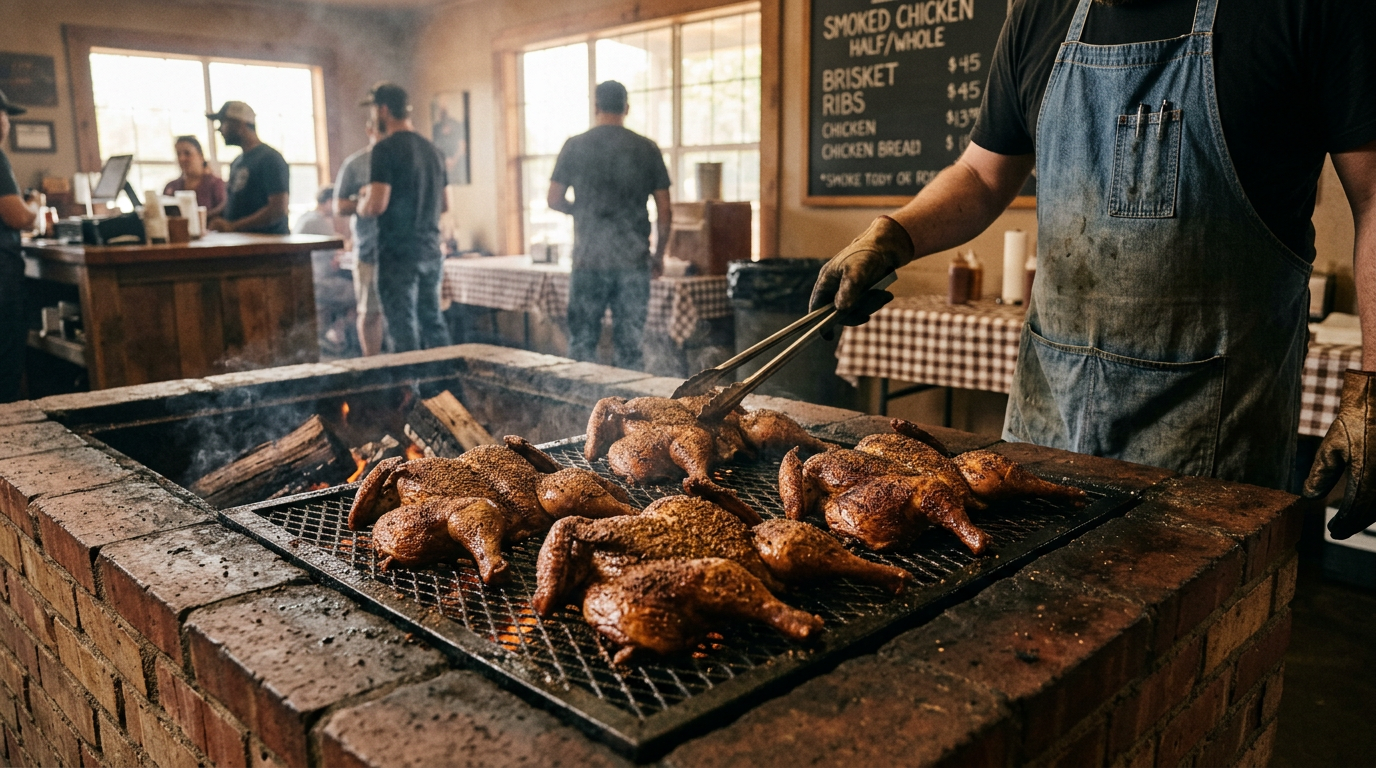
The landscape of Texas barbecue is undergoing a subtle but significant shift as culinary experts and pitmasters turn their attention toward the often-overlooked smoked chicken. Historically viewed as a mere side thought to beef brisket and pork ribs, the whole or half chicken is now being treated with the same scientific precision as the state's more famous proteins. A recent exhaustive survey of 51 different barbecue establishments across the state has identified a growing trend of high-quality poultry preparation that emphasizes skin texture, moisture retention, and complex seasoning profiles. This deep dive into the state's poultry offerings demonstrates that Texas pitmasters are increasingly using fruitwoods and specialized brining techniques to elevate a staple that was once considered secondary. Historically, Texas barbecue has been defined by the 'Holy Trinity' of brisket, ribs, and sausage. However, the rising cost of beef has forced many patrons and owners to reconsider the value and versatility of chicken. In previous decades, smoked chicken was often served dry or heavily masked by thick sauces. Today’s modern barbecue renaissance, which began roughly in the late 2000s, has paved the way for a more nuanced approach where the bird is brined for 24 hours and smoked at specific temperatures to ensure the white meat remains succulent while the skin becomes crispy. This shift reflects a broader maturation of the Texas food scene, where technical excellence is expected across every menu item, regardless of its status relative to brisket.
Texas relevance
For residents and visitors in Texas, the quality of local barbecue serves as both a cultural touchstone and a significant driver of the state's tourism economy. From the historic pits of Lockhart to the modern urban smokehouses of Houston, Austin, and San Antonio, the evolution of smoked chicken provides a more accessible price point for families facing inflation while maintaining the state's reputation for culinary excellence. The geographic diversity represented in the most recent food surveys showcases that excellence is not confined to one region; high-performing barbecue chicken is being produced in the Piney Woods of East Texas just as effectively as in the Hill Country, making high-quality dining available to Texans in every corner of the Lone Star State.
The Science of the Perfect Bird
Crafting the perfect Texas smoked chicken requires a delicate balance of temperature and time that differs significantly from beef. While brisket thrives on a 'low and slow' approach often spanning twelve hours or more, chicken requires a higher heat to ensure the skin does not become rubbery or tough. Most top-tier Texas establishments now utilize a methodology that involves an initial smoking period at approximately 225 degrees Fahrenheit, followed by a finishing period at a much higher heat to render out the fat beneath the skin and create a crisp exterior.
The use of brines has also become a standard practice among the state's elite pitmasters. By submerging the birds in a solution of salt, sugar, and various aromatics for 12 to 24 hours, the meat is chemically altered to retain more moisture during the smoking process. This prevents the lean breast meat from drying out, which has been the primary complaint regarding smoked poultry in the past. The result is a product that challenges the supremacy of beef in terms of flavor density and texture.
Smoke profiles are also being tailored specifically for poultry. While post oak remains the gold standard for beef in Central Texas, many experts are experimenting with pecan, cherry, or applewood for their chicken. these woods provide a sweeter, milder smoke that does not overwhelm the delicate flavor of the bird. This level of customization shows a maturing market where 'one size fits all' smoking techniques are no longer acceptable to the discerning Texas palate.
Regional Variations and Sauce Dynamics
Across the vast geography of Texas, the presentation of smoked chicken varies significantly. In East Texas, it is common to find birds that are heavily influenced by traditional Southern styles, often accompanied by vinegar-based mopping sauces that add a bright acidity to the smoky meat. In contrast, the Central Texas style remains focused on the dry rub, using heavy doses of coarse black pepper to create a 'bark' similar to what one would find on a prime brisket.
The role of sauce in Texas chicken is a point of contention among enthusiasts. While many purists argue that high-quality meat should stand on its own, several acclaimed spots are winning over fans with house-made glazes. These glazes are often applied in the final thirty minutes of cooking, creating a sticky, caramelized layer that locks in juices. Whether it is a traditional tomato-based bootleg sauce or a modern white Alabama-style sauce, the diversity of toppings adds another layer of complexity to the Texas barbecue landscape.
Impact on local diners is palpable, as these regional variations allow for a 'barbecue trail' experience centered specifically around poultry. Travelers are now just as likely to seek out a specific smokehouse for its glazed half-chicken as they are for a slab of ribs. This regional pride fosters a competitive environment where small-town pits must constantly innovate to keep up with the rising standards set by metropolitan barbecue titans.
The Economics of the BBQ Tray
For the consumer, the surge in chicken quality is a welcome relief during a period of fluctuating food costs. A half-chicken plate typically costs significantly less than a pound of brisket, making it the most economical way to feed a family at a premium barbecue joint. For owners, chicken offers a faster turnover in the pit; a bird can be ready in three to four hours, allowing for multiple batches per day to meet high demand without the overhead of overnight labor.
This economic reality is driving the 'chicken-first' marketing seen in many newer suburban developments across Texas. As the cost of premium Wagyu or Prime beef continues to climb, the ability to market an award-winning smoked chicken allows businesses to maintain a lower entry price point for their menus. This ensures that the tradition of the community barbecue joint remains viable for middle-class Texans despite the 'gentrification' of the barbecue industry.
Furthermore, the waste margins for chicken are lower. Almost every part of the bird can be utilized, with leftover smoked carcasses being used to create rich stocks for peripheral menu items like beans, stews, or Texas-style ramen. This efficiency is critical for the survival of independent restaurants in a competitive market like the Texas Triangle, where labor and real estate costs are at all-time highs.
Judging Standards and Competition
The recent focus on smoked chicken is also reflective of the standards set by the professional barbecue competition circuit. Organizations like the Texas BBQ Posse and various state-sanctioned cook-offs have long included chicken as a mandatory category. The rigorous judging criteria—focusing on appearance, tenderness, and taste—have trickled down to commercial kitchens, raising the baseline of what Texans expect when they order a bird off a menu.
When evaluating 51 different birds, the primary differentiator was often the 'closeness to the bone.' A perfectly cooked Texas chicken should have meat that pulls away cleanly without being mushy. The smoke ring, while less pronounced than on a brisket, should still be visible as a light pink hue just beneath the surface of the skin. These technical markers are what separate a world-class pitmaster from a backyard hobbyist.
The community aspect of these reviews cannot be ignored. Barbecue in Texas is a social sport, and the release of top-performing lists often sparks healthy debate among locals. Every town in Texas has its favorite pit, and the inclusion or exclusion of a local favorite from a statewide 'best-of' list often drives a surge in local patronage as residents flock to defend or confirm the prestige of their local pitmaster.
The Future of Texas Poultry
Looking ahead, the integration of global flavors is the next frontier for Texas smoked chicken. We are already seeing the influence of Mexican spices, such as achiote and lime, appearing in rubs across the Rio Grande Valley and San Antonio. Similarly, Vietnamese-Texas fusion in cities like Houston is introducing lemongrass and fish sauce glazes to the traditional wood-fired smoker. This evolution ensures that the Texas barbecue identity remains dynamic and inclusive.
Technology is also playing a role. Advanced rotisserie smokers and humidity-controlled holding cabinets are allowing pitmasters to produce consistent results at a higher volume. While the tradition of the offset wood smoker remains the heart of the craft, these technological assists are helping to eliminate the 'dry chicken' stigma that plagued the industry for decades. The future of the Texas barbecue tray looks increasingly diverse, with the humble chicken standing shoulder-to-shoulder with the mighty brisket.
Ultimately, the story of smoked chicken in Texas is a story of craft. It represents a commitment to excellence that extends to every item on the menu. As the state continues to grow, its culinary traditions will continue to adapt, proving that even a 100-year-old tradition can find new ways to surprise and satisfy the people of the Lone Star State.
Analysis
The elevation of smoked chicken from a 'dietary restriction' alternative to a standalone destination dish represents a strategic pivot for the Texas barbecue industry. By perfecting poultry, pitmasters are able to diversify their revenue streams and mitigate the volatile pricing of the global beef market. This trend also caters to a younger, more health-conscious demographic that may avoid heavy red meats but still desires the authentic wood-fired flavor profile that defines Texas culture. Furthermore, the focus on technical details—such as the 'bite-through' skin and the use of sophisticated dry rubs—suggests that Texas barbecue is moving toward a fine-dining or 'craft' status where every ingredient is subjected to rigorous standards.
Source attribution
This story was reported using a public release from the Texas Monthly. Keep TX Red rewrote the coverage independently and links to the official statement for verification.
Frequently Asked Questions
- What makes Texas smoked chicken different from rotisserie or fried chicken?
- Texas smoked chicken is defined by its exposure to indirect heat from burning wood, typically oak or pecan. Unlike rotisserie, which relies on direct radiant heat, or fried chicken, which uses oil, smoked chicken absorbs the chemical compounds of the wood smoke, creating a distinct flavor profile and a 'smoke ring' in the meat.
- Why is the skin on smoked chicken sometimes rubbery?
- Rubbery skin occurs when the fat under the chicken skin does not properly render out. This usually happens if the smoking temperature is too low. Modern Texas pitmasters solve this by finishing the bird at a higher heat or using a dry brine to draw moisture out of the skin before it hits the smoker.
- Is smoked chicken a healthier option at Texas BBQ joints?
- Generally, yes. Smoked chicken is a lean protein compared to brisket or ribs, which have high intramuscular fat content. While the skin contains fat, the meat itself is lower in calories and saturated fats, making it a popular choice for those wanting the BBQ flavor without the heavy caloric load.
- Which wood is best for smoking chicken in Texas?
- While post oak is the traditional choice for all Texas barbecue, many experts prefer pecan or fruitwoods like peach or apple for chicken. These woods provide a milder smoke that complements the delicate flavor of poultry without overpowering it like mesquite or heavy hickory might.
Official Sources
Take the next step
Browse the Newsroom →Read more about Keep Texas Red → Our full guide to what Keep Texas Red means and why Texans support it.
Related Articles



Get Texas updates delivered weekly.
Independent Texas reporting on politics, policy, and daily life. One email a week. Unsubscribe anytime.
Keep TX Red Newsroom
The Keep Texas Red Editorial Staff produces nonpartisan explainers, policy breakdowns, and educational resources to help Texans understand how their government works. All content is reviewed for accuracy and updated regularly.
About Keep TX Red →