Documenting Disaster Recovery: Long-term Impacts of the Texas Blanco River Floods
A look at the generational recovery efforts in Central Texas following historic river flooding and the psychological toll on local residents.
Editorial disclaimer: Opinions and analysis on Keep TX Red are editorial content — not statements of fact. See our editorial standards.
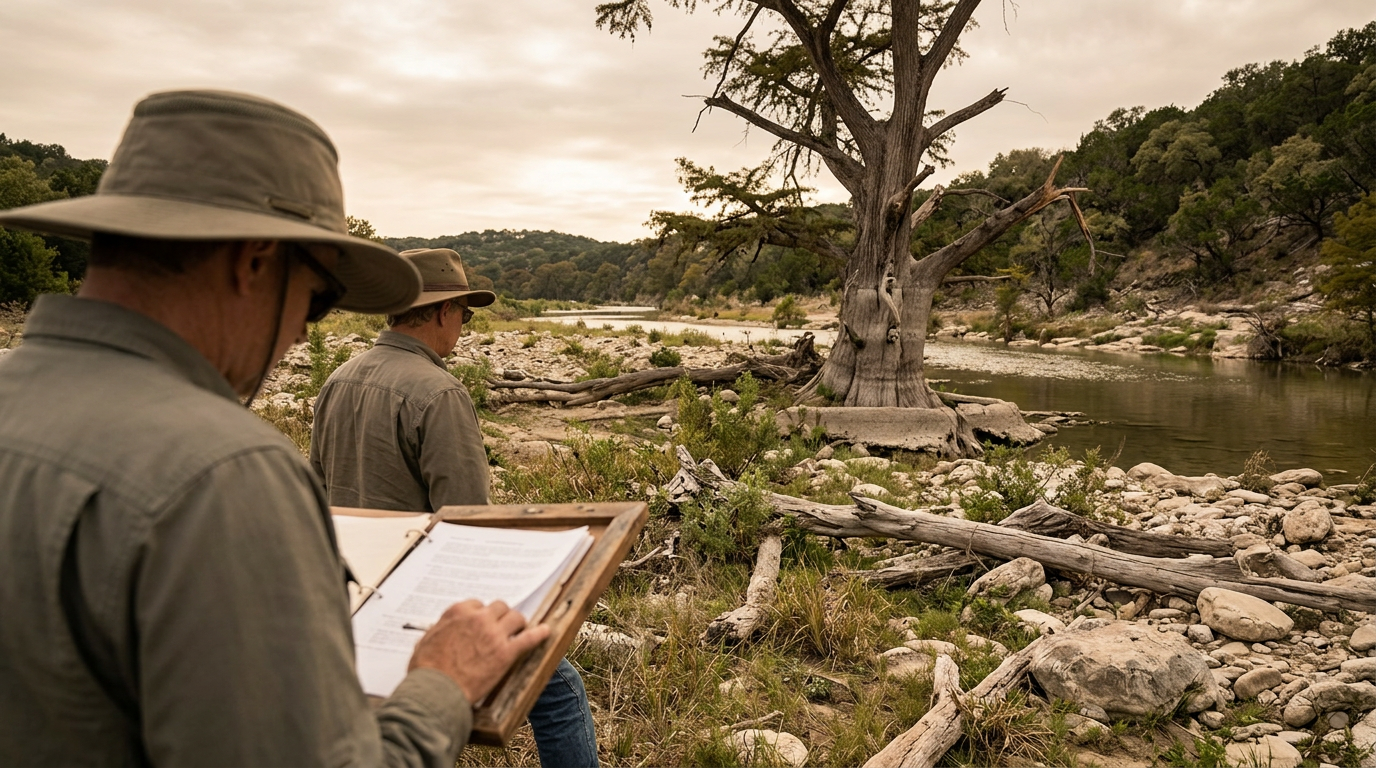
The process of recovering from a natural disaster in Texas is rarely a linear journey, as evidenced by the ongoing reflections of survivors along the Blanco River. Five years after the initial catastrophic events, residents are still grappling with the physical and emotional scars left behind by some of the most intense flash flooding in the state's recorded history. For coastal and central Texans alike, the threat of rapid water rise is a constant reality, but the long-tail effects on families and property remain less discussed. Historically, the Blanco River has seen periodic surges, but the scale of recent decade-long shifts has forced a reevaluation of how communities rebuild. The narrative of recovery often centers on insurance claims and infrastructure, yet the personal testimonies of those who lived through the surges highlight a different reality: one defined by displaced memories and the difficult decision of whether to stay or relocate. As the final chapters of these survivor stories are documented, they serve as a blueprint for understanding the resilience required to navigate the aftermath of a total loss scenario in the Hill Country.
Texas relevance
This story is deeply rooted in the Central Texas region, specifically focusing on the communities between Austin and San Antonio that rely on the Blanco River ecosystem. In Texas, water rights and flood zone management are critical issues for property owners, particularly in the flash-flood-prone Hill Country. The experiences of Wimberley and San Marcos residents reflect the broader Texas struggle with extreme weather variability. Understanding these local impacts is essential for Texas voters and policymakers as they consider funding for the Texas Water Development Board and state-level disaster mitigation strategies that protect private property and public safety.
The Geography of the Blanco River Basin
The Blanco River is a fundamental part of the Texas Hill Country's identity, flowing through Blanco and Hays counties before joining the San Marcos River. Its limestone bed and steep banks make it particularly susceptible to rapid water rises during heavy rain events. The geography of the region acts as a funnel, where water from the higher elevations of the Edwards Plateau rushes down towards the communities of Wimberley and San Marcos with incredible velocity.
Because of this unique topography, the river is known for its beauty but also its potential for destruction. The 2015 floods, which serve as the primary backdrop for current survivor reflections, saw the river reach record heights of over 40 feet in some areas. This destroyed hundreds of homes and fundamentally changed the landscape, stripping away centuries-old cypress trees that were once the hallmark of the river's edge.
For residents who have lived along the banks for decades, the river represents a dual nature of Texas life. It provides recreation and economic value through tourism, but it also demands a constant state of vigilance. The ongoing documentation of these experiences helps newer residents understand the inherent risks of living in such a dynamic environment.
Economic Reconstruction and Property Rights
Rebuilding after a total loss in Texas involves a complex web of local ordinances, federal flood insurance requirements, and surging construction costs. Many families along the Blanco River faced the difficult task of navigating building codes that evolved significantly after the most recent major flood events. This has created a divide between those who could afford to rebuild to new standards and those who were forced to sell their family land.
The economic impact on small towns like Wimberley is profound. When a significant portion of the housing stock is removed from the tax rolls or converted into higher-end vacation rentals, the local social fabric changes. Post-disaster recovery in Texas often sees a shift in demographics as the cost of insurance and flood-proofing rises beyond the reach of long-time locals.
In Texas, where property rights are a sacred part of the legal and cultural landscape, the tension between safety regulations and the right to use one's land is palpable. Legislative efforts at the state level have focused on providing more transparent flood risk information to buyers, but for those who already owned land, the financial burden of recovery has fallen largely on their own shoulders.
The Psychological Toll of the 'Next Big One'
Living with the memory of a disaster means living with a heightened sense of anxiety every time a thunderstorm rolls across the Texas sky. For the individuals featured in the Blanco River project, the sounds of rain or the smell of damp earth can be triggers for the trauma they experienced. This psychological aspect of recovery is often the last to be addressed by official state recovery programs.
Family dynamics are also tested in the wake of such events. The decision to stay and rebuild or to leave the area entirely can cause friction between family members. Some find healing in reclaiming their space on the river, while others see the river as a source of ongoing threat that they can no longer tolerate. These personal rifts are a common, yet quiet, consequence of natural disasters across the state.
Community support groups in the Hill Country have stepped in where formal state services often end. These grassroots networks provide a space for residents to share their stories and process the grief of losing not just their homes, but the natural environment they cherished. The bond formed between survivors is a testament to the community strength found throughout Texas.
Ecological Recovery and the Hill Country Landscape
The physical recovery of the river itself is a much slower process than the rebuilding of homes. The loss of the bald cypress trees along the Blanco was an ecological disaster that will take centuries to fully rectify. These trees served as anchors for the riverbanks, and their removal has led to increased erosion and changes in the river's flow pattern during subsequent smaller rains.
Conservation groups in Texas have been working to stabilize the banks using native vegetation and innovative land-management techniques. This effort is crucial for protecting the water quality of the river, which feeds into the Edwards Aquifer, a primary water source for millions of Texans. The health of the river is directly tied to the health of the local economy and the broader state water supply.
Education programs aimed at landowners have become a priority. By teaching people how to manage their riparian zones, conservationists hope to mitigate the impact of future floods. This proactive approach reflects a shift in Texas environmental policy, moving toward working with nature rather than simply trying to engineer against it.
The Role of Oral History in Public Policy
Documenting the stories of survivors through podcasts and oral histories serves a higher purpose than mere storytelling. These records provide valuable data for emergency managers and urban planners. By understanding exactly how people reacted during the crisis and what challenges they faced in the years following, officials can better prepare for the next inevitable event in Texas's 'Flash Flood Alley.'
Oral histories also ensure that the human cost of disaster is not forgotten when budgets are being debated in the Texas Capitol. While statistics about property damage are easily quantified, the long-term impact on human lives requires a more nuanced approach. These narratives provide the context that justifies investment in infrastructure like better warning systems and drainage improvements.
Ultimately, the story of the Blanco River is the story of Texas itself: a cycle of extreme events met with stubborn persistence. As the final episodes of these survivor accounts are released, they provide a sense of closure for those involved while serving as a warning and a guide for the rest of the state.
Analysis
The conclusion of this narrative project underscores a growing trend in Texas: the transition from immediate crisis response to long-term psychological and economic endurance. While the state government often focuses on the immediate 'boots on the ground' response, the personal accounts suggest a vacuum in long-term support systems. From a policy perspective, this highlighting of the 'aftermath' phase suggests that Texas may need better-integrated mental health and land-use planning to prevent the repeat of such trauma. The resilience shown by these Texas families is commendable, but the reliance on individual grit over structural preparedness remains a point of contention in state legislative circles regarding disaster relief funds.
Source attribution
This story was reported using a public release from the Texas Monthly. Keep TX Red rewrote the coverage independently and links to the official statement for verification.
Frequently Asked Questions
- Where is the Blanco River located?
- The Blanco River is located in the Texas Hill Country, flowing through Blanco and Hays counties, including the popular town of Wimberley, before merging with the San Marcos River.
- Why is the Blanco River so prone to flash flooding?
- The river features a steep gradient and sits on a limestone bed, which prevents water from soaking into the ground. During heavy rain, water quickly funnels into the river valley, causing rapid and extreme rises in water levels.
- How can Texas residents prepare for similar river flooding?
- Residents should stay informed about their local flood zone designation, invest in flood insurance (which is often separate from standard homeowners insurance), and sign up for local emergency alerts from their county's emergency management office.
Official Sources
Take the next step
Browse the Newsroom →Read more about Keep Texas Red → Our full guide to what Keep Texas Red means and why Texans support it.
Related Articles


Get Texas updates delivered weekly.
Independent Texas reporting on politics, policy, and daily life. One email a week. Unsubscribe anytime.
Keep TX Red Newsroom
The Keep Texas Red Editorial Staff produces nonpartisan explainers, policy breakdowns, and educational resources to help Texans understand how their government works. All content is reviewed for accuracy and updated regularly.
About Keep TX Red →