Houston Music Legend DJ Screw Catalogue Set for Official Digital Streaming Debut
Decades after revolutionizing the Houston hip-hop scene, the seminal recordings of DJ Screw are finally moving from physical tapes to digital platforms.
Editorial disclaimer: Opinions and analysis on Keep TX Red are editorial content — not statements of fact. See our editorial standards.
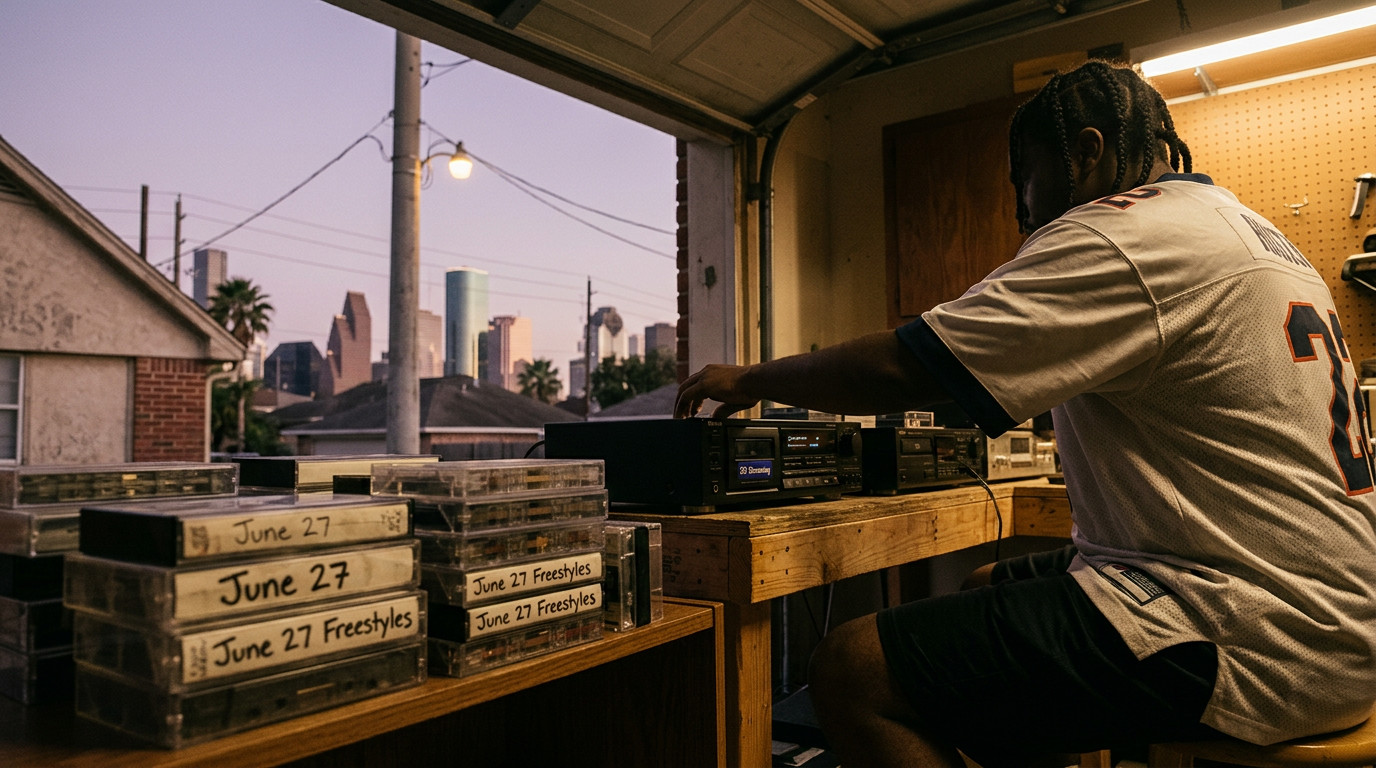
The late Robert Earl Davis Jr., universally known as DJ Screw, is finally receiving a digital renaissance as his massive library of 'chopped and screwed' music transitions to major streaming platforms. This move marks a significant milestone for Texas music history, as much of the artist's work has historically been confined to physical cassette tapes, bootleg copies, and local distribution channels. The announcement coincides with the anniversary of 'June 27,' one of the most famous freestyle sessions in Southern hip-hop history, which has become an unofficial holiday in the Houston area. For years, legal complexities involving sampling rights and estate management kept these recordings off services like Spotify and Apple Music, but new efforts to digitize the archives are now underway to preserve this cultural heritage for future generations. The transition represents more than just a technology shift; it is the formal canonization of a style that defined Texas urban culture in the 1990s and continues to influence global music production today. Historically, the 'Screwed Up' sound emerged from the Southside of Houston, specifically the Sunnyside neighborhood, where Davis began experimenting with slowing down records on his turntables. By manually manipulating the pitch and tempo, he created a heavy, atmospheric sound that mirrored the slow lifestyle of the Bayou City. Before his passing in 2000, he recorded thousands of 'Screw tapes,' which became the gold standard for Texas car culture. The move to digital streaming is the culmination of a decade-long push by fans and the Davis estate to ensure the artist's legacy is both protected and accessible beyond the reach of deteriorating physical magnetic tapes.
Texas relevance
This story is deeply rooted in Houston, Texas, which serves as the global epicenter for the 'chopped and screwed' subgenre. The cultural footprint of DJ Screw is visible across the state, from the automotive 'slab' culture in East Texas to the influence on major Texas-born artists like Travis Scott, Megan Thee Stallion, and Bun B. For Texas residents, this digital transition is a matter of preserving a homegrown art form that serves as a sonic identity for the state's largest city. The lack of streaming access has previously meant that a significant portion of Texas musical history was 'dark' to younger listeners who do not own cassette players, making this digital migration a vital act of cultural preservation for the Lone Star State.
The Origin of the Chopped and Screwed Sound
In the early 1990s, Robert Earl Davis Jr. began a sonic experiment in his Houston home that would change music history. By slowing down hip-hop tracks to a sludge-like tempo and using a crossfader to repeat beats—a technique known as 'chopping'—he created a psychedelic listening experience that resonated with the local community. This sound was not merely a stylistic choice; it was a reflection of the environment, designed to be heard in cars with heavy subwoofers cruising through the streets of Houston.
The demand for these tapes grew so rapidly that Davis eventually turned his home and later a dedicated shop into a hub for his 'Screwed Up Click' (SUC). Loyal fans would wait for hours to purchase the latest 'personal' tapes, which often featured local rappers freestyling over the slowed-down instrumentals. This grassroots distribution model allowed DJ Screw to remain independent while building a massive following that eventually stretched far beyond the borders of Texas.
Legal Hurdles and the Path to Streaming
The primary reason it has taken nearly thirty years for this music to hit streaming services involves the complex web of copyright law. Because DJ Screw’s tapes were largely comprised of recordings from other artists, clearing the samples for commercial digital distribution was a legal nightmare. Each track required negotiation with original labels and artists, many of whom were unaware of the specific ways their music had been utilized in these underground sessions.
Recent breakthroughs in music licensing and a renewed interest in catalog preservation have allowed legal teams to navigate these hurdles. The Davis estate has worked diligently to identify the original sources of the samples used in the most popular tapes. This process ensures that both the estate and the original creators are fairly compensated, bringing a level of legitimacy to these recordings that was impossible during the underground 'grey market' era of the 1990s.
The Significance of the June 27 Freestyle
Among the thousands of hours of recordings, one session stands above the rest: the June 27 freestyle. Recorded in 1996 for the birthday of rapper DeMo, the nearly 35-minute recording features several SUC members rapping over a slowed-down version of '2nd That Emotion.' It is widely considered the quintessential example of the Screw sound, showcasing the chemistry and improvisational talent of the Houston hip-hop scene.
In Houston, June 27 has grown into a regional holiday. It is a day when car stereos across the city play the track in unison, and murals of DJ Screw are decorated with flowers. Making this specific recording widely available on streaming platforms serves as an official endorsement of its status as a cultural monument. It allows the world to hear the raw, unpolished energy that defined a generation of Black musicians in Texas.
Impact on the Texas Music Economy
The monetization of the DJ Screw catalog on digital platforms represents a new revenue stream for the Houston music ecosystem. For years, bootleggers have profited from unauthorized uploads on platforms like YouTube and SoundCloud. By centralizing the distribution through official channels, the royalties can finally flow back to the rightful heirs and the collaborators who helped build the Screwed Up Click brand.
Furthermore, this move increases the visibility of other Houston artists. When listeners discover DJ Screw on a streaming service, the algorithms often lead them to other Texas legends like UGK, Fat Pat, and Big Moe. This creates a 'halo effect' that benefits the entire Texas hip-hop industry, reinforcing Houston’s position as a major player in the global music business.
Technological Hurdles in Digitization
Converting magnetic tape to high-fidelity digital files is a delicate technical process. Many of the original masters have been subject to years of humidity and heat, which are common environmental stressors in coastal Texas. Engineers have had to use specialized equipment to 'bake' or clean the tapes before they could be played and recorded into digital workstations without losing the unique warmth and bass response of the original recordings.
The goal of the digitization project is to maintain the 'lo-fi' aesthetic that fans adore while removing unwanted hiss and static. The result is a sound that feels nostalgic but is clear enough for modern car systems and high-end headphones. This balance is crucial for maintaining the authenticity of the Screw sound while meeting the technical requirements of modern streaming providers.
The Global Reach of a Houston Sound
While DJ Screw never lived to see the global impact of his work, his influence is felt in virtually every corner of modern music. From the 'slowed and reverb' aesthetic popular on social media platforms like TikTok to the production styles of international superstars like Drake and A$AP Rocky, the DNA of the Screwed Up sound is everywhere. This digital release finally provides a primary source for listeners who have only heard the imitations.
Music historians argue that the Screw sound was a precursor to the 'ambient' and 'cloud rap' movements that emerged in California and Europe. By giving the world direct access to the source material, Houston is reclaiming its status as the birthplace of these innovations. The digital transition ensures that when people talk about the history of experimental hip-hop, the story starts in a small house on the south side of Houston.
Analysis
Opinion: The digital release of the DJ Screw catalog is a long-overdue victory for Texas independent artists and the preservation of regional identity. While the music industry often prioritizes Top 40 hits, the raw, unedited freestyle sessions from DJ Screw's house represent the true soul of Houston. By moving these tracks to streaming, the estate is not just seeking profit; they are ensuring that the 'Screw' sound isn't lost to the natural decay of old cassettes. This serves as a reminder that Texas has always been a hub for independent innovation, standing outside the traditional structures of New York and Los Angeles to build something entirely original.
Source attribution
This story was reported using a public release from the Texas Monthly. Keep TX Red rewrote the coverage independently and links to the official statement for verification.
Frequently Asked Questions
- What does 'chopped and screwed' actually mean?
- It is a technique where a song is slowed down significantly (screwed) and then manipulated by skipping beats, scratching, and repeating portions of the track (chopped). The result is a heavy, rhythmic sound that emphasizes bass and creates a different emotional tone than the original version.
- Who was DJ Screw?
- Robert Earl Davis Jr., known as DJ Screw, was a Houston-based DJ and producer who pioneered the chopped and screwed sound. He rose to fame in the 1990s through his 'Screw tapes' and led the Screwed Up Click until his death in 2000.
- Why was the music not on Spotify or Apple Music before?
- The recordings were largely based on samples of other artists' music without formal licensing. Clearing these rights for thousands of tracks was a massive legal undertaking, and the estate also had to locate and digitize the original master tapes.
- Is the June 27 freestyle a real local holiday?
- While not a government-mandated holiday, June 27 is widely celebrated throughout Houston and the Texas hip-hop community. It honors the date of a legendary 1996 recording session that serves as the definitive work of the genre.
Official Sources
Take the next step
Browse the Newsroom →Read more about Keep Texas Red → Our full guide to what Keep Texas Red means and why Texans support it.
Related Articles



Get Texas updates delivered weekly.
Independent Texas reporting on politics, policy, and daily life. One email a week. Unsubscribe anytime.
Keep TX Red Newsroom
The Keep Texas Red Editorial Staff produces nonpartisan explainers, policy breakdowns, and educational resources to help Texans understand how their government works. All content is reviewed for accuracy and updated regularly.
About Keep TX Red →