Central Texas Heat Update: Overnight Forecast for Austin and Surrounding Areas on June 27
High pressure continues to dominate the Austin weather landscape on June 27, keeping overnight temperatures elevated and humidity high.
Editorial disclaimer: Opinions and analysis on Keep TX Red are editorial content — not statements of fact. See our editorial standards.
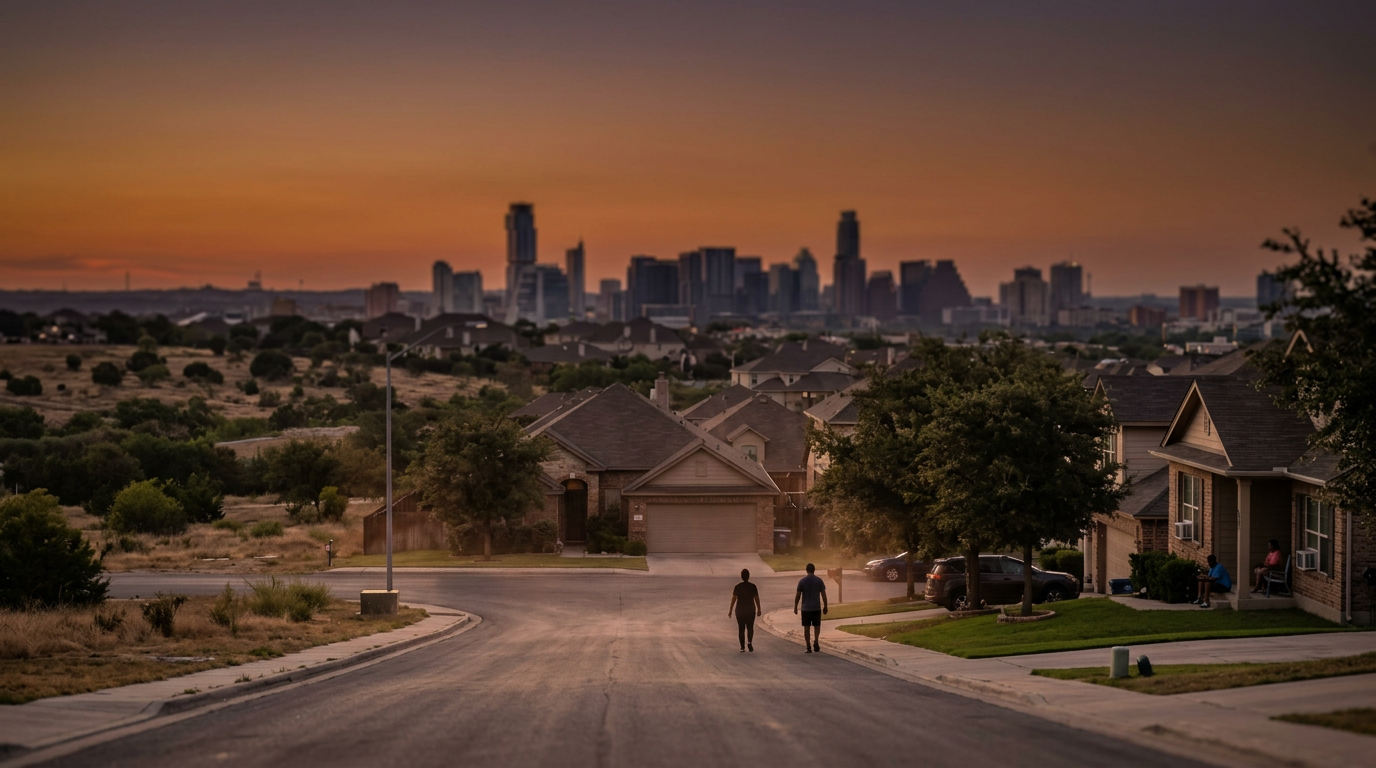
Weather conditions in Austin for the overnight period of June 27 and into June 28 indicate a continuation of persistent high-pressure systems typical for the Texas summer. As the sun sets, residents across Travis County are finding little relief as the humidity remains high, trapping heat near the surface. This weather pattern is part of a broader seasonal trend where nighttime lows fail to drop significantly, placing sustained pressure on residents and regional infrastructure. The current forecast highlights a lack of precipitation for the immediate area, ensuring that the ground remains dry and the air remains heavy with moisture. Historical data for Central Texas shows that late June frequently serves as the gateway to the most intense heat of the year. Historically, Austin has seen a marked increase in triple-digit days during this window, often exacerbated by the 'heat island' effect common in rapidly growing urban centers. Similar to the record-breaking summers of 2011 and 2023, the stability of high-pressure domes over the state defines the lack of cooling breezes. These systems act as a cap, preventing the development of afternoon thunderstorms that might otherwise provide brief instances of relief and water for the local parched landscape.
Texas relevance
For residents in Austin and the greater Central Texas region, these weather updates are critical for managing daily life and public safety. Texas summers are famously unforgiving, and when overnight temperatures remain in the upper 70s or low 80s, the human body has less opportunity to recover from daytime heat exhaustion. This specific forecast for June 27 serves as a reminder for those in the Hill Country and the I-35 corridor to monitor their hydration and electricity usage as air conditioning units work overtime to combat the ambient moisture.
The Mechanism of the High-Pressure System
The current weather in Austin is driven by a strong high-pressure ridge situated over the southern United States. In meteorological terms, this system promotes sinking air, which warms as it descends and prevents clouds from forming. This lack of cloud cover allows for maximum solar radiation during the day, which the asphalt and concrete of Austin absorb and then slowly release throughout the night of June 27.
Because the air is sinking, it also traps moisture near the ground. This results in the high dew points that characterize Central Texas summers. Even as the thermometer reading drops after midnight, the 'feels like' temperature remains significantly higher because the body cannot effectively cool itself through evaporation. This environmental stagnation is a primary concern for local officials who track heat-related illnesses among the vulnerable populations in the city.
Furthermore, this high-pressure dome acts as a barrier against cold fronts moving down from the north. Typically, during other seasons, these fronts would disrupt the humidity and bring cooler air. During late June, however, the strength of the ridge is often enough to push those fronts toward the Ohio Valley or the East Coast, leaving Texas in a repetitive cycle of heat and stagnation.
Infrastructure and Energy Implications
When overnight temperatures in Austin stay elevated, the demand on the electrical grid changes from a peak-shaving model to a sustained load model. Usually, the cooler night air allows transformers and other electrical equipment to shed the heat accumulated during the day. However, under the conditions forecast for June 27, the thermal stress on Texas infrastructure continues even after the sun has set, requiring a stable supply of power to maintain residential cooling.
Water consumption also sees a spike during these periods. Even though the forecast shows no rain, many residents rely on automated irrigation systems to keep landscaping alive. The high evaporation rates during the day mean that soil moisture is rapidly depleted, and without a break in the high-pressure system, the local water table and reservoir levels in areas like Lake Travis are subject to increased scrutiny from regional water managers.
Transportation is another factor affected by the heat. Prolonged high temperatures can lead to pavement buckling and increased wear on vehicle tires and cooling systems. The forecast for a warm night means that road crews and outdoor workers must often start their shifts even earlier in the morning to avoid the most dangerous heat windows, though the high humidity at 4:00 AM presents its own set of physiological challenges.
Public Health and Safety Measures
Health officials in Central Texas emphasize that the overnight forecast is just as important as the daytime high. When the temperature does not fall below a certain threshold, the risk of hyperthermia increases for individuals without access to climate-controlled environments. The June 27 forecast indicates that the typical nighttime cooling cycle is being suppressed, which can lead to cumulative heat stress over several days.
Local cooling centers are often prepared to extend their hours during these periods. Residents are encouraged to check on elderly neighbors and ensure that pets have access to shaded areas and plenty of water. The stagnant air associated with high pressure can also lead to poor air quality, as pollutants from vehicles and industry are not dispersed by wind, creating a 'haze' that can affect those with respiratory issues.
Safety during outdoor activities in Austin, such as hiking at Lady Bird Lake or the Barton Creek Greenbelt, requires careful timing. The overnight forecast suggests that even early morning hours will be muggy. Fitness enthusiasts are advised to complete their workouts before the sun rises fully, as the transition from the overnight low to the daytime high happens rapidly under clear, high-pressure skies.
Agricultural and Environmental Impact
Outside the urban center of Austin, the farming and ranching communities in the surrounding counties feel the weight of these forecasts differently. Livestock require additional monitoring during warm nights to prevent heat stress, which can impact milk production and overall animal health. The lack of overnight recovery time for the soil also means that crops like corn or cotton may show signs of wilting earlier in the day.
The local environment also responds to these sustained high-pressure systems. Wildfire risks can increase as the humidity, while high at night, does not always translate into significant moisture for vegetation. The dry fuels in the underbrush of Texas cedar and oak forests become more susceptible to ignition if a stray spark occurs, especially when combined with the lack of forecast rainfall.
Urban greenery in Austin, including the iconic heritage oaks, also faces stress. While these trees are drought-tolerant, the combination of high daytime heat and warm nights can lead to 'heat scorch' on leaves. Arborists often recommend deep-watering trees during these stretches to ensure that the root systems remain hydrated enough to survive the peak summer months ahead.
Regional Weather Patterns and Comparisons
The weather currently seen in Austin is mirrored across much of the I-35 corridor, from San Antonio up through Dallas. This uniformity is a hallmark of the summer high-pressure ridges that frequently sit over the center of the state. While coastal areas like Houston may deal with slightly higher humidity from the Gulf, Austin’s inland position often leads to higher raw temperatures during the afternoon peak.
In previous years, June has occasionally been interrupted by 'tropical moisture plumes' that bring heavy rain and lower temperatures. However, the current data for the June 27 period shows a distinct lack of tropical activity in the Gulf of Mexico that would be capable of breaking the current ridge. This suggests that the stationary nature of the current weather pattern will persist until a significant shift in the jet stream occurs.
Compared to the western parts of the state, such as El Paso, Austin's overnight lows are significantly higher due to the humidity. In the desert, the air loses heat rapidly after sunset. In Central Texas, the water vapor in the air acts like a blanket, holding that energy close to the ground. This 'blanket effect' is what makes the June 27 overnight forecast particularly noteworthy for those trying to save on energy costs by opening windows, a strategy that is largely ineffective in these conditions.
Source attribution
This story was reported using a public release from the Texas Weather Video (Google News). Keep TX Red rewrote the coverage independently and links to the official statement for verification.
Frequently Asked Questions
- Why is it still so hot in Austin even after the sun goes down?
- High humidity acts as a thermal blanket, trapping heat near the ground. Additionally, the concrete and asphalt of the city release heat absorbed during the day, a phenomenon known as the urban heat island effect, which prevents temperatures from dropping quickly.
- Will there be any rain in the forecast for late June?
- According to the current forecast for June 27 and June 28, a strong high-pressure system is preventing the development of rain and thunderstorms, leading to dry conditions for the immediate Austin area.
- How can I stay safe during these warm Texas nights?
- It is important to stay hydrated and keep your living space cool. Avoid heavy physical activity during the humid morning hours, and ensure that pets and vulnerable individuals have a cool place to rest, as the body needs time to recover from daytime heat.
Official Sources
Take the next step
Browse the Newsroom →Read more about Keep Texas Red → Our full guide to what Keep Texas Red means and why Texans support it.
Related Articles
Get Texas updates delivered weekly.
Independent Texas reporting on politics, policy, and daily life. One email a week. Unsubscribe anytime.
Keep TX Red Newsroom
The Keep Texas Red Editorial Staff produces nonpartisan explainers, policy breakdowns, and educational resources to help Texans understand how their government works. All content is reviewed for accuracy and updated regularly.
About Keep TX Red →