Lockhart Evolution: Beyond the Barbecue Capital Designation
How Lockhart, Texas is evolving into a diverse cultural and residential hub while preserving its historic smoked meat heritage and small-town charm.
Editorial disclaimer: Opinions and analysis on Keep TX Red are editorial content — not statements of fact. See our editorial standards.

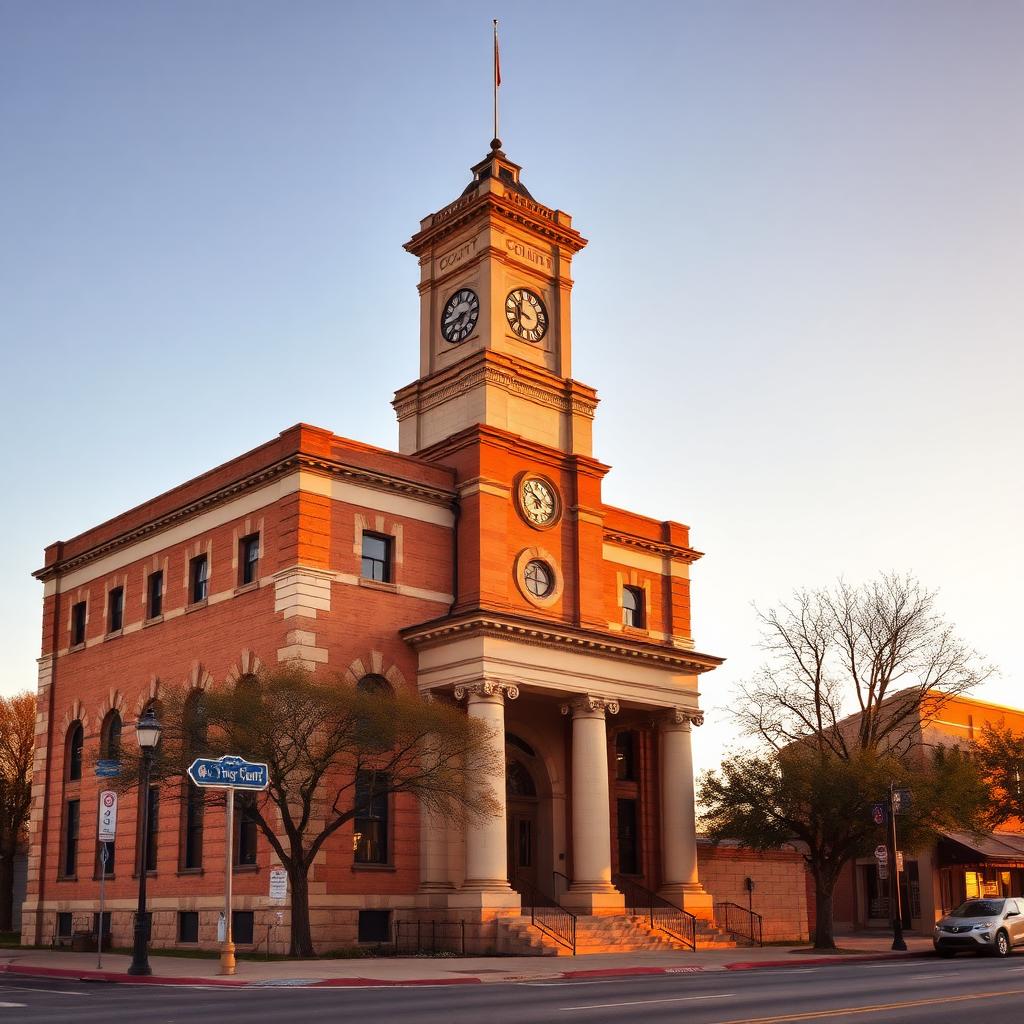
Historically recognized as the 'Barbecue Capital of Texas,' Lockhart is currently undergoing a structural and cultural metamorphosis. For decades, the town’s identity was tethered almost exclusively to its legendary smokehouses, drawing international tourists for day trips but struggling to retain a diverse economic base. The current trend marks a departure from that singular focus as Lockhart attracts a new wave of entrepreneurs, artists, and permanent residents fleeing the skyrocketing costs of the nearby Austin metropolitan area. This shift is not merely about aesthetics; it represents a significant investment in the town's historical infrastructure and a diversification of its local economy beyond food tourism. While the smell of post oak smoke still defines the downtown air, the buildings themselves are being reimagined for modern retail, high-end hospitality, and collaborative workspaces. Historically, Lockhart served as a primary cattle shipping point and a hub for the cotton industry in Caldwell County. This foundation established the grand Victorian architecture that still defines the town square, including the iconic Caldwell County Courthouse built in 1894. Precedent for this type of transformation can be found in other Central Texas towns like Georgetown or Gruene, which successfully leveraged their historic charm to foster modern economic growth. Lockhart is now following this trajectory, attempting to balance its heritage with the pressures of the modern 'Silicon Hills' expansion. The challenge for local leadership involves maintaining the grit and authenticity of a working-class Texas town while accommodating an influx of capital and high-density residential development. As the population grows, the city is tasked with upgrading aging utility systems and managing traffic patterns that were originally designed for a much smaller, rural community.
Texas relevance
Lockhart serves as a critical case study for the broader urbanization of Central Texas and the expansion of the I-35 and SH-130 corridors. Located roughly 30 miles south of Austin, Lockhart’s evolution directly reflects the 'spillover effect' affecting many rural Texas municipalities. Local schools, tax bases, and property values are all seeing significant shifts as the town transitions from a quiet county seat into a viable bedroom community for the tech sector. For Texans elsewhere, Lockhart represents the struggle to maintain a unique regional identity in the face of rapid suburbanization. The preservation of its barbecue legacy while integrating new businesses provides a blueprint for how other historic Texas towns might navigate the inevitable growth moving outward from major urban centers.
The Hospitality Pivot and Downtown Revitalization
The visible transformation of Lockhart is most apparent in its downtown district. Once dominated by hardware stores and functional outlets, the square around the courthouse is now home to boutique hotels, modern art galleries, and upscale dining options that offer more than just brisket. This pivot toward hospitality is designed to turn the town from a two-hour lunch stop into a weekend destination. Developers are looking at historic storefronts not as relics, but as foundational pieces for a luxury experience that rivals the Hill Country’s more established tourist traps.
This revitalization is supported by a mix of local grants and private equity. Old warehouses are being converted into lofts and creative studios, attracting a demographic that values the aesthetic of the past but requires the connectivity of the present. By fostering a diverse business environment, Lockhart is insulating itself against economic shifts that might affect a single industry. The shift toward a multi-day tourism model also increases local tax revenue, providing the city with the funds necessary to address long-standing infrastructure needs without placing the entire burden on existing residential property owners.
However, the revitalization process has sparked concerns regarding the affordability of commercial leases for traditional businesses. As the 'cool factor' of Lockhart rises, so do the costs of operating on the square. The city must find a balance that allows new, trendy establishments to flourish alongside the legacy shops that have served the community for generations. This tension is a common theme in Texas growth stories, but Lockhart’s deep sense of history gives it a unique platform to model a more integrated approach to urban development.
Infrastructure and the SH-130 Influence
Much of the recent growth in Lockhart can be attributed to the completion and expansion of State Highway 130. This toll road provides a high-speed bypass for the congested Interstate 35, making Lockhart an attractive location for logistics companies and commuters alike. The accessibility provided by SH-130 has effectively shortened the distance between Lockhart and the Austin-Bergstrom International Airport, as well as the Tesla Giga Texas factory. This logistical advantage is a primary driver behind the residential housing boom currently occurring on the town’s periphery.
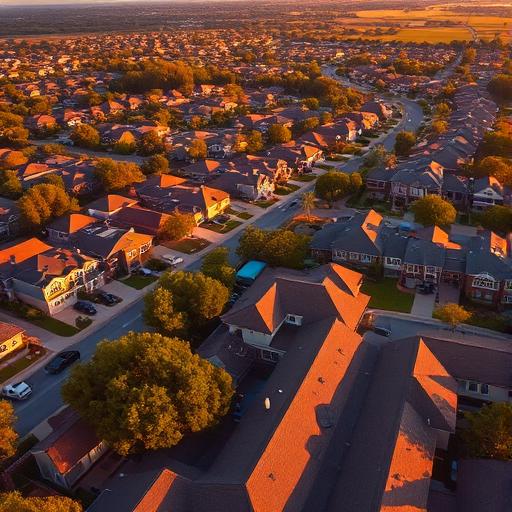
City officials are working to ensure that the infrastructure keeps pace with the residential permits being issued. New subdivisions are rising on former ranch land, bringing thousands of new households to the area. This requires a massive overhaul of water, sewage, and electrical systems that were never intended for such density. The proactive management of these resources is vital to preventing the kind of utility crises seen in other rapidly growing Texas suburbs. The city is currently exploring long-term water sourcing agreements to guarantee sustainability for the next several decades.
The impact of SH-130 also extends to the industrial sector. Lockhart is positioning itself as a hub for light manufacturing and distribution, seeking to draw companies that want to be near the Austin tech bubble without the Austin price tag. By diversifying the job market, the town is ensuring that it remains a 'complete' community where residents can live, work, and shop, rather than becoming a mere transit point for those working elsewhere in the region.
Preserving the Barbecue Legacy
Despite the diversification of the local economy, the city's leadership and residents are adamant that the town’s barbecue heritage remains its soul. The 'Big Three' smokehouses—Black’s, Kreuz Market, and Smitty’s—continue to draw massive crowds and serve as the anchor for the local tourism industry. These establishments are more than just restaurants; they are cultural touchstones that represent the history of Texas meat markets. The challenge for these legacy businesses is adapting to a changing clientele that expects modern amenities without losing the traditional atmosphere that made them famous.
The city has integrated its culinary history into its future branding. Instead of moving away from barbecue, Lockhart is using it as a springboard. Food festivals and community events are being expanded to include craft beer, live music, and artisan markets, creating a broader cultural festival atmosphere. This strategy aims to honor the 'pitmaster' tradition while acknowledging that modern visitors seek a more varied experience. The relationship between the old-guard smokehouses and the new-wave businesses is largely symbiotic, as each draws a different type of visitor that ends up benefiting the entire town.
Educational programs and historical preservation efforts are also in place to ensure the techniques of Central Texas barbecue are passed down. By treating barbecue as a protected cultural asset, Lockhart ensures that even as new rooftops appear and high-tech industries move in, the fundamental character of the town remains unshakable. The preservation of these techniques is a point of pride for the community and a key differentiator in a crowded Texas tourism market.
The Influx of the Creative Class
A significant portion of Lockhart’s reinvention is driven by the 'creative class'—artists, musicians, and writers—who have moved south from Austin in search of affordable workspace and a slower pace of life. This migration has birthed a burgeoning arts scene in Lockhart, featuring more frequent gallery walks, live performances, and film screenings. The presence of these individuals is reshaping the social fabric of the town, introducing new perspectives and aesthetic influences that are beginning to reflect in the town’s retail offerings.
This demographic shift is also visible in the types of businesses opening on the square. Independent bookstores, vinyl shops, and specialty coffee roasts are becoming as common as Western wear stores. This cultural infusion has made Lockhart a favorite for those seeking an 'authentic' Texas experience that feels less manufactured than South Congress or the Pearl District in San Antonio. The creative community has also been instrumental in the revitalization of historic homes in the residential districts surrounding downtown, leading to a general improvement in neighborhood curb appeal.
While the arrival of the creative class often signals the beginning of gentrification, many in Lockhart see it as a necessary evolution to keep the town relevant. The newcomers are often the most vocal advocates for preserving historic buildings, as they are drawn to the town specifically for its architectural character. By working together with longtime residents, this new group is helping to craft a vision for Lockhart that honors the past while embracing a more modern, eclectic future.
Challenges of Rapid Growth
With rapid growth comes a unique set of challenges that threaten the very charm that makes Lockhart attractive. Traffic congestion on the narrow roads leading to the town square is increasing, and parking—once an afterthought—is becoming a point of contention for local business owners and residents. The city is currently evaluating several urban planning initiatives to improve walkability and manage the influx of vehicles without destroying the historic atmosphere of the downtown area.
Another major hurdle is the rising cost of living. Property tax valuations have spiked in recent years, placing a financial strain on legacy homeowners and residents on fixed incomes. There is a growing concern that Lockhart could eventually become a playground for the wealthy, displacing the working-class families that have lived there for generations. Addressing this requires a nuanced approach to zoning and the development of varied housing options to ensure that the community remains economically diverse and accessible to all Texans.
Finally, the city must navigate the social friction that sometimes arises between 'old Lockhart' and 'new Lockhart.' Differing opinions on development, noise ordinances, and historical preservation can create tension. Success will depend on the community’s ability to communicate and find common ground, ensuring that growth is managed in a way that respects the history of the town while providing a pathway for future generations to thrive.
Analysis
The editorial team views Lockhart’s reinvention as a double-edged sword for traditional Texas culture. On one hand, the influx of investment ensures that historic structures, which might have otherwise fallen into disrepair, are preserved and revitalized. On the other hand, there is an inherent risk of 'homogenization' where the unique, weathered character of a town is replaced by a polished, sanitized version of its former self. To keep Texas red and vibrant, it is essential that the local government prioritizes the needs of long-term residents and legacy businesses over outside developers. The success of Lockhart will be measured by its ability to grow without pricing out the very people who built its reputation as a world-class destination.
Source attribution
This story was reported using a public release from the Texas Travel Stories (Google News). Keep TX Red rewrote the coverage independently and links to the official statement for verification.
Frequently Asked Questions
- Is Lockhart still considered a top destination for barbecue?
- Absolutely. While the town has diversified, its foundational barbecue institutions like Black’s, Smitty’s Market, and Kreuz Market remain the primary tourist draws and continue to operate using traditional post-oak smoking methods. The town proudly maintains its official title as the Barbecue Capital of Texas.
- How far is Lockhart from the Austin area?
- Lockhart is located approximately 30 miles south of downtown Austin. Depending on traffic and whether a driver uses SH-130 or I-35, the commute typically takes between 35 and 50 minutes, making it a viable bedroom community for the Austin tech corridor.
- What is driving the recent increase in property values in Lockhart?
- Property values are rising due to a combination of high demand for housing in Central Texas, the relative affordability of Lockhart compared to Austin, and the proximity to the new Tesla Giga Texas factory and other developments along the SH-130 corridor.
- Is Lockhart a good place for a weekend trip?
- Yes. The town has recently seen the opening of several boutique hotels and new retail shops on its historic downtown square, offering a more comprehensive visitor experience that includes shopping, art galleries, and live music alongside its famous dining options.
- What are the main industries in Lockhart today?
- While food tourism remains a major sector, Lockhart is increasingly seeing growth in light manufacturing, logistics, and professional services, largely due to its strategic location and access to major transportation routes.
Official Sources
Take the next step
Browse the Newsroom →Read more about Keep Texas Red → Our full guide to what Keep Texas Red means and why Texans support it.
Related Articles

Get Texas updates delivered weekly.
Independent Texas reporting on politics, policy, and daily life. One email a week. Unsubscribe anytime.
Keep TX Red Newsroom
The Keep Texas Red Editorial Staff produces nonpartisan explainers, policy breakdowns, and educational resources to help Texans understand how their government works. All content is reviewed for accuracy and updated regularly.
About Keep TX Red →