Exploring the Lonestar State: A Cross-Texas Road Trip Reveals Regional Diversity
Discover the vast landscapes and cultural heritage of Texas as one family traverses 3,000 miles across the state's diverse regions and hidden gems.
Editorial disclaimer: Opinions and analysis on Keep TX Red are editorial content — not statements of fact. See our editorial standards.
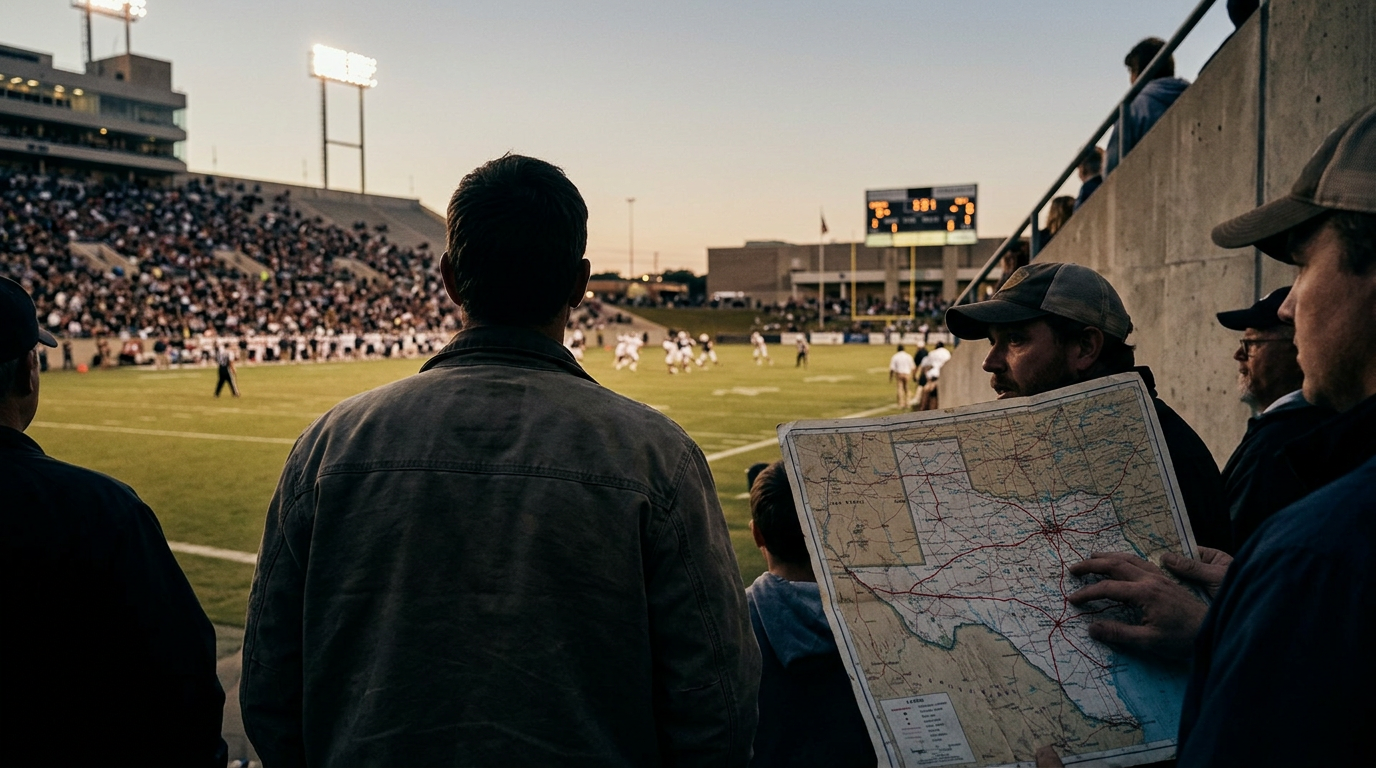
Texas is often defined by its sheer scale, but a recent 3,000-mile cross-state journey highlights that the state’s true identity lies in its geographic and cultural variance. For generations, the tradition of the 'Texas road trip' has served as a rite of passage for residents and visitors alike, seeking to understand how the humid piney woods of the east transform into the arid plateaus of the west. Historically, the development of the Texas highway system in the early 20th century turned remote ranching outposts into accessible tourist destinations, a legacy that continues to shape the state's travel economy today. This specific excursion tracked the family's transition from bustling metropolitan centers to the quiet, rugged landscapes of the Far West, documenting how the identity of the state shifts across hundreds of miles of open pavement. The journey serves as a reminder that Texas operates almost like a collection of smaller countries rather than a monolithic entity. From the muddy marshes near the Louisiana border to the high-desert mountain ranges of the Big Bend region, the logistical challenge of traversing 3,000 miles within a single state is a feat few other regions in the continental United States can offer. This modern exploration revisited classic roadside attractions while also uncovering the evolution of small-town Texas, where traditional industry often meets new-age hospitality and conservation efforts. By documenting the changing flora, fauna, and local architecture, the travelers provided a comprehensive snapshot of the state's current physical and cultural state.
Texas relevance
For Texans, the vastness of their home state is both a source of pride and a logistical reality that influences everything from regional politics to economic development. This story is particularly relevant to those in the Texas tourism and hospitality sectors, as it showcases how travelers are increasingly looking for authentic, off-the-beaten-path experiences outside of major hubs like Austin or Dallas. Previous state initiatives, such as the Texas Historical Commission’s heritage trails, have long sought to boost rural economies through this exact type of slow-travel exploration. As urban sprawl continues to expand, understanding and preserving the rural character found along these 3,000 miles is essential for maintaining the unique Texas brand that attracts millions of visitors annually.
The Geographic Shift from East to West
The trek began by highlighting the dramatic ecological shift that occurs as one moves westward from the Sabine River. The dense canopy of the Big Thicket and the pine-heavy landscapes of East Texas eventually give way to the rolling hills of Central Texas. This transition is not merely visual; it impacts the local climate, the types of agriculture that thrive in these regions, and even the historical settlement patterns of early Texas pioneers who moved through these same corridors.
As the vehicle pushed further toward the 100th meridian, the greenery of the coastal plains faded into the scrub brush and limestone of the Edwards Plateau. This area, known as the Hill Country, serves as the heart of Texas's artisanal and boutique travel industry. The family’s progress through this region underscored the importance of the Interstate 10 corridor as a vital artery that connects the state’s disparate halves, serving as both a commercial lifeline and a recreational path for millions.
Deep into the westward leg, the elevation begins to climb significantly. The transition into the Trans-Pecos region introduces travelers to the only mountain ranges in the state. Here, the scale of the landscape becomes truly overwhelming, with vast stretches of land owned by multi-generational ranching families and the federal government. This part of the journey illustrates the 'big sky' concept that has defined the Texas aesthetic in film and literature for over a century.
Small Town Revitalization Along the Route
A major theme of the 3,000-mile loop was the observable revitalization occurring in many rural Texas courthouses squares. Once languishing as retail moved to the outskirts of towns, many historic centers are seeing a resurgence of curated cafes, antique shops, and specialized lodging. This shift represents a second life for many towns that were founded as rail stops or cotton hubs in the 1800s.
The travelers noted that the distinct personality of each town is often preserved in its local architecture and monuments. Whether it was the German influence in the Hill Country or the Hispanic heritage deeply ingrained in the South Texas borderlands, the road trip showcased a multicultural tapestry. These towns act as stewards of Texas history, maintaining local museums and markers that tell the gritty stories of the Texas Revolution and the subsequent ranching booms.
Furthermore, the economic impact of such travel cannot be overstated. By stopping in smaller municipalities, travelers provide direct support to family-owned businesses that are the backbone of rural Texas. The story suggests that while the destination is important, the local diners and hardware stores found in 'fly-over' parts of the state are where the actual character of Texas is most vividly experienced and sustained for the next generation.
The Role of Texas State Parks
Throughout the journey, the Texas State Park system served as a series of crucial anchors. These protected lands offer more than just recreation; they are essential sanctuaries for the state's native wildlife and rare botanical species. From the canyons of the Panhandle to the swimming holes of the Balcones Escarpment, the family utilized these parks to ground their long drive in the physical reality of the Texas environment.
Investing in these parks has been a priority for the state legislature in recent cycles, and the high demand seen during this 3,000-mile trip proves why. Many parks now require reservations months in advance, indicating a massive public appetite for outdoor space. The travelers explored how these parks balance the need for public access with the delicate requirements of conservation, ensuring that the 'Wild Texas' experience remains available for future explorers.
Each park visited offered a different perspective on the state's natural history. Palo Duro Canyon provides insight into the geological forces that shaped the north, while the coastal sanctuaries explain the precarious balance of the Gulf ecosystem. By weaving these stops into a single trip, the family was able to view the state's natural assets as a connected whole rather than isolated pockets of beauty.
Culinary Heritage and Regional Flux
No study of Texas travel is complete without addressing the culinary diversity found across 3,000 miles. The trip served as a survey of the state’s changing palate, moving from the heavy influence of Cajun flavors in the east to the smoked meats that define the barbecue belt of Central Texas. These food traditions are not static; they are constantly evolving as new residents bring their own influences to traditional Texas kitchen staples.
Further west and south, the prevalence of authentic Tex-Mex and interior Mexican cuisine becomes the dominant culinary force. The family documented how specific dishes change based on the availability of local ingredients, such as Hatch chiles near the New Mexico border or fresh seafood along the coast. These regional specialties are more than just meals; they are cultural touchstones that unify specific Texas communities and provide a sense of place for those passing through.
The journey also highlighted the growth of the Texas wine and craft beer industries. Areas like the Fredericksburg region have transformed into national destinations for viticulture, rivaling traditional hubs in California. This maturation of the Texas food and beverage scene adds a layer of sophistication to the classic road trip, allowing travelers to experience high-end hospitality even in relatively remote parts of the state.
The Long Road: Logistics and Endurance
Traveling 3,000 miles within a single state requires significant planning and a respect for the logistical hurdles involved. The family encountered the reality of 'fuel deserts' in West Texas, where gas stations can be over 80 miles apart. This aspect of the trip emphasizes the necessity of preparation when exploring the more rugged stretches of the Lone Star State, where cell service and emergency amenities are not always guaranteed.
The condition of the roads also tells a story of the state’s infrastructure priorities. While the major interstates are often under constant construction to handle growing populations, the backroads and farm-to-market routes offer a slower, more deliberate pace. These smaller roads allow for a more intimate connection with the land, passing through private ranch gateposts and over cattle guards that the high-speed highways bypass entirely.
Ultimately, the endurance required for such a trip mirrors the resilient spirit often attributed to Texans. The ability to spend days on the road without ever crossing a state line is a uniquely Texan experience that fosters a deep sense of belonging and territorial appreciation. For this family, the 3,000-mile loop was not just a vacation, but an education in the vast complexities and enduring charm of their home state.
Analysis
The emphasis on long-distance travel within state lines suggests a shifting consumer preference toward internal 'staycations' and localized exploration rather than international destinations. This trend provides a significant boon to small Texas municipalities that rely heavily on highway commerce and motel occupancy taxes. Furthermore, the narrative of the 3,000-mile journey reinforces the cultural archetype of the 'Texas frontiersman,' though updated for a modern audience focused on sustainability, photography, and the preservation of state parks. It highlights a growing desire among younger families to reconnect with the physical environment of Texas, prioritizing raw experiences in the Davis Mountains or the High Plains over the manicured environments of traditional tourist traps.
Source attribution
This story was reported using a public release from the Texas Travel Stories (Google News). Keep TX Red rewrote the coverage independently and links to the official statement for verification.
Frequently Asked Questions
- How long does it typically take to drive 3,000 miles across Texas?
- While the mileage can be covered in about 45-50 hours of pure driving time, a comprehensive journey that explores local towns, state parks, and historical sites typically requires 10 to 14 days to fully appreciate the regional differences.
- What are the best regions for a first-time Texas road trip?
- The Texas Hill Country is often recommended for beginners due to its high density of parks, historic towns like Fredericksburg, and manageable driving distances. However, for those seeking raw natural beauty, the Big Bend region in West Texas is considered the pinnacle of the Texas road trip experience.
- Is it safe to travel through remote areas of West Texas?
- Yes, but it requires preparation. Travelers should ensure their vehicle is in good condition, carry extra water, and keep their fuel tank at least half full, as services can be extremely sparse between towns like Fort Stockton and Marfa.
Official Sources
Take the next step
Browse the Newsroom →Read more about Keep Texas Red → Our full guide to what Keep Texas Red means and why Texans support it.
Related Articles
Get Texas updates delivered weekly.
Independent Texas reporting on politics, policy, and daily life. One email a week. Unsubscribe anytime.
Keep TX Red Newsroom
The Keep Texas Red Editorial Staff produces nonpartisan explainers, policy breakdowns, and educational resources to help Texans understand how their government works. All content is reviewed for accuracy and updated regularly.
About Keep TX Red →