Nuisance Nutria Expansion Threatens Coastal Texas Wetlands and Infrastructure
Texas wildlife officials warn of rising nutria populations damaging coastal ecosystems and levee systems beyond traditional habitat ranges.
Editorial disclaimer: Opinions and analysis on Keep TX Red are editorial content — not statements of fact. See our editorial standards.
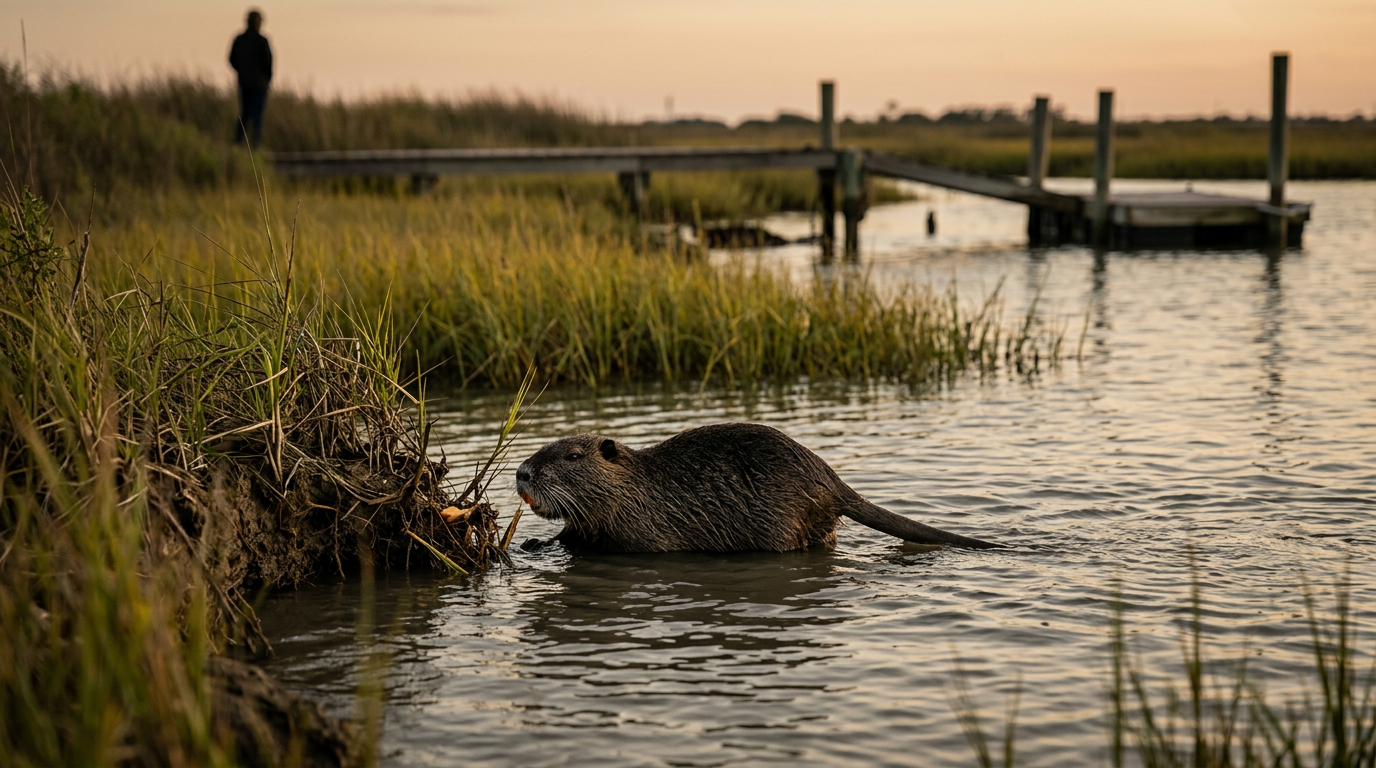
Texas is currently grappling with a surge in populations of nutria, a large semi-aquatic rodent originally from South America that has become a significant ecological threat across the Gulf Coast. While feral hogs often dominate the conversation regarding invasive species in the Lone Star State, nutria are arguably causing more permanent damage to the structural integrity of the coastline. Historically introduced for the fur trade in the early 20th century, these animals have long outlasted the industry that brought them here. Recent biological assessments indicate that their range is expanding further inland and their impact on native vegetation is reaching a critical tipping point that could lead to irreversible marsh loss. These rodents are often mistaken for beavers or small muskrats, but their behavior and reproductive rates set them apart as one of the most destructive forces in the Texas wild. The current situation mirrors historical patterns seen in Louisiana, where nutria nearly decimated thousands of acres of wetland before aggressive trapping programs were implemented. In Texas, the lack of traditional predators and the state's increasingly mild winters have allowed these populations to thrive without natural checks. Unlike native species that coexist within the food web, nutria consume the base of plants, destroying the root systems that hold the soil together. This leads to 'eat-outs,' where vibrant marshlands are transformed into open water, permanently removing habitat for native waterfowl and commercially important juvenile fish and shrimp. State biological surveys are now focusing on the eastern counties where the density of these rodents has peaked, threatening both private land and public infrastructure.
Texas relevance
The nutria crisis is specifically centered on the Texas Gulf Coast and the eastern river basins, including the Trinity and Sabine systems. For residents of Southeast Texas, this is not merely an environmental concern but a direct threat to the flood protection systems that shield coastal communities from storm surges. Nutria are known to burrow into man-made levees and dikes, creating internal hollows that lead to structural failure during high-water events. As Texas continues to invest billions in coastal protection projects, the presence of an invasive species capable of undermining these engineering feats represents a significant risk to taxpayer investments and public safety. Furthermore, the loss of coastal marshes removes a natural buffer that protects inland Texas towns from hurricane impacts, making the management of this species a top priority for state disaster mitigation strategies.
Biological Characteristics and Prolific Breeding
Nutria, or Myocastor coypus, are distinguished by their orange-tinted teeth and white whiskers, often weighing between 15 to 20 pounds. Their reproductive capacity is their primary weapon against eradication efforts. A single female can produce up to three litters in a single year, with each litter containing several offspring that reach sexual maturity in as little as four months. This exponential growth curve means that even a small, overlooked population can blossom into a local infestation within a single season, overwhelming the niche ecosystems they inhabit.
In the Texas climate, where freeze events are becoming less frequent or shorter in duration, the natural die-offs that once limited nutria expansion are no longer reliable. The animals are highly adaptable, moving from saltwater marshes to freshwater ponds and even urban drainage systems with ease. This adaptability has allowed them to colonize areas of Texas that were previously thought to be outside their environmental tolerance, necessitating a state-wide re-evaluation of their range map.
Destruction of the Texas Marshland Matrix
The primary ecological damage caused by nutria stems from their unique feeding habits. Unlike most herbivores that graze on the leaves or stems of plants, nutria prefer the nutrient-rich roots and tubers. By digging into the substrate to reach these roots, they destabilize the sediment. In the delicate balance of a Texas salt marsh, this soil stability is what prevents the land from being swept away by the tide. Once the vegetation is cleared, the exposed mud is quickly eroded, turning what was once a productive nursery for marine life into a barren underwater mudflat.
This process creates a feedback loop of environmental degradation. As the marsh disappears, the water's salinity levels change, which can kill off any remaining native plants that were not directly eaten by the rodents. Wildlife experts have observed that these 'eat-outs' can cover hundreds of acres if left unchecked. The loss of this vegetation also means the loss of natural filtration systems that keep Texas coastal waters clean, potentially impacting the commercial fishing and tourism industries that rely on healthy bay systems.
Infrastructure Risks and Levee Integrity
Beyond the natural environment, nutria pose a documented risk to civil engineering projects. Their instinct to burrow leads them to create complex tunnel systems inside the banks of canals and the sides of earthen levees. In parts of Jefferson and Orange counties, these burrows have been found to penetrate several feet into critical flood control structures. When heavy rains or storm surges occur, water enters these tunnels, causing internal erosion known as 'piping,' which can lead to a sudden and catastrophic collapse of the levee.
Repairing this damage is a costly endeavor for local drainage districts and the Texas Department of Transportation. Because the burrows are often hidden beneath the water line or obscured by tall grass, they are difficult to detect during routine inspections. This requires the use of specialized ground-penetrating radar or extensive manual surveys, adding another layer of expense to the maintenance of Texas's coastal infrastructure. The cost of one levee failure could far exceed the budget required for a decade of proactive nutria management.
Historical Context of the Fur Trade Legacy
It is important to remember that the nutria is a man-made environmental problem for North America. They were brought to the United States in the 1930s with the intent of establishing a domestic fur market to rival the high-end pelts coming from South America. When the fur market collapsed in the mid-20th century, many of these captive animals were released into the wild by breeders who could no longer afford to keep them, or they escaped during major hurricane events. Since then, they have found the Gulf Coast to be an ideal surrogate for their native habitats in Argentina and Chile.
For decades, the nutria was viewed as more of a nuisance than a threat, but the cumulative impact of their presence is now becoming undeniable. Texas has seen various attempts at control, including incentivizing hunting and trapping, but these efforts have historically been fragmented. The legacy of the fur trade serves as a cautionary tale about the introduction of non-native species for commercial purposes without a long-term plan for containment or ecological impact mitigation.
Current State Response and Management Challenges
The Texas Parks and Wildlife Department (TPWD) monitors nutria populations and provides guidance to landowners, but the species is generally classified as an unprotected nuisance. This means there are few restrictions on the methods used to remove them, yet the sheer scale of the population makes individual efforts feel like a drop in the bucket. Biological control methods, such as reintroducing predators like alligators, have limited effectiveness because alligators do not exclusively target nutria and often cannot keep up with the rodents' birth rates.
Currently, TPWD and other environmental agencies are looking toward collaborative efforts that involve both state resources and federal grants. The goal is to create a more synchronized approach across state lines, particularly with Louisiana, to prevent the animals from simply migrating back into cleared areas. There is also ongoing research into more effective trapping technologies and potential chemical deterrents that could be used near sensitive infrastructure without harming native species or water quality.
The Future of Texas Coastal Stability
The long-term outlook for the Texas coast depends heavily on the state's ability to manage invasive species like the nutria in conjunction with rising sea levels. Each acre of marsh lost to an 'eat-out' is an acre that can no longer protect the mainland from the force of the Gulf of Mexico. Conservationists argue that protecting the marsh is the most cost-effective way to protect the Texas economy, as these natural systems provide services—like carbon sequestration and storm protection—that would cost billions to replicate with concrete and steel.
Looking forward, the success of nutria management will likely depend on public engagement. Educating landowners on how to identify and report nutria activity is crucial for early intervention. If Texas can implement a sustained, well-funded removal program similar to those that have seen success in other regions, there is a chance to stabilize the remaining wetlands. However, if the nutria are allowed to continue their expansion unabated, the map of the Texas coastline may look very different within the next few decades.
Analysis
The resurgence of nutria as a primary ecological concern highlights a gap in public awareness regarding invasive species management. While the state has mounted a massive campaign against feral hogs, the 'silent destruction' caused by nutria often goes unnoticed because it occurs in less accessible wetlands. The political and economic challenge for Texas leaders will be to secure funding for nutria control that matches the scale of the threat. Without a coordinated bounty system or large-scale state-sponsored removal program, the burden of protecting the coast will fall on private landowners who may not have the resources to combat such a prolific breeder. This issue underscores the need for a more comprehensive approach to invasive biology that treats wetland preservation as a component of national security and economic stability.
Source attribution
This story was reported using a public release from the Texas Wildlife Stories (Google News). Keep TX Red rewrote the coverage independently and links to the official statement for verification.
Frequently Asked Questions
- How can I tell the difference between a nutria and a native Texas beaver?
- Nutria are generally smaller than beavers and have a long, thin, rounded tail with hair, whereas beavers have the iconic broad, flat, leathery tail. Another distinct feature of the nutria is its bright orange incisors and white whiskers, which are often visible even from a distance.
- Is it legal to hunt nutria on my property in Texas?
- Yes, nutria are considered an invasive, non-protected species in Texas. Landowners can generally hunt or trap them at any time without a specific permit, although it is always recommended to check local ordinances and ensure you have a valid hunting license if required for the specific area or method of take.
- Why don't alligators and other predators keep the nutria population down?
- While alligators, coyotes, and large birds of prey do eat nutria, the reproductive rate of the nutria is so high that natural predation cannot keep the population in check. A single alligator might eat a few nutria a month, but a single female nutria can replenish that number and more in just one litter.
Official Sources
Take the next step
Browse the Newsroom →Read more about Keep Texas Red → Our full guide to what Keep Texas Red means and why Texans support it.
Related Articles


Get Texas updates delivered weekly.
Independent Texas reporting on politics, policy, and daily life. One email a week. Unsubscribe anytime.
Keep TX Red Newsroom
The Keep Texas Red Editorial Staff produces nonpartisan explainers, policy breakdowns, and educational resources to help Texans understand how their government works. All content is reviewed for accuracy and updated regularly.
About Keep TX Red →