TXDOT Unveils Route 66 Centennial Initiative in Official 2026 Texas Travel Guide
Texas prepares for the Route 66 Centennial with the release of the 2026 Travel Guide, highlighting tourism growth and the historic Mother Road.
Editorial disclaimer: Opinions and analysis on Keep TX Red are editorial content — not statements of fact. See our editorial standards.
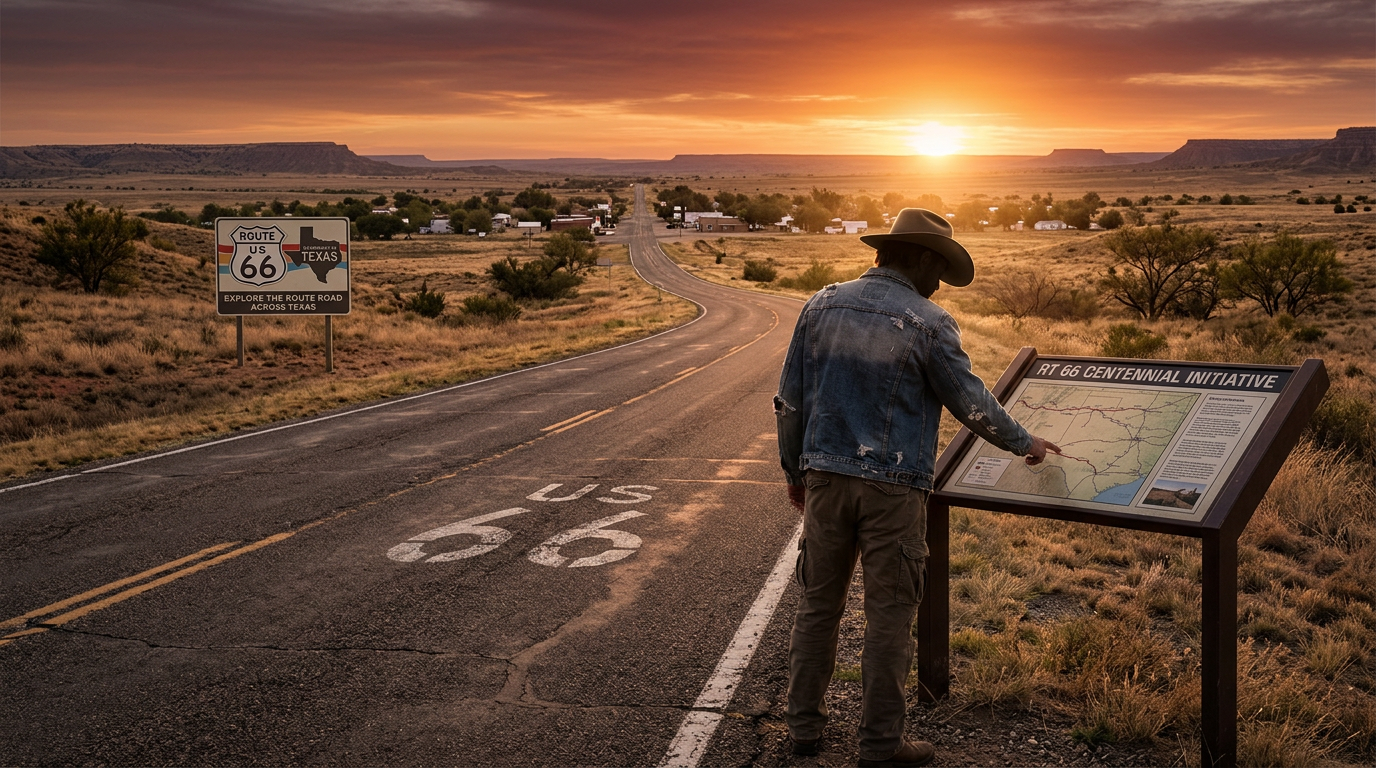
The Texas Department of Transportation (TxDOT) has officially released the 2026 Texas Travel Guide, a comprehensive resource designed to stimulate the state's multibillion-dollar tourism industry. This year’s edition holds particular historical weight as it centers around the 100th anniversary of Route 66, the iconic 'Mother Road' that traverses the Texas Panhandle. For decades, TxDOT has produced this publication to serve as a roadmap for both domestic and international visitors, but the 2026 rollout represents a strategic alignment with national heritage celebrations. The guide serves as a primary marketing tool to funnel travelers into rural communities that often rely on highway traffic for local business longevity. Historically, the Texas Travel Guide has evolved from a simple folder of maps into a high-production magazine that competes with private travel publications. In prior years, the state has focused on the Gulf Coast or the Hill Country, but the 2026 focus shifts northward to commemorate a century of American automotive culture. This initiative follows previous legislative efforts to revitalize historic downtowns along the Route 66 corridor, including significant infrastructure investments in cities like Amarillo and Shamrock. By integrating these historic milestones into the state's official travel documentation, Texas aims to capture a larger share of the commemorative tourism market expected to surge throughout the calendar year.
Texas relevance
Tourism is a critical pillar of the Texas economy, contributing over $80 billion in annual spending and supporting hundreds of thousands of jobs across the Lone Star State. The 2026 Travel Guide specifically impacts the Panhandle region, where cities like Amarillo, Conway, and Vega serve as essential stops for travelers traversing the remains of the historic highway system. This guide acts as a catalyst for local tax revenue, ensuring that out-of-state visitors contribute to the maintenance of Texas roads and public services. Furthermore, the emphasis on the Route 66 Centennial highlights the state's commitment to preserving its distinct cultural identity while promoting modern infrastructure safety through TxDOT’s travel information centers located at various state borders.
The Evolution of the Texas Travel Guide
The Texas Travel Guide has been a staple of the state's outreach efforts for over 70 years, serving as the official manual for navigating the vast geography of the second-largest state in the Union. What began as a strictly utilitarian military-style map has transformed into a curated experience aimed at highlighting the diverse ecosystems and cultural pocket-neighborhoods found from El Paso to Orange. The 2026 edition reflects a significant investment in high-quality photography and long-form narrative content designed to keep travelers within the state borders for longer durations.
TxDOT officials have noted that the guide is not merely about navigation in the age of GPS, but about 'discovery.' Research suggests that while digital tools provide the fastest routes, physical guides encourage the 'slow travel' movement, which leads to higher spending in local gift shops, diners, and historical sites. By providing a physical artifact that travelers can carry, the state creates a lasting connection between the visitor and the Texas landscape, fostering repeat tourism and long-term brand loyalty for the state's travel image.
Centennial Celebrations and Route 66
The year 2026 marks the 100th anniversary of the commissioning of US Route 66, a highway that fundamentally changed the physical and economic landscape of the American West. In Texas, this 179-mile stretch across the Panhandle became the lifeline for communities that otherwise would have remained isolated. The new travel guide provides detailed itineraries for travelers wishing to see the Cadillac Ranch, the Midpoint Café, and the restored Art Deco fuel stations that define the Texas portion of the route.
State historians and travel experts have collaborated to ensure the 2026 guide captures the authenticity of the era. The inclusion of Route 66 is a nod to the resilience of Texas small towns that survived the decommissioning of the old highway system in the 1980s. By placing these landmarks at the forefront of the state's 2026 marketing strategy, TxDOT is signaling that Texas heritage is a primary product for the global tourism market, expecting record-breaking attendance at roadside attractions throughout the year.
Economic Impact of the Panhandle Corridor
While many associate Texas tourism with the Alamo or the beaches of Galveston, the Panhandle corridor represents a vital economic artery. The 2026 Travel Guide serves as a roadmap for directing capital into northern Texas, where agricultural and energy sectors are increasingly supplemented by 'heritage tourism.' The state’s focus on this region is expected to drive significant increases in hotel occupancy rates and short-term rental demand in cities like Amarillo and Lubbock.
The economic ripple effect extends to seasonal events, local festivals, and museum attendance. Small businesses along the I-40 corridor—which largely replaced the original Route 66—are prepping for an influx of international travelers who view the American West as a bucket-list destination. TxDOT’s distribution of the guide at state-line visitor centers ensures that the moment a traveler crosses into Texas, they are presented with a compelling reason to stay longer and explore the northern reaches of the state.
Technological Integration and Accessibility
Despite its focus on a historic highway, the 2026 Texas Travel Guide utilizes modern production standards and digital cross-platform integration. TxDOT has ensured that the physical guide is accompanied by QR codes and interactive elements that allow users to access real-time road conditions, festival schedules, and digital maps. This hybrid approach caters to older generations who prefer paper copies while remaining relevant to younger, tech-savvy 'van-life' travelers who utilize mobile devices for trip planning.
Accessibility is also a key feature of the new guide, with information provided to ensure that travelers with disabilities can navigate Texas’s parks and historic sites with ease. By modernization of the format, TxDOT ensures that the state remains competitive with other major tourism hubs like Florida and California. The guide is distributed for free, a policy aimed at lowering the barrier to entry for families planning budget-friendly road trips across the state’s extensive highway network.
Infrastructure Readiness and Safety
Launching a major tourism push requires more than just marketing; it requires a commitment to highway safety and maintenance. TxDOT has timed the release of the 2026 guide alongside several infrastructure improvements aimed at making the Route 66 corridor safer for increased traffic. This includes improved signage, better-paved shoulder areas for photographers at landmarks, and increased lighting at rest stops. The guide emphasizes the 'Drive Clean Texas' and 'Click It or Ticket' campaigns to ensure that an increase in tourism does not result in a decline in road safety.
Furthermore, the guide provides essential safety information for the diverse climates of Texas. Travelers are educated on everything from Panhandle dust storms to the heat of the Trans-Pecos. By combining tourism promotion with safety education, TxDOT uses the guide as a tool for public service. This dual-purpose strategy ensures that the state’s massive investment in road infrastructure is utilized effectively by informed drivers who respect the laws and the environment of the Lone Star State.
Preserving the 'Mother Road' Legacy
The guide also highlights the importance of historic preservation. Many of the sites featured in the 2026 edition are the result of private-public partnerships aimed at restoring neon signs and vintage architecture. By featuring these locations, the state encourages further investment in historic districts. This preservation effort is not just about nostalgia; it is about maintaining unique local identities in an era of national chain-store homogenization. The guide helps tell the story of the individuals and families who have kept these roadside icons alive.
As the 2026 centennial approaches, the Texas Travel Guide will be the primary document used by international tour operators to plan excursions. European and Asian travelers, in particular, show a high interest in the American highway experience. The guide’s detailed breakdown of the Texas Panhandle ensures that these high-spending international visitors see Texas as a premier 'Old West' destination. This global reach further solidifies the role of the travel guide as a vital instrument of the state's economic diplomacy.
Analysis
The decision to center the 2026 guide on Route 66 is a savvy move by state planners to capitalize on a once-in-a-century marketing opportunity. While metropolitan hubs like Austin and Dallas carry their own weight via business tourism, the 'Mother Road' theme specifically targets the revitalization of rural Texas. This alignment suggests that TxDOT is looking beyond simple transportation and acting as a primary driver for economic development in counties that are often overlooked by major industrial investments. By framing the state’s history through the lens of the open road, Texas reinforces its image as the ultimate destination for personal freedom and exploration, a brand identity that has historically paid dividends in attracting new residents and businesses alike.
Source attribution
This story was reported using a public release from the Texas Travel Stories (Google News). Keep TX Red rewrote the coverage independently and links to the official statement for verification.
Frequently Asked Questions
- Where can I get a copy of the 2026 Texas Travel Guide?
- The guide is available for free at all Texas Travel Information Centers located at state borders, or it can be ordered directly from the TxDOT website for delivery. Digital versions are also accessible for mobile users.
- Why is the 2026 edition special?
- The 2026 edition commemorates the Centennial of Route 66, featuring special sections on the history, culture, and landmarks of the road that runs through the Texas Panhandle.
- How does this guide help the Texas economy?
- By promoting local businesses and off-the-beaten-path destinations, the guide helps distribute tourism dollars to rural communities and supports the state's multibillion-dollar travel industry.
- Is the guide only about Route 66?
- No, while Route 66 is a major theme for 2026, the guide covers all regions of Texas, including the Gulf Coast, Hill Country, Piney Woods, and Big Bend, providing a full picture of the state's attractions.
Official Sources
Take the next step
Browse the Newsroom →Read more about Keep Texas Red → Our full guide to what Keep Texas Red means and why Texans support it.
Related Articles

Get Texas updates delivered weekly.
Independent Texas reporting on politics, policy, and daily life. One email a week. Unsubscribe anytime.
Keep TX Red Newsroom
The Keep Texas Red Editorial Staff produces nonpartisan explainers, policy breakdowns, and educational resources to help Texans understand how their government works. All content is reviewed for accuracy and updated regularly.
About Keep TX Red →