Fredericksburg Spring Travel Guide: Why the Texas Hill County is the Top Destination for Seasonal Visitors
Discover why Fredericksburg is the premier spring destination in Texas, featuring bluebonnets, local vineyards, and rich German heritage.
Editorial disclaimer: Opinions and analysis on Keep TX Red are editorial content — not statements of fact. See our editorial standards.
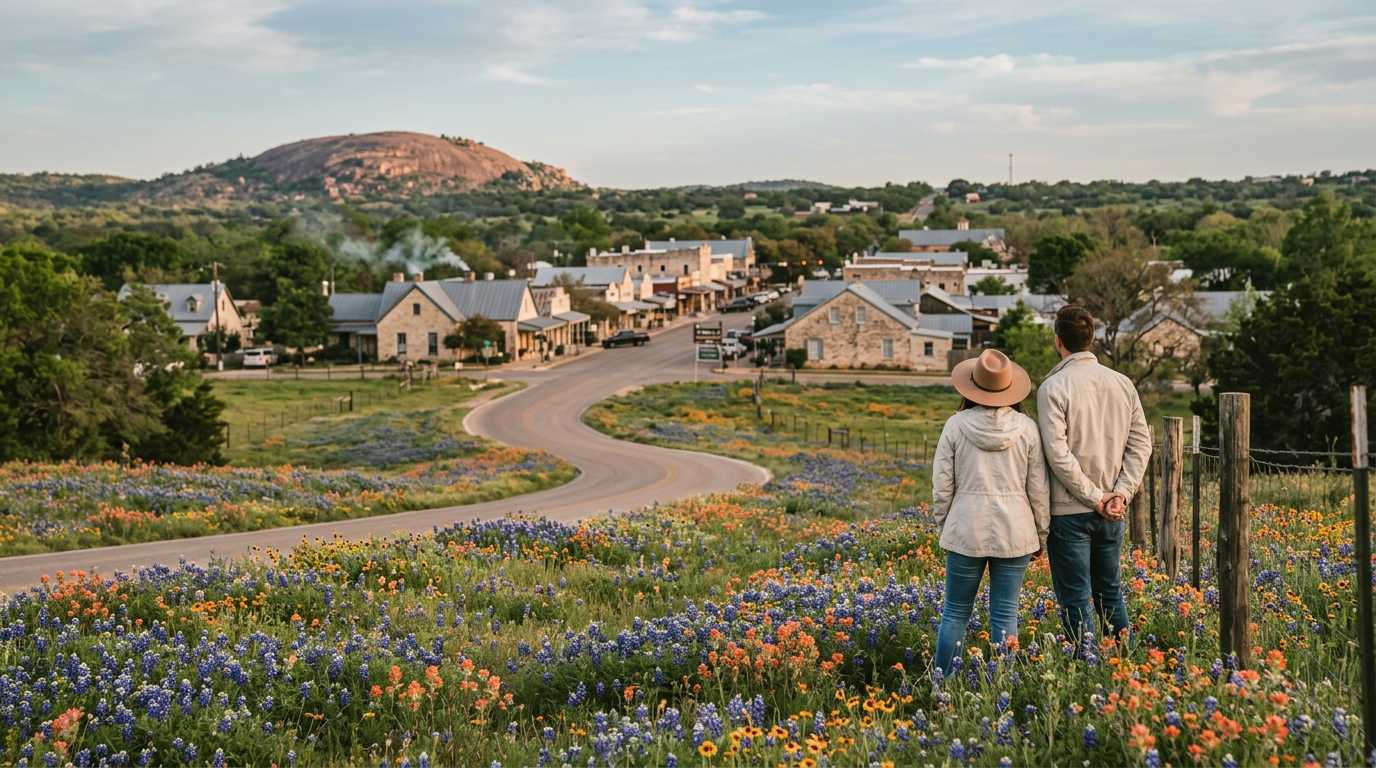
As temperatures begin to moderate and the iconic Texas wildfowers emerge, Fredericksburg has solidified its reputation as the state's most recommended spring destination. Historically, the Texas Hill Country has served as a central hub for seasonal tourism, drawing millions to its rolling landscapes and granite outcrops. This specific region of Gillespie County was founded by German immigrants in the mid-19th century, creating a unique aesthetic that blends European tradition with rugged frontier architecture. In recent years, the infrastructure of the area has evolved significantly to accommodate a surge in domestic travelers seeking outdoor recreation and cultural immersion. The spring season specifically marks the peak of the bluebonnet bloom, a natural phenomenon that serves as a cornerstone of the local economy and a primary draw for photographers and nature enthusiasts alike. Beyond its natural beauty, the town of Fredericksburg operates as an anchor for the surrounding agricultural and viticultural sectors. The spring months provide the ideal climate for exploring the burgeoning wine industry, which now ranks among the most productive in the United States outside of California. Local businesses and state park officials anticipate high traffic volumes throughout the season, particularly during the transition from late March through early May. Visitors are encouraged to engage with both the historical downtown district and the surrounding natural landmarks, such as the massive pink granite batholith of Enchanted Rock State Natural Area. The convergence of historical preservation, modern luxury, and environmental stewardship makes this region a unique case study in Texas tourism sustainability.
Texas relevance
Fredericksburg is fundamentally tied to the Texas identity through its conservation efforts and its role as the 'Peach Capital' of the state. The economic health of the Hill Country relies heavily on the seasonal influx of visitors from major Texas metros like Austin, San Antonio, and Houston. Furthermore, the preservation of the Nimitz Museum and the National Museum of the Pacific War in downtown Fredericksburg connects the town to larger themes of Texas military history and patriotism. For Texans, this area represents more than just a vacation spot; it is a critical intersection of agricultural heritage and modern economic diversification.
The Impact of the Bluebonnet Season on Local Ecology
The emergence of bluebonnets in the Texas Hill Country is not merely an aesthetic event; it is a vital part of the local ecosystem. These native wildflowers, specifically the Lupinus texensis, act as nitrogen fixers for the soil, enriching the ground for other native plant species and local agriculture. When visitors flock to the Fredericksburg area in the spring, they are witnessing a delicate biological cycle that sustains the region's diverse wildlife, from pollinators like honeybees to migratory bird species.
Conservationists emphasize that the health of these wildflower populations depends on responsible tourism. State officials and local landowners often coordinate to ensure that the influx of foot traffic does not damage the sensitive seedlings or the root systems of the surrounding flora. By focusing on designated trails and respecting private property, spring visitors contribute to the ongoing success of the state’s most famous botanical display. The ecological balance of the region remains a top priority for locals who understand that the environment is their most valuable asset.
Historical Foundations and German Heritage
Fredericksburg’s distinct atmosphere is the result of nearly two centuries of cultural preservation. Established in 1846 by the Adelsverein, or the Society for the Protection of German Immigrants, the town maintained its language and customs far longer than many other immigrant settlements in the United States. This heritage is visible today in the 'Sunday Houses'—tiny dwellings built by farmers and ranchers for their weekend trips into town—and the meticulously preserved stone buildings that line the historic district.
The preservation of the German dialect known as 'Texas German' remains a point of interest for linguists and historians. While the number of native speakers has declined, the cultural influence persists through local festivals, culinary traditions, and architectural standards. This commitment to maintaining a link to the past provides a sense of continuity that many travelers find appealing during a time of rapid modernization across the state. The town's historical society plays a pivotal role in ensuring that new developments do not overshadow the ancestral roots of the community.
The Evolution of Texas Wine Country
What was once a niche agricultural experiment has blossomed into a primary driver of the Fredericksburg economy. The Highway 290 Wine Trail now features dozens of wineries, meaderies, and distilleries that utilize Texas-grown grapes and grains. Spring is a particularly active time for these establishments, as it marks the beginning of the growing season and the release of new vintages. The industry has provided a sustainable alternative for land use that might otherwise be lost to residential sprawl.
The viticulture in this region is uniquely adapted to the harsh Texas climate, with many growers selecting Mediterranean and Spanish varietals that thrive in the local soil. This diversification has helped insulation the Gillespie County economy from fluctuations in other sectors. For the traveler, this means access to world-class tasting rooms and educational tours that highlight the science and labor behind Texas bottle production. The symbiotic relationship between the wineries and local hospitality ensures a robust visitor experience.
Outdoor Recreation at Enchanted Rock
Located just north of the city, Enchanted Rock State Natural Area remains one of the most visited sites in the Texas State Park system. The massive pink granite dome offers panoramic views of the Hill Country that are especially striking during the temperate spring days. Hiking, rock climbing, and stargazing are the primary activities, drawing a demographic that values physical activity and disconnection from digital environments. Given its popularity, the park has implemented a reservation system to manage capacity and protect the fragile vernal pools atop the summit.
These vernal pools are home to fairy shrimp, a unique species that survives the dry months as eggs and hatches once the pools fill with spring rain. This intersection of geological marvel and rare biology makes Enchanted Rock a classroom for those interested in natural history. The park serves as a reminder of the rugged terrain that early settlers had to navigate and remains a testament to the state's commitment to preserving majestic landmarks for public enjoyment.
Culinary Traditions and Modern Texas Fare
The culinary landscape of Fredericksburg is a reflection of its dual identity as a German settlement and a modern Texas destination. Visitors often find themselves choosing between traditional schnitzels and bratwursts or upscale modern Southern cuisine that features locally sourced ingredients. The 'farm-to-table' movement is not a trend here but a long-standing way of life, supported by the numerous orchards and ranches that surround the town.
Springtime also heralds the beginning of the peach season, with roadside stands offering early-season produce that has become synonymous with the region. This availability of fresh, local food enhances the overall travel experience and supports the local agricultural community. Many restaurant owners in the area prioritize partnerships with local growers, ensuring that the economic benefits of tourism are shared across the county's various primary industries.
Main Street Commerce and Local Artistry
Fredericksburg’s Main Street is notable for its absence of major national chain stores, a deliberate choice that has allowed independent boutiques and galleries to thrive. This commercial strategy provides an authentic shopping experience where visitors can find handmade leather goods, custom jewelry, and original works by Texas artists. The spring season often brings outdoor art festivals and craft fairs that turn the town center into a vibrant hub of activity.
Supporting these local artisans is crucial for maintaining the unique character of the town. These small businesses are the backbone of the community, providing jobs and fostering a sense of pride in local craftsmanship. For the spring traveler, the opportunity to purchase a unique item that carries the story of its maker is a significant draw. This commitment to local commerce ensures that the economic impact of the spring travel surge filtered directly back into the local community.
Analysis
The continued popularity of Fredericksburg highlights a broader trend in Texas toward 'slow tourism' and the valuation of rural heritage. While urban centers continue to expand, the preservation of Gillespie County's open spaces and the revitalization of Main Street serve as a blueprint for other historic Texas towns. However, the surge in popularity also brings challenges, including infrastructure strain and the need for balanced land use between tourism and traditional ranching. Supporting these local economies during peak seasons ensures that the cultural fabric of the Hill Country remains intact for future generations of Texans.
Source attribution
This story was reported using a public release from the Texas Travel Stories (Google News). Keep TX Red rewrote the coverage independently and links to the official statement for verification.
Frequently Asked Questions
- When is the best time to see bluebonnets near Fredericksburg?
- The peak bloom traditionally occurs between late March and mid-April, though this can vary slightly based on winter rainfall and temperature patterns.
- Do I need reservations to visit Enchanted Rock State Natural Area?
- Yes, it is highly recommended to book your day pass or camping reservation in advance through the Texas Parks and Wildlife website, as the park frequently reaches capacity during the spring.
- Are the wineries in Fredericksburg family-friendly?
- Many wineries along the Highway 290 trail offer outdoor spaces and family-oriented atmospheres, though some tasting rooms may have age restrictions or specific rules for minors.
Official Sources
Take the next step
Browse the Newsroom →Read more about Keep Texas Red → Our full guide to what Keep Texas Red means and why Texans support it.
Related Articles

Get Texas updates delivered weekly.
Independent Texas reporting on politics, policy, and daily life. One email a week. Unsubscribe anytime.
Keep TX Red Newsroom
The Keep Texas Red Editorial Staff produces nonpartisan explainers, policy breakdowns, and educational resources to help Texans understand how their government works. All content is reviewed for accuracy and updated regularly.
About Keep TX Red →