State Library Unveils America250 Texas Exhibition Featuring Rare Historical Manuscripts
The Texas State Library launches a major exhibit for the America250 celebration, showcasing rare documents that shaped the Lone Star State's history.
Editorial disclaimer: Opinions and analysis on Keep TX Red are editorial content — not statements of fact. See our editorial standards.
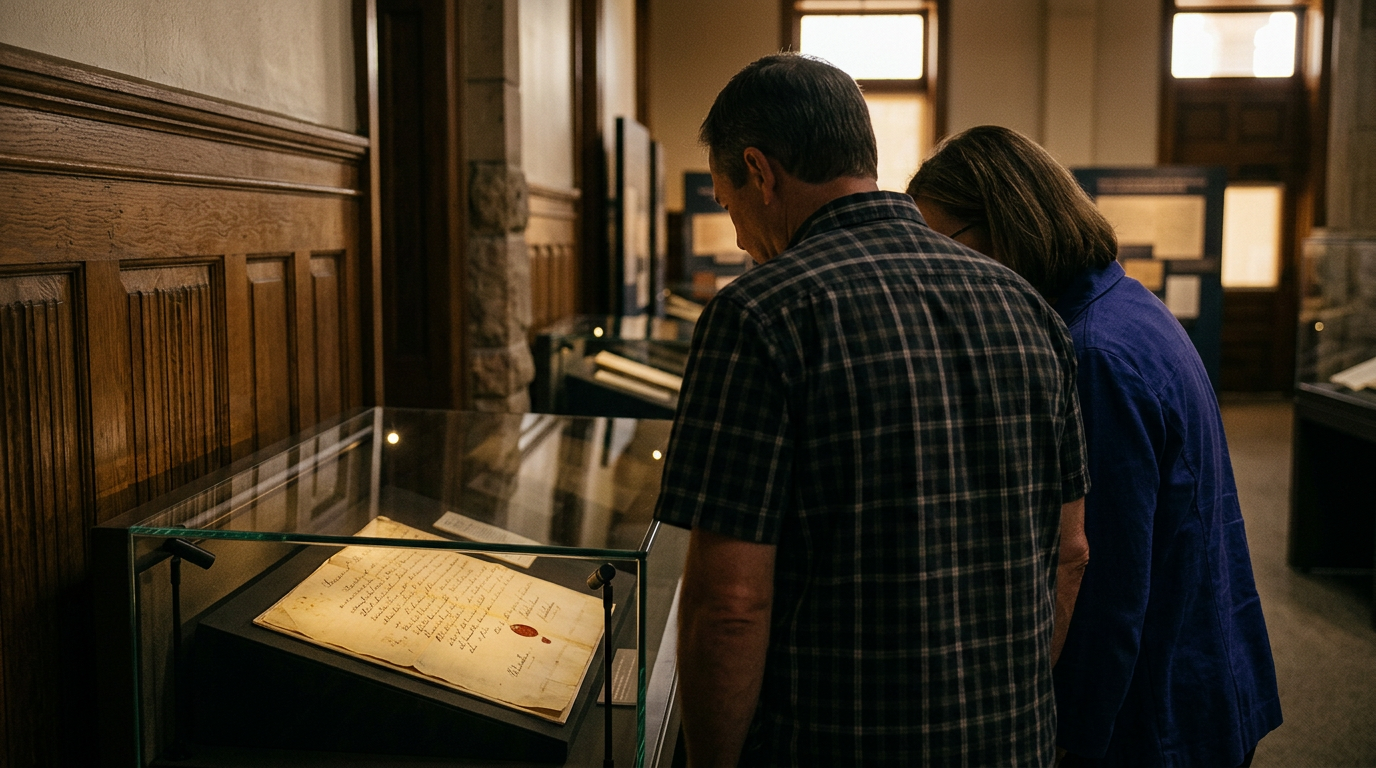
The Texas State Library and Archives Commission (TSLAC) has officially launched a premier exhibition titled 'Texas America250,' featuring a curated collection of foundational documents that trace the state's trajectory from a colonial frontier to a modern powerhouse. This initiative coincides with the nationwide preparations for the 250th anniversary of the United States. Unlike traditional static displays, this exhibit focuses on the intersection of Texas’s unique path to independence and its integration into the American democratic experiment. Historically, the Texas State Library has served as the guardian of the state's most sensitive and significant papers, many of which are too fragile for permanent display. This new installation represents a rare opportunity for the public to view primary sources that are usually secured within climate-controlled vaults in Austin. Context for this event dates back to the establishment of the Texas State Library in 1839 during the Republic era. The agency was created to preserve the records of a new nation, and its mission has expanded over nearly two centuries to encompass the cultural heritage of millions of Texans. In previous decades, major anniversaries like the 1936 Centennial or the 1986 Sesquicentennial were marked by similar civic investments in history. The 'Texas America250' project follows this tradition by utilizing state-of-the-art archival preservation technology to safely present parchment and ink that have survived wars, revolutions, and the harsh Texas elements. By showcasing these artifacts now, the state aims to foster a deeper understanding of how Texas's idiosyncratic political evolution contributed to the broader narrative of American liberty.
Texas relevance
This exhibition is profoundly relevant to Texas as it centralizes the state's identity within the broader American story. While many Eastern states focus on the 1776 timeframe, Texas offers a distinct perspective on the expansion of freedom and the complexities of the 19th-century frontier. Residents of Austin and visitors from across the 254 counties can witness firsthand the actual signatures and decrees that governed their ancestors. It provides a tangible link to the past for local educators, students, and history enthusiasts who seek to understand the administrative and legal foundations of the Lone Star State. Furthermore, it highlights the work of the TSLAC, a critical Austin-based institution that manages the vast documentary heritage of the state government.
The Core Collection: Preserving Texas Sovereignty
At the heart of the exhibit are documents that define the transition of Texas from a department of Mexico to an independent republic and eventually a state. These records include legislative acts, personal letters from iconic figures, and official maps that charted the changing borders of the region. Archival specialists have painstakingly reviewed each piece to ensure it can withstand the lighting and environmental conditions of the public gallery.
The collection emphasizes the administrative reality of building a new government. While textbooks often focus on battles like the Alamo or San Jacinto, these documents show the 'paper trail' of governance—how taxes were levied, how land was granted to veterans, and how the first laws of the Republic were codified. This focus on the intellectual and legal infrastructure of early Texas provides a sophisticated look at the state's founding generation.
Visitors will find that the exhibit highlights the multicultural aspects of early Texas record-keeping. Because the region was under Spanish and Mexican control for centuries, the early archives often feature a blend of Spanish and English scripts. This linguistic transition mirrors the demographic and political shifts that occurred as settlers from the United States began to move into the territory during the 1820s and 1830s.
Technological Advancements in Document Display
Displaying 19th-century paper requires more than just a glass case; it requires a controlled environment that prevents degradation from ultraviolet light and humidity. The Texas State Library has utilized new LED lighting systems that emit zero UV rays, ensuring that the ink on these priceless documents does not fade during the duration of the exhibit. This technical precision allows the public to see details like original seals and wax stamps that are often obscured in digital scans.
In addition to the physical artifacts, the exhibit incorporates digital kiosks that allow for high-resolution zooming. This is particularly important for documents with fine print or those written in the cramped, cursive hands of the 1800s. Accessibility is a primary goal, ensuring that those with visual impairments or those who cannot lean over display cases can still engage with the primary source material through these secondary digital interfaces.
The TSLAC has also prioritized the preservation of the chemical integrity of the documents. Special acid-free mounting supplies and custom-built frames prevent any chemical migration that could damage the fibers of the historic paper. By investing in these high-end display materials, the library ensures that these documents remain in pristine condition for another 250 years of Texas history.
Educational Impact for Texas Schools
One of the primary drivers behind the 'Texas America250' exhibit is its alignment with state social studies standards. The Texas Education Agency (TEA) requires students to understand the landmark documents of Texas and U.S. history. By providing a physical destination for school field trips, the state library transforms abstract concepts found in social studies books into tangible realities for thousands of Texas students.
Educational groups visiting the Lorenzo de Zavala State Archives and Library Building will receive specialized guides that connect the documents in the exhibit to specific curriculum goals. These materials help students identify the themes of individual rights, constitutional government, and civic responsibility that are embedded in the state's founding papers. This hands-on exposure is known to increase retention and interest in civic engagement among younger generations.
Expanding beyond the physical walls in Austin, the state library is also promoting digital versions of these documents for classrooms in rural areas from the Panhandle to the Rio Grande Valley. This 'virtual exhibition' ensures that every student in the state, regardless of their proximity to the capital, can participate in the America250 celebration and learn about their state's heritage through original evidence.
Strategic Alignment with National 2026 Goals
The U.S. Semiquincentennial Commission was established by Congress to coordinate the 250th anniversary of the signing of the Declaration of Independence. Texas has been proactive in setting up its own state-level planning to ensure that the unique story of the West is included in the national festivities. The library's exhibit serves as a cornerstone for these statewide efforts, providing a central location for the most important physical evidence of the era.
This alignment also opens doors for inter-state collaborations. The Texas State Library frequently communicates with the National Archives and other state archival institutions to track the movement of documents and share best practices for anniversary programming. By participating in the America250 framework, Texas can showcase how its history of rugged individualism and resilient governance fits into the broader American mosaic of diversity and unity.
State leaders have noted that the 2026 milestone is not just about looking backward, but also about reinforcing the values that will carry the state forward. By highlighting the durability of the state's founding documents, the exhibit serves as a metaphor for the enduring nature of the Texan spirit. It provides a common ground for citizens of all backgrounds to reflect on the shared history that binds them as Texans and Americans.
The Role of the Lorenzo de Zavala Building
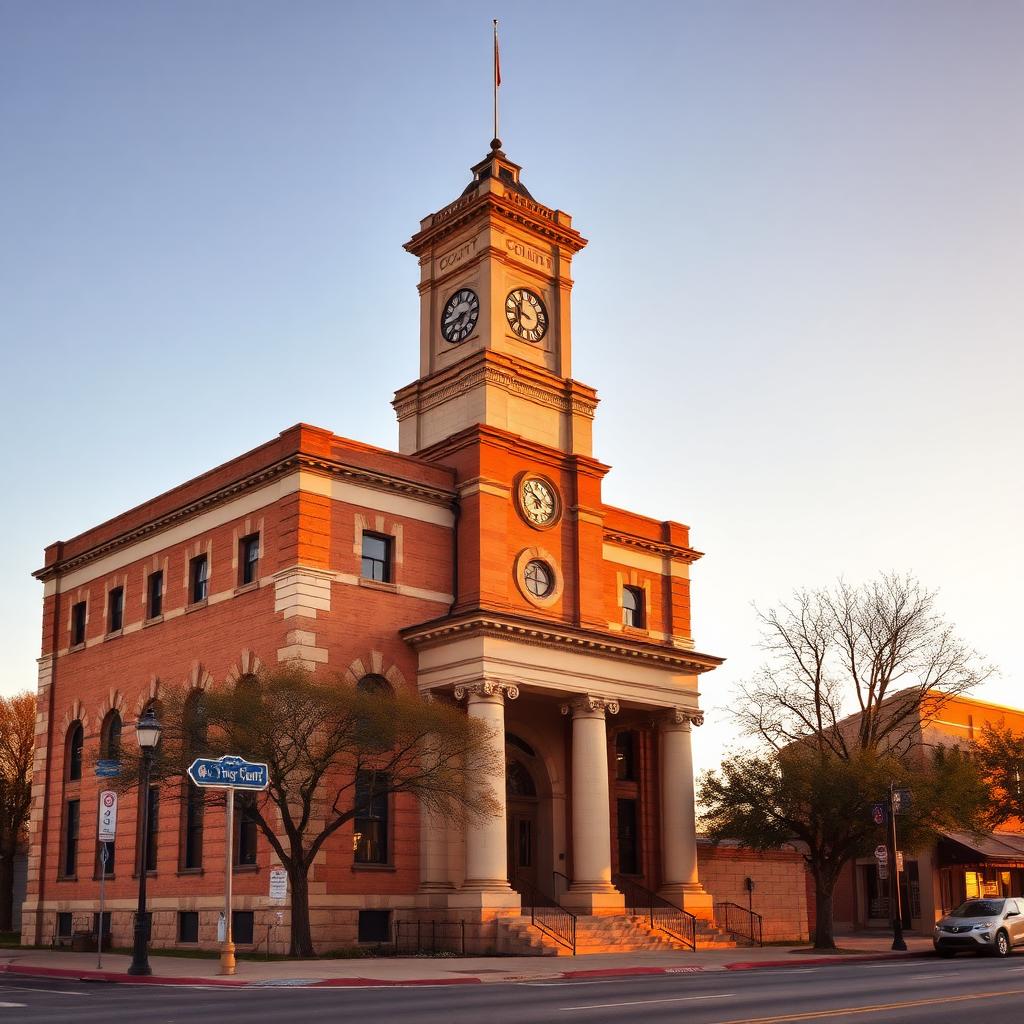
The exhibit is housed in the iconic Lorenzo de Zavala State Archives and Library Building, located just east of the Texas State Capitol. Named after the first Vice President of the Republic of Texas, the building itself is a monument to the state's history. Its grand facade and mural-adorned lobby provide a fitting backdrop for the 'Texas America250' display, creating an immersive atmosphere for visitors as they enter the halls of memory.
The building serves as the nerve center for the TSLAC, housing millions of miles of microfilm and millions of pages of paper records. Hosting the exhibit here allows visitors to see the active work of archivists and librarians who work daily to catalog and protect the state's information assets. It reinforces the idea that history is a living, breathing field of study that requires constant maintenance and professional expertise.
For those planning a visit, the building offers more than just the temporary exhibit. The permanent displays of the six flags over Texas and the massive mosaic murals reflecting the state's progress offer a comprehensive view of the Texas story. The 'Texas America250' installation acts as the latest chapter in this ongoing narrative, drawing new crowds to a building that has stood as a guardian of Texas lore since its completion in the early 1960s.
Analysis
Opinion: The decision to showcase these documents ahead of the 2026 national semiquincentennial is a strategic move by Texas leadership to ensure the state’s voice is not drowned out by East Coast-centric narratives. Often, national celebrations of 'America250' focus heavily on the original thirteen colonies. However, by putting these rare documents on display, Texas asserts that its own struggle for independence and its subsequent statehood are essential chapters in the American saga. This is more than a history lesson; it is a statement of cultural confidence. It reminds both residents and outsiders that Texas possesses a distinct legal and social pedigree that warrants equal footing in any national conversation about the roots of American democracy.
Source attribution
This story was reported using a public release from the Texas History Stories (Google News). Keep TX Red rewrote the coverage independently and links to the official statement for verification.
Frequently Asked Questions
- Where is the Texas America250 exhibit located?
- The exhibit is held at the Lorenzo de Zavala State Archives and Library Building in Austin, Texas, situated conveniently next to the State Capitol complex.
- Is there a cost to view these historical documents?
- General admission to the Texas State Library and Archives Commission's public exhibit areas is typically free to the public during their normal operating hours, making it an accessible resource for all Texans.
- How long will these specific documents be on display?
- While specific end dates vary based on preservation needs, the America250 themed exhibits are part of a multi-year lead-up to the 2026 national anniversary. However, individual documents may be rotated to protect them from light exposure.
Official Sources
Take the next step
Browse the Newsroom →Read more about Keep Texas Red → Our full guide to what Keep Texas Red means and why Texans support it.
Related Articles


Get Texas updates delivered weekly.
Independent Texas reporting on politics, policy, and daily life. One email a week. Unsubscribe anytime.
Keep TX Red Newsroom
The Keep Texas Red Editorial Staff produces nonpartisan explainers, policy breakdowns, and educational resources to help Texans understand how their government works. All content is reviewed for accuracy and updated regularly.
About Keep TX Red →