Federal Endangered Species Protection Granted to Six Rare Texas Freshwater Mussels
Six unique Texas mussel species are now federally protected under the Endangered Species Act to preserve Central and East Texas river ecosystems.
Editorial disclaimer: Opinions and analysis on Keep TX Red are editorial content — not statements of fact. See our editorial standards.
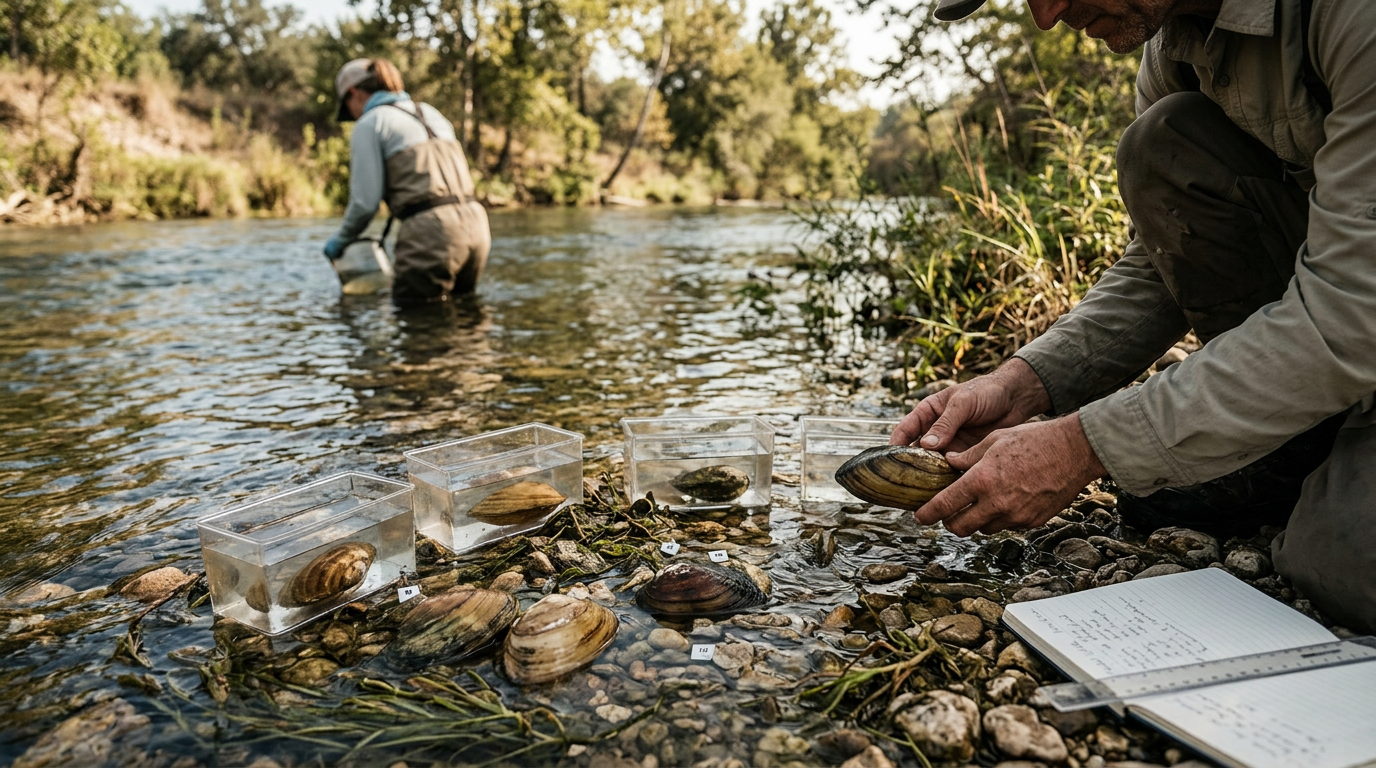
The U.S. Fish and Wildlife Service has officially designated six species of freshwater mussels, which are found exclusively within the state of Texas, as endangered under the Endangered Species Act. This federal listing follows years of scientific review and environmental advocacy aimed at protecting the biodiversity of Texas waterways. Historically, Texas has been home to a vast array of freshwater mollusks that serve as vital biological indicators of water quality. However, habitat degradation, increased sedimentation, and changes in water flow have decimated populations that once thrived in the state's major river basins. This specific action focuses on species located within the Central and East Texas regions, where urban sprawl and industrial water usage have significantly altered the natural aquatic landscape. By granting these mussels endangered status, the federal government is mandating new conservation protocols that will impact how land and water resources are managed in the affected regions. The move is designed to prevent these unique biological entities from sliding into total extinction, marking a significant milestone in the state’s long-term environmental management history.
Texas relevance
This ruling is of paramount importance to Texas because these six species are endemic to the state, meaning they exist nowhere else on Earth. The designated habitats span across major Texas waterways including the Brazos, Colorado, Guadalupe, and Trinity rivers, touching numerous counties and municipalities. For Texas landowners, agricultural producers, and river authorities, this federal oversight could influence future water diversion projects, infrastructure development, and land use permits. The health of these mussels is directly linked to the health of the water supply used by millions of Texans. As these rivers provide the lifeblood for both rural farming communities and booming metropolitan areas like Austin and Fort Worth, the conservation of indicator species like these mussels is a matter of long-term ecological and economic stability for the Lone Star State.
The Six Unique Species Identified
The specific mussels added to the endangered list include the Texas Pimpleback, the Texas Fawnsfoot, the False Spike, the Texas Fatmucket, the Guadalupe Orb, and the Guadalupe Fatmucket. Each of these species has evolved to inhabit specific niches within Texas river systems, varying from the rocky bottoms of the Guadalupe River to the silty reaches of the Brazos. Their physical characteristics, such as shell thickness and shape, are adaptations to the unique flow patterns of Texas water bodies.
Scientists emphasize that these mussels are not just sedentary rocks; they are active filter feeders. A single mussel can filter gallons of water per day, removing bacteria, algae, and pollutants. By performing this function, they improve the clarity and quality of the water for other aquatic life, including popular game fish that drive the Texas recreational fishing industry. The loss of these species would mean the loss of a free, natural water purification system that the state currently relies on.
The designation follows a protracted legal and scientific process. The U.S. Fish and Wildlife Service conducted extensive field surveys to determine the remaining population clusters. In many cases, they found that the mussels were confined to a fraction of their historical range. For example, the False Spike was once widespread but is now found in only a few isolated segments of the Rio Grande and Brazos basins, making it highly vulnerable to localized environmental disasters.
Drivers of Population Decline
The primary threat to these Texas mussels is the alteration of natural river flows. The construction of dams and reservoirs, while essential for the state’s water storage and hydroelectric needs, changes the temperature and oxygen levels of the water downstream. Mussels are particularly sensitive to these changes because they cannot move long distances to find better conditions. When a river segment becomes too stagnant or too warm, entire colonies can be wiped out in a single season.
Pollution from agricultural runoff and urban centers also plays a major role. Excess fertilizers and chemicals lead to nutrient loading, which can cause oxygen-depleting algal blooms. Additionally, increased sedimentation from construction activities can bury mussel beds, suffocating the organisms. In East Texas, the silting of riverbeds has become a significant barrier to the reproduction of these species, as they require stable, clean substrates to host their larvae.
Climate change and the increasing frequency of severe droughts in Texas have exacerbated these issues. During periods of low flow, pollutants become more concentrated, and water temperatures can reach lethal levels for sensitive mollusks. The combination of human-induced habitat change and natural weather extremes has created a 'perfect storm' that necessitated federal intervention to ensure the species' survival.
Impact on Texas Water Policy
The federal listing will likely trigger the designation of 'critical habitat' in various Texas river basins. Once a geographic area is labeled as critical habitat, any project involving federal funding or permits—such as bridge construction, pipeline laying, or large-scale water diversion—must undergo a formal consultation process to ensure the activity does not harm the mussels or their environment. This adds a layer of scrutiny to future infrastructure planning across the state.
Texas river authorities, such as the Lower Colorado River Authority (LCRA) and the Brazos River Authority (BRA), will need to integrate these conservation requirements into their long-term management plans. This may involve adjusting the timing and volume of water releases from dams to mimic natural flow patterns more closely. While this can help the mussels, it requires careful coordination to ensure that municipal water supplies and agricultural needs are still met during dry spells.
State agencies like the Texas Parks and Wildlife Department (TPWD) have already been proactive in researching these species. The federal mandate will likely bring additional funding for state-led captive breeding programs. Similar to efforts for other endangered species, researchers may attempt to raise these mussels in hatcheries and reintroduce them into restored sections of their native rivers, a process that has seen success in other parts of the country.
The Role of Landowners and the Public
Private property rights are a major consideration in Texas, where the vast majority of land is privately owned. The U.S. Fish and Wildlife Service has indicated that they intend to work with landowners through voluntary conservation agreements. These programs, often called Candidate Conservation Agreements with Assurances (CCAA), allow landowners to implement conservation measures on their property in exchange for protection from future regulatory surprises if the species' status changes.
Public awareness is also a key component of the recovery plan. Many Texans are unaware that these rare creatures exist beneath the surface of their local swimming holes and fishing spots. Educational campaigns aim to inform the public about the importance of reducing chemical runoff and preventing the spread of invasive species, like zebra mussels, which compete with native mussels for resources and can physically smother them.
Citizen science initiatives may also play a role in monitoring these populations. By encouraging boaters and hikers to report sightings of unusual shells or live mussels, state biologists can gather more data on the current reach of these species. Protecting the 'hidden' biodiversity of Texas requires a collective effort from both the government and the residents who live alongside these vital waterways.
Economic Considerations and Mitigation
There is an undeniable economic cost associated with protecting endangered species. Project delays and the requirement for environmental impact studies can increase the price tag of public works projects. However, proponents of the listing argue that the long-term cost of losing these species—and the resulting degradation of water quality—would be much higher. The goal is to find a middle ground where economic growth and environmental stewardship can coexist.
One potential solution being explored in Texas is the use of 'conservation banks.' These are large tracts of restored habitat that are permanently protected. Developers whose projects might negatively impact mussel populations can purchase 'credits' from these banks to offset their environmental footprint. This market-based approach provides an incentive for large-scale habitat restoration while allowing necessary development to proceed in other areas.
The fishing and tourism industries in Texas also have a stake in this ruling. Clean rivers are a draw for millions of tourists who visit places like the Guadalupe River for tubing and fishing. By ensuring the health of the mussels, the state is effectively protecting the primary attraction of these regions. A river that can support a healthy population of native mussels is a river that is safe and attractive for human recreation.
Looking Ahead to Recovery
The ultimate goal of the Endangered Species Act is not just to prevent extinction, but to recover species to the point where federal protection is no longer necessary. This will require a multi-decade commitment from state and federal agencies. Recovery plans will involve specific benchmarks for population size and habitat quality that must be met before a delisting can be considered.
Technological advancements in water filtration and precision agriculture may help reduce the environmental pressures on these six species. As Texas continues to innovate in how it manages its water, there is hope that the populations of the Texas Pimpleback, False Spike, and others will stabilize and eventually thrive. The success of these efforts will serve as a testament to Texas's ability to preserve its unique natural heritage for future generations.
For now, the listing serves as a stark reminder of the fragile state of our freshwater ecosystems. It highlights the need for a holistic approach to water management that considers the needs of all residents—both human and aquatic. As the state moves forward, the presence of these six rare mussels will be a constant factor in the dialogue surrounding the future of Texas water.
Analysis
OPINION: While the protection of native Texas wildlife is a noble and necessary goal, the federal designation of endangered status often brings a complex layer of bureaucratic red tape that can stifle local control over water resources. The challenge for Texas lawmakers and environmental agencies will be balancing the stringent requirements of the Endangered Species Act with the infrastructure needs of a rapidly growing population. There is a concern among some stakeholders that these listings could be used as leverage to stall essential water projects or property development. However, from a conservationist standpoint, these mussels act as the 'canaries in the coal mine' for our river systems. If the water quality is poor enough to kill off native mollusks, it eventually poses a risk to human consumption and livestock. The best path forward for Texas is a collaborative approach where state-led conservation initiatives are robust enough to satisfy federal oversight while protecting the private property rights that are fundamental to the Texas economy.
Source attribution
This story was reported using a public release from the Unusual Texas / Only In Texas (Google News). Keep TX Red rewrote the coverage independently and links to the official statement for verification.
Frequently Asked Questions
- What specific mussels were listed as endangered?
- The six species are the Texas Pimpleback, Texas Fawnsfoot, False Spike, Texas Fatmucket, Guadalupe Orb, and Guadalupe Fatmucket. All six are endemic to Texas, meaning they are found nowhere else in the world.
- How does this affect private landowners in Texas?
- Landowners are encouraged to participate in voluntary conservation programs. While federal listing can increase oversight for projects involving federal permits or funds, the U.S. Fish and Wildlife Service seeks to work cooperatively with property owners to manage habitats without imposing undue burdens.
- Why are these mussels important to the average Texan?
- Mussels are essential for maintaining clean water. They filter out pollutants and bacteria, which helps keep rivers safe for swimming, fishing, and municipal use. Their health is a direct indicator of the health of the water supply we all rely on.
- Will this stop new construction or water projects in Texas?
- It is unlikely to stop projects entirely, but it will require more rigorous environmental reviews and potential mitigation efforts. This ensures that new developments do not lead to the total extinction of these unique Texas species.
Official Sources
Take the next step
Browse the Newsroom →Read more about Keep Texas Red → Our full guide to what Keep Texas Red means and why Texans support it.
Related Articles


Get Texas updates delivered weekly.
Independent Texas reporting on politics, policy, and daily life. One email a week. Unsubscribe anytime.
Keep TX Red Newsroom
The Keep Texas Red Editorial Staff produces nonpartisan explainers, policy breakdowns, and educational resources to help Texans understand how their government works. All content is reviewed for accuracy and updated regularly.
About Keep TX Red →