Lone Star State Brewmaster Sparks Viral Sensation With Unique Pickle-Infused Craft Beer
Texas-based Martin House Brewing Company introduces a sour pickle beer, expanding the state's influence in the experimental craft beverage market.
Editorial disclaimer: Opinions and analysis on Keep TX Red are editorial content — not statements of fact. See our editorial standards.
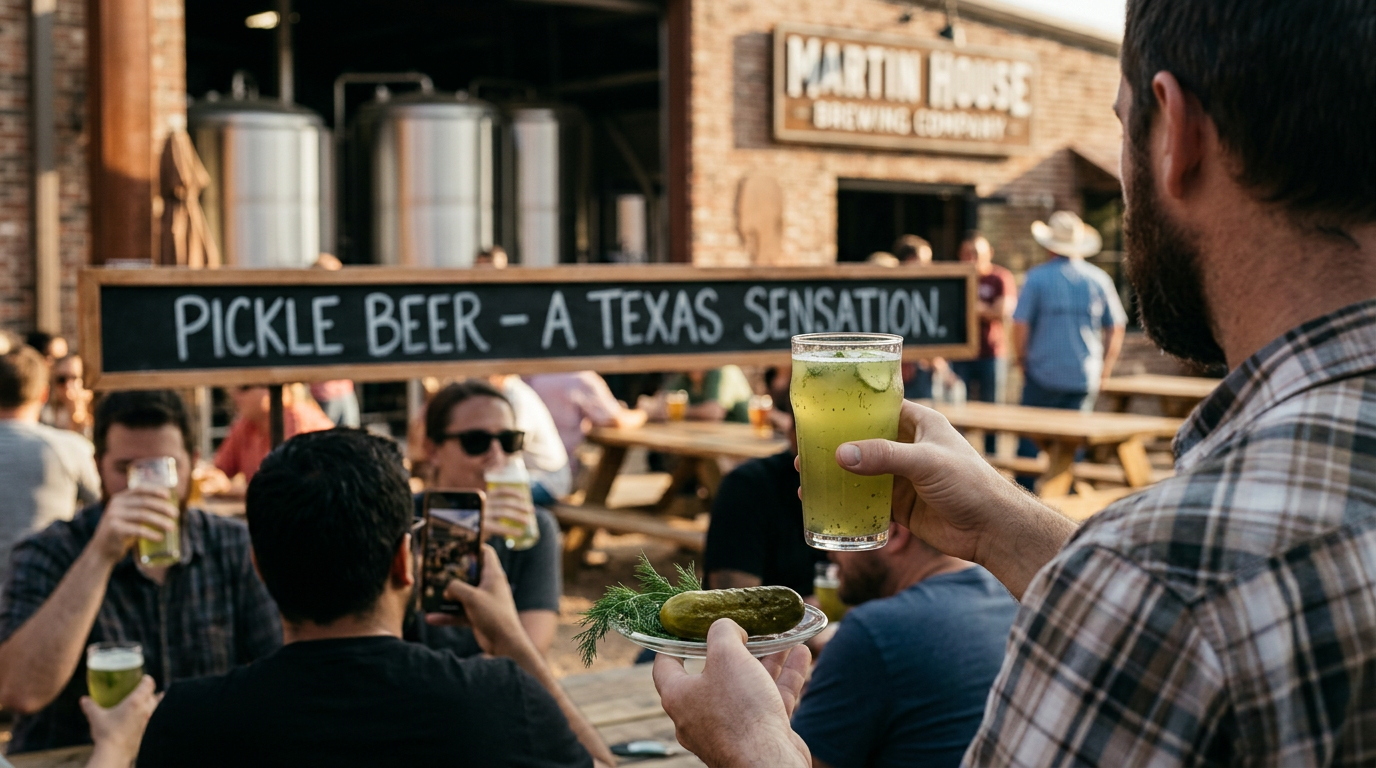
The Texas craft beer scene has always been defined by its willingness to push boundaries, reflecting the state’s bold culinary history and adventurous spirit. Recently, a specific beverage has captured the attention of residents from El Paso to Beaumont: a sour beer infused with the tangy, salty essence of pickles. Produced exclusively within the borders of Texas, this drink serves as a testament to the growing popularity of 'sweet and salty' flavor profiles that have historically dominated Southern snacks. While fruit-based sours have been a staple of the microbrewery movement for years, the pivot toward vegetable-based brines marks a distinct evolution in how local artisans represent regional palates. The development of this beverage was not merely a marketing stunt but a calculated effort to blend the refreshment of a traditional Gose-style beer with the sharp acidity that Texans typically enjoy in roadside snacks and carnival treats. Historically, Texas has been a leader in the experimental brewing movement, with local labels often drawing inspiration from Tex-Mex ingredients, desert flora, and Gulf Coast fruits. This latest arrival follows a trend of 'crossover' beverages that blur the lines between traditional pints and culinary staples. By utilizing a base of salty, sour grains and fermenting them with a heavy dose of pickle brine, the brewers have created a product that specifically targets the hot Texas climate, where electrolytes and hydration are at a premium. The cultural footprint of the pickle in Texas is significant, appearing in everything from movie theater concessions to high school sports sidelines (in the form of juice cups), making the transition to the cooler aisles of H-E-B and local liquor stores a logical next step for the industry.
Texas relevance
Texas serves as the exclusive battleground for this specific beverage experiment, with the product availability limited strictly to Lone Star State retailers and taprooms. The manufacturing takes place in Fort Worth, a city that has rapidly emerged as a powerhouse for independent brewing and industrial innovation. Because this flavor profile is so intrinsically tied to Texas snack culture—specifically the 'pickle-in-a-bag' phenomenon found at high school football games—the economic success of this beer depends entirely on the Texas consumer's loyalty to local brands. Furthermore, the rise of specialized sours supports the Texas agricultural and manufacturing supply chains, as local breweries often source their base ingredients and packaging materials from regional providers.
The Rise of Experimental Brewing in North Texas
Fort Worth has long been overshadowed by the brewery booms in Austin and Houston, but the emergence of daring flavors like the sour pickle beer has put the city on the map as a center for innovation. Local brewers have realized that to compete with national giants, they must offer something that cannot be replicated in a massive factory setting. The pickle beer represents a mastery of the Gose style—a top-fermented beer that originated in Germany and is known for its saltiness and acidity—reimagined through a Texan lens.
The production process involves carefully balancing the lactic acid produced during fermentation with the natural sodium found in the pickle juice. If the balance is off, the beer becomes undrinkable; however, when perfected, it offers a crisp finish that appeals to those who may not typically identify as 'beer drinkers.' This pivot toward accessible, snack-like flavors is expanding the demographic of the Texas craft beer market, bringing in younger consumers and those who prefer savory profiles over bitter hops.
From Fairgrounds to Fermenters: A Cultural Connection
Pickles have a storied history in Texas, often serving as the quintessential snack at the State Fair of Texas and community festivals. For decades, the brine has been touted as a remedy for dehydration during the blistering Texas summers. By incorporating this flavor into a beer, the brewers are tapping into a deep-seated sensory memory for many residents. It is a flavor that evokes Friday night lights, humid afternoon cookouts, and the unique hospitality of small-town Texas diners.
This cultural resonance is why the product has remained a Texas exclusive. The brewers understand that the appeal of the drink is tied to the environment in which it is consumed. A sour pickle beer might seem out of place in the Pacific Northwest or New England, but in the context of a 100-degree day in San Antonio or Dallas, it provides a functional and psychological relief that outsiders might not immediately appreciate.
Retail Exclusivity and the 'Texas Brand'
One of the most interesting aspects of this product launch is the decision to keep it strictly within the state. In an era where online shipping and national distribution are the goals for most businesses, maintaining a 'Texas-only' status creates a sense of scarcity and prestige. It encourages 'beer tourism,' where residents from neighboring states like Oklahoma or Louisiana travel across the border specifically to stock up on these unique cans.
This strategy also strengthens the bond between the producer and the Texas retail infrastructure. Grocery giants like H-E-B have traditionally been massive supporters of Texas-made goods, often giving prime shelf space to items that carry the 'Go Texan' seal. By keeping the pickle beer a local secret, the brewery reinforces the idea that some things are simply better stayed—and enjoyed—in Texas.
The Chemistry of the Perfect Pickle Pour
Creating a beer that tastes like a pickle without it becoming overwhelming requires a high degree of technical skill. The brewers start with a light base, usually a wheat-heavy mash, which provides a soft mouthfeel. The 'sour' aspect is typically achieved through kettle souring, a process where lactobacillus is added to the wort before boiling. This creates the lactic tartness that mimics the zing of a fresh cucumber fermenting in a jar.
The final addition of real brine and perhaps a hint of dill is what completes the transformation. The salt content is particularly important, as it enhances the other flavors of the beer while providing a clean, dry finish. This technical achievement ensures that while the beer is certainly a novelty, it remains a high-quality craft beverage that stands up to scrutiny from professional tasters and casual enthusiasts alike.
Impact on the Local Economy and Tourism
The popularity of niche beverages has a measurable impact on local economies. Taprooms in Fort Worth have seen increased foot traffic as word of the pickle beer spread across social media. This 'viral' effect brings visitors who not only spend money on the beer itself but also patronize nearby restaurants, hotels, and retail shops. It is a prime example of how a single creative idea can provide a lift to an entire neighborhood's commercial ecosystem.
Furthermore, the success of this product has spurred other Texas breweries to look toward local ingredients for their next big hit. Whether it is prickly pear, Texas honey, or Rio Grande grapefruit, the trend toward hyper-local flavoring is creating a more diverse and resilient agricultural market within the state. Farmers and suppliers are finding new avenues for their crops by partnering with the burgeoning craft alcohol industry.
Looking Forward: The Future of Savory Sours
As the beverage industry continues to evolve, the success of the Texas pickle beer serves as a case study in niche marketing. It proves that there is a dedicated audience for savory and unconventional beers, challenging the dominance of Indian Pale Ales (IPAs) and light lagers. Future iterations may include spicy variants, incorporating Texas-grown jalapeños or habaneros to further lean into the state's love for heat and spice.
The legacy of this movement will likely be the permanent broadening of the Texan palate. As more consumers become comfortable with these complex flavor profiles, the door opens for even more daring culinary experiments. For now, the pickle beer remains a quintessential icon of Texas ingenuity—a drink that shouldn't work on paper but succeeds because it captures the true essence of Lone Star living.
Analysis
Opinion: The success of unconventional products like pickle beer reflects a broader shift in Texas consumer behavior toward hyper-local, high-distinctiveness goods. While some might view a vinegar-based beer as a temporary fad, its sustained popularity suggests that Texans are increasingly looking for 'experiences' in their consumption rather than just standard refreshments. This trend signals to other Texas entrepreneurs that there is significant market room for products that celebrate the state’s quirky culinary habits. If the Texas craft market continues to reward this level of risk-taking, we can expect the state to remain a national incubator for experimental food and beverage trends that eventually migrate to the rest of the country.
Source attribution
This story was reported using a public release from the Unusual Texas / Only In Texas (Google News). Keep TX Red rewrote the coverage independently and links to the official statement for verification.
Frequently Asked Questions
- Where can I buy the Texas pickle beer?
- The beverage is sold exclusively at retailers within Texas, including major grocery chains like H-E-B and various independent liquor stores and taprooms. It is not currently available for shipping outside of the state.
- What does the pickle beer actually taste like?
- It is a sour Gose-style beer, meaning it is light, tart, and salty. The flavor profile heavily features dill and vinegar notes, reminiscent of a chilled jar of pickles, but with the carbonation and crispness of a craft ale.
- Is this a seasonal release or a permanent product?
- While originally launched as a specialty item, its massive popularity has led to frequent re-releases and expanded production, though availability can still vary depending on the local demand and production cycles of the Fort Worth brewery.
Official Sources
Take the next step
Browse the Newsroom →Read more about Keep Texas Red → Our full guide to what Keep Texas Red means and why Texans support it.
Related Articles


Get Texas updates delivered weekly.
Independent Texas reporting on politics, policy, and daily life. One email a week. Unsubscribe anytime.
Keep TX Red Newsroom
The Keep Texas Red Editorial Staff produces nonpartisan explainers, policy breakdowns, and educational resources to help Texans understand how their government works. All content is reviewed for accuracy and updated regularly.
About Keep TX Red →