Lone Star State Craft Beverage Innovation Leads to Unexpected Pickle Flavored Seltzer Trend
Texas beverage companies are pushing flavor boundaries with pickle-infused spiked seltzers, a trend rooted in deep Texas culinary traditions.
Editorial disclaimer: Opinions and analysis on Keep TX Red are editorial content — not statements of fact. See our editorial standards.
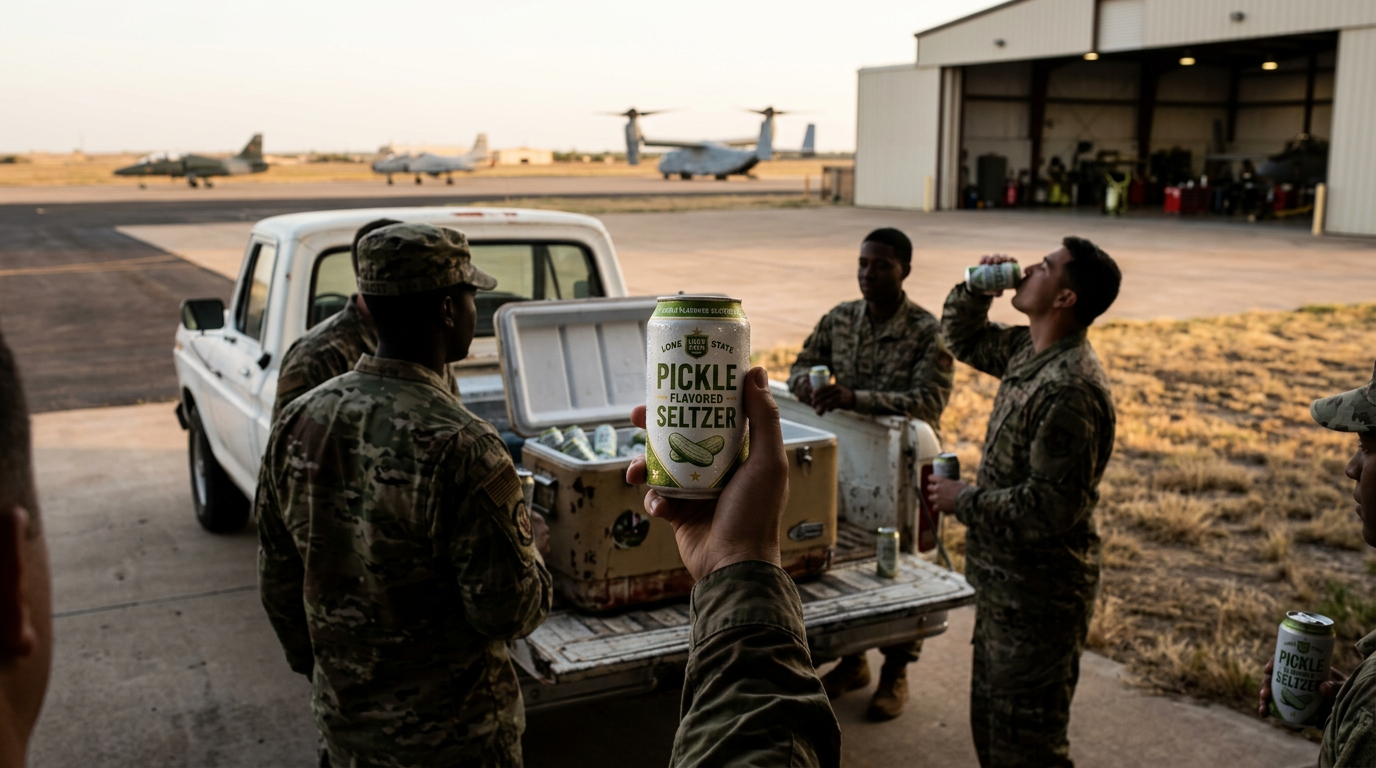
The beverage landscape in Texas is undergoing a salty transformation as local craft producers lean into the state's historical obsession with savory and pickled flavors. While the hard seltzer market originally gained traction through fruity and sweet profiles, Texas innovators have veered into more adventurous territory by introducing pickle-flavored sparkling beverages. This shift represents a confluence of the explosive growth in the shelf-stable canned beverage industry and the enduring popularity of classic Texas snacks. Historically, Texas has a long-standing relationship with unconventional flavor pairings, such as the 'pickle juice' snow cone or the classic movie theater giant dill pickle, laying the cultural groundwork for this seltzer evolution. Craft breweries across the state, particularly those in the North Texas and Austin regions, are experimenting with brine ratios and carbonation levels to perfect a refreshing thirst-quencher that mimics the snap of a vinegar-based snack. By utilizing base ingredients that honor local agriculture, these producers are not just creating a novelty product but are tapping into a specific regional palate that prizes salt and acidity. This beverage movement signifies a departure from national norms, where many major brands stick to safe, recurring flavor profiles like black cherry or lime, allowing Texas companies to carve out a distinct niche in a crowded marketplace.
Texas relevance
This trend is deeply rooted in the North Texas manufacturing sector, specifically through legendary entities like Best Maid Pickles in Fort Worth, which has frequently partnered with local breweries to supply authentic brine. The economic impact spans from agricultural producers in the Rio Grande Valley and the High Plains to the logistics hubs that distribute these heavy liquid goods across the vast expanse of the state. In cities like Houston and San Antonio, the rise of savory beverages mirrors the diverse culinary heritage of the region, where spicy and sour flavors are often preferred over cloying sweetness.
The Evolution of fermented and Sparkling Flavors
The journey of the carbonated beverage in Texas began with classic sodas, but it has quickly transitioned into the realm of craft brewing and low-calorie alternatives. As consumer preferences shifted toward products with lower sugar content, the rise of seltzer became inevitable. However, the generic nature of early seltzers left a void for those who preferred the complex, umami-rich notes often found in Texas cuisine. This led to a period of experimentation where brewers began looking toward the pantry rather than the fruit basket for inspiration.
Pickle-flavored seltzers are the logical conclusion of the 'Michelada' and 'Bloody Mary' culture that is so prevalent in the Southwest. By removing the heavy tomato base and focusing on a clean, crisp carbonated finish, producers have created a drink that appeals to the heat-weary Texan. These beverages are designed to be consumed outdoors, where the high electrolyte content of pickle brine—often cited as a remedy for dehydration—provides a perceived functional benefit alongside recreational enjoyment.
The technical challenges of creating a clear, stable, and palatable pickle seltzer are significant. Brewers must manage pH levels carefully to ensure the acidity of the vinegar does not interfere with the fermentation of the alcohol or the integrity of the carbonation. This requires a sophisticated level of chemistry that elevates These drinks above mere novelties, showcasing the technical prowess of the state's brewing community.
Collaborative Spirit in Texas Manufacturing
One of the most compelling aspects of the pickle seltzer surge is the high degree of collaboration between disparate Texas industries. Fort Worth’s Best Maid Pickles, a family-owned staple since 1926, has been instrumental in providing the essential brine components for many of these projects. This synergy between a century-old food packer and modern, millennial-led craft breweries illustrates a unique economic bridge within the state.
These partnerships are not limited to the ingredients themselves but extend into marketing and distribution networks. When a local brewery puts a recognizable pickle brand's logo on their can, it instantly communicates a standard of quality and a specific flavor profile to a loyal Texas customer base. This allows smaller startup beverage companies to scale rapidly by leveraging the brand equity of established Texas icons.
The ripple effect of this collaboration is felt in local retail spaces, from independent package stores to major grocery chains like H-E-B. Texas retailers have been aggressive in creating 'Texas-made' sections that highlight these unusual flavor combinations, further cementing the bond between the consumer and the local producer. This ecosystem keeps capital circulating within the state and encourages a culture of continuous culinary risk-taking.
Cultural Roots of the Savory Palate
To understand why a pickle seltzer succeeds in Texas when it might fail elsewhere, one must look at the history of Texas school concessions and movie theaters. For generations, Texas children have grown up purchasing large dill pickles wrapped in plastic, frequently drinking the leftover juice as a cooling ritual during the blistering summer months. This cultural conditioning creates a lifelong affinity for high-sodium, high-acid snacks.
Furthermore, the influence of Mexican candy—which frequently combines salt, chili, and lime—has primed the Texas palate for 'salty-sour' profiles. The pickle seltzer fits neatly into this existing flavor framework, offering a sophisticated, adult version of a childhood flavor profile. It is a beverage that feels inherently 'homegrown' because it mirrors the complexities found in everything from Texas barbecue rubs to Tex-Mex garnishes.
Social media has also played a pivotal role in the proliferation of this trend. The visual incongruity of a pickle-themed beverage makes for highly shareable content, but the repeat purchases are driven by the genuine satisfaction Texans find in these traditional notes. It is a rare example where the 'viral' nature of a product is backed by a deep-seated regional preference that ensures longevity beyond the initial hype cycle.
Market Strategy for Non-Traditional Seltzers
As the national 'Hard Seltzer Summer' phase evolved into a permanent fixture of the alcohol industry, brands have had to find new ways to differentiate themselves. In Texas, the strategy has been to lean into regionalism. While national brands spend millions on celebrity endorsements, Texas breweries are finding success by focusing on hyper-local ingredients that resonate with the identity of the Texas outdoorsman, the tailgater, and the festival-goer.
Pricing strategies for these artisanal seltzers often place them in the premium category, reflecting the higher cost of sourcing quality brine and maintaining small-batch production standards. Despite the higher price point, the Texas consumer has shown a willingness to pay a premium for localized flavors that offer a break from the monotony of mass-produced alternatives. This has allowed smaller breweries to remain competitive against global beverage giants.
The distribution of these products often follows a seasonal pattern, peaking during the spring and summer when the demand for refreshing, cold beverages is at its highest. However, the 'savory' nature of the pickle seltzer also makes it a popular choice for winter months as a mixer for cocktails or as a companion to heavy, smoked meats, giving it a year-round utility that many fruit-based seltzers lack.
Environmental and Agricultural Considerations
The production of pickle seltzers also highlights the importance of the Texas agricultural sector. Cucumbers are a significant crop in various regions of the state, and the processing of these vegetables creates large volumes of brine. Reusing or repurposing this brine in the beverage industry is a subtle but effective way of reducing waste and maximizing the utility of the state's harvest.
Water conservation is another critical issue for Texas beverage producers. Developing high-flavor profiles like pickle seltzer requires less water-intensive flavoring processes than some fruit concentrates, and many local breweries are investing in water reclamation technologies. As the state continues to face long-term water management challenges, the efficiency of the brewing and bottling process becomes a matter of both economic and environmental survival.
Looking forward, the trend suggests a move toward even more radical agricultural integrations. We may soon see seltzers infused with Texas-grown jalapeños, prickly pear, or even grapefruit from the Rio Grande Valley. The pickle seltzer is merely the vanguard of a broader movement to bottle the essence of the Texas landscape in a carbonated, alcoholic format.
Analysis
The success of pickle-flavored beverages in Texas is a masterclass in regional branding and consumer psychology. While outsiders might view a vinegar-flavored sparkling water as a gimmick, for a Texan, it is a nostalgia-driven product that connects them to memories of state fairs, Friday night football games, and roadside stand snacking. This editorial perspective suggests that as the national seltzer market matures and begins to plateau, the path toward sustained growth lies in hyper-local flavor innovations that large, multinational conglomerates are too risk-averse to replicate. Texas is uniquely positioned to lead this 'savory beverage' revolution because the state's consumers have a high tolerance for bold, non-traditional flavor profiles.
Source attribution
This story was reported using a public release from the Unusual Texas / Only In Texas (Google News). Keep TX Red rewrote the coverage independently and links to the official statement for verification.
Frequently Asked Questions
- Why is pickle flavoring so popular in Texas beverages?
- Texas has a long history of savory snacking, including 'pickle juice' treats and vinegar-based toppings. In a state with high temperatures, the salt content in pickle-flavored items is often perceived as refreshing and replenishing, making it a natural fit for the beverage market.
- Are these pickle seltzers alcoholic?
- While there are non-alcoholic versions, the current trend is primarily focused on 'hard seltzers' or 'spiked seltzers,' which typically range from 4% to 6% alcohol by volume. They are marketed as a lighter, low-calorie alternative to traditional beers.
- Which Texas cities are the hubs for this trend?
- Fort Worth is a major hub due to its connection with legacy pickle producers, while Austin and Houston have seen a surge in craft breweries experimenting with these unique flavor profiles at their taprooms.
- Is the pickle seltzer trend a permanent market fixture?
- While it began as a novelty, the consistent sales and brand loyalty shown by Texas consumers suggest it has moved into a permanent niche. It is particularly popular during the Texas summer season and at large-scale events like the State Fair.
Official Sources
Take the next step
Browse the Newsroom →Read more about Keep Texas Red → Our full guide to what Keep Texas Red means and why Texans support it.
Related Articles


Get Texas updates delivered weekly.
Independent Texas reporting on politics, policy, and daily life. One email a week. Unsubscribe anytime.
Keep TX Red Newsroom
The Keep Texas Red Editorial Staff produces nonpartisan explainers, policy breakdowns, and educational resources to help Texans understand how their government works. All content is reviewed for accuracy and updated regularly.
About Keep TX Red →