The Evolution and Diversity of Texas Amphibians: Monitoring Our Native Anuran Species
Explore the unique biodiversity of Texas frogs and toads, their ecological impact, and the conservation efforts protecting these strange native species.
Editorial disclaimer: Opinions and analysis on Keep TX Red are editorial content — not statements of fact. See our editorial standards.
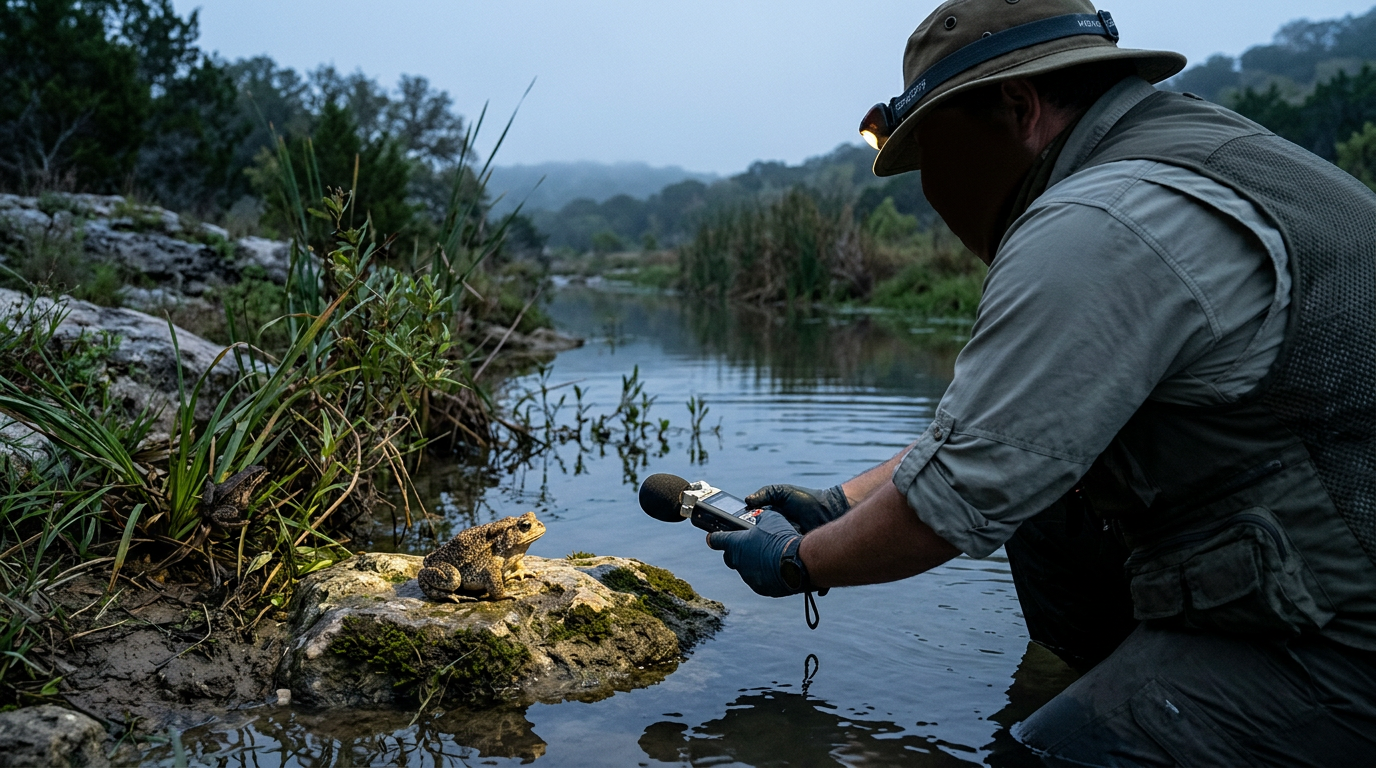
Texas serves as a massive ecological crossroads where the humid swamps of the east meet the arid deserts of the west, fostering a specialized environment for amphibians. Historically, the state has been home to over 40 species of frogs and toads, many of which have developed peculiar physical traits and vocalizations to survive the unpredictable Texas climate. These creatures are not merely seasonal visitors to our backyards; they are critical biological indicators of environmental health. For decades, researchers in the Lone Star State have used the presence and breeding patterns of these animals to gauge water quality and the success of local wetland preservation efforts. By understanding their behavior, we gain insight into the broader stability of our rural and urban ecosystems.
Texas relevance
Across the Texas Hill Country and the coastal plains, frogs and toads play a vital role in pest control, consuming thousands of insects nightly that would otherwise damage crops and gardens. The state’s unique geography means that a resident in central Texas might encounter a different subset of species than someone in the Panhandle. Protecting these species is a priority for agencies like the Texas Parks and Wildlife Department, as many are endemic to very specific corridors of the state. Because Texas has such a high rate of private land ownership, conservation of these strange and diverse amphibians relies heavily on the stewardship of individual landowners and their local community conservation programs.
The Texas Toad and the Arid West
The Texas Toad is one of the most resilient species found within our borders, thriving in the drier portions of the state including the Trans-Pecos and the Edwards Plateau. Unlike many of its cousins that require constant moisture, this species has adapted to spend long periods underground during dry spells. They emerge rapidly following heavy thunderstorms, taking immediate advantage of temporary pools to breed and lay eggs before the water evaporates.
Identifying these toads involves looking for their round bodies and distinctive brownish-gray skin, often marked with darker spots. Their calls are a sharp, trilling sound that can dominate the night air in rural counties after a spring rain. This ability to aestivate, or enter a state of dormancy during heat and drought, makes it a quintessential survivor of the rugged Texas landscape.
The Endangered Houston Toad
One of the most significant conservation stories in the state involves the Houston Toad, an elusive species that is currently federally endangered. Despite its name, you won't find it in the city of Houston anymore; instead, it survives in small pockets of pine and oak forests in counties like Bastrop and Austin. Habitat loss and the devastating wildfires of 2011 nearly pushed this species to the brink of extinction.
Efforts to save the Houston Toad are intensive, involving captive breeding programs and collaboration between state universities and private landowners. This toad is known for its distinct high-pitched trill that can last up to 14 seconds. Protecting the sandy soils and pine canopies they require is a flagship example of how Texas balances industrial expansion with the preservation of rare biological assets.
Unique Adaptations of the Rio Grande Chirping Frog
The Rio Grande Chirping Frog is a peculiar case of a species expanding its range through human assistance. Originally native only to the southernmost tip of Texas, it was accidentally transported to northern cities like Dallas, Austin, and San Antonio via the nursery trade. These frogs are often found in potted plants and landscaping, where they thrive in the micro-habitats created by residential watering systems.
What makes this frog 'strange' to many Texans is its sound, which resembles a cricket or a small bird rather than a traditional croak. Furthermore, they bypass the tadpole stage entirely. They lay their eggs in moist soil, and fully formed miniature frogs emerge directly from the eggs. This direct development allows them to live in residential gardens where there may not be standing water available for traditional breeding.
The Blanchard’s Cricket Frog Phenomenon
Found near permanent water sources across a vast portion of the state, the Blanchard’s Cricket Frog is famous for its unique vocalization. The sound is often described as two marbles being clicked together in rapid succession. These small, warty frogs are masters of camouflage, blending in with the mud and vegetation along the banks of Texas creeks and rivers.
Recent studies have monitored these frogs to understand the impact of agricultural runoff on local waterways. Because their skin is highly permeable, they absorb toxins from their environment, serving as an early-warning system for water contamination. Their prevalence in a local stream is usually a positive sign that the water quality remains high enough to support a diverse food chain.
Vocalizations and Mating Rituals
The vocalizations of Texas amphibians are not just random noises; they are complex signals designed to attract mates and establish territory. In many parts of the Hill Country, the 'chorus' of frogs can be deafening on warm spring nights. Each species has a specific frequency and rhythm, ensuring that they can find their own kind amidst a cacophony of different animals.
This acoustic diversity is a subject of great interest for citizen science projects. Texans are encouraged to record these sounds and upload them to databases, helping biologists track the movement and population density of various species. By participating in these 'frog watches,' the public plays a direct role in documented the biodiversity of our state's wilderness and suburban areas alike.
The Role of Predators and Prey
Frogs and toads are central figures in the Texas food web. As insectivores, they consume massive quantities of mosquitoes, beetles, and agricultural pests, providing an organic form of pest control that benefits farmers and ranchers. Their presence reduces the need for chemical interventions, which in turn keeps the soil and water cleaner for other livestock and wildlife.
Conversely, they are a primary food source for many of Texas's iconic predators, including copperheads, water snakes, and various species of herons and hawks. Even the decline of a single 'strange' frog species can have a cascading effect, reducing the food supply for higher-order predators and leading to an imbalance in the local ecosystem. Maintaining these populations is therefore a matter of maintaining the balance of the entire state's natural environment.
Identifying Invasive Species
While we celebrate our native species, it is important for Texans to recognize non-native threats like the Cane Toad, which has been spotted in the deep south of the state. These invasive toads are larger than native species and possess toxic glands that can be fatal to pets and local wildlife that attempt to eat them. Distinguishing between a beneficial native toad and a harmful invader is a key skill for Texas residents.
Education programs through local nature centers highlight the differences in facial structure and gland placement. By identifying and reporting invasive species, residents help protect the native frogs and toads that have called the Lone Star State home for thousands of years. Keeping the 'weird' native amphibians safe from competition and predation is a collective effort that starts in our own backyards.
Future Prospects for Texas Herpetology
The future of Texas amphibians depends largely on smart land use and water management. As the state’s population grows, the preservation of riparian corridors and natural wetlands becomes even more critical. Ongoing research into fungal diseases, such as chytrid, is also paramount, as these illnesses have devastated amphibian populations globally and occasionally appear in Texas water bodies.
Texas remains one of the premier locations in the United States for the study of amphibians due to its size and variety of climates. From the swamps of East Texas to the high plains of the Panhandle, the strange and wonderful world of frogs and toads continues to evolve. Through a combination of public policy, private land management, and scientific research, we can ensure these unique creatures continue their nighttime choruses for generations to come.
Analysis
While the sights and sounds of central Texas amphibians are often viewed as a novelty, they represent a sensitive segment of our natural heritage that is increasingly under pressure. Rapid urbanization and the loss of traditional prairie potholes have forced many species into smaller, more fragmented habitats. The resilience of these animals is impressive, yet the shifting climate patterns in the state—marked by longer droughts followed by flash flooding—create high-stress cycles for breeding. Observing these strange creatures provides more than just entertainment; it offers a diagnostic look at how well Texas is managing its natural resources and land development in the face of ongoing growth.
Source attribution
This story was reported using a public release from the Unusual Texas / Only In Texas (Google News). Keep TX Red rewrote the coverage independently and links to the official statement for verification.
Frequently Asked Questions
- Why do some Texas frogs sound like birds or insects?
- Species like the Rio Grande Chirping Frog have evolved specific vocalizations to distinguish themselves from other frogs in a crowded environment. This helps them attract mates of their own species without being drowned out by larger predators or competing calls.
- Are there any dangerous toads in Texas?
- Yes, while most native toads are harmless, the invasive Cane Toad (found in South Texas) has poison glands that can be dangerous to dogs and cats. Additionally, the native Giant Toad can secrete irritating substances if handled roughly, so it is always best to observe wildlife from a distance.
- How can I help protect frogs on my property?
- You can support local amphibian populations by maintaining a small chemical-free water source, leaving natural leaf litter for cover, and reducing the use of pesticides which can harm their permeable skin and food supply.
Official Sources
Take the next step
Browse the Newsroom →Read more about Keep Texas Red → Our full guide to what Keep Texas Red means and why Texans support it.
Related Articles


Get Texas updates delivered weekly.
Independent Texas reporting on politics, policy, and daily life. One email a week. Unsubscribe anytime.
Keep TX Red Newsroom
The Keep Texas Red Editorial Staff produces nonpartisan explainers, policy breakdowns, and educational resources to help Texans understand how their government works. All content is reviewed for accuracy and updated regularly.
About Keep TX Red →