Texas Congressional Races 2026: Why Millionaire Candidates Are Dominating the Field
Recent financial disclosures suggest Texas could send a wave of high-net-worth individuals to Congress next year, potentially shifting the House's dynamic.
Editorial disclaimer: Opinions and analysis on Keep TX Red are editorial content — not statements of fact. See our editorial standards.
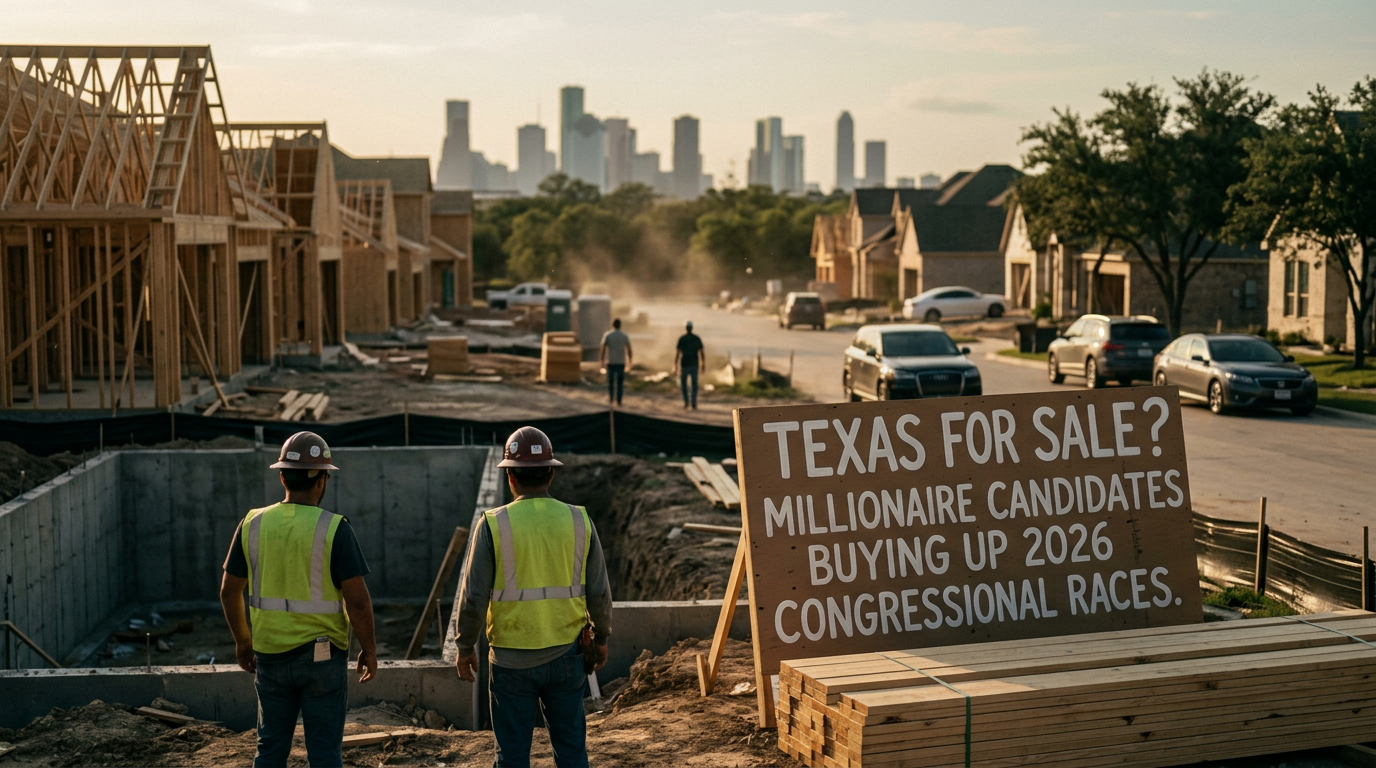
The landscape of Texas representation in Washington D.C. is poised for a potential shift as recent financial disclosures indicate a surge of high-net-worth individuals running for federal office. According to data compiled from federal filings in July 2026, many of the leading contenders for open or contested seats in the Lone Star State possess assets exceeding one million dollars. This trend highlights the increasing cost of modern political campaigns and the attraction of established business leaders to the legislative arena. Historically, Texas has sent legendary figures to the Capitol, but the professional backgrounds of the current crop of candidates show a heavy lean toward private equity, real estate, and high-level corporate management. Contextually, this rise in wealthy candidates follows a long-standing pattern in American politics where the median net worth of a member of Congress is significantly higher than that of the average citizen. In Texas, where the cost of media markets in cities like Houston and Dallas-Fort Worth has skyrocketed, the ability to self-fund or tap into affluent professional networks has become a distinct advantage. Previous election cycles in Texas have seen varied backgrounds, but the 2026 cycle is specifically notable for the sheer volume of millionaires appearing on primary and general election ballots across both major parties.
Texas relevance
For residents of Texas, the financial status of their representatives is more than a matter of personal curiosity; it directly impacts the types of policy priorities that enter the federal discourse. In a state with massive economic engines in energy, technology, and agriculture, having representatives who understand large-scale industry is often seen as a benefit. However, the concentration of wealth in the congressional delegation also raises questions about the accessibility of high office for the average Texan. From El Paso to the Piney Woods, the economic diversity of the state is vast, and the current trend may lead to a legislative body that looks less like its constituency in terms of daily financial experience and more like the boardrooms of the state's largest corporations.
The High Cost of Reaching Texas Voters
One of the primary drivers behind the recruitment and success of wealthy candidates in Texas is the sheer expense of campaigning across 38 congressional districts. Texas is home to several of the nation's most expensive media markets, including the Dallas-Fort Worth metroplex and the greater Houston area. A standard television ad buy in these regions can cost hundreds of thousands of dollars per week, making it difficult for grassroots candidates without significant personal resources or early donor backing to break through.
Consequently, individuals who have already amassed wealth in the private sector are viewed as safer bets by party leadership. These candidates often have the ability to give their own campaigns 'bridge loans' or large initial contributions to hire top-tier consultants and field staff before traditional fundraising gains momentum. This financial barrier to entry effectively narrows the field of viable candidates to those who have already achieved professional prosperity.
Professional Backgrounds of the New Class
The disclosures filed this summer reveal that the wealth of these candidates is not just inherited but frequently comes from high-stakes industries that define the modern Texas economy. Many contenders come from the technology sector in Austin or the traditional energy hubs of Midland and Houston. Others have backgrounds in commercial real estate development, a sector that has boomed alongside the state's rapid population growth over the last decade.
This professional diversity brings a different set of perspectives to the table. Unlike career politicians who may have spent their entire lives in the public sector or legal field, these candidates emphasize their roles as job creators. They argue that their experience navigating federal regulations and tax codes from a business perspective makes them uniquely qualified to streamline government operations and promote pro-growth policies in Washington.
Comparative Wealth: Congress vs. The Average Texan
The gap between the personal wealth of the prospective 2026 delegation and the average Texas household is substantial. While the median household income in Texas lingers around the national average, the candidates in question often hold diversified portfolios worth several times that amount. This disparity can lead to differing outlooks on social safety nets, healthcare costs, and the impact of inflation on daily necessities like groceries and gasoline.
However, supporters of these candidates often point out that a representative’s personal wealth does not necessarily dictate their voting record. They argue that wealthy representatives often have more independence once in office, as they are less reliant on special interest groups or lobbyists for their post-political careers. Regardless of the philosophy, the data indicates that the 'average' Texan in the next Congress will be far from average in terms of their bank balance.
Impact on Legislative Committees
Should this crop of wealthy candidates win their respective seats, it could lead to a strategic reorganization of how Texas uses its influence in the House. Members with deep ties to the financial sector often seek seats on the House Financial Services Committee or the Ways and Means Committee. These committees are responsible for drafting tax law and overseeing the nation's banking systems, areas where these candidates claim expertise.
Having a high concentration of wealthy, business-minded individuals in these roles could strengthen Texas's position as a hub for corporate relocation and industrial expansion. By leveraging their personal networks and professional understanding of capital markets, these representatives may be able to secure federal investments and policy changes that benefit the state's burgeoning infrastructure and technological sectors.
Transparency and Public Perception
The release of these financial disclosures serves as a vital component of electoral transparency. Under federal law, candidates must disclose assets, liabilities, and sources of income to ensure there are no glaring conflicts of interest between their private holdings and their potential legislative duties. For Texas voters, these documents provide a window into the potential biases or motivations a candidate might bring to the Capitol.
While some voters may be wary of the 'millionaire' label, others see it as a mark of competence and an indication that the candidate is not entering politics for financial gain. As the 2026 election cycle progresses, the focus on candidate wealth will likely transition from mere numbers on a page to a broader discussion about which lifestyle and professional background best prepares a person to lead the diverse population of Texas.
Analysis
The influx of millionaires into the Texas congressional pipeline suggests a structural change in how political power is attained. While many of these candidates frame their professional success as evidence of their ability to manage complex budgets and foster economic growth, the optics of a 'millionaire class' representing a state with diverse income levels remain a point of debate. If these individuals prevail, the Texas delegation may become one of the most financially influential blocs in the House, potentially wielding significant power on committees related to finance, commerce, and appropriations. The key question for voters will be whether personal financial success translates into effective advocacy for the varied economic interests of all Texans.
Source attribution
This story was reported using a public release from the r/texas. Keep TX Red rewrote the coverage independently and links to the official statement for verification.
Frequently Asked Questions
- Why is the net worth of a congressional candidate made public?
- Federal law requires candidates for the U.S. House of Representatives and Senate to file financial disclosure reports. These reports are designed to prevent conflicts of interest and allow voters to see what assets or corporate ties a potential lawmaker holds.
- Does being a millionaire guarantee a win in a Texas election?
- While wealth provides an advantage in terms of self-funding and hiring staff, it does not guarantee a win. Texas history includes many instances where grassroots-funded candidates defeated wealthier opponents by focusing on local issues and ground-level organizing.
- How does this trend compare to previous Texas delegations?
- The percentage of millionaires in the Texas delegation has been rising steadily over several decades, following national trends. However, the 2026 cycle is notable for the high concentration of wealthy newcomers entering the races for the first time.
Official Sources
Take the next step
Browse the Newsroom →Read more about Keep Texas Red → Our full guide to what Keep Texas Red means and why Texans support it.
Get Texas updates delivered weekly.
Independent Texas reporting on politics, policy, and daily life. One email a week. Unsubscribe anytime.
Keep TX Red Newsroom
The Keep Texas Red Editorial Staff produces nonpartisan explainers, policy breakdowns, and educational resources to help Texans understand how their government works. All content is reviewed for accuracy and updated regularly.
About Keep TX Red →