Ken Paxton Challenges Safety Records While James Talarico Proposes Fort Worth Child Care
Attorney General Ken Paxton challenges opponent's crime policies as James Talarico visits Fort Worth to debut a new statewide child care initiative.
Editorial disclaimer: Opinions and analysis on Keep TX Red are editorial content — not statements of fact. See our editorial standards.
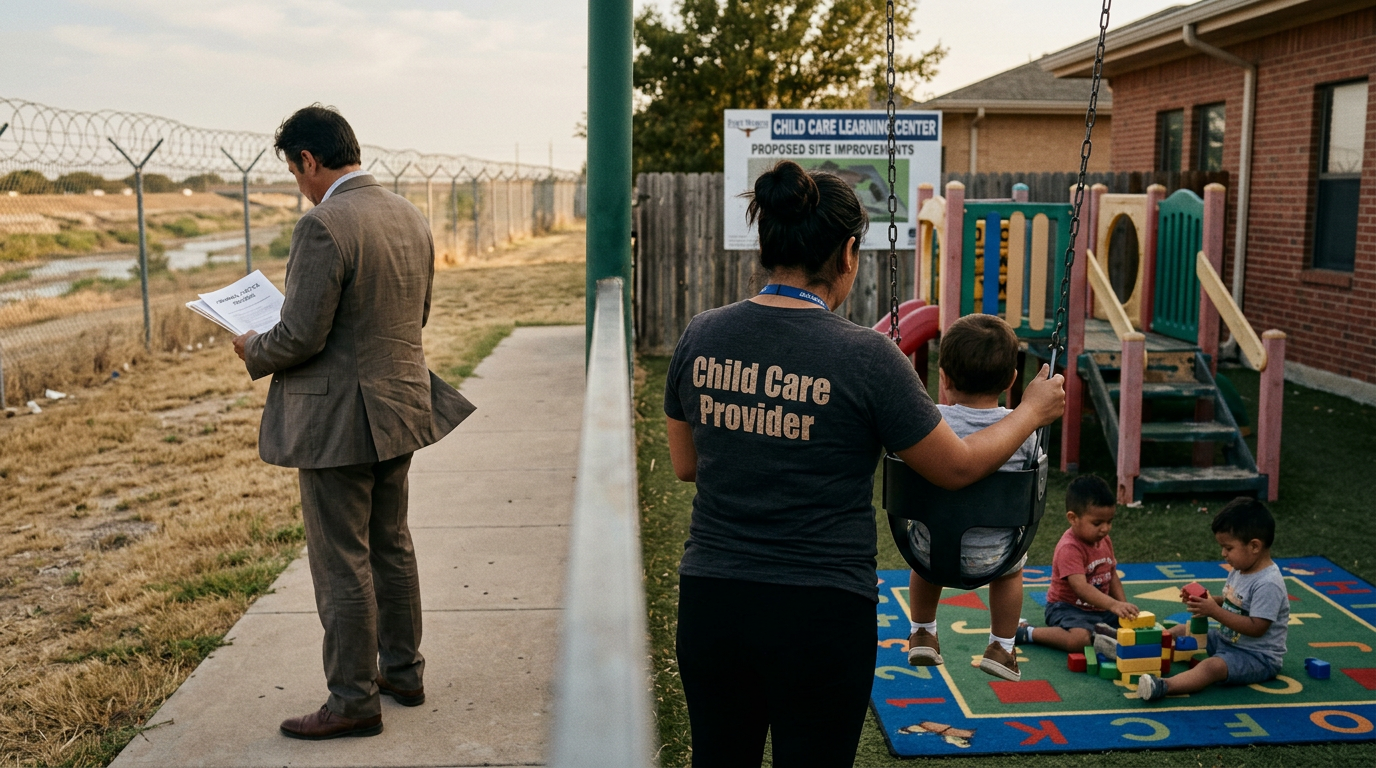
Texas Attorney General Ken Paxton and State Representative James Talarico engaged in a high-profile exchange of priorities on July 22, 2026, highlighting the diverging platforms of the race for the state's top legal office. While Paxton utilized his platform to criticize Talarico's past positions on criminal justice and public safety, Talarico traveled to Fort Worth to unveil a comprehensive child care proposal intended for the upcoming legislative session. This split-screen day in Texas politics showcases the primary battlegrounds of the 2026 election: law enforcement versus social infrastructure. Historically, the office of the Texas Attorney General has served as a central hub for litigation against federal overreach and the enforcement of state statutes. Under Paxton’s long tenure, the office has leaned heavily into constitutional challenges and border security litigation. Conversely, challenges from the legislative branch often attempt to broaden the scope of the office or redirect the executive conversation toward domestic social issues that impact Texas families, such as the affordability of early childhood services. This latest clash continues that trend of contrasting visions for the state's executive branch.
Texas relevance
The events in Fort Worth and the accompanying rhetoric from the Attorney General directly impact Tarrant County residents and the broader Texas electorate. For Fort Worth, the selection of the city as a launchpad for a statewide child care plan underscores the region's importance as a strategic political battleground. Tarrant County has long been a bellwether for state sentiment, making the local debut of major policy platforms a significant indicator of how candidates intend to court North Texas voters. Furthermore, the focus on public safety and child care costs addresses two of the most pressing concerns for urban and suburban families across the Lone Star State.
Paxton's Focus on Criminal Justice
Attorney General Ken Paxton has consistently positioned himself as a vanguard of public safety, frequently citing the need for strict enforcement of Texas laws. In his latest remarks, Paxton focused on the records of his political adversaries, specifically targeting James Talarico’s legislative history regarding criminal justice reform. Paxton argued that his opponent’s past support for certain reforms could undermine the stability of Texas communities and weaken the state's ability to prosecute violent offenders.
The Attorney General’s strategy involves connecting statewide policy to local safety outcomes. By emphasizing his role in supporting law enforcement agencies and providing resources for local prosecutors, Paxton seeks to reinforce his image as a necessary check against more progressive legal philosophies. This focus is part of a broader platform that prioritizes the defense of law enforcement immunity and the maintenance of a robust penal code.
The Talarico Child Care Initiative
In Fort Worth, State Representative James Talarico shifted the debate toward what he describes as a crisis in child care accessibility. His proposed plan seeks to utilize state resources to lower the cost of daycare and early education for Texas families. During his appearance, Talarico emphasized that the high cost of child care is not just a social issue but a significant hurdle for the Texas workforce, preventing many parents from participating fully in the economy.
The proposal includes several components, such as potential subsidies for providers and tax incentives for businesses that offer child care support to their employees. Talarico argued that by investing in early childhood infrastructure, Texas could see long-term benefits in educational outcomes and economic productivity. This platform represents an attempt to redefine the role of statewide leaders as proactive problem-solvers for domestic challenges.
Fort Worth as a Political Backdrop
The choice of Fort Worth for Talarico’s announcement is deliberate. As one of the fastest-growing cities in the United States, Fort Worth faces unique challenges regarding infrastructure and service provision for a surging population. The city’s diverse demographic makeup provides a testing ground for policies that aim to bridge the gap between urban needs and traditional Texas values. Candidates from both parties are increasingly spending time in Tarrant County to secure their footing in this pivotal region.
For Paxton, maintaining a strong presence in North Texas is equally vital. His criticisms of Talarico’s record often touch on issues that affect large metropolitan areas, including crime rates and judicial efficiency. The interplay between these two candidates in Fort Worth illustrates the city's status as a central pillar in the architecture of Texas politics, where local concerns often drive the state's broader political narrative.
The Role of the Attorney General's Office
While the Attorney General is primarily the state's chief lawyer, the office holds significant influence over how laws are interpreted and enforced. The debate between Paxton and Talarico highlights a fundamental disagreement over where the office’s priorities should lie. Paxton’s vision is centered on the legal defense of state sovereignty and the rigorous application of existing criminal statutes to protect the public.
In contrast, the issues raised by Talarico, while often handled by the legislature, are being presented as vital context for the state's legal leadership. The argument is that the Attorney General should be an advocate for the holistic well-being of Texas citizens, which include social and economic protections. This philosophical divide ensures that the office remains one of the most most contested and scrutinized positions in the state government.
Impact on the 2026 Campaign Cycle
As the 2026 election cycle moves forward, the contrast between these two candidates is likely to sharpen. Paxton’s emphasis on crime serves to mobilize his core supporters who prioritize security and traditional governance. By framing the election as a choice between safety and perceived radical reform, he leverages a powerful and familiar narrative in Texas Republican politics.
Talarico’s focus on child care represents an effort to expand the electorate by targeting non-traditional voters or those frustrated with the current political focus. If he can convincingly link child care to the state's economic health, he may find a path to moderate and independent voters. Both candidates are effectively testing which message has the most staying power in a rapidly evolving Texas political landscape.
The Future of Texas Policy
Regardless of the election outcome, the topics being debated—public safety and child care—will remain at the forefront of the Texas legislative agenda. The 2027 session is expected to address both the funding of law enforcement and the potential for state-backed child care programs. The rhetoric used by Paxton and Talarico today sets the stage for those future legislative battles.
Texans can expect continued discourse on how the state balances its budget between the necessities of the justice system and the growing demands of its population. The debate in Fort Worth is merely the beginning of a longer conversation about the state's fiscal and moral priorities as it approaches the middle of the decade.
Analysis
The current trajectory of the Attorney General's race suggests a strategic effort by both camps to define the stakes of the election early. Paxton is doubling down on a 'law and order' message that has historically resonated with the state's conservative base, seeking to paint his opponent as out of step with traditional Texas views on policing and prosecution. By focusing on his rival’s legislative voting record, Paxton aims to frame the contest as a referendum on safety. On the other hand, Talarico is attempting to pivot the conversation toward economic 'kitchen table' issues. By introducing a child care plan in a major metropolitan area like Fort Worth, he is signaling a desire to appeal to working parents and younger demographics who may feel the squeeze of rising costs. This approach attempts to move the Attorney General’s race beyond its usual focus on litigation and into the realm of family-oriented policy. The success of either candidate will likely depend on which of these two themes—safety or affordability—becomes the dominant concern for Texans as the campaign progresses.
Source attribution
This story was reported using a public release from the r/texas. Keep TX Red rewrote the coverage independently and links to the official statement for verification.
Frequently Asked Questions
- What is the primary criticism Ken Paxton has against James Talarico?
- Attorney General Ken Paxton has criticized James Talarico's legislative record regarding criminal justice, arguing that Talarico’s past positions could led to weaker public safety and an inability to effectively prosecute crime in Texas.
- What are the main components of Talarico's child care plan?
- The plan introduced in Fort Worth focuses on increasing the affordability of child care for Texas families through potential state subsidies for providers and tax incentives for businesses that support their employees' child care needs.
- Why was Fort Worth chosen for these announcements?
- Fort Worth and Tarrant County are significant political battlegrounds with a growing population. The region serves as a bellwether for state sentiment, making it a strategic location for candidates to launch major policy initiatives.
- How does the Attorney General's race impact these issues?
- The Attorney General's office determines how state laws are enforced and defended. The choice of candidate will influence whether the office continues to prioritize constitutional litigation and crime enforcement or moves toward a broader advocacy of social and economic protections.
Official Sources
Take the next step
Browse the Newsroom →Read more about Keep Texas Red → Our full guide to what Keep Texas Red means and why Texans support it.
Get Texas updates delivered weekly.
Independent Texas reporting on politics, policy, and daily life. One email a week. Unsubscribe anytime.
Keep TX Red Newsroom
The Keep Texas Red Editorial Staff produces nonpartisan explainers, policy breakdowns, and educational resources to help Texans understand how their government works. All content is reviewed for accuracy and updated regularly.
About Keep TX Red →