Texas Cancer Research at Risk? How Gov. Abbott's H-1B Visa Policies Spark Concern
New concerns arise as proposed state-level visa limitations threaten the momentum of Texas' multibillion-dollar investment in cancer research and CPRIT.
Editorial disclaimer: Opinions and analysis on Keep TX Red are editorial content — not statements of fact. See our editorial standards.
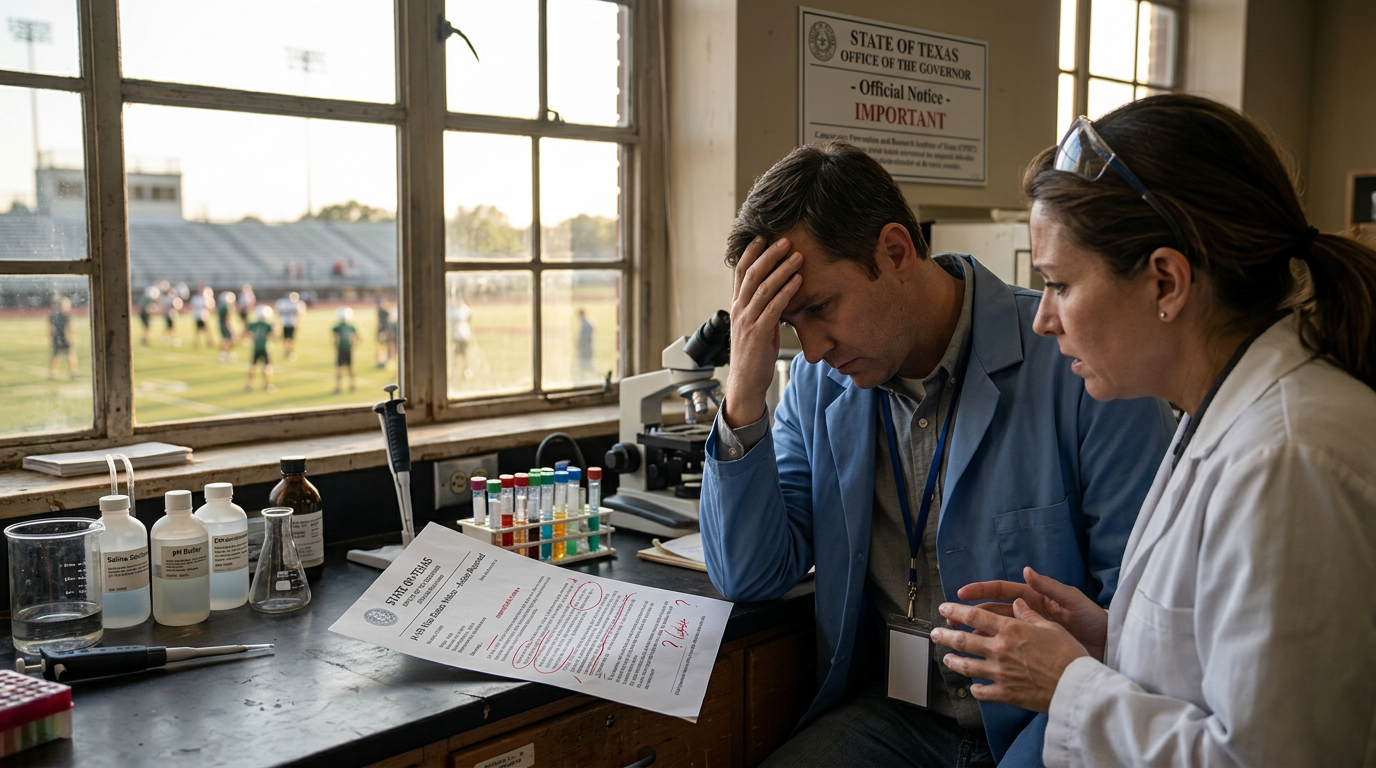
Governor Greg Abbott is facing scrutiny over proposed restrictions regarding H-1B visa holders, as critics and stakeholders worry these measures could derail the multibillion-dollar cancer research industry in Texas. Since the 2007 inception of the Cancer Prevention and Research Institute of Texas (CPRIT), the state has committed billions of dollars to attract top-tier global talent to its medical hubs. This news highlights a growing tension between state executive immigration priorities and the long-term scientific objectives established by the Texas Legislature and approved by voters. Historically, Texas has leveraged high-skill visa programs to bolster its reputation as a leading center for biomedical innovation, making any shift in visa accessibility a matter of extreme fiscal and medical significance. The debate centers on how state-level mandates might limit the ability of public and private institutions to host foreign researchers who are central to clinical trials and laboratory breakthroughs. While the Governor’s office has emphasized the need for domestic security and the prioritization of American workers, medical advocates point to a specialized labor shortage that only global recruiting can currently address. This intersection of border security rhetoric and laboratory practicalities creates a complex challenge for the state's flagship medical universities. The timing is particularly critical as CPRIT continues its mandate to distribute significant grants aimed at curing various forms of cancer, many of which rely on teams led by international specialists.
Texas relevance
This issue is central to the Texas economy and the health of its citizens, specifically affecting the Texas Medical Center in Houston and research parks in San Antonio and Austin. Because Texans voted to fund CPRIT through billions in state bonds, any policy that limits the effectiveness of that money directly impacts Texas taxpayers. The state has an outsized stake in the 'war on cancer,' and the ability of institutions like MD Anderson or UT Southwestern to recruit remains a cornerstone of the Texas 'Economic Miracle' narrative. If research stalls, Texas loses its competitive edge against states like Massachusetts or California in the race for federal NIH funding and pharmaceutical partnerships.
The Evolution of CPRIT and the Strategic Importance of Global Talent
The Cancer Prevention and Research Institute of Texas, commonly known as CPRIT, was established following a constitutional amendment in 2007. This bold move by Texas voters authorized the state to issue $3 billion in bonds to fund groundbreaking cancer research and prevention programs. In 2019, voters further demonstrated their commitment by doubling that investment, authorizing another $3 billion. This massive financial engine was designed to propel Texas ahead of other states by offering researchers resources that are unavailable elsewhere.
To fulfill the promise of these billions, Texas institutions have historically recruited the best minds from around the world. These researchers often enter the United States under the H-1B visa program, which is specifically designed for 'specialty occupations' requiring high-level technical or scientific expertise. Because the pool of domestic candidates with highly specialized PhDs in niche oncology fields is limited, the H-1B program serves as a critical pipeline for the state’s medical workforce.
The current tension arises from proposals that would seek to limit how these visa holders interact with state agencies or set new residency requirements that could complicate their employment. For an organization like CPRIT, which relies on a rigorous peer-review process and the recruitment of 'CPRIT Scholars,' any friction in the visa process could lead to the loss of millions in grant money when a lead investigator is unable to fulfill their contract due to legal or administrative hurdles.
Potential Disruptions to Clinical Trials and Laboratory Labor
In the realm of advanced medicine, research is not a solitary endeavor but a team-based process that often spans decades. Many of the lead scientists currently spearheading clinical trials for leukemia, breast cancer, and pancreatic cancer at Texas universities are on H-1B visas. If new state-level restrictions are enacted, these individuals could face uncertainty regarding their legal status within state-funded facilities. This uncertainty can cause projects to freeze, as the specialized knowledge required to lead a specific trial cannot be easily replaced.
Furthermore, laboratories across Texas serve as training grounds for the next generation of scientists. By hosting international experts, Texas students and junior researchers gain exposure to global methodologies without leaving the state. Restricting the flow of these experts doesn't just halt current projects; it potentially degrades the educational quality of Texas medical schools. This ripple effect could eventually lead to lower rankings for Texas institutions and a decline in future federal funding allocations.
The institutional risk is particularly high for the University of Texas System and Texas A&M University. These entities manage thousands of researchers who are integral to the state’s medical economy. If Abbott's restrictions become law, these institutions may find themselves in a difficult position, forced to choose between following state directives and maintaining their status as world-class research hubs that require global collaboration.
The Intersection of State Sovereignty and Workforce Development
Governor Abbott’s focus on H-1B visas is part of a broader strategy to exert more control over how non-citizens contribute to the Texas economy. The administration identifies this as a matter of securing the local labor market for Texas citizens and ensuring that state-funded roles prioritize domestic applicants. This 'Texas-first' approach is a consistent theme in the Governor's recent legislative priorities, aiming to reduce reliance on foreign-born labor across several sectors, including technology and healthcare.
However, critics within the medical community argue that the H-1B program is already highly regulated and does not displace Texas workers. Instead, they contend that these visas fill 'market gaps' where there simply aren't enough qualified candidates to handle the volume of research being funded. By adding state-level layers of regulation on top of federal immigration law, the Governor may inadvertently create a bureaucratic environment that discourages top-tier scientists from choosing Austin, Houston, or Dallas over competing cities.
This debate highlights a fundamental question for Texas lawmakers: can the state maintain its aggressive stance on border and immigration policy while simultaneously fostering an environment that welcomes high-skill international professionals? The resolution of this tension will likely define the next decade of the Texas medical industry and determine whether the state’s multibillion-dollar investment in cancer research yields the cures it promised to voters.
Economic Implications for the Texas Medical Center
The Texas Medical Center (TMC) in Houston is the largest medical complex in the world. It is a massive driver of the Houston-area economy, providing hundreds of thousands of jobs and attracting patients and investors from every continent. The TMC relies heavily on the talent pool provided by international recruitment. If the Governor’s proposed restrictions include limitations on the use of state funds for visa holders, the TMC could see a direct impact on its operational capacity.
Beyond the immediate loss of research staff, there is the issue of private-sector spinoffs. Many researchers who come to Texas via state-funded grants eventually start biotech companies that create further jobs for Texans. If the initial research phase is hindered by visa restrictions, this pipeline of innovation and entrepreneurship could dry up. This would jeopardize the state's goal of becoming the 'Third Coast' for biotechnology, rivaling the hubs in the Northeast and the West Coast.
Investors and venture capital firms often follow the talent. If Texas becomes perceived as a state where it is difficult to maintain a stable, international research team, capital may flow to other states with more predictable regulatory environments. This shift would represent a significant lost opportunity for Texas taxpayers, who have seen their bond investments grow into a thriving ecosystem of medical and economic prosperity.
Legislative Outlook and Potential Reform
As the Texas Legislature prepares to debate these proposals, lawmakers will have to weigh the political benefits of strict immigration stances against the practical needs of the state’s premier medical institutions. Some members of the legislature have already expressed concern that broad-brush restrictions might have unintended consequences for the scientific community. There may be efforts to carve out exceptions for researchers and medical professionals who are funded by specific state grants like those from CPRIT.
On the other hand, proponents of the restrictions argue that the state must have total oversight of all individuals working within state-supported frameworks. They believe that even high-skill programs should be subject to the same scrutiny as other immigration channels. This fundamental disagreement over the scope of state authority vs. economic necessity is expected to be a major point of contention in upcoming sessions in Austin.
Ultimately, the fate of Texas cancer research may depend on the specific language of any executive order or legislation. If the rules allow for flexibility in the scientific sector, the impact may be mitigated. However, if the restrictions are absolute, Texas could face a significant setback in its mission to lead the world in cancer prevention and treatment, potentially wasting years of progress and billions in previous investments.
Analysis
From a policy perspective, Governor Abbott is navigating a narrow path between upholding strict immigration stances and protecting a legacy of state-backed scientific achievement. While the push for visa restrictions aligns with broader efforts to assert state sovereignty over immigration matters, it risks creating an internal conflict with the state's own economic development goals. If high-skill researchers perceive Texas as a legally hostile environment for foreign nationals, it could trigger a 'brain drain' where innovation moves to other jurisdictions. This scenario presents a political risk for the administration, as CPRIT has historically enjoyed broad bipartisan support among Texas voters who prioritize medical advancement over partisan border debates.
Source attribution
This story was reported using a public release from the r/TexasPolitics. Keep TX Red rewrote the coverage independently and links to the official statement for verification.
Frequently Asked Questions
- What is CPRIT and why does it matter to Texas?
- The Cancer Prevention and Research Institute of Texas (CPRIT) is a state-funded agency created by a constitutional amendment. It provides billions in grants to attract top researchers to Texas to study cancer. It is important because it has turned Texas into a global leader in biomedical research and brings significant economic activity to the state.
- Why is the Governor proposing restrictions on H-1B visas specifically?
- The Governor’s office seeks to prioritize domestic workers for state-funded roles and ensure that Texas-funded initiatives are aligned with his administration's broader immigration and security policies. The goal is to assert state control over who is employed under state-sponsored programs.
- How would visa restrictions affect a cancer patient in Texas?
- If research teams are disrupted, clinical trials for new treatments could be delayed or cancelled. This means that patients waiting for experimental therapies might lose access to the latest medical breakthroughs developed right here in Texas.
- Can a state legally restrict federal H-1B visa holders?
- While the federal government handles the issuance of visas, a state can set rules on how state funds are used for employment or create residency requirements for certain state-related roles. This creates a legal gray area that often results in court challenges regarding the limits of state versus federal authority.
Official Sources
Take the next step
Browse the Newsroom →Read more about Keep Texas Red → Our full guide to what Keep Texas Red means and why Texans support it.
Get Texas updates delivered weekly.
Independent Texas reporting on politics, policy, and daily life. One email a week. Unsubscribe anytime.
Keep TX Red Newsroom
The Keep Texas Red Editorial Staff produces nonpartisan explainers, policy breakdowns, and educational resources to help Texans understand how their government works. All content is reviewed for accuracy and updated regularly.
About Keep TX Red →