Harlan Crow: Dallas Billionaire Loans Private Collection of Historic Statues to White House
Texas billionaire Harlan Crow provides sculptures for the White House garden, sparking dialogue over his private historical collection.
Editorial disclaimer: Opinions and analysis on Keep TX Red are editorial content — not statements of fact. See our editorial standards.
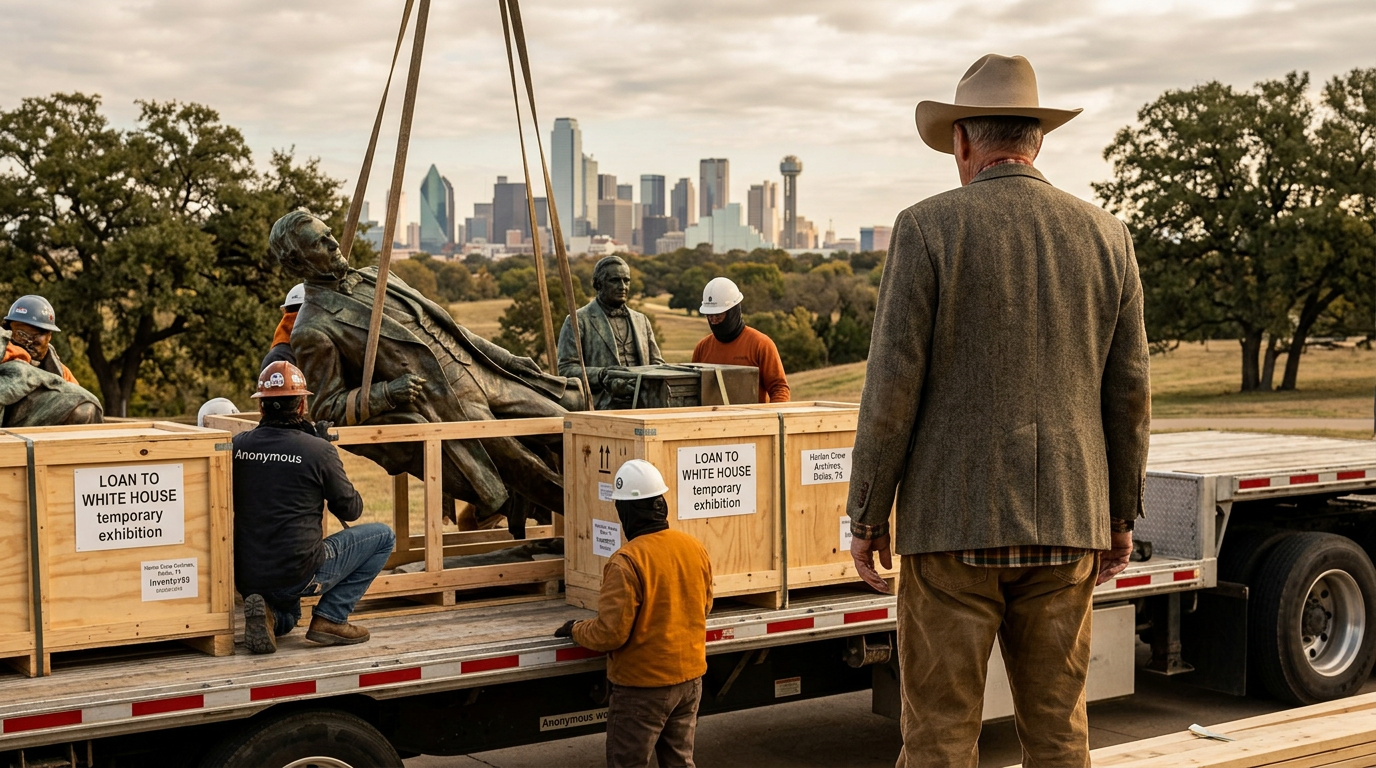
In an unexpected intersection of private collection and public display, Dallas real estate mogul Harlan Crow has facilitated the loan of several bronze sculptures to the White House for a temporary exhibition starting in early 2026. The move involves works from Crow’s extensive private archives, which are typically housed at his Dallas estate. This transition of art from a private Texas residence to the nation's most famous official residence highlights the ongoing role of wealthy benefactors in shaping the aesthetic and historical environment of federal institutions. Historically, the White House has frequently utilized loans from private citizens and museums to rotate its displays, ensuring the decor reflects various eras of American and global history. Crow, the chairman emeritus of Crow Holdings, has for decades been a prominent figure in North Texas philanthropy and business. His private collection, which includes a vast library and a world-renowned sculpture garden, has previously been the subject of significant public discourse due to the inclusion of controversial historical items. The current loan to the White House, however, focuses on pieces intended to complement the executive mansion's existing grounds. This event marks a distinct moment where a high-profile Texan is directly influencing the visual landscape of the White House under the Biden administration.
Texas relevance
This story is deeply rooted in the Dallas political and social ecosystem. Harlan Crow is a central figure in Texas real estate and a notable donor to various causes within the state. The fact that a Dallas resident is providing historical artifacts to the White House underscores the reach of Texas-based collectors. In Texas, the preservation of history through private means is a long-standing tradition, often sparking debate over how various historical eras are represented and archived. For North Texans, the global exposure of a local collection serves as a reminder of the immense cultural and financial capital concentrated within the Dallas-Fort Worth Metroplex.
The Evolution of a Private Collection
Harlan Crow’s collection in Dallas began decades ago as a personal pursuit to archive important moments in global history. Over time, it grew into one of the most comprehensive private holdings in the United States, featuring original documents, rare books, and large-scale sculptures. The Dallas estate often serves as a meeting ground for scholars and guests interested in the specific historical themes Crow has curated, ranging from Western civilization to the Cold War.
The collection is divided between indoor galleries and an outdoor garden. The outdoor space is particularly famous for housing decommissioned statues of former world leaders, many of which were salvaged after the fall of various regimes. This focus on 'fallen leaders' has made the collection a point of interest for both historians and social critics who debate the ethics of displaying artifacts from oppressive governments in a private setting.
White House Art Procurement Policies
The White House maintains a specific process for acquiring and displaying art, which often involves the White House Historical Association and the Committee for the Preservation of the White House. Loans from private citizens are a standard part of this process, allowing the executive mansion to present a diverse array of pieces without the permanence of a purchase. These loans are typically vetted for their historical significance and their compatibility with the existing architecture and landscape.
The current loan from Crow follows these established protocols. While the specific titles of the bronze works have not been broadly publicized, they are intended to be part of a temporary rotation. This practice ensures that each administration can leave a unique stamp on the residence’s atmosphere while relying on the generosity of American collectors who are willing to share their private items with the public for a limited duration.
Contextualizing the Controversy
Much of the public conversation regarding Harlan Crow centers on his ownership of items that relate to the Third Reich and other authoritarian regimes. Crow has consistently defended these acquisitions as part of a commitment to never forgetting the horrors of history. He maintains that preserving these artifacts is a way to ensure future generations understand the gravity of past ideologies and the consequences of their rise to power.
Critics, however, argue that the presence of such items can be misinterpreted as a lack of sensitivity toward the victims of those regimes. This background makes any collaboration between Crow and a public institution like the White House a subject of intense media scrutiny. The debate often circles back to the question of whether an object can be separated from the intent of its owner or the context of the larger collection from which it originated.
Economic Impact of Crow Holdings in Texas
Beyond his role as a collector, Harlan Crow’s impact on the Texas economy through Crow Holdings is substantial. The firm is a major player in industrial, office, and multi-family real estate developments across the state. This economic footprint provides Crow with a unique level of influence within Texas, as his business decisions often correlate with urban growth and job creation in major metropolitan areas like Dallas and Houston.
The success of his business ventures has provided the capital necessary to amass his historical collection. This cycle of Texas-based wealth leading to national cultural influence is a common theme in the state’s history, where industrial tycoons often transition into roles as curators and philanthropists. Crow follows in the footsteps of other Texas figures who have utilized their private wealth to contribute to the nation’s cultural repositories.
The Future of Public-Private Partnerships in Art
The loan of these sculptures may set a precedent for how other large private collections interact with federal institutions. As the cost of maintaining and securing high-value art grows, public museums and government entities are increasingly looking toward private donors to fill gaps in their displays. This creates a symbiotic relationship where the collector gains prestige and the public gains access to rare works.
In the future, we may see more Texas billionaires following Crow’s lead in lending pieces of their personal archives to Washington. This trend would further cement Texas’s role as a major source of historical and artistic material for the federal government. It also ensures that the artifacts held in the 'Lone Star State' continue to have a voice in the national narrative told through the halls and gardens of the White House.
Analysis
The decision to accept art from Harlan Crow is a notable strategic move for the White House, considering the polarized views surrounding Crow’s wider collection. While the specific sculptures on loan may be academically or historically neutral, the association with Crow inevitably brings his larger, more controversial holdings back into the spotlight. Some observers might see this as the White House prioritizing historical continuity and art quality over the optics associated with the donor. Conversely, it could be interpreted as an attempt to find common ground in the realm of history and art, independent of partisan divides. In the context of Texas politics, Crow's involvement highlights how top-tier donors maintain relevance across administrations, utilizing their vast resources to bridge the gap between regional influence and national prominence.
Source attribution
This story was reported using a public release from the r/texas. Keep TX Red rewrote the coverage independently and links to the official statement for verification.
Frequently Asked Questions
- What kind of art did Harlan Crow loan to the White House?
- The loan consists of bronze sculptures from his private collection. While the exact pieces have not been specifically cataloged for the public, they are intended for the exterior grounds and complement the historical aesthetic of the White House.
- Why is Harlan Crow's collection considered controversial?
- The collection includes artifacts from various historical eras, including items related to Nazi Germany and former communist regimes. Crow maintains these are kept for historical preservation, while critics debate the appropriateness of possessing such items privately.
- How long will the art remain at the White House?
- These loans are typically temporary and part of a rotating display managed by the White House Historical Association. A specific end date for the loan has not been publicly announced.
Official Sources
Take the next step
Browse the Newsroom →Read more about Keep Texas Red → Our full guide to what Keep Texas Red means and why Texans support it.
Get Texas updates delivered weekly.
Independent Texas reporting on politics, policy, and daily life. One email a week. Unsubscribe anytime.
Keep TX Red Newsroom
The Keep Texas Red Editorial Staff produces nonpartisan explainers, policy breakdowns, and educational resources to help Texans understand how their government works. All content is reviewed for accuracy and updated regularly.
About Keep TX Red →