Austin City Council Set to Vote on Multi-Million Dollar Bond for Aging Parks Infrastructure
Austin leaders face a Thursday deadline to move forward with a substantial park infrastructure bond amid concerns over aging facilities and taxpayer impact
Editorial disclaimer: Opinions and analysis on Keep TX Red are editorial content — not statements of fact. See our editorial standards.
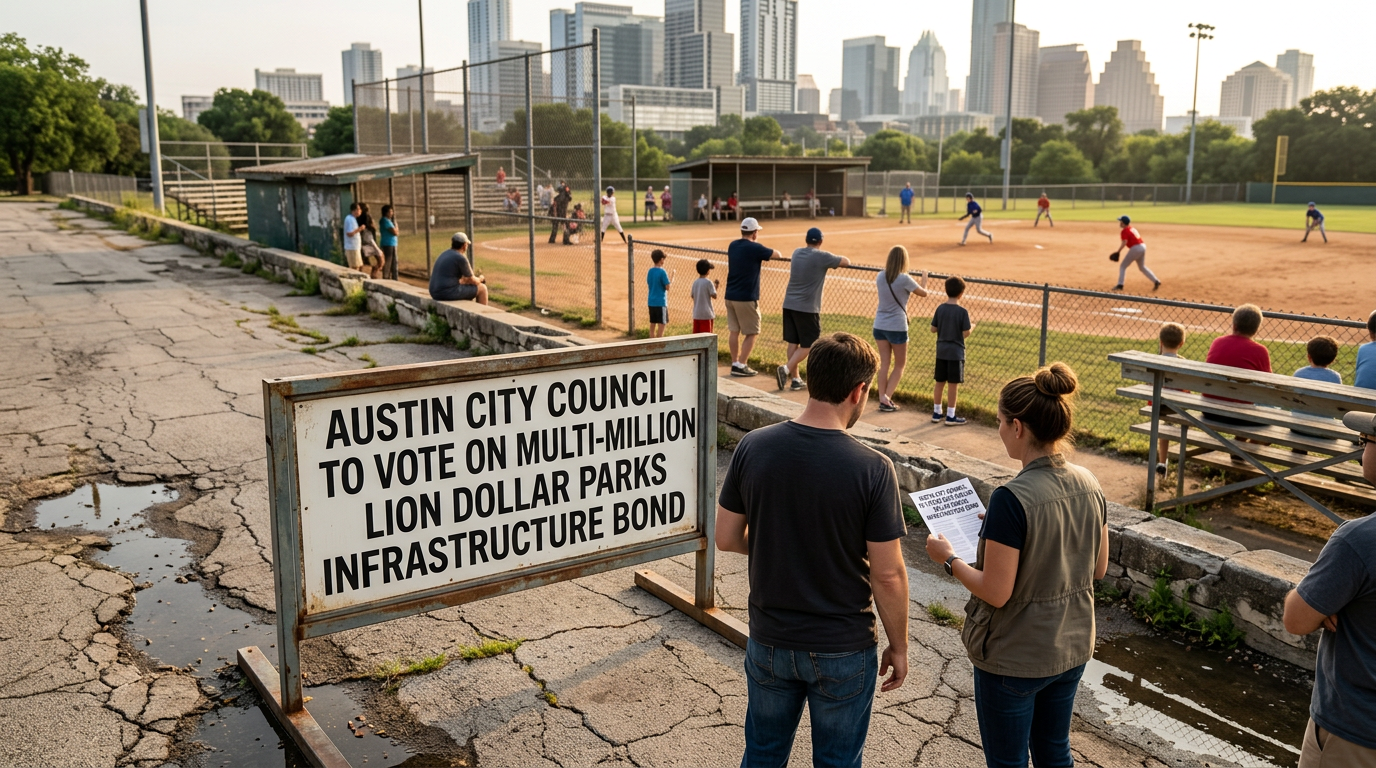
The Austin City Council is scheduled to convene this Thursday, July 23, to deliberate on the future of the city's park system and a proposed bond package aimed at addressing widespread infrastructure decay. This upcoming session marks a critical point for local governance as officials decide whether to ask residents to approve new debt to remediate years of facility maintenance backlogs. For residents, this move represents a potential shift in the city's financial priorities, focusing heavily on the physical assets that define the community's outdoor life. The debate centers on how to balance the immediate need for repairs with the long-term fiscal health of the municipality. Historical data suggests that Austin's park infrastructure has faced mounting pressure from rapid population growth and environmental wear. Many of the city's most iconic outdoor spaces were designed for a significantly smaller population, leading to the current strain on irrigation systems, structural integrity of restrooms, and the safety of trail networks. The Thursday vote serves as the formal mechanism to place these funding requirements before the electorate, setting the stage for a broader public discourse on how much the city is willing to borrow to sustain its green spaces. The primary focus of the council's upcoming decision is the authorization of specific bond language that would appear on a future ballot.
Texas relevance
As the capital of Texas, Austin's approach to municipal debt and infrastructure serves as a bellwether for other fast-growing cities across the Lone Star State. Texas has historically seen a tension between the need for robust public amenities and the conservative desire to limit local tax burdens. The decisions made by the Austin City Council regarding this bond will directly impact property owners in Central Texas, as bond approvals typically correlate with adjustments in the local debt service portion of property taxes. Furthermore, the outcome of this park funding debate will influence the quality of life for the hundreds of thousands of Texans who utilize Austin's regional park facilities annually, making this a matter of statewide interest regarding urban management and fiscal responsibility.
The State of Austin's Outdoor Facilities
The current condition of Austin’s parks has become a central point of contention for local residents and city planners alike. Reports from the Austin Parks and Recreation Department indicate that several key facilities require immediate structural interventions to remain safe for public use. These issues range from failing plumbing in heritage sites to the erosion of drainage systems that protect the city's water quality.
Because many of these parks serve as the 'lungs' of the city, their deterioration not only affects recreational opportunities but also impacts the local environment. The proposed bond is intended to cover a wide array of projects, from basic safety upgrades to the complete overhaul of aging pool filtration systems. Without the injection of capital from a bond, officials warn that some facilities may face temporary or permanent closures.
Fiscal Implications and Taxpayer Impact
Issuing municipal bonds is the primary way Texas cities fund large-scale projects, but it comes with a long-term cost. Each bond approved by voters adds to the city’s debt profile, which is repaid through property tax revenues. In a city where property valuations have already seen significant increases, the introduction of a new bond package is met with a high level of scrutiny from fiscal hawks.
The Austin City Council must weigh the public demand for high-quality parks against the economic reality of the current inflationary environment. The debate on Thursday is expected to include discussions on the exact dollar amount of the bond and whether the package should be split into multiple propositions. This would allow voters to choose which specific types of park improvements they are willing to fund, rather than facing an all-or-nothing scenario.
Prioritizing Maintenance vs. Expansion
A recurring theme in Austin’s infrastructure debate is the balance between maintaining existing assets and acquiring new land for future parks. As the city footprint expands, there is natural pressure to build new playgrounds and community centers in outlying areas. However, the 'aging infrastructure' highlighted in the current bond proposal focuses largely on established, central locations that have seen the most wear and tear.
Public feedback has shown a divide in priorities. Some residents believe the city should focus exclusively on fixing what is broken before considering any new developments. Others argue that if the city does not acquire more parkland now, the opportunity to do so in the future will be lost to private developers. The council's decision on Thursday will signal which direction the city intends to take for the next decade of park management.
Historical Context of Austin Parks Bonds
Austin has a long history of seeking voter approval for park improvements, but the scale of the current 'maintenance backlog' is unprecedented. Past bond cycles have successfully funded the revitalization of areas like Waterloo Park, yet older facilities across the city have simultaneously slipped into disrepair. This cycle of building new landmarks while neglecting neighborhood parks has led to the current sense of urgency.
Texas law requires that bonds be approved for specific purposes, and the language used on the ballot is strictly regulated. This makes the council's role in drafting the bond resolution this week vital. They must ensure that the descriptions are clear enough to meet legal standards while accurately reflecting the needs of the various park districts across Austin.
The Role of the Parks and Recreation Department
The Austin Parks and Recreation Department (PARD) is responsible for managing over 300 parks and more than 200 miles of trails. As the primary stakeholder in this bond process, PARD provides the technical assessments that justify the funding requests. Their data suggests that without a significant investment, the cost of emergency repairs will eventually exceed the cost of proactive renovation.
On Thursday, the council will look to PARD's assessments to determine if the proposed bond amount is sufficient to close the current gap. The department’s ability to execute these projects on time and within budget will also be a major point of discussion, as previous city projects have occasionally faced delays that frustrated the public.
Community Stakeholders and Advocacy
Local advocacy groups and neighborhood associations are expected to voice their opinions leading up to the Thursday vote. These groups often champion specific parks in their regions, advocating for their inclusion in the final bond package. The political pressure from these diverse groups often makes the council's task of narrowing down the project list extremely difficult.
While there is broad support for parks in general, the specific allocation of funds is where the conflict arises. Central Austin residents may push for heritage site preservation, while those in East or South Austin may prioritize basic amenities like lighting and shade structures. The outcome of the council's vote will reflect how these competing interests are balanced within the city’s overall vision.
Analysis
From a policy perspective, the push for a new parks bond reflects a chronic issue within local Texas governments: the preference for high-profile new projects over the mundane realities of facility maintenance. By allowing infrastructure to reach a state of 'aging distress' before seeking bond funding, the city essentially forces voters into a corner. Critics argue that maintenance should be a consistent line item in the annual general fund rather than a periodic debt crisis. However, supporters of the bond likely see this as the only viable path to catch up with the sheer scale of the repairs needed. For the taxpayers, the 'opinion' here is often split between the desire for world-class parks and a growing fatigue regarding the increasing cost of living in Travis County. Thursday's vote is not just about grass and swings; it is about the city’s ability to manage its growing pains without overwhelming the residents who foot the bill.
Source attribution
This story was reported using a public release from the r/austin. Keep TX Red rewrote the coverage independently and links to the official statement for verification.
Frequently Asked Questions
- What happens if the City Council votes against the bond on Thursday?
- If the council does not approve the bond resolution, the proposal will not appear on the upcoming ballot. This would likely mean that the Parks and Recreation Department would have to continue relying on its existing annual budget for repairs, which officials state is insufficient to address the current infrastructure decay.
- How will this bond affect my property taxes?
- Bonds are repaid using money from the city's debt service tax rate. If voters approve new bonds, it generally prevents that portion of the tax rate from decreasing and can lead to an overall increase if the total debt service requirements exceed current revenue levels. The specific impact depends on the total amount authorized and the city's overall financial management.
- Which parks will receive funding from this bond?
- The specific list of projects is finalized during the council's voting process. Generally, the focus is on city-wide infrastructure updates, including restrooms, irrigation, and structural repairs at both large regional parks and smaller neighborhood locations. Check the official council agenda for the detailed list of high-priority sites.
Official Sources
Take the next step
Browse the Newsroom →Read more about Keep Texas Red → Our full guide to what Keep Texas Red means and why Texans support it.
Get Texas updates delivered weekly.
Independent Texas reporting on politics, policy, and daily life. One email a week. Unsubscribe anytime.
Keep TX Red Newsroom
The Keep Texas Red Editorial Staff produces nonpartisan explainers, policy breakdowns, and educational resources to help Texans understand how their government works. All content is reviewed for accuracy and updated regularly.
About Keep TX Red →