Texas Enforces Stricter Immigration Standards to Curb Birth Tourism Schemes
Texas law enforcement and federal agencies increase scrutiny on international visitors to prevent birth tourism and ensure medical payment compliance.
Editorial disclaimer: Opinions and analysis on Keep TX Red are editorial content — not statements of fact. See our editorial standards.
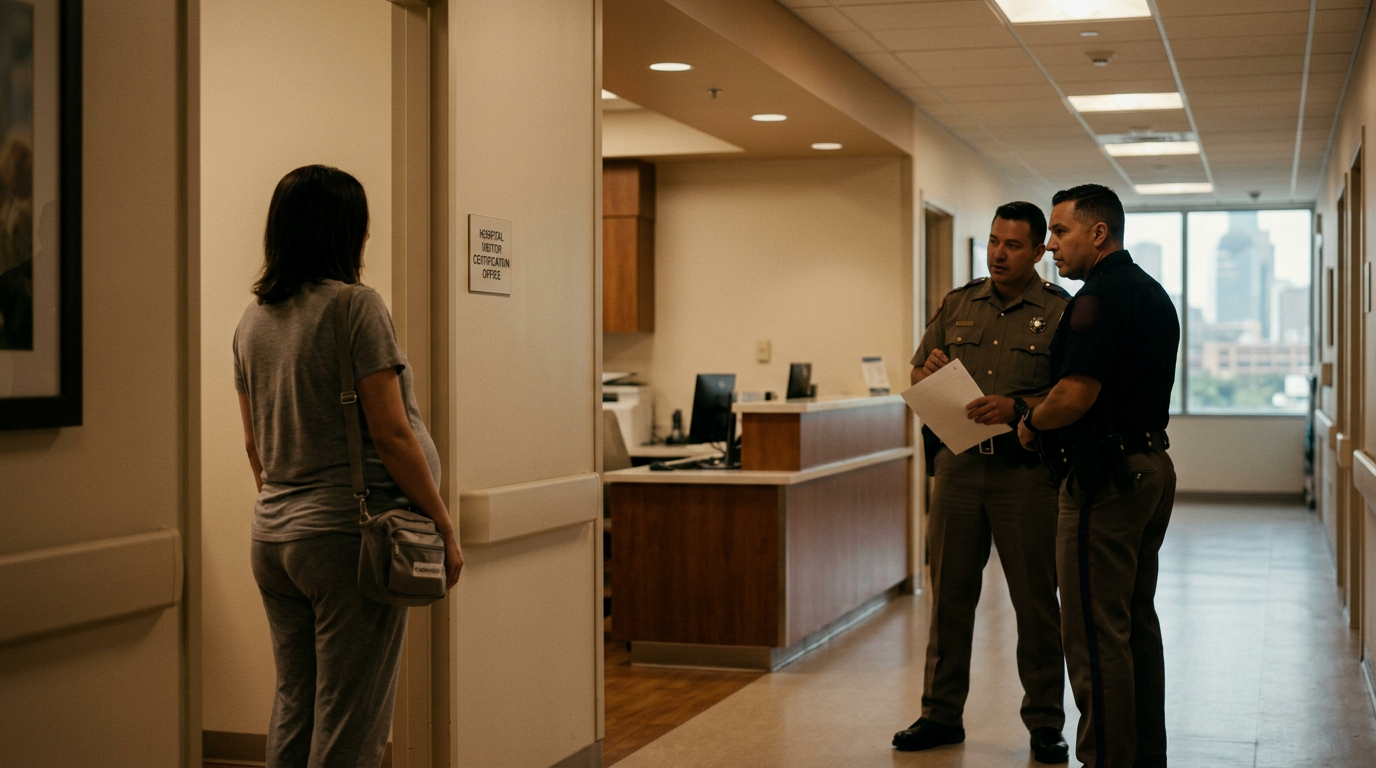
On July 20, 2026, officials highlighted an intensified effort to identify and prevent 'birth tourism' within the borders of Texas. This practice involves foreign nationals traveling to the United States on temporary visas with the specific intent of giving birth so their children automatically receive U.S. citizenship. State and federal agencies are coordinating to ensure that international visitors are strictly complying with entry rules, specifically focusing on those who may be misrepresenting their reasons for travel during the visa interview or at ports of entry. The crackdown is intended to preserve the integrity of the immigration system and protect local Texas medical resources from being utilized by those who may not have the financial means to cover their healthcare costs or who intend to exploit legal loopholes.
Texas relevance
As a major gateway for international travel and a state with world-class medical facilities, Texas is uniquely impacted by birth tourism. Major metropolitan areas like Houston and Dallas, which house the Texas Medical Center and significant international airports, often serve as hubs for these activities. The state has a vested interest in ensuring that visitors arriving for medical reasons are doing so transparently and have the financial capacity to pay for private care. History shows that when birth tourism operations proliferate, they can saturate local neonatal intensive care units and create administrative burdens for Texas hospitals tasked with issuing birth certificates and managing social services for temporary residents. By leading the charge in enforcement awareness, Texas is signaling that it will not tolerate the exploitation of its medical infrastructure for the purpose of bypassing standard immigration pathways.
The Logistics of Birth Tourism in Texas
Birth tourism often involves complex networks that provide expectant mothers with lodging, transportation, and medical arrangements. These operations frequently advertise 'birth hotels' or apartment complexes in Texas suburbs where women can stay for several months leading up to their due dates. By masking their true intentions, these visitors often apply for B-1/B-2 visitor visas, claiming they are coming for traditional tourism or brief business meetings.
Law enforcement has noted that these schemes frequently involve coaching on how to hide pregnancies during customs interviews and how to navigate the American healthcare system without leaving a paper trail of unpaid debt. The recent crackdown aims to dismantle these support networks by identifying the facilitators who profit from arranging these trips and ensuring that visitors are held accountable for the statements made on their visa applications.
Strengthening Visa Compliance and Medical Planning
A central component of the new awareness effort is the requirement for travelers to demonstrate 'medical planning.' Foreign nationals seeking to enter the U.S. for medical reasons must provide evidence that they have a pre-arranged appointment with a physician and the financial resources to pay for all anticipated costs. In Texas, where healthcare costs can be substantial, this documentation is becoming a primary focus for consular officers who review visa requests.
Failure to disclose the intent to give birth is considered a form of visa fraud. If a traveler is found to have lied to an officer about their medical condition or the purpose of their visit, they face immediate deportation and a permanent ban from re-entering the country. Texas officials are working with federal partners to ensure that the standards for medical travel are applied consistently at all major Texas points of entry.
Impact on Lawful International Visitors
While the enforcement focuses on bad actors, it also serves as an educational tool for legitimate travelers. Understanding U.S. entry rules is vital for anyone visiting Texas for recreation or business. The increased scrutiny means that all visitors should be prepared to answer detailed questions regarding their stay, their living arrangements, and their ability to sustain themselves financially while in the state.
The goal is not to discourage tourism, which remains a vital part of the Texas economy, but to ensure that the rules are followed. By clarifying the legal requirements for entry and the consequences of immigration non-compliance, authorities hope to reduce the number of visitors who inadvertently find themselves in violation of their visa terms while visiting the Lone Star State.
The Role of Customs and Border Protection
U.S. Customs and Border Protection (CBP) officers at Texas airports and land crossings are the first line of defense against birth tourism. These officers are trained to identify behavioral cues and inconsistencies in travel narratives. During the inspection process, officers may ask for proof of return travel and evidence of hotel reservations that align with the traveler’s stated purpose.
When an officer suspects that a traveler’s primary purpose is to give birth to obtain a U.S. passport for a child, they have the authority to deny entry. This proactive approach at the border serves as a deterrent to the birth tourism industry, making it more difficult for facilitators to guarantee successful entry for their clients. The enforcement actions in Texas are part of a broader national strategy to tighten the interpretation of visitor visa regulations.
Economic and Social Costs to Texas Communities
The economic implications of birth tourism in Texas extend beyond the immediate medical costs. When international visitors use local hospitals and then depart the country without settling their accounts, the financial loss is often absorbed by the hospitals or passed on to local residents through higher service costs. This places an undue burden on the Texas healthcare system, which is already under pressure from a growing population.
Socially, birth tourism creates a class of 'anchor babies' who may not return to the United States until they reach adulthood, yet possess all the rights of citizens who live, work, and pay taxes in Texas. By addressing this issue, Texas leaders are seeking to protect the integrity of the state's social fabric and ensure that rights and responsibilities are aligned for those who live within our communities.
Future Outlook for Immigration Policy
The ongoing crackdown is likely to lead to further policy refinements at both the state and federal levels. Texas lawmakers have historically been vocal about their desire for stricter border controls and more rigorous enforcement of existing immigration laws. This latest focus on birth tourism represents a specific tactical shift toward closing loopholes that allow for the legal entry of individuals with illegal intentions.
As Texas continues to grow as a global destination, the balance between welcoming legitimate visitors and deterring those who seek to exploit the system will remain a top priority. The collaboration between Texas law enforcement and federal agencies serves as a model for how states can take an active role in supporting immigration compliance and protecting their domestic resources from foreign exploitation.
Analysis
Opinion: The shift toward more aggressive enforcement of birth tourism laws is a necessary step in defending the value of U.S. citizenship and the rule of law in Texas. For years, specialized businesses have marketed 'birth packages' to wealthy foreign nationals, coaching them on how to deceive border agents. This not only mocks the millions who wait in line for legal immigration but also places an unfair burden on the taxpayer-funded infrastructure of the Lone Star State. While birth tourism is often viewed through a national lens, the practical consequences—unpaid medical bills and the logistical strain on municipal records—are felt locally. A firm stance on this issue confirms that entry into Texas is a privilege reserved for those who respect our laws and arrive with honest intentions.
Source attribution
This story was reported using a public release from the Texas Travel Stories (Google News). Keep TX Red rewrote the coverage independently and links to the official statement for verification.
Frequently Asked Questions
- What is birth tourism?
- Birth tourism is the practice of traveling to another country with the primary purpose of giving birth there to obtain citizenship for the child. In the United States, this is facilitated by the 14th Amendment, which grants citizenship to most people born on U.S. soil.
- Is it illegal to give birth in Texas as a foreign national?
- It is not inherently illegal to give birth while visiting, but it is a violation of visa rules to enter the U.S. on a visitor visa with the hidden intent of giving birth. Travelers must be honest about their medical conditions and intentions when applying for a visa or speaking with border officials.
- What happens if someone is caught participating in a birth tourism scheme?
- Individuals can face visa revocation, immediate deportation, and permanent bars from entering the U.S. Additionally, those who organize and profit from these schemes can be prosecuted for visa fraud, money laundering, and other federal crimes.
Official Sources
Take the next step
Browse the Newsroom →Read more about Keep Texas Red → Our full guide to what Keep Texas Red means and why Texans support it.
Get Texas updates delivered weekly.
Independent Texas reporting on politics, policy, and daily life. One email a week. Unsubscribe anytime.
Keep TX Red Newsroom
The Keep Texas Red Editorial Staff produces nonpartisan explainers, policy breakdowns, and educational resources to help Texans understand how their government works. All content is reviewed for accuracy and updated regularly.
About Keep TX Red →