Texas Increases Regulatory Oversight for Private Religious Education Institutions
Texas lawmakers examine private school accountability as a controversial whistleblower's claims trigger new investigations into religious institutions.
Editorial disclaimer: Opinions and analysis on Keep TX Red are editorial content — not statements of fact. See our editorial standards.
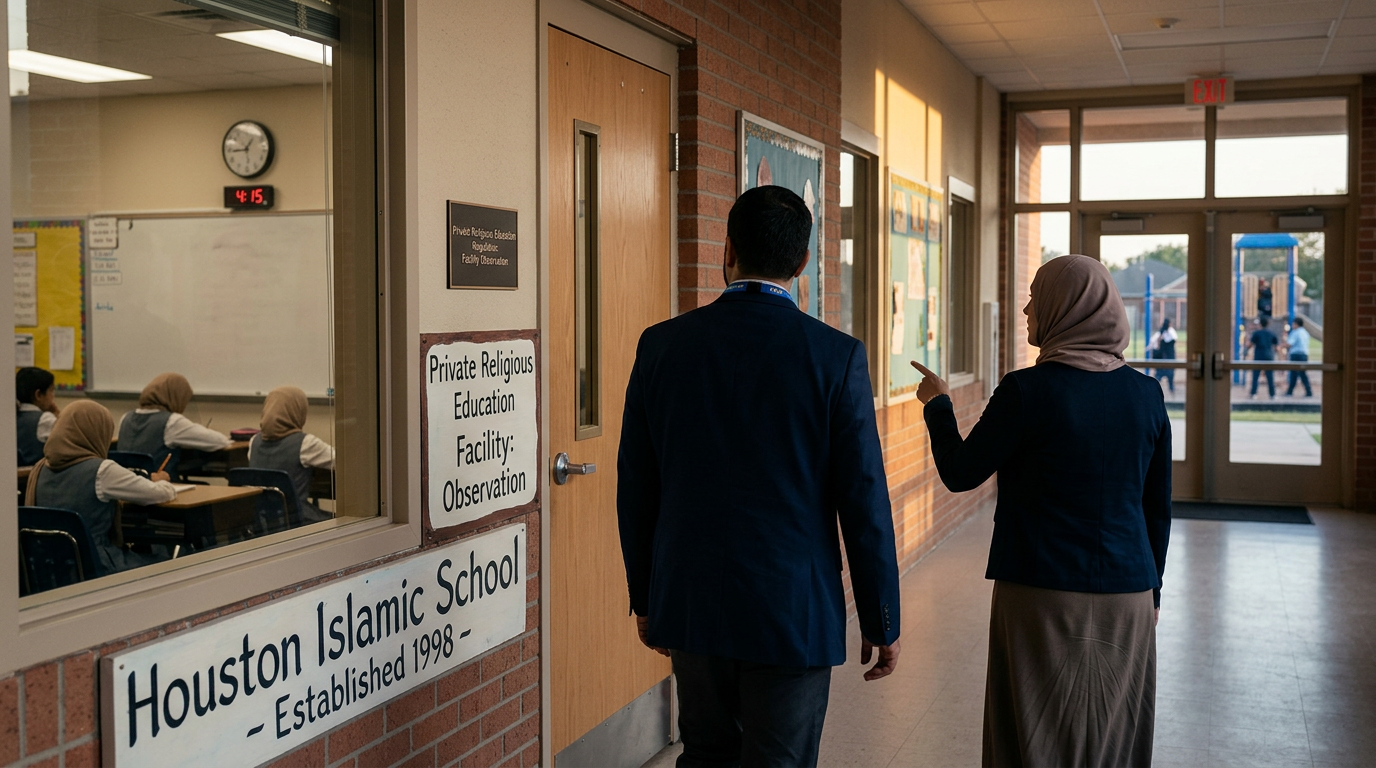
The Texas political landscape is currently grappling with a complex debate surrounding the boundary between religious institutional autonomy and state-mandated educational standards. This tension has recently escalated following a series of high-profile inquiries into Islamic private schools located within the state's major metropolitan hubs. Historically, Texas has maintained a hands-off approach to private education, fostering an environment where a diverse array of parochial schools can operate according to their specific tenets. However, new allegations concerning administrative practices and curriculum content have prompted state-level actors to reconsider the existing reporting requirements for non-public entities. This investigation was catalyzed by information provided by an individual who has previously faced legal challenges regarding the accuracy of his public claims, creating a significant point of contention regarding the reliability of the evidence used to initiate the probe. The situation underscores the ongoing friction between the state's commitment to school choice and the necessity of ensuring that all educational environments meet basic safety and legal thresholds.
Texas relevance
This issue is central to Texas because the state boasts one of the largest and most diverse private school markets in the United States. Cities like Houston, Dallas, and Austin host dozens of specialized religious academies that serve thousands of Texas families. For decades, Texas law has prioritized the rights of parents to choose alternative education pathways with minimal interference from Austin. But as the state moves toward expanding universal school vouchers or education savings accounts, the question of oversight becomes a critical legislative hurdle. If the state begins investigating these institutions based on external complaints, it sets a precedent that could eventually apply to Christian, Jewish, or non-secular private schools across the Lone Star State. The current investigation serves as a bellwether for how the Texas Education Agency and the Legislature might manage the balance between religious freedom and administrative accountability in the coming sessions.
The Origins of the Investigative Push
The current probe into several Islamic private schools in North Texas and the Houston area did not emerge from a standard internal audit or a series of parental complaints. Instead, it was sparked by a concerted effort from a specific whistleblower whose past is marked by legal disputes over the truthfulness of his statements. This individual has spent years tracking the activities of these religious centers, claiming that their internal governance does not align with state expectations for non-profit entities.
Lawmakers who have taken up this cause argue that the source's background is secondary to the weight of the evidence presented. They point to specific financial documents and curriculum guides that they claim warrant a closer look by the state's investigative arms. However, civil rights advocates within Texas argue that using information from a discredited source to launch state-funded inquiries into religious groups is a misuse of public resources and could lead to harassment.
Texas Law and Private School Autonomy
Under the Texas Education Code, private and parochial schools are largely exempt from the rigorous testing and administrative oversight that govern public districts. This lack of intervention is a cornerstone of Texas educational policy, designed to allow for a competitive market where parents can select schools that align with their personal values. This autonomy includes the freedom to design curriculum, set admissions standards, and manage finances without reporting to the Texas Education Agency.
The current investigation threatens to disrupt this long-standing status quo. If the state determines that it has the authority to intervene in the internal affairs of these schools based on allegations of administrative mismanagement, it may open the door for more intrusive legislation. This has caused concern among advocacy groups who fear that once the precedent for 'curriculum monitoring' is set, no private religious school in Texas will be safe from state interference.
Reliability of the Whistleblower
A central figure in this story is a man who was previously ordered by a court to pay substantial libel damages. This legal history is relevant because it speaks to the credibility of the information being funneled to state representatives. In the legal world, a track record of libel often disqualifies a person from being a primary witness, yet in the political world of the Texas Capitol, such individuals can sometimes find a sympathetic ear.
Critics of the investigation argue that the state is effectively laundering biased claims through official channels to give them the appearance of legitimacy. They suggest that the focus on Islamic schools, specifically, suggests a pattern of selective enforcement. Meanwhile, supporters of the inquiry maintain that the specific details regarding school operations are verifiable through independent means, regardless of the person who originally brought them to light.
Impact on Local Communities
The ripple effects of these investigations are being felt across the diverse communities of Garland, Plano, and Irving. These areas have seen rapid growth in their Muslim populations, leading to the establishment of schools that serve as both educational and cultural hubs. For families in these districts, the state's interest feels less like a search for truth and more like an intimidation tactic that could disrupt their children's learning environments.
Local leaders have expressed concern that the negative publicity could lead to a decrease in enrollment or difficulty in securing institutional funding. Since private schools rely on tuition and donations, the mere existence of an ongoing investigation can be financially devastating. There is a broad call for the state to provide more transparency regarding why these specific schools were targeted and what criteria are being used to evaluate their performance.
Legislative Fallout and Future Policy
As the next legislative session approaches, the findings of these investigations are expected to be used as fodder for new bills regarding school transparency. There is already talk of a 'Private School Transparency Act' that would require all non-public schools receiving any form of state benefit—even indirect ones like tax exemptions—to disclose more about their board members and financial health. This would represent a massive shift in Texas policy.
If such a bill were to pass, it would likely face significant legal challenges on both First and Fourteenth Amendment grounds. The Texas state constitution provides strong protections for religious exercise, and any law that is seen as targeting a specific faith group for additional scrutiny would be subject to strict scrutiny in the courts. This sets the stage for a judicial showdown that could redefine the role of the state in private life for the next generation.
The Role of the Texas Education Agency
While the TEA currently has limited power over private schools, it has been tasked with reviewing the allegations to see if any state laws regarding health and safety have been violated. This is often the 'foot in the door' that allows a regulatory agency to expand its reach. By focusing on safety codes or non-profit compliance, the TEA can bypass the traditional protections afforded to religious curricula.
Observers are watching to see if Commissioner Mike Morath and other state officials will maintain a narrow focus or if they will expand the scope of their review into the content of what is being taught. The distinction between 'administrative oversight' and 'content oversight' is the thin line that currently preserves the independence of the Texas private education system. Moving across that line would necessitate a total overhaul of the state's relationship with its non-public schools.
Analysis
While the investigation is framed as a matter of public safety and educational integrity, its origins raise significant ethical questions. The reliance on a source with a history of libel judgments suggests that political motivations may be influencing the state's investigative priorities. In the context of the broader push for school choice in Texas, these investigations may be used as leverage to implement stricter universal regulations that some conservative groups have traditionally opposed. Conversely, this may represent an attempt to satisfy a specific voter demographic by targeting minority religious institutions under the guise of transparency. The outcome of these inquiries will likely dictate whether Texas remains a bastion of private school independence or moves toward a more regulated European-style model where the state maintains a 'quality control' presence within private walls.
Source attribution
This story was reported using a public release from the r/texas. Keep TX Red rewrote the coverage independently and links to the official statement for verification.
Frequently Asked Questions
- Does the state of Texas have the authority to regulate what is taught in private schools?
- Currently, Texas law provides private and parochial schools with broad freedom over their curriculum. While they must provide a curriculum that covers basic subjects like citizenship and mathematics, the state does not have the power to approve textbooks or audit daily lessons in the same way it does for public schools.
- Why is the whistleblower's past significant to this story?
- The whistleblower in question has previously been found liable for defamation in a court of law. This raises questions about the validity of the claims he has presented to lawmakers and whether the state is using reliable information to justify its use of investigative resources.
- Will this investigation affect Christian or other religious schools in Texas?
- While the current focus is on Islamic schools, any legislative or regulatory changes that come from this probe would likely apply to all private schools. If the state gains more power to monitor these institutions, it could eventually lead to oversight of all religious education providers in Texas.
Official Sources
Take the next step
Browse the Newsroom →Read more about Keep Texas Red → Our full guide to what Keep Texas Red means and why Texans support it.
Get Texas updates delivered weekly.
Independent Texas reporting on politics, policy, and daily life. One email a week. Unsubscribe anytime.
Keep TX Red Newsroom
The Keep Texas Red Editorial Staff produces nonpartisan explainers, policy breakdowns, and educational resources to help Texans understand how their government works. All content is reviewed for accuracy and updated regularly.
About Keep TX Red →