Sid Miller Opposes New Lubbock Data Center over High Power Consumption Concerns
Texas Agriculture Commissioner Sid Miller joins Lubbock residents in protesting a massive data center project, citing concerns over the local power grid.
Editorial disclaimer: Opinions and analysis on Keep TX Red are editorial content — not statements of fact. See our editorial standards.
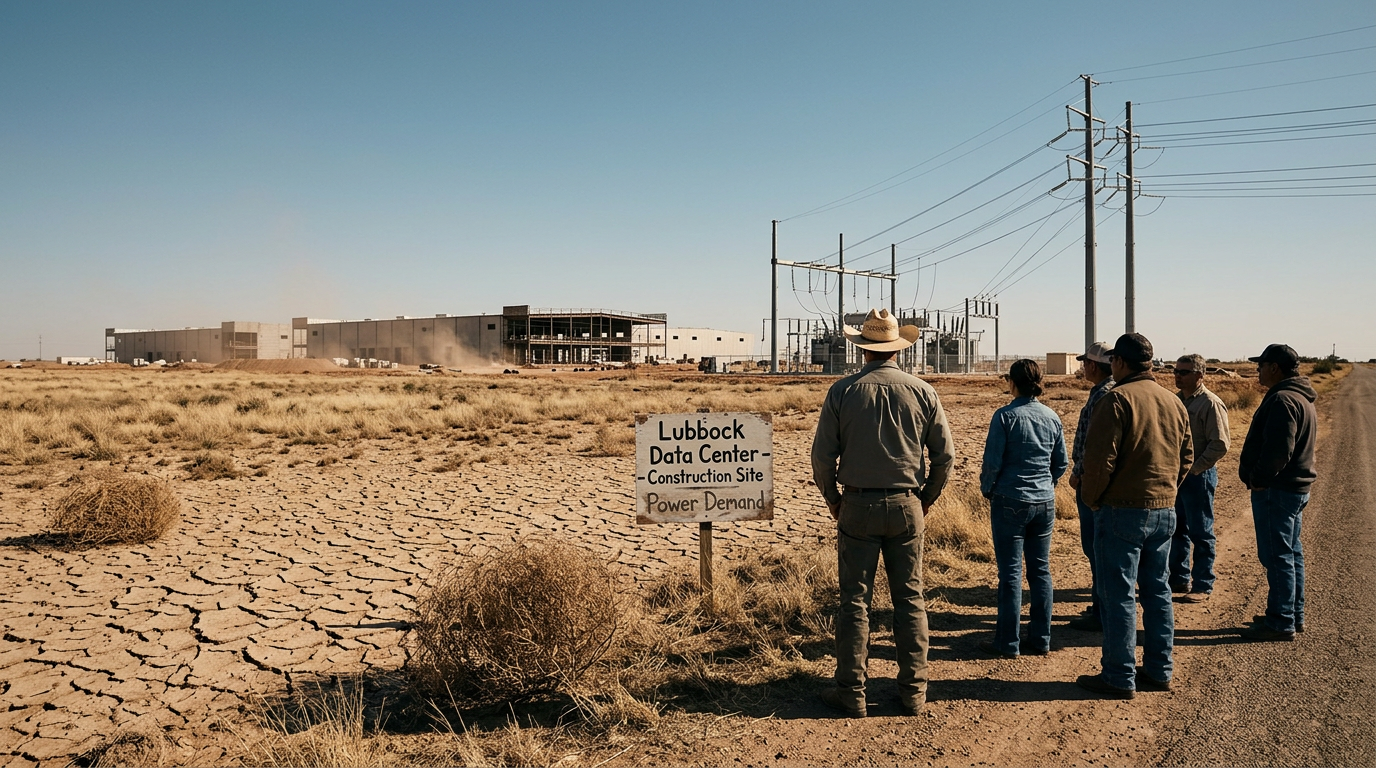
Texas Agriculture Commissioner Sid Miller made a high-profile appearance in Lubbock on July 20, 2026, to stand alongside local community members protesting the construction of a massive new data center. Historically, Texas has been a magnet for energy-intensive industries due to its deregulated market and independent grid. However, following the catastrophic Winter Storm Uri in 2021 and subsequent grid scares, rural and urban populations alike have become increasingly skeptical of projects that place massive demands on the Electric Reliability Council of Texas (ERCOT). Miller’s involvement signals a growing rift between traditional economic development goals and the localized concerns of the agricultural and residential sectors regarding utility stability. The protest centered on the potential strain the facility would place on the regional infrastructure. Residents in West Texas have expressed increasing frustration over the rapid expansion of cryptomining and AI-focused data hubs, which often consume as much power as a small city. Miller, speaking to a gathered crowd, framed the issue as one of resource protection, arguing that the state must prioritize its citizens and its primary agricultural producers over the energy needs of large-scale digital operations. This visit comes as the state legislature begins to grapple with new regulatory frameworks aimed at curbing the unchecked growth of these energy-hungry industrial sites.
Texas relevance
This event is deeply relevant to Texas as it highlights the ongoing tension between the state's 'open for business' reputation and the practical reality of maintaining a stable electrical grid for its 30 million residents. Lubbock, which recently integrated more fully into the ERCOT system, serves as a flashpoint for how West Texas resources are distributed. For Texas taxpayers and homeowners, the expansion of such data centers often correlates with rising utility costs and increased risks of rolling blackouts during peak summer or winter months. Sid Miller’s presence indicates that the agricultural community, a cornerstone of the Texas economy, sees the current industrial energy policy as a direct threat to rural livelihoods.
The Rise of Data Centers in West Texas
In recent years, West Texas has seen an influx of data center development, driven by the region's vast wind and solar resources. These facilities are attracted to the wide-open spaces and the relatively low cost of land compared to metropolitan hubs like Dallas or Austin. However, while these centers often promise increased tax revenue for local school districts, they typically employ very few permanent staff once construction is completed.
The shift from traditional manufacturing to digital infrastructure has left many Lubbock residents wondering if the trade-off is worth it. Unlike a factory that employs hundreds of locals, a data center might only require a dozen technicians but will draw megawatts of power 24 hours a day. This permanent load on the grid is what drove the protestors to seek support from state-level officials like the Commissioner of Agriculture.
Grid Reliability and the ERCOT Context
Texas operates its own electrical grid, which is largely isolated from the rest of the United States. This independence allows the state to avoid federal oversight but also means it cannot easily import power during times of extreme stress. As the population of Texas continues to boom, the buffer between power generation and peak demand has narrowed significantly, leading to more frequent calls for conservation from ERCOT.
The residents in Lubbock are concerned that the addition of a high-consumption data center will push the local infrastructure past its breaking point. During the protest, speakers noted that if the grid fails, it is the residential consumers and farmers—who rely on electric pumps for irrigation—who suffer the most. Miller emphasized that the agricultural sector cannot survive if its energy costs are inflated by the demands of digital industries that produce no physical goods.
Agricultural Concerns and Rural Sovereignty
Specifically for the Department of Agriculture, the proliferation of large-scale industrial sites on former ranch or farmland is a growing concern. Texas loses thousands of acres of agricultural land every year to development. Miller’s stance in Lubbock reflects a broader policy goal of preserving the state's ability to feed its own population without relying on foreign imports or interstate logistics that are vulnerable to disruption.
Data centers require not just power, but also significant amounts of water for cooling their servers. In a region like West Texas, where water rights are a constant source of litigation and the Ogallala Aquifer is under constant pressure, the introduction of a water-intensive industry is viewed by many as a threat to the long-term viability of the local cotton and cattle industries.
Public Sentiment and Local Activism
The Lubbock protest is not an isolated incident but part of a growing trend of local activism across the Lone Star State. From Navarro County to the Panhandle, Texans are organizing to challenge the 'fast-track' permitting processes that have historically allowed industrial projects to bypass thorough public scrutiny. The crowd in Lubbock represented a cross-section of the community, including small business owners and retirees.
The presence of a statewide elected official like Miller gave the local movement a sense of legitimacy that local leaders often struggle to achieve on their own. By bringing the spotlight to Lubbock, Miller has effectively turned a local zoning and utility dispute into a statewide conversation about the future of the Texas energy policy and whether the current incentives for high-tech industries are still in the best interest of the average voter.
Legislative Outlook for Energy Regulation
Looking ahead, the 2027 Texas Legislative Session is likely to see several bills introduced that aim to regulate the impact of data centers and cryptomining operations. Potential measures include requiring these facilities to have their own self-contained microgrids or imposing 'grid impact fees' that would be used to fund the construction of additional peaker plants. Miller's involvement suggests that he will be an active voice in these debates.
If the state moves toward a more restrictive environment for these industries, it could shift the economic landscape of West Texas. While proponents of the data centers argue that they are essential for the future of the global digital economy, the current political momentum in Texas appears to be swinging back toward a 'Texas-first' approach that prioritizes residency and traditional industry over the tech sector's expansion.
Analysis
The decision by Agriculture Commissioner Sid Miller to weigh in on a local land use and energy issue is a calculated political move that reflects a shifting conservative consensus in Texas. For years, Texas Republicans championed total deregulation, but the 'post-Uri' political landscape has made grid reliability a top-tier campaign issue. By opposing the data center, Miller is positioning himself as a populist defender of the 'little guy' against big tech and corporate energy interests. This may signal a broader legislative push in the next session to empower local municipalities to veto or heavily tax data centers that do not provide a proportionate number of local jobs relative to their electricity consumption.
Source attribution
This story was reported using a public release from the r/texas. Keep TX Red rewrote the coverage independently and links to the official statement for verification.
Frequently Asked Questions
- Why is the Agriculture Commissioner involved in a data center dispute?
- Commissioner Sid Miller views the protection of rural resources, such as water and electricity for irrigation, as part of his mandate to support the Texas agricultural industry. Since data centers consume massive amounts of these resources, he considers them a potential threat to farming communities.
- What is the main concern of the Lubbock protestors?
- The primary concern is that a new data center would put the reliability of the local power grid at risk and drive up electricity costs for residents and small businesses, while providing very few permanent jobs in return.
- How do data centers affect the Texas power grid?
- Data centers operate 24/7 and consume a constant, high volume of electricity. This reduces the 'reserve margin' on the ERCOT grid, making it more likely that the state will have to call for emergency conservation measures during periods of extreme weather.
Official Sources
Take the next step
Browse the Newsroom →Read more about Keep Texas Red → Our full guide to what Keep Texas Red means and why Texans support it.
Get Texas updates delivered weekly.
Independent Texas reporting on politics, policy, and daily life. One email a week. Unsubscribe anytime.
Keep TX Red Newsroom
The Keep Texas Red Editorial Staff produces nonpartisan explainers, policy breakdowns, and educational resources to help Texans understand how their government works. All content is reviewed for accuracy and updated regularly.
About Keep TX Red →