El Paso Detention Center Under Investigation Over Human Rights and Living Conditions
A new report details allegations of medical neglect and systemic abuse at the Camp East Montana ICE facility in El Paso County.
Editorial disclaimer: Opinions and analysis on Keep TX Red are editorial content — not statements of fact. See our editorial standards.
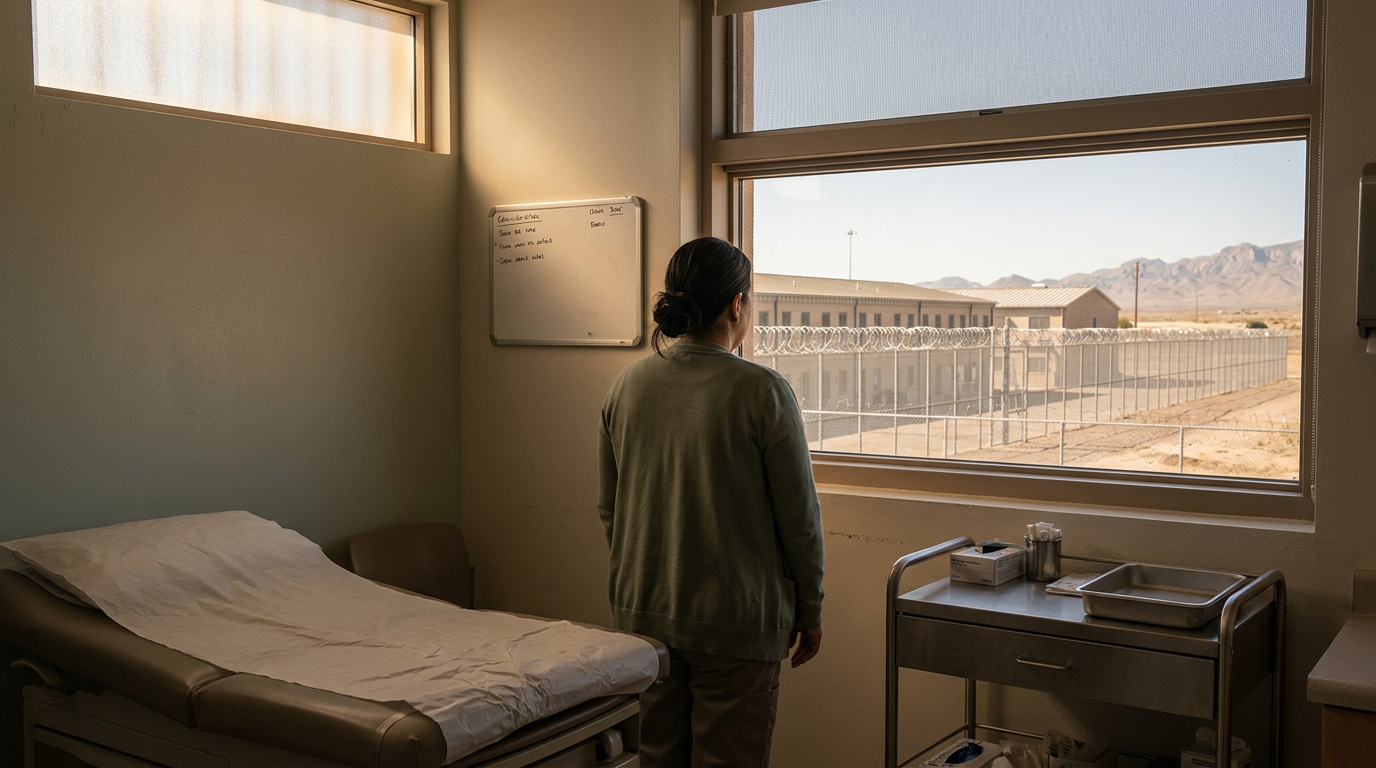
A comprehensive investigative report has surfaced regarding the Camp East Montana detention facility in El Paso County, currently recognized as the largest Immigration and Customs Enforcement (ICE) processing and housing center in the United States. Following several months of scrutiny by human rights observers and legal advocates, the document alleges a pattern of systemic medical neglect and hazardous living conditions. Traditionally, Texas has served as the primary hub for federal immigration detention due to its expansive border with Mexico, and this facility specifically represents the scale of the logistical challenges faced by the Department of Homeland Security. The report characterizes the environment within the walls as severe, leading some advocates to call for immediate federal intervention or a restructuring of oversight mechanisms at the El Paso site.
Texas relevance
The findings within this report directly impact West Texas, specifically the El Paso region, where the Camp East Montana facility is a major employer and a central piece of local infrastructure. Historically, Texas border communities have borne the logistical and humanitarian responsibility of hosting the nation's largest detention centers, such as those in Dilley, Karnes City, and El Paso. Any changes in policy stemming from these allegations could alter the economic landscape of the region, affecting local labor contracts and law enforcement coordination between federal and municipal agencies. Furthermore, the legal landscape in Texas often clashes with federal oversight, making this a pivotal case for how the state justifies or challenges the management of non-citizens within its geographic borders.
Allegations of Medical Mismanagement
The report includes detailed accounts from several detainees who claim their access to basic healthcare was either delayed or denied entirely. According to the investigation, the facility's medical wing has struggled to keep up with the volume of residents, leading to untreated chronic conditions and dental emergencies that went unaddressed for weeks. These allegations suggest that the standard of care falls below the mandated federal guidelines for civil detention.
Furthermore, the document describes an environment where requests for specialized prescriptions were often ignored. Investigators noted that the lack of bilingual medical staff exacerbated these issues, preventing non-English speaking detainees from accurately describing their symptoms or understanding their treatment plans. This linguistic barrier is cited as a primary factor in the perceived negligence, as miscommunication regarding dosages and urgency became frequent occurrences during the study period.
Structural and Environmental Concerns
Beyond the medical concerns, the investigation focused on the physical state of the Camp East Montana campus. Observers reported issues with sanitation and the reliability of clean water access in certain modules. The sheer size of the facility—being the largest of its kind—means that maintaining consistent standards across all residential sectors is a monumental task that the report claims is currently failing.
High temperatures in the El Paso region also play a role in the facility's environmental challenges. The report suggests that cooling systems in some older sections of the building were inconsistent, leading to heat-related stress among both the detainee population and the staff. These physical conditions, combined with the psychological weight of indefinite detention, have led to the facility being described in the report with particularly harsh descriptors by those advocating for its closure.
The Role of Private Contractors
A significant portion of the investigation looks into the relationship between ICE and the private entities contracted to manage daily operations. In Texas, the privatization of detention has been a standard practice for decades, often touted for its cost-effectiveness. However, the report argues that the pursuit of profit margins may be coming at the expense of necessary staffing levels and facility maintenance.
The document calls for a transparent audit of the financial records belonging to the management firms operating in El Paso County. It alleges that funds earmarked for detainee welfare and facility upgrades may have been diverted or underutilized. This has sparked a renewed debate in the Texas Legislature regarding the oversight of private prisons and detention centers, which operate under a complex web of state and federal regulations.
Impact on the El Paso Community
El Paso has a long history as a gateway for international transit, and its residents are uniquely positioned to witness the effects of federal immigration policy firsthand. The local economy relies heavily on federal spending related to the border, including the jobs provided by Camp East Montana. However, the negative press associated with these reports creates a social tension for a city that prides itself on its welcoming culture and binational identity.
Local advocacy groups in El Paso have used the report to increase pressure on the City Council and county commissioners to distance themselves from federal detention contracts. While the local government has limited power over federal facilities, the social and political movement within the city is gaining momentum. This local response is a microcosm of the broader Texas debate over how much cooperation should exist between local municipalities and federal immigration authorities.
Legal and Regulatory Framework
The legal implications of this report could be far-reaching, potentially leading to class-action lawsuits against the Department of Homeland Security. Attorneys specializing in civil rights have already begun citing the report's findings in individual asylum cases and bond hearings. They argue that the conditions described constitute a violation of the Fifth Amendment's due process clause, which applies to all persons on U.S. soil regardless of their legal status.
At the state level, Texas lawmakers are watching the situation closely. While the state government often pushes for stricter border enforcement, the mismanagement of federal facilities can create ripple effects that strain state resources, such as emergency room visits and local court dockets. The outcome of these investigations may prompt new state-level legislation regarding the standards for any facility housing individuals within the borders of Texas.
Future Outlook for Federal Oversight
The publication of this report comes at a time when the federal government is under intense pressure to reform the immigration system. There are calls for the Department of Justice to launch an independent investigation into the Camp East Montana facility to verify the claims of the human rights observers. If the allegations are substantiated, it could lead to a massive overhaul of how ICE manages its largest sites across the country.
For now, the facility continues to operate at or near capacity. The long-term impact will likely depend on whether the federal government chooses to increase funding for oversight or if it moves to terminate contracts with the current management firms. In Texas, where the border remains a central political issue, the fate of Camp East Montana will serve as a bellwether for the future of immigration detention in the United States.
Analysis
The scrutiny of Camp East Montana highlights the ongoing tension between federal enforcement mandates and the practical application of human rights standards on Texas soil. Critics of the current system point to these reports as evidence that the infrastructure is overwhelmed by current migration volumes, while supporters of the facility often argue that these sites are essential for national security and public safety. From an editorial perspective, the focus on El Paso suggests that the city remains the 'ground zero' for the national debate on immigration. The allegations of medical neglect are particularly sensitive, as they involve the potential liability of private contractors who often manage these facilities under federal supervision, a business model that has long been a point of contention in Texas politics.
Source attribution
This story was reported using a public release from the r/texas. Keep TX Red rewrote the coverage independently and links to the official statement for verification.
Frequently Asked Questions
- Where is the Camp East Montana facility located?
- The facility is located in El Paso County, Texas, serving as a primary processing and detention hub for federal immigration authorities near the U.S.-Mexico border.
- What are the primary allegations in the new report?
- The report alleges systemic medical neglect, lack of access to clean water, poor sanitation, and inadequate cooling systems within the facility's housing units.
- Who manages the Camp East Montana detention center?
- The facility is overseen by Immigration and Customs Enforcement (ICE), though daily operations are often handled by private contractors under federal supervision.
- How does this impact Texas specifically?
- As the host state for the nation's largest detention infrastructure, Texas is at the center of the legal and humanitarian debate, with local economies and resources directly tied to the operation of these facilities.
Official Sources
Take the next step
Browse the Newsroom →Read more about Keep Texas Red → Our full guide to what Keep Texas Red means and why Texans support it.
Get Texas updates delivered weekly.
Independent Texas reporting on politics, policy, and daily life. One email a week. Unsubscribe anytime.
Keep TX Red Newsroom
The Keep Texas Red Editorial Staff produces nonpartisan explainers, policy breakdowns, and educational resources to help Texans understand how their government works. All content is reviewed for accuracy and updated regularly.
About Keep TX Red →