Houston Emerges as Top Destination for Millennial Homebuyers in New National Ranking
Houston ranks among the top 30 U.S. metros for millennial homebuyers, driven by job growth and relative affordability compared to coastal hubs.
Editorial disclaimer: Opinions and analysis on Keep TX Red are editorial content — not statements of fact. See our editorial standards.
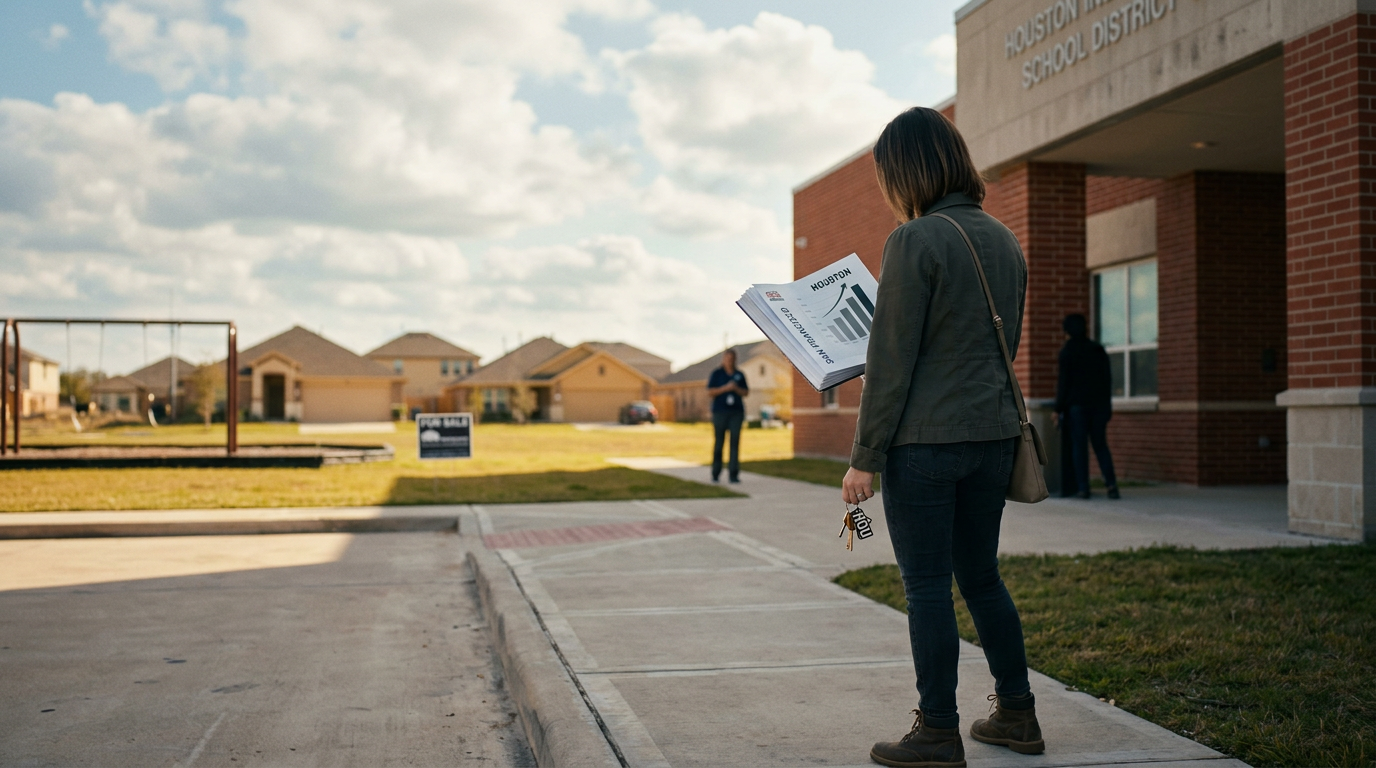
Recent market data identifies Houston as a primary destination for the millennial generation as they transition from renters to homeowners. A comprehensive study of the top 30 thriving U.S. metropolitan areas places the Space City high on the list, citing a combination of robust lifestyle amenities and a favorable housing-to-income ratio. This trend represents a significant shift in national demographics as younger professionals move away from traditional high-cost centers like San Francisco and New York. Historically, Houston has maintained a reputation for sprawl, but recent urban revitalization projects have created the type of walkable, mixed-use environments that this specific demographic craves. The city’s ability to offer professional-grade employment alongside accessible entry-level housing continues to serve as its primary competitive advantage in the Sun Belt region. Historically, Texas has leveraged its lack of state income tax and pro-business regulatory environment to attract corporate relocations, which in turn brings a young workforce. Prior to this latest ranking, Houston had already seen a decade of steady growth, though the post-pandemic era accelerated the influx of remote-capable workers seeking more square footage for their dollar. Similar to the rise of Austin in the early 2010s, Houston is now experiencing a targeted surge in its suburban rings and renovated inner-loop neighborhoods. This movement is not just about finding a place to sleep; it is about the long-term wealth generation that homeownership provides to a generation that has faced significant economic headwinds, including student loan debt and fluctuating inflation rates. As the fourth largest city in the United States, Houston's inclusion in the top 30 hottest metros for millennials reflects a broader stabilization of the Texas real estate market. While interest rates have remained a point of contention for many prospective buyers across the country, the Houston metro area has shown resilience. Local developers have pivoted to meet the demand of this cohort by focusing on 'missing middle' housing—townhomes and patio homes that provide the privacy of a single-family residence without the maintenance burden of a traditional large lot. This architectural shift is fundamentally changing the skyline of neighborhoods like the Heights, EaDo, and Montrose, ensuring that the city remains at the forefront of urban evolution in the 21st century.
Texas relevance
The surge of millennial homebuyers in Houston has direct implications for the local tax base and the future of public infrastructure in Harris and surrounding counties. Unlike transient rental populations, homeowners are deeply invested in the quality of local school districts, municipal services, and long-term transit planning. As more young professionals plant roots in the Bayou City, there is an increased demand for the Texas Department of Transportation to accelerate regional mobility projects and for local city councils to address zoning and drainage concerns. The economic vitality of Houston depends on its ability to retain this talent pool, which serves as the backbone of the region's energy, medical, and aerospace sectors. Furthermore, this trend places Texas as a leader in national demographic shifts, proving that the state's economic model remains attractive to the nation's largest current workforce segment.
The Drivers of Millennial Migration
The primary factor drawing millennials to the Houston metropolitan area is the diversity of the local economy. Unlike many cities that rely on a single industry, Houston offers high-paying careers in healthcare at the Texas Medical Center, engineering in the Energy Corridor, and logistics through the Port of Houston. This economic stability provides the confidence necessary for young professionals to commit to thirty-year mortgages.
Additionally, the lifestyle offerings in Houston have expanded significantly. The city's world-class culinary scene, professional sports teams, and revitalized park systems—such as Buffalo Bayou and Memorial Park—offer the cultural density that millennials previously sought in more expensive coastal cities. This 'big city feel' combined with a lower cost of living makes Houston an easy choice for those looking to maximize their quality of life.
Housing Inventory and Market Stability
Houston’s real estate market operates differently than many of its peers due to the lack of restrictive zoning laws, which allows for a more rapid response to housing shortages. While this can lead to irregular aesthetic transitions between neighborhoods, it also prevents the extreme price spikes seen in markets like Seattle or San Jose. Millennials are taking advantage of this by finding homes in emerging neighborhoods that are still within a short commute of major employment hubs.
Market data suggests that the median home price in Houston remains significantly lower than the national average for major metros. For a generation concerned with the long-term viability of their investments, Houston provides a safer harbor. Property values have shown consistent, moderate appreciation rather than volatile bubbles, making it an ideal location for first-time buyers who are looking to build equity without the risk of a sudden market collapse.
The Rise of Suburban-Urban Hybrids
A notable trend within the Houston millennial market is the rise of the 'Surburban-Urban' lifestyle. Master-planned communities in areas like The Woodlands, Sugar Land, and Katy are evolving to offer many of the features once exclusive to the city center. These areas now feature walkable town centers, high-end dining, and coworking spaces, allowing millennials to enjoy the benefits of suburban schools while maintaining an urban social life.
This shift has caused a ripple effect across the Greater Houston area. Developers are no longer just building houses; they are building ecosystems. This holistic approach to community design is particularly appealing to millennial parents who are looking for a safe environment to raise children without sacrificing their own professional and social needs. As these communities grow, they are becoming self-sustaining hubs that reduce the need for long commutes into the city proper.
Technological Integration in Modern Housing
Millennials are the first generation of 'digital natives' to enter the housing market en masse, and their preferences are shaping the types of homes being built in Houston. There is a high demand for 'smart' homes that feature integrated security systems, energy-efficient appliances, and high-speed fiber-optic connectivity. National homebuilders operating in the Texas market are increasingly including these features as standard equipment.
Energy efficiency is a particularly sharp focus for Houston buyers given the local climate. Homes with high-performance insulation, solar readiness, and advanced HVAC systems are selling faster than older, less efficient inventory. This focus on sustainability not only aligns with the values of many younger buyers but also serves a practical purpose in managing summer utility costs, which is a significant factor in the overall affordability of Texas living.
Impact on Local Rental Markets
As more millennials transition into homeownership, the local rental market is experiencing a shift in dynamics. To compete with the allure of buying, luxury apartment complexes in downtown Houston and the Galleria area are offering more aggressive move-in specials and upgrading amenities. However, the overall trend suggests a permanent move toward ownership as the generation enters its peak earning years.
This transition is healthy for the city's long-term economic outlook. High rates of homeownership typically correlate with lower crime rates, better-maintained neighborhoods, and higher levels of civic engagement. As Houston’s millennial population moves from 'visitors' in the rental market to 'stakeholders' in the housing market, the social fabric of the city is likely to strengthen, fostering a more stable and predictable environment for future investment.
Challenges in the Path to Ownership
Despite Houston's relative affordability, the path to homeownership is not without obstacles. Rising property taxes in Texas remain a significant concern for all homeowners. While the state legislature has taken steps to provide tax relief through homestead exemption increases, the rising appraisal values in popular Houston neighborhoods can still lead to substantial annual increases in carrying costs for a home.
Furthermore, the competitive nature of the Houston market means that 'hottest' doesn't mean 'easiest.' Potential buyers often find themselves in multiple-offer situations for well-priced homes in desirable school districts. Financial literacy and early mortgage pre-approval have become essential tools for millennial buyers looking to navigate the fast-paced Houston real estate environment where the best properties often go under contract within days of hitting the market.
Analysis
From a market perspective, Houston’s success in attracting millennials is a testament to the ‘Texas Miracle’ of economic endurance. While other major cities are struggling with 'doom loops' and commercial vacancies, Houston is seeing a residential revitalization. However, this popularity brings a unique set of challenges. As demand increases, the very affordability that attracted these buyers is being tested. Policymakers must ensure that supply continues to meet demand to prevent the pricing-out of the middle class. If Houston can manage its growth effectively while maintaining its status as a high-affordability hub, it will likely remain a dominant force in the national real estate market for the next two decades.
Source attribution
This story was reported using a public release from the r/houston. Keep TX Red rewrote the coverage independently and links to the official statement for verification.
Frequently Asked Questions
- Why is Houston considered a 'hot' market for millennials?
- Houston offers a unique combination of high-paying jobs in sectors like energy and medicine alongside a cost of living that is much lower than other major U.S. cities. This allows younger buyers to afford larger homes and better amenities than they could in markets like New York or Los Angeles.
- What neighborhoods in Houston are most popular with younger buyers?
- Millennials are primarily gravitating toward the Heights, Montrose, and EaDo (East Downtown) for urban living. For those moving to the suburbs, Katy, Sugar Land, and The Woodlands remain top choices due to their highly-rated school districts and master-planned amenities.
- How do Texas property taxes affect millennial homebuyers?
- Because Texas has no state income tax, it relies more heavily on property taxes to fund local services. This can result in higher monthly mortgage payments for buyers. However, recent state-level tax relief measures have aimed to mitigate these costs for residents who use their home as their primary residence.
Official Sources
Take the next step
Browse the Newsroom →Read more about Keep Texas Red → Our full guide to what Keep Texas Red means and why Texans support it.
Get Texas updates delivered weekly.
Independent Texas reporting on politics, policy, and daily life. One email a week. Unsubscribe anytime.
Keep TX Red Newsroom
The Keep Texas Red Editorial Staff produces nonpartisan explainers, policy breakdowns, and educational resources to help Texans understand how their government works. All content is reviewed for accuracy and updated regularly.
About Keep TX Red →