Texas Senate Election 2026: Candidates Clash Over Defining State Identity
A look at how cultural identity and regional roots are shaping the intensifying battle for the Texas U.S. Senate seat in 2026.
Editorial disclaimer: Opinions and analysis on Keep TX Red are editorial content — not statements of fact. See our editorial standards.
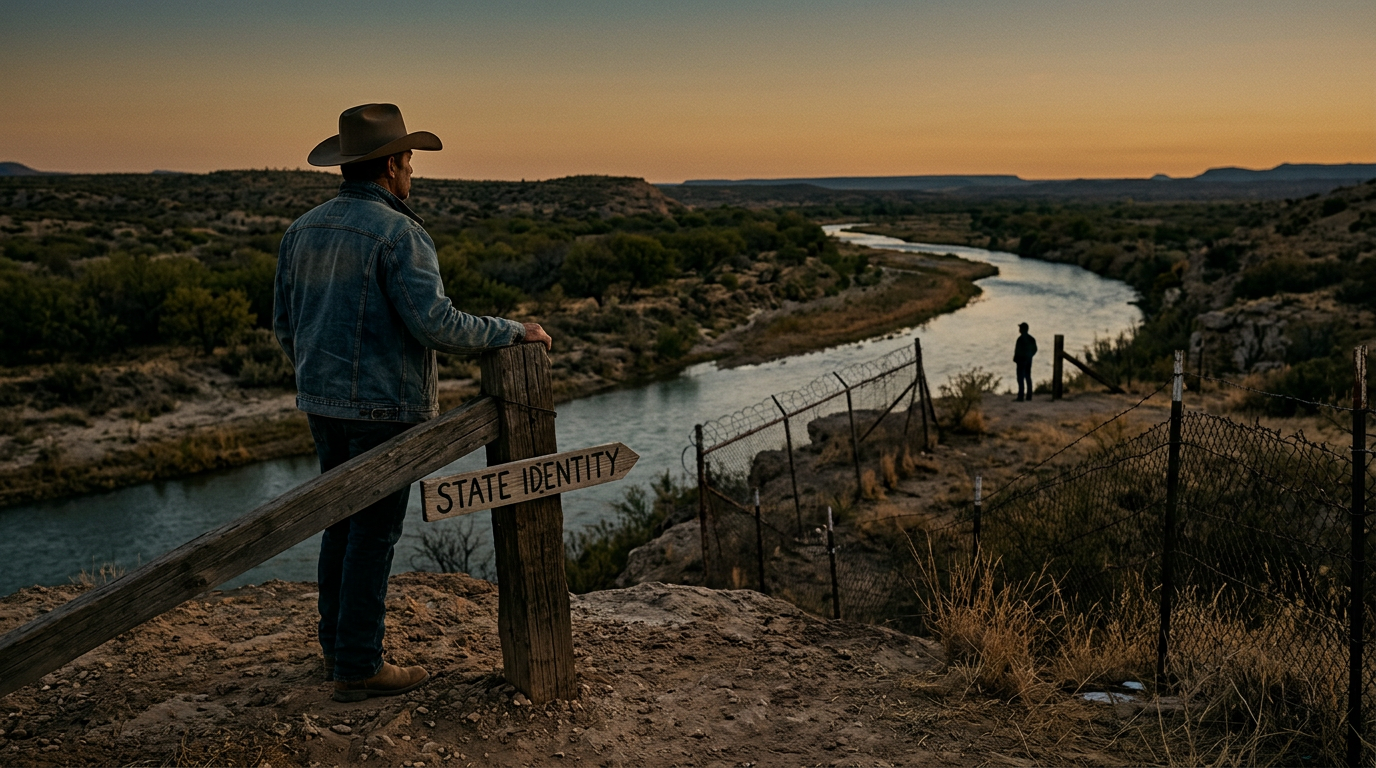
The competition for the United States Senate in Texas has evolved beyond mere policy debates, centering instead on a foundational argument over cultural authenticity and regional belonging. As candidates traverse the state's 254 counties, the campaign trail has become a stage for performing 'Texasness,' a unique blend of heritage, values, and local commitment that voters use to measure their representatives. Historically, Texas politics has long favored the imagery of the rugged individualist or the populist defender of state sovereignty. This tradition continues as the 2026 cycle heats up, with each major contender attempting to frame their opponent as out of touch with the 'real' Texas while positioning themselves as the true embodiment of the state’s multi-faceted spirit. This focus on identity serves as a proxy for trust in a state where demographics are shifts rapidly, yet the core cultural icons remain deeply entrenched in the political psyche.
Texas relevance
Under previous electoral cycles, Texas has witnessed a closing margin in statewide races, making the cultural appeal to suburban and rural voters a critical component of any winning strategy. This relevance is particularly high in major hubs like Dallas, Houston, and San Antonio, where the definition of a Texan is undergoing a modern transformation. For the 2026 Senate race, the stakes involve not only a seat in Washington D.C. but also the direction of the Texas Republican and Democratic brands. As the state grows more urbanized, the struggle to define what it means to be 'Texas enough' creates a significant friction point between traditionalist rural blocs and the emerging professional class in the Texas Triangle. Every voter from the Panhandle to the Rio Grande Valley has a stake in how this identity battle influences federal representation and state-wide priorities.
The Evolution of the Texas Political Brand
In the mid-20th century, Texas political identity was largely defined by the populist and agrarian traditions of the Democratic party. Leaders like Lyndon B. Johnson parlayed a mastery of local customs and a deep connection to the Texas soil into national power. As the state shifted toward the Republican column in the late 1970s and 80s, the brand transitioned toward a more conservative, pro-business, and fiercely independent persona exemplified by figures like John Tower and later, Rick Perry. This history informs current candidates who recognize that policy papers are often secondary to the perception of shared values.
Today, the brand is under revision once more. The massive influx of new residents from California, New York, and overseas has introduced new perspectives on what constitutes a 'Texan.' However, political strategists still lean heavily on established tropes—hats, boots, and barbecue—to signal fealty to the state's heritage. This creates a tension where candidates must appeal to the 'old guard' while simultaneously appearing relevant to the millions of new voters who view Texas as a land of economic opportunity rather than a historical frontier.
Geography as a Strategy for Authenticity
One of the primary ways candidates establish their roots is through geographical posturing. The 'Texas enough' debate often starts with birthplace and childhood, with opponents scrutinizing every year spent outside state lines. A candidate who spent significant time in D.C. or elsewhere is frequently tagged as a 'carpetbagger' or an 'expatriate,' regardless of their actual policy positions. This regionalism is a powerful tool used to disqualify the 'other' in the eyes of long-time residents who take pride in being multi-generational Texans.
Furthermore, the campaign stops themselves serve as a map of identity. Visiting small towns like Muleshoe or Alpine is not just about the raw vote count, which is often low, but about the optics of prioritizing the entire state. A candidate who focuses exclusively on the Austin-to-Houston corridor risks being labeled an 'urbanist' who ignores the agricultural backbone of the state. Conversely, neglecting the major metros can lead to accusations of being stuck in the past, failing to represent the modern, tech-driven Texas of 2026.
The Policy of Identity
While identity is the wrapper, it often serves to deliver specific policy messages that are framed as inherently Texan. For example, discussions on border security are rarely just about statistics; they are framed as a defense of the Texas home and the rule of law that Texans allegedly value more than other Americans. Similarly, energy policy is tied to the state's historical dominance in oil and gas, making any shift toward renewables a question of heritage rather than just environmental science. Each side tries to claim their platform is the one that best preserves the Texas 'way of life.'
Economic independence is another policy pillar used to prove one’s Texas credentials. Promoting the 'Texas Miracle' of low taxes and light regulation is a standard requirement for any candidate hoping to be seen as a true son or daughter of the state. Critics of either candidate will point to federal votes or past statements that seem to undermine this autonomy. In this way, every piece of legislation a candidate supports is analyzed through the lens of whether it empowers the state or cedes control to the federal government.
The Role of Sports and Local Icons
In Texas, few things signal authentic belonging more than sports. Candidates frequently leverage their connections to high school football, legendary college programs like UT or A&M, and professional teams like the Cowboys or Astros. Mentioning a specific rivalry or being seen at a Friday night game in a small town is a calculated move to bridge the gap between a high-profile politician and the average voter. It suggests a shared culture that transcends the ballot box and establishes a common language with the electorate.
Beyond sports, other cultural touchstones like H-E-B, Buc-ee's, and the State Fair of Texas are utilized as backdrops for campaign messaging. These are not merely photo opportunities; they are shorthand for 'I am one of you.' When a candidate is accused of not being 'Texas enough,' it often implies they don't understand these daily cultural rituals. These institutions provide a neutral ground where candidates can demonstrate they are comfortable in the social fabric of the state, away from the partisan rancor of legislative chambers.
Demographic Shifts and the Future Texan
The most significant challenge to the 'Texas enough' narrative is the state's changing demographics. With the Hispanic population now the largest ethnic group in the state, the traditional Euro-centric cowboy imagery is being supplemented—and sometimes replaced—by a more diverse cultural landscape. Candidates are now competing to show they represent the 'New Texas'—a demographic that is younger, more urbanized, and increasingly diverse. This requires a delicate balance of honoring the past while embracing a multicultural future.
Modern campaigns are investing heavily in Spanish-language media and outreach to the Asian-American communities in Fort Bend and Collin counties. To be 'Texas enough' today means being able to navigate these varied spaces with ease. The winner of the 2026 Senate race will likely be the individual who can stitch these disparate groups into a cohesive vision of Texas identity. This shift suggests that the definition of a Texan is no longer static, but a dynamic, evolving concept that candidates must constantly adapt to.
Media Influence and the Battle of Narratives
Texas-based media outlets play a gatekeeper role in the 'Texas enough' debate. Local newspapers and regional influencers help shape the public perception of whether a candidate is a genuine representative or a manufactured product of national party interests. Coverage of minor gaffes—such as mispronouncing a town's name or failing to understand a local custom—can go viral and become a shorthand for a candidate's lack of authenticity. The digital age has only amplified this, as every social media post is scrutinized for its 'Texan' tone and vernacular.
National media often misses the nuance of this internal struggle, viewing Texas as a monolith. However, local coverage emphasizes the distinctions between a West Texas conservative and a Gulf Coast populist. As the 2026 race nears its climax, the ability of a candidate to command the local narrative and push back against 'outsider' characterizations will be paramount. Winning the battle for the morning news cycles in Dallas and Houston is just as important as the grand speeches delivered at state conventions.
Analysis
The obsession with 'authenticity' in this Senate race highlights a defensive posture among traditional political institutions. By shifting the conversation from specific legislative outcomes to cultural vibes, candidates can bypass difficult conversations about infrastructure or insurance costs. This 'Texan identity' metric acts as a litmus test that often favors incumbents who have established a brand over years of service, yet it simultaneously creates an opening for challengers who can successfully claim that the incumbent has 'gone Washington.' Ultimately, the candidate who best balances the state's cowboy mythology with its modern reality as a global economic powerhouse will likely secure the middle-ground voters needed to win.
Source attribution
This story was reported using a public release from the r/texas. Keep TX Red rewrote the coverage independently and links to the official statement for verification.
Frequently Asked Questions
- Why is identity such a big deal in the Texas Senate race?
- Texas has a unique and strong sense of state identity that historically rewards politicians who appear focused on the state's interests over national party dictates. Branding oneself as 'uniquely Texan' helps build a personal connection with voters that can cross party lines.
- How do candidates prove they are 'Texas enough'?
- Common strategies include highlighting family history in the state, frequenting iconic local businesses, participating in regional traditions like high school football games, and using language that emphasizes state sovereignty and independence.
- Do policy issues matter in this race?
- Absolutely, but they are often framed through the lens of identity. For example, economic policies are sold as 'protecting the Texas Miracle,' and border policies are framed as 'defending the Texas home,' making the policy an extension of the candidate's Texan credentials.
Official Sources
Take the next step
Browse the Newsroom →Read more about Keep Texas Red → Our full guide to what Keep Texas Red means and why Texans support it.
Get Texas updates delivered weekly.
Independent Texas reporting on politics, policy, and daily life. One email a week. Unsubscribe anytime.
Keep TX Red Newsroom
The Keep Texas Red Editorial Staff produces nonpartisan explainers, policy breakdowns, and educational resources to help Texans understand how their government works. All content is reviewed for accuracy and updated regularly.
About Keep TX Red →