Attorney General Ken Paxton Activates Consumer Protection Measures for Texas Flood Victims
AG Ken Paxton issues a critical warning to Texans recovering from recent floods, targeting predatory scammers and fraudulent contractors.
Editorial disclaimer: Opinions and analysis on Keep TX Red are editorial content — not statements of fact. See our editorial standards.
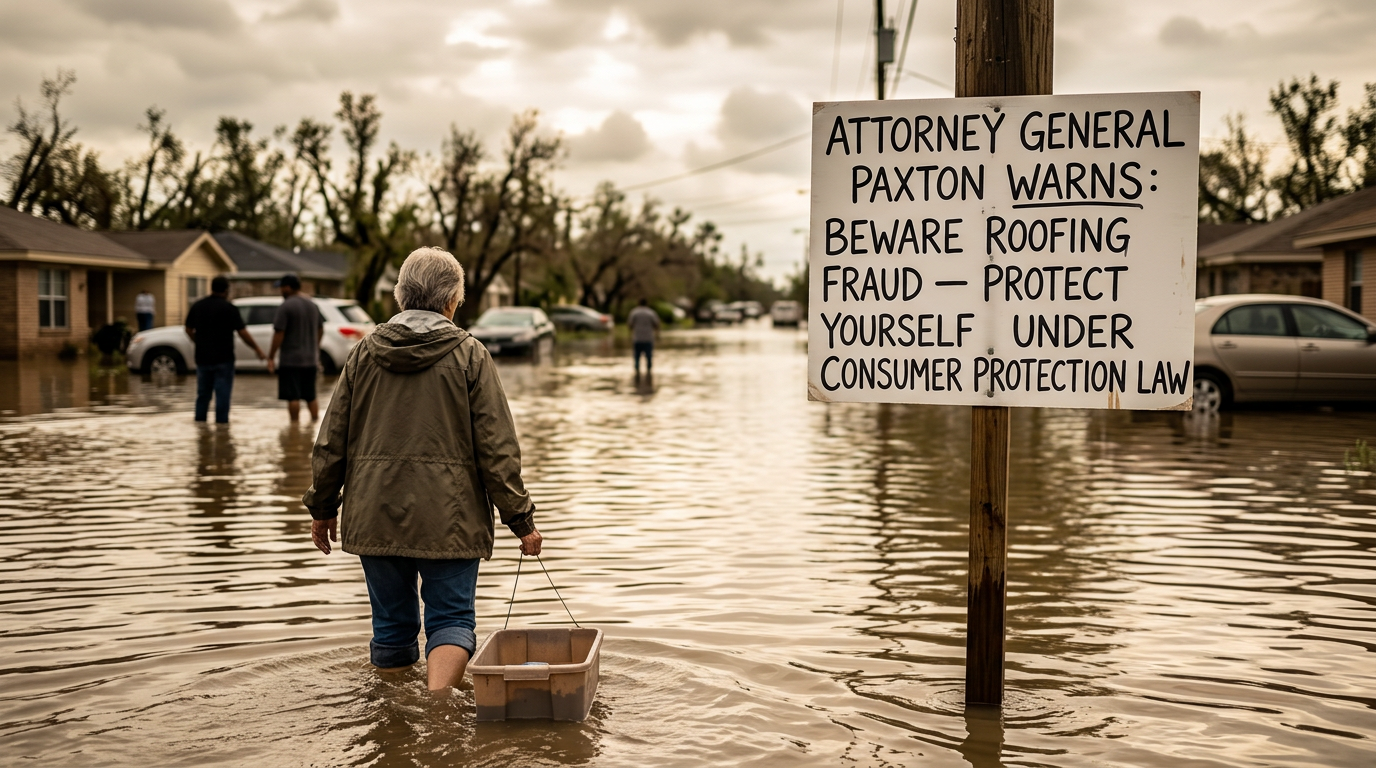
Texas Attorney General Ken Paxton has issued a statewide alert on July 20, 2026, aimed at protecting residents who are currently navigating the aftermath of severe flooding. The warning serves as a proactive measure against fraudulent actors who historically target disaster zones to exploit vulnerable homeowners. Paxton’s office emphasizes that while many legitimate contractors are available to assist with repairs, periods of crisis often attract unscrupulous individuals seeking to capitalize on the urgency of the situation. This initiative follows a long-standing precedent in Texas where the Office of the Attorney General (OAG) monitors disaster-stricken areas for price gouging and deceptive trade practices. Historically, Texas has utilized the Deceptive Trade Practices Act to prosecute those who attempt to mislead consumers during state-declared emergencies. Following major hurricanes and flood events over the last decade, the OAG has frequently intervened to ensure that recovery funds are not drained by scam operations. This latest advisory is part of a broader strategy to maintain market integrity during the rebuilding process, ensuring that the financial burden on residents is not exacerbated by criminal activity. The Attorney General’s office is currently urging all residents to verify the credentials of any professional offering cleanup or repair services in the affected regions.
Texas relevance
As a state prone to extreme weather events, from coastal hurricanes to inland tropical depressions, Texas remains a primary target for disaster-related financial crimes. The involvement of the Texas Attorney General is vital for residents in flood-prone areas like the Gulf Coast, Central Texas, and the Rio Grande Valley, where recovery costs can reach billions of dollars. Protection from fraud ensures that insurance payouts and personal savings are used effectively to rebuild local communities rather than being lost to out-of-state bad actors. For Texans, these protections undergird the economic stability of neighborhoods attempting to return to normalcy after natural catastrophes.
The Threat of Predatory Contracting
In the wake of flooding, homeowners often face significant pressure to secure repair services quickly to prevent further damage, such as mold growth or structural failure. Scammers frequently exploit this sense of urgency by offering immediate assistance at seemingly competitive prices. However, these individuals often demand large upfront payments and then disappear without completing the work, or they perform substandard repairs that do not meet professional or safety standards.
Attorney General Paxton’s office notes that identifying these bad actors requires a disciplined approach to vetting. Texans are advised to be particularly wary of individuals who solicit door-to-door or use high-pressure sales tactics. Legitimate contractors typically have established reputations, local addresses, and verifiable insurance policies. The state’s warning highlights the importance of checking references and ensuring all agreements are documented in written contracts before any money changes hands.
Recognizing Price Gouging Under Texas Law
Another significant concern during flood recovery is price gouging, which becomes illegal in Texas once a disaster has been formally declared by the Governor or the President. This legal protection covers essential goods and services, including fuel, food, medicine, and repair materials. When vendors significantly inflate prices to take advantage of increased demand and limited supply, the Attorney General’s office has the authority to intervene and seek restitution for consumers.
Paxton’s warning serves as a reminder to businesses that the OAG actively monitors reports of excessive pricing. While fluctuations in the market are expected, predatory increases that bear no relation to the cost of doing business are subject to heavy fines. The office encourages residents to keep receipts and take photos of advertised prices if they suspect they are being charged unfairly during the recovery phase.
Steps for Verifying Service Providers
To empower citizens, the Attorney General suggests a multi-step verification process for any contractor. Residents should ask to see a government-issued photo ID and professional licenses where applicable. It is also recommended to check with the Better Business Bureau and local trade associations to see if there are outstanding complaints against the individual or firm. Taking the time to conduct this research can save homeowners thousands of dollars in potential losses.
Furthermore, the OAG advises against paying in full before a project is finished. A common red flag is a contractor who insists on cash payments or asks the homeowner to sign over an entire insurance check. Texans are encouraged to work with their insurance adjusters directly to determine fair repair costs and to ensure that payments are structured around the successful completion of specific milestones throughout the rebuilding process.
Reporting Fraud and Seeking State Assistance
The primary mechanism for holding scammers accountable is the formal complaint process managed by the Attorney General’s Consumer Protection Division. By filing a report, victims provide the state with the documentation needed to launch investigations and potentially pursue legal action. Paxton has made it clear that his office depends on the vigilance of the public to identify emerging patterns of fraud in specific counties or cities.
Reporting can be done through the official OAG website, which features a dedicated portal for disaster-related complaints. Even if an individual has not yet lost money, reporting suspicious solicitations can help the state issue broader alerts that protect other members of the community. This collaborative effort between citizens and state law enforcement is essential for maintaining a fair and safe recovery environment.
Long-Term Economic Impact of Disaster Fraud
Beyond the immediate financial loss to individuals, widespread fraud can hinder the long-term economic recovery of Texas regions. When insurance funds are diverted to scammers, local economies suffer as the actual work of rebuilding is delayed. This can lead to decreased property values and prolonged displacement for families. By targeting these fraudulent operations early, the state is effectively protecting the resilience of the local tax base and housing market.
Ken Paxton’s focus on this issue reflects a broader understanding of how crime impacts community stability. Ensuring that recovery dollars stay within the legitimate economy supports local jobs and ensures that the infrastructure of Texas cities is restored to its proper condition. The Attorney General’s ongoing surveillance of the marketplace remains a cornerstone of the state's disaster response strategy.
Analysis
The decision by Attorney General Ken Paxton to issue this warning underscores a commitment to the 'law and order' philosophy that defines his administration's approach to consumer rights. By positioning the OAG as a shield against predatory contractors, the state sends a clear message that exploiting Texans in times of distress will carry significant legal consequences. This proactive stance is likely intended to deter 'storm chasers'—contractors who travel from state to state following disasters—who may not be licensed or bonded within Texas jurisdictions. Furthermore, by reminding the public of the OAG’s reporting tools, Paxton is leveraging the state's investigative resources to gather the necessary evidence for future civil or criminal litigation against violators.
Source attribution
This story was reported using a public release from the AG Ken Paxton — Video Moments (Google News). Keep TX Red rewrote the coverage independently and links to the official statement for verification.
Frequently Asked Questions
- How can I check if a contractor is legitimate in Texas?
- You should ask for references, check their standing with the Better Business Bureau, and verify that they have a local physical address. Always ask for a written contract and proof of insurance before work begins.
- What should I do if I suspect price gouging?
- Document the price with a photo or keep your receipt, and then file a formal complaint through the Texas Attorney General’s website. Price gouging is illegal for essential items and services during a declared disaster.
- Can the Attorney General help me get my money back from a scammer?
- While the OAG cannot act as a private attorney for individuals, they do file lawsuits to protect the public interest. These lawsuits often result in court orders for restitution, which can help return funds to victims of widespread fraud.
Official Sources
Take the next step
Browse the Newsroom →Read more about Keep Texas Red → Our full guide to what Keep Texas Red means and why Texans support it.
Get Texas updates delivered weekly.
Independent Texas reporting on politics, policy, and daily life. One email a week. Unsubscribe anytime.
Keep TX Red Newsroom
The Keep Texas Red Editorial Staff produces nonpartisan explainers, policy breakdowns, and educational resources to help Texans understand how their government works. All content is reviewed for accuracy and updated regularly.
About Keep TX Red →