Texas Election Scrutiny: Grassroots Groups Probed for Campaign Messaging
Voter engagement and funding sources in Texas elections spark debate over the direction of the state's political future and cultural identity.
Editorial disclaimer: Opinions and analysis on Keep TX Red are editorial content — not statements of fact. See our editorial standards.
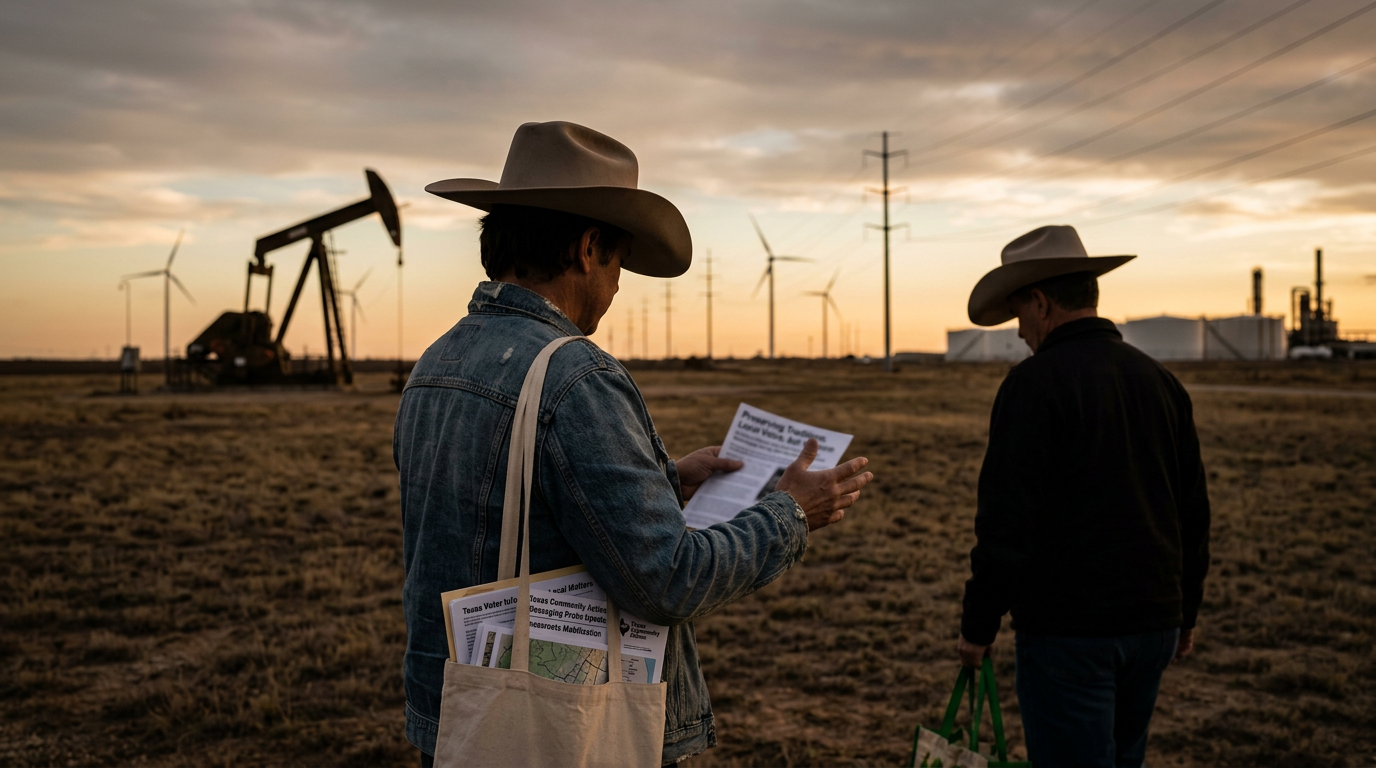
The political landscape in Texas is currently witnessing a intense debate over the influence of major financial donors and the specific rhetoric used to mobilize voters ahead of upcoming election cycles. Observers in areas like Fort Worth have pointed to a refined messaging strategy adopted by various political action committees (PACs) that emphasizes the preservation of traditional Texan values against perceived outside influences. Historically, Texas has been a battleground for competing visions of governance, with the 'Keep Texas Red' and 'Don't California My Texas' slogans serving as central pillars for high-stakes mobilization efforts funded by prominent energy sector figures. These campaigns typically focus on preserving a specific cultural and economic environment that has defined the state for decades. Recent data suggests that these organizations are increasingly relying on sophisticated polling and market research to tailor their messaging to specific voter demographics. By analyzing voter sentiment, these groups aim to identify the most pressing cultural and social concerns among the electorate, often shifting their focus between various policy issues such as border security, economic stability, and social legislation. This strategy represents a significant investment in data-driven campaigning, moving beyond traditional door-knocking toward a more targeted digital and media-based approach intended to solidify the existing voter base while appealing to undecided residents in growing suburban corridors.
Texas relevance
Texas remains the primary laboratory for modern American conservative mobilization, and the current tensions in North Texas cities like Fort Worth reflect a broader statewide struggle for ideological dominance. The state's unique position as an energy powerhouse provides local political entities with access to significant capital, specifically from the West Texas oil regions, which is often funneled into PACs that influence local and state-level races. Historically, when Texas political donor patterns shift, it signals a broader change in how the Republican party interacts with its grassroots base. Residents in the Dallas-Fort Worth metroplex are currently at the center of this messaging blitz, as the region's diverse and rapidly growing population makes it a critical area for anyone looking to maintain a specific political majority within the state legislature.
The Evolution of Digital Messaging in Texas
In the past decade, political campaigning in Texas has transitioned from broad-based outreach to a highly granular data-led model. Organizations are no longer relying on general slogans alone; they are utilizing sophisticated analytics to determine which specific words and phrases trigger the highest engagement rates on social media platforms. In the North Texas region, this has resulted in a concentrated effort to link local governance issues with broader national themes, ensuring that even local municipal elections are viewed through the lens of statewide or national priorities.
The impact of this shift is visible in the way PACs deploy their resources. By focusing on specific 'wedge issues' identified through polling, these groups can effectively motivate their base to turn out in high numbers, even during off-cycle or local elections. This approach has proven successful in maintaining legislative control, as it creates a sense of urgency among voters who feel that their way of life is being challenged by progressive shifts in other parts of the country. The precision of this messaging is a direct result of the high-level funding provided by industry leaders who view political stability as a prerequisite for economic growth.
Funding Sources and Local Political Influence
A significant portion of the capital driving these campaigns originates from the West Texas energy sector. Billionaire donors from the oil and gas industry have long been the primary financiers of conservative movements within the state, seeing their contributions as an investment in a regulatory environment that favors domestic production and limited government intervention. This financial backing allows for the creation of robust PAC structures that can outspend local opposition, providing a platform for candidates who adhere to a specific ideological framework.
Critics often point to this concentration of wealth as a factor that may distance political leaders from the immediate logistical needs of their constituents, such as infrastructure and affordable housing. However, the donors themselves argue that by protecting the state's overall political identity, they are ensuring long-term prosperity for all Texans. This dynamic creates a complex relationship between the business elite and the grassroots voters who provide the numbers needed to win at the ballot box.
The Role of Cultural Identity in Mobilization
The current political discourse in Texas is heavily laden with appeals to cultural and religious identity. Many of the organizations currently under scrutiny explicitly tie their political goals to the preservation of Christian values and traditional family structures. By framing their platform as a defense of 'cis white Christian culture,' these groups seek to create a cohesive identity for their supporters. This tactic is designed to foster a sense of community among voters who may feel alienated by the rapid cultural shifts seen in larger American cities.
While this messaging is highly effective at mobilizing a specific segment of the population, it also creates significant friction with Texas's growing minority and secular communities. The tension between these different visions for the state's future is a defining characteristic of contemporary Texas politics. As the state's population continues to diversify, the reliance on traditional identity politics faces new challenges, forcing PACs to constantly refine their rhetoric to maintain the broadest possible appeal within their target demographic.
Impact on Local Municipal and School Board Races
One of the most notable trends in recent years is the infiltration of high-level political rhetoric into historically non-partisan local races. School board meetings and city council sessions in the Fort Worth area have increasingly become venues for debates over statewide social issues. This is a direct result of the messaging strategies employed by well-funded PACs, which encourage voters to see local governance as the front line in a broader cultural conflict. By focusing on local offices, these organizations can influence policy at the most granular level, affecting everything from library books to local zoning laws.
The nationalization of local politics has led to increased voter turnout in these races, but it has also led to heightened societal polarization. Many long-time residents have expressed concern that the focus on 'identity' issues detracts from the practical responsibilities of local government, such as road maintenance and public safety. Nevertheless, the success of these strategies suggests that the trend of linking local administration to broader ideological goals is likely to continue for the foreseeable future.
Polling Firms and the Science of Persuasion
The use of professional polling corporations has become a standard practice for top-tier Texas PACs. These firms provide detailed reports on voter demands, sentiment, and the potential effectiveness of various campaign themes. By studying these data sets, political strategists can determine when to emphasize economic issues and when to pivot to social or cultural concerns. This move toward 'scientific' campaigning allows for a more flexible approach that can adapt to the news cycle in real-time.
For example, if data shows a decrease in voter concern regarding immigration, a PAC might shift its focus toward educational policy or religious freedom to maintain current levels of engagement. This adaptability is key to the longevity of the 'Keep Texas Red' movement. By remaining responsive to the fears and aspirations of the electorate, these groups can maintain a dominant presence in the state's political conversation, regardless of the specific challenges facing the state at any given moment.
Future Outlook for Texas Voter Engagement
As Texas approaches future election cycles, the influence of high-wealth donors and data-driven PACs shows no signs of waning. The state's political environment remains a primary focus for both national and local interests, with each side recognizing the strategic importance of Texas's electoral votes and economic output. The ongoing efforts to refine political messaging will likely lead to even more targeted advertising and social media campaigns, further segmenting the electorate into specific ideological cohorts.
Ultimately, the success of these movements will depend on their ability to balance the interests of their major donors with the evolving concerns of a broader voter base. If the messaging remains grounded in issues that resonate with a majority of Texans—such as economic opportunity and individual liberty—the current political establishment may continue its long-running streak of success. However, as the state's demographics continue to shift, the pressure to evolve and include a more diverse range of voices will inevitably increase.
Analysis
From a strategic perspective, the consolidation of political messaging around phrases like 'Don't California My Texas' indicates a defensive posture aimed at maintaining the state's current socio-economic status quo. While critics suggest that this rhetoric focuses on exclusionary social issues, proponents argue that such messaging is a necessary response to the rapid demographic and ideological shifts occurring within the state's urban centers. The move toward leveraging data from polling firms highlights a professionalization of traditional grassroots energy. By identifying which issues resonate most strongly—whether they relate to the economy or social values—these organizations can ensure their financial resources are used with maximum efficiency. This creates a feedback loop where donor interests and voter concerns are synchronized to create a unified front against political opposition.
Source attribution
This story was reported using a public release from the r/fortworth. Keep TX Red rewrote the coverage independently and links to the official statement for verification.
Frequently Asked Questions
- What is the primary goal of the 'Keep Texas Red' movement?
- The movement focuses on maintaining Republican control over state government by emphasizing traditional values, limited government, and a business-friendly regulatory environment. It seeks to prevent the adoption of policies similar to those found in states like California, which proponents believe would harm the Texas economy and social structure.
- How do West Texas oil donors influence local elections?
- Through significant financial contributions to PACs, these donors fund advertising, polling, and grassroots mobilization efforts. This capital allows specifically chosen candidates to reach a wider audience and better compete in contested districts, often focusing on issues that align with the energy sector's interests and the donors' personal ideologies.
- Why is there a focus on 'Don't California My Texas'?
- This slogan is used to highlight the differences in governance style between the two states. It serves as a warning to voters about the potential consequences of high taxes, increased regulation, and progressive social policies, aiming to consolidate support among those who value Texas's current political climate.
- How has polling changed the way campaigns are run in Texas?
- Modern campaigns use granular data to identify the exact issues that will motivate specific groups of voters. This allows for more personalized and effective messaging, enabling PACs to pivot between different social or economic topics based on what the data suggests will be most effective at any given time.
Official Sources
Take the next step
Browse the Newsroom →Read more about Keep Texas Red → Our full guide to what Keep Texas Red means and why Texans support it.
Get Texas updates delivered weekly.
Independent Texas reporting on politics, policy, and daily life. One email a week. Unsubscribe anytime.
Keep TX Red Newsroom
The Keep Texas Red Editorial Staff produces nonpartisan explainers, policy breakdowns, and educational resources to help Texans understand how their government works. All content is reviewed for accuracy and updated regularly.
About Keep TX Red →