Tarrant County Lawsuit: Legal Challenge to Budget and Public Comment Rules
Recent challenges to Tarrant County’s decorum policies and fiscal management spark debate over First Amendment rights and taxpayer spending in North Texas.
Editorial disclaimer: Opinions and analysis on Keep TX Red are editorial content — not statements of fact. See our editorial standards.
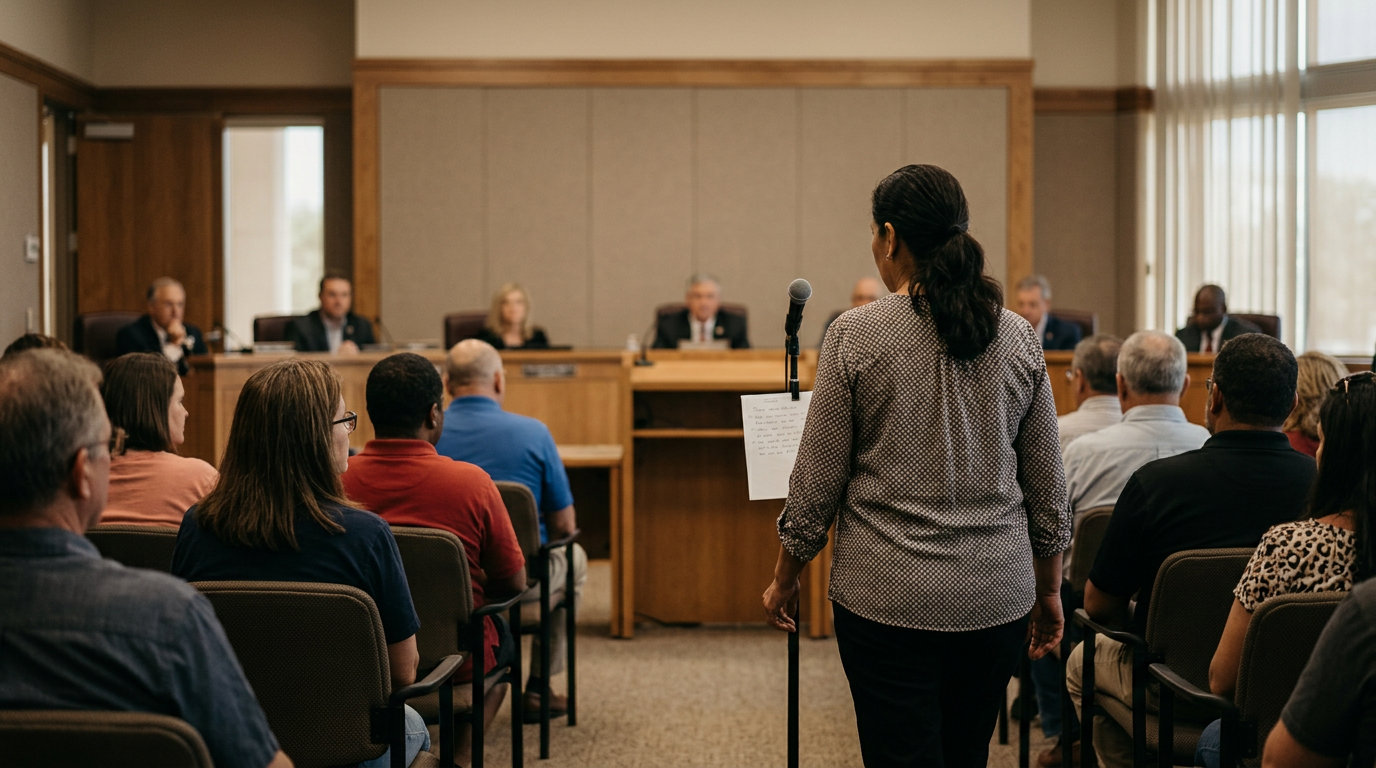
Tarrant County is currently navigating a complex legal and political landscape as residents and local advocates raise concerns regarding the conduct of the Commissioners Court and its leadership. At the center of the dispute are allegations that current decorum policies may infringe upon the First Amendment rights of constituents who wish to criticize local government actions. Texas has a long history of protecting the right of taxpayers to petition their government, a principle enshrined in both the state and federal constitutions. Historically, Texas courts have looked unfavorably upon local ordinances or rules that stifle political dissent under the guise of maintaining order, provided the speech remains non-disruptive to the proceedings. Recent changes in the frequency and format of these meetings have further fueled the fire, leading to accusations of reduced transparency and accessibility for the public. Beyond meeting conduct, the fiscal management of the county has come under intense scrutiny. Critics argue that the current administration is utilizing reserve funds to balance the budget, a move that provides a surface-level appearance of fiscal conservatism while potentially depleting the county’s long-term financial safety net. This comes at a time when North Texas residents are grappling with rising costs of living, including property taxes, rent, and groceries. The tension between the county's stated goal of running like a business and the actual implementation of its budgetary policies has created a divide among Tarrant County voters, with many questioning if the focus remains on the average citizen's needs.
Texas relevance
This situation is deeply relevant to the residents of Tarrant County, the third-most populous county in Texas and a critical political battleground. In North Texas, the decisions made by the Commissioners Court directly impact property tax rates, infrastructure funding, and the general welfare of millions of people. When allegations of First Amendment violations arise in a Texas county, it sets a precedent that can influence municipal governance across the entire state. Texas taxpayers hold a unique stake in this conflict because any legal settlements or judgments resulting from civil rights litigation are ultimately funded by the public treasury. As cities like Fort Worth, Arlington, and Mansfield grow, the demand for transparent and legally compliant governance becomes more acute for the local electorate.
The Evolution of Meeting Decorum in North Texas
In recent years, several Texas counties have adjusted their public comment rules in response to increasingly heated political discourse. In Tarrant County, the transition from frequent weekly meetings to a monthly schedule has been a significant point of contention. Leaders argue that more infrequent meetings allow for more focused administrative work, but critics see it as a hurdle for constituents who seek timely redress of grievances.
The limitation of public speaking time to one minute during certain sessions has also been flagged as a potential barrier to meaningful participation. While the Texas Open Meetings Act requires that the public be allowed to speak, it grants presiding officers the authority to set 'reasonable' rules. The definition of what is reasonable is now being tested in the court of public opinion and potentially in the legal arena.
Fiscal Strategy and the Use of County Reserves
Tarrant County’s recent budgetary decisions involve a delicate balancing act. By utilizing reserve funds, the county can avoid immediate tax hikes, which is a popular move for any administration seeking to show fiscal restraint. However, financial experts often warn that relying on one-time funds or rainy-day reserves for recurring expenses can lead to structural deficits in the future.
For the residents of Fort Worth and surrounding areas, the sustainability of this model is crucial. If the reserves are exhausted to maintain an image of low spending, future administrations may be forced to choose between massive tax increases or drastic cuts to essential services like law enforcement and road maintenance. Transparency regarding how much is being pulled from these accounts is a primary demand from local watchdogs.
Constitutional Challenges and Legal Liability
The allegation that First Amendment rights were violated carries heavy weight in Texas law. The right to criticize public officials is a cornerstone of American jurisprudence. If a government entity is found to have suppressed speech based on the content or viewpoint of the speaker, it can lead to civil rights lawsuits under Section 1983.
Legal experts note that defending such lawsuits is an expensive endeavor for any municipality. Legal fees and potential settlements are paid out of the county’s general fund, which is supported by property taxes. Consequently, even residents who support the administration's policies may find themselves financially responsible for the legal fallout of contested decorum rules.
The Role of Ideological Affiliations
The political landscape in Tarrant County is shaped by a variety of advocacy groups. Some of these groups have been criticized for their rhetoric and influence over local policy. The connection between elected officials and grassroots organizations often dictates the legislative priorities of the Commissioners Court, leading to a polarized environment.
Critics often point to the affiliations of local leaders as an indicator of their governing style. When these affiliations involve groups with controversial histories, it often leads to increased scrutiny of every policy change. This local friction reflects a broader trend across Texas, where the divide between different factions of the same political parties is becoming more pronounced in local races.
Electoral Implications for 2026 and Beyond
As the 2026 election cycle approaches, the performance of the Tarrant County Commissioners Court will likely be a central theme. Voter turnout in local elections has historically been lower than in presidential years, but the high stakes of current county debates may drive more residents to the polls. Local activists are already mobilizing to increase awareness of how county-level decisions affect daily life.
The ability of the current administration to defend its fiscal record and its handling of public discourse will be tested. In a county that has seen shifting demographics and fluctuating political leanings, every administrative decision is viewed through a lens of future electoral viability. The outcome of these local debates could serve as a bellwether for other large Texas counties.
The Economic Pressure on Tarrant County Families
While political battles play out in the courthouse, the economic reality for Tarrant County families remains a pressing issue. The cost of housing in North Texas has skyrocketed, and inflationary pressures continue to squeeze household budgets. Residents are increasingly sensitive to how their tax dollars are allocated and whether their voices are being heard.
The debate over county spending is not just about numbers on a spreadsheet; it is about the priorities of the community. Whether it is funding for public safety or the maintenance of public parks, every dollar spent or saved has a direct consequence for the quality of life in one of the fastest-growing regions in the United States.
Analysis
OPINION: The intersection of local governance and ideological affiliations is increasingly defining the political climate in Texas urban-suburban hubs. While proponents of the current administration argue that streamlined meetings and lower headline tax rates are wins for efficiency, the method of achieving these—such as dipping into reserves—merits a closer look from a traditional conservative fiscal perspective. Furthermore, if decorum policies are found to be overly restrictive, the county risks not only costly litigation but also a breakdown in trust between the governing body and the people. The association with polarizing outside organizations often distracts from the nuts-and-bolts work of county management, creating a feedback loop of controversy that may ultimately cost the taxpayers more than they are allegedly saving through recent budget maneuvers.
Source attribution
This story was reported using a public release from the r/fortworth. Keep TX Red rewrote the coverage independently and links to the official statement for verification.
Frequently Asked Questions
- What is the Texas Open Meetings Act?
- The Texas Open Meetings Act (TOMA) is a state law that requires government entities to conduct their business in a way that is accessible to the public. It ensures that most meetings of governmental bodies are open to the public and that residents have the opportunity to address the body before or during the discussion of specific agenda items. However, the law does allow presiding officers to set reasonable rules for the length and manner of public comments.
- How does Tarrant County fund its budget?
- Tarrant County's budget is primarily funded through property taxes collected from residents and businesses within the county. Other revenue sources include fees for services, state and federal grants, and sometimes draws from the county’s reserve fund (savings). The Commissioners Court is responsible for setting the tax rate and approving the annual budget.
- Why is the use of reserve funds controversial?
- Reserve funds are intended for emergencies or unexpected economic downturns. While using them to balance a budget can prevent immediate tax increases, critics argue it is a short-term fix that can lead to financial instability if the reserves are not replenished. It can also mask the true cost of government operations.
Official Sources
Take the next step
Browse the Newsroom →Read more about Keep Texas Red → Our full guide to what Keep Texas Red means and why Texans support it.
Get Texas updates delivered weekly.
Independent Texas reporting on politics, policy, and daily life. One email a week. Unsubscribe anytime.
Keep TX Red Newsroom
The Keep Texas Red Editorial Staff produces nonpartisan explainers, policy breakdowns, and educational resources to help Texans understand how their government works. All content is reviewed for accuracy and updated regularly.
About Keep TX Red →