AG Ken Paxton Spotlights Texas Grassroots Enthusiasm Amid National Media Scrutiny of Conservative Rallies
Texas Attorney General Ken Paxton joins national conservative efforts to highlight massive voter turnout and address legacy media narratives.
Editorial disclaimer: Opinions and analysis on Keep TX Red are editorial content — not statements of fact. See our editorial standards.
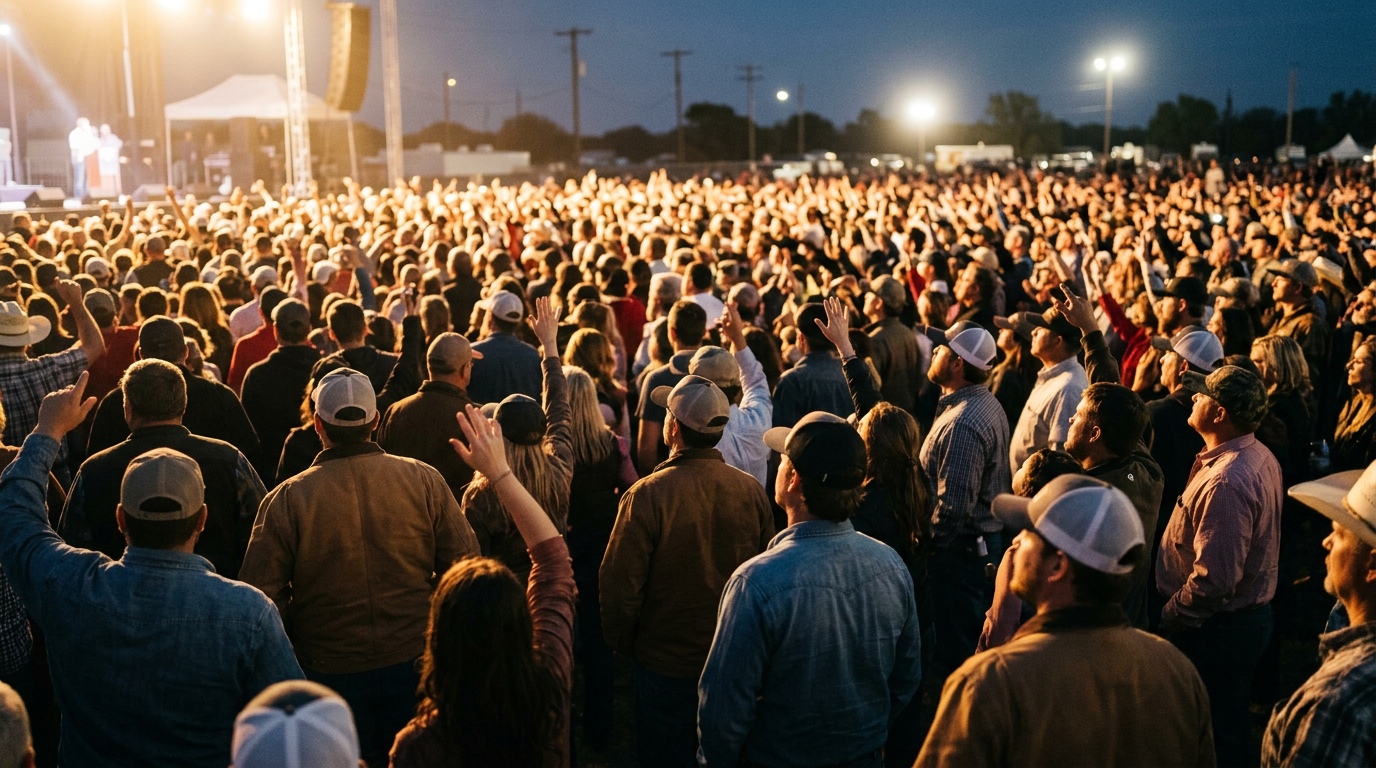
Recent political developments in the Lone Star State have centered on the massive turnout at conservative gatherings, as Texas Attorney General Ken Paxton and other high-profile figures continue to draw significant crowds across the region. While national media outlets have recently attempted to scrutinize attendance figures and crowd logistics at various events throughout the state, the underlying reality remains a surging level of grassroots participation. Texas has historically served as a bellwether for large-scale political engagement, dating back to the iconic campaigns of the 20th century, but the current era of digital verification has brought new intensity to the debate over public support levels. This scrutiny comes at a time when Texas leadership is increasingly focused on ensuring that the scale of conservative momentum is accurately reflected in public discourse. Throughout the current election cycle, the definition of a successful political gathering has evolved from simple headcount to a broader measure of engagement, digital reach, and local economic impact. In Texas, where venues range from massive fairgrounds to intimate town halls, the logistics of hosting high-profile speakers like Paxton provide a tangible look at the resources being deployed to mobilize the electorate. Despite attempts by critics to minimize these numbers, the visual evidence frequently shared by participants through personal social media channels tells a story of sustained interest in the state’s executive leadership and their legislative priorities for the upcoming session.
Texas relevance
The logistical and optical success of political events in Texas is vital for the state's internal political stability and its influence on national policy. As the largest conservative stronghold in the nation, the ability of Texas leaders to mobilize thousands of residents in cities like Montgomery, Collin, and Tarrant counties demonstrates a level of organized support that sustains the state's current policy trajectory. The scrutiny of these events highlights the ongoing tension between local Texas organizers and national media framing, emphasizing the importance of direct communication between elected officials and their constituents.
The Evolution of Texas Political Rallies
Texas has a long-standing tradition of grand-scale political theater, often referred to as 'stump speaking' on a massive scale. From the days of the wildcatters to the modern tech-driven economy, the ability to draw a crowd has been the primary metric of a candidate's viability. In the modern context, Attorney General Ken Paxton has utilized these large gatherings not just for votes, but as a platform to bypass traditional media gatekeepers. This strategy allows the messaging to remain unfiltered, reaching the base directly without the editorializing often seen in national outlets.
The infrastructure required to host these events has also grown in complexity. Security detail, venue scouting, and digital promotion now require months of planning by Texas-based political action committees and local party branches. When thousands of Texans converge on a single location, it serves as a powerful visual reminder of the state's ideological alignment, which often puts it at odds with federal directives. The energy at these events is frequently cited by organizers as a key driver for volunteer recruitment and local fundraising efforts.
Furthermore, the geographical diversity of Texas means that these rallies must be tailored to different regions. A rally in West Texas carries a different cultural weight than one in the Houston suburbs. The ability of leaders to consistently draw crowds across these varying landscapes is a testament to the broad appeal of the current platform. While critics focus on the margins of attendance, the persistence of these large-scale meetings indicates a level of stamina within the electorate that mirrors the state's historical resilience.
Addressing Media Scrutiny and Digital Verification
In the age of social media, every political event is subject to immediate verification by thousands of independent cameras. This has created a new battleground for narrative control. National outlets often rely on wide-angle shots taken during warm-up acts to suggest low attendance, while local attendees post close-up footage of packed aisles and standing-room-only sections. This discrepancy has led to a growing distrust among Texas voters toward national reporting, as their lived experiences at these events often contradict what is broadcasted on the news.
Texas organizers have responded by becoming more transparent with their data, often releasing official fire marshal counts or ticket scan numbers to refute claims of poor turnout. This shift toward data-driven defense is a response to the perceived bias in political reporting. By providing hard numbers, Texas leaders aim to shift the conversation back to the content of their speeches rather than the occupancy of the room. The tension highlights a broader cultural shift where Texans increasingly look toward internal state sources for information.
The role of digital influencers has also expanded in this space. Independent creators often stream these rallies in their entirety, providing a raw look at the proceedings that traditional media may choose to edit. This democratization of political coverage has made it harder for any single entity to control the narrative regarding how many people were present or what the atmosphere was like. For the Texas Attorney General, these digital channels provide a vital secondary audience that far exceeds the physical capacity of any venue.
Impact on Lawmaking and State Policy
The enthusiasm generated at these rallies often translates directly into legislative action. When a large contingent of voters shows up to support a leader like Ken Paxton, it sends a clear signal to the Texas Legislature about the priorities of the base. Issues like election integrity, parental rights in education, and energy independence are frequently the focus of these gatherings. The collective voice of the crowd serves as a mandate for representatives to pursue aggressive policy changes during the legislative session in Austin.
Moreover, these events serve as networking hubs for activists who coordinate their efforts for upcoming legislative hearings. It is not uncommon for a rally in the fall to result in a surge of testimony at the Capitol in the spring. This direct pipeline from the rally floor to the committee room is a hallmark of the Texas political process. It ensures that the momentum seen on the ground is not lost but is instead converted into tangible law.
The presence of state leaders at these events also provides an opportunity for direct feedback from the constituency. Unlike formal office meetings, the rally environment allows for a more colloquial exchange of ideas. This helps officials stay grounded in the concerns of everyday Texans, ensuring that the policies being drafted in Austin reflect the actual needs of the people. The scale of these events reinforces the idea that the government is responsive to the majority will within the state.
Economic Implications for Host Cities
Beyond the political implications, large-scale rallies provide a significant economic boost to the Texas cities that host them. Large venues require staffing, security, and local catering, while the thousands of visitors fill local hotels and restaurants. For smaller Texas towns, a visit from high-level state officials can represent one of the largest commercial events of the year. This economic tailwind is often overlooked by national critics who are more focused on the optics of the event than its local benefits.
Local business owners frequently report record-breaking sales during these weekends, as the sense of community among attendees encourages local spending. This synergy between political activity and local commerce helps to build a stronger relationship between the government and the business community. It also demonstrates that political engagement has practical, positive outcomes for the regions involved, further incentivizing local municipalities to welcome these events.
In cities like Odessa or Conroe, the infrastructure built to support these rallies often remains as a permanent improvement to the community. Whether it is upgraded telecommunications for press pools or improved security protocols for municipal buildings, the legacy of a major rally extends far beyond the day of the event. This physical and economic impact is a key reason why many Texas communities actively lobby to host such high-profile figures.
The Strategic Use of Texas Venues
The selection of venues for Texas rallies is a strategic process that takes into account both symbolism and logistics. Choosing a private ranch in rural Texas sends a different message than holding an event at a major convention center in a metropolitan hub. Each choice reflects a specific segment of the Texas population that the leadership is looking to engage. The diversity of these venues showcases the multifaceted nature of the Texas electorate, which is far from a monolith.
Logistically, the vast size of the state requires a sophisticated transportation and housing plan for the speakers and their staff. The ability to execute these multi-city tours without significant hitches is a testament to the organizational strength of the current administration. It shows a level of preparedness that is necessary for governing a state with the economic and demographic weight of Texas. These successes provide a counter-narrative to claims that the movement is disorganized or losing steam.
Furthermore, these venues often serve as a backdrop for significant policy announcements. By choosing a location that resonates with a specific industry, such as a manufacturing plant or a border facility, the speakers can emphasize their points with physical evidence. This tactical use of the Texas landscape makes the message more relatable to the viewers at home and creates a lasting image of the leader in their natural element.
Analysis
OPINION: The fixation on crowd size calculations by legacy media outlets often serves as a distraction from the substantive policy issues Texas voters care about, such as border security and economic growth. By focusing on whether a venue was at 90% or 100% capacity, critics attempt to undermine the momentum of the conservative movement. However, for the average Texan, the passion of the attendees is far more indicative of the state's political future than a debate over seat counts. This ongoing conflict illustrates the divide between those who participate in the Texas political process and those who observe it from afar with a critical lens.
Source attribution
This story was reported using a public release from the AG Ken Paxton — Video Moments (Google News). Keep TX Red rewrote the coverage independently and links to the official statement for verification.
Frequently Asked Questions
- Why is crowd size such a debated topic in Texas politics?
- Crowd size is often used as a proxy for voter enthusiasm and momentum. In a large state like Texas, the ability to mobilize significant numbers of people in person is seen as a sign of organizational strength and broad public support. Critics often scrutinize these numbers to question the reach of a candidate’s message, while supporters view high attendance as a validation of their policy goals.
- How does Attorney General Ken Paxton participate in these events?
- Attorney General Paxton often serves as a keynote speaker or a featured guest at these rallies, using the platform to discuss his ongoing legal battles with the federal government, his work on border security, and his efforts to protect Texas's sovereign rights. His presence is intended to galvanize the base and provide a status update on his office's legislative and judicial priorities.
- What impact do these rallies have on the Texas economy?
- Rallies bring thousands of out-of-town visitors to host communities, leading to increased revenue for hotels, restaurants, and local vendors. They also require significant local labor for security and event production, providing a short-term but intense economic boost to the region. Many small-town mayors in Texas welcome these events for the positive financial impact they provide to the local business community.
Official Sources
Take the next step
Browse the Newsroom →Read more about Keep Texas Red → Our full guide to what Keep Texas Red means and why Texans support it.
Get Texas updates delivered weekly.
Independent Texas reporting on politics, policy, and daily life. One email a week. Unsubscribe anytime.
Keep TX Red Newsroom
The Keep Texas Red Editorial Staff produces nonpartisan explainers, policy breakdowns, and educational resources to help Texans understand how their government works. All content is reviewed for accuracy and updated regularly.
About Keep TX Red →