Texas Governor Abbott Unveils Plan to Lower Property and Auto Insurance Rates
Governor Greg Abbott announces new policy initiatives designed to address the skyrocketing costs of home and car insurance for Texas residents.
Editorial disclaimer: Opinions and analysis on Keep TX Red are editorial content — not statements of fact. See our editorial standards.
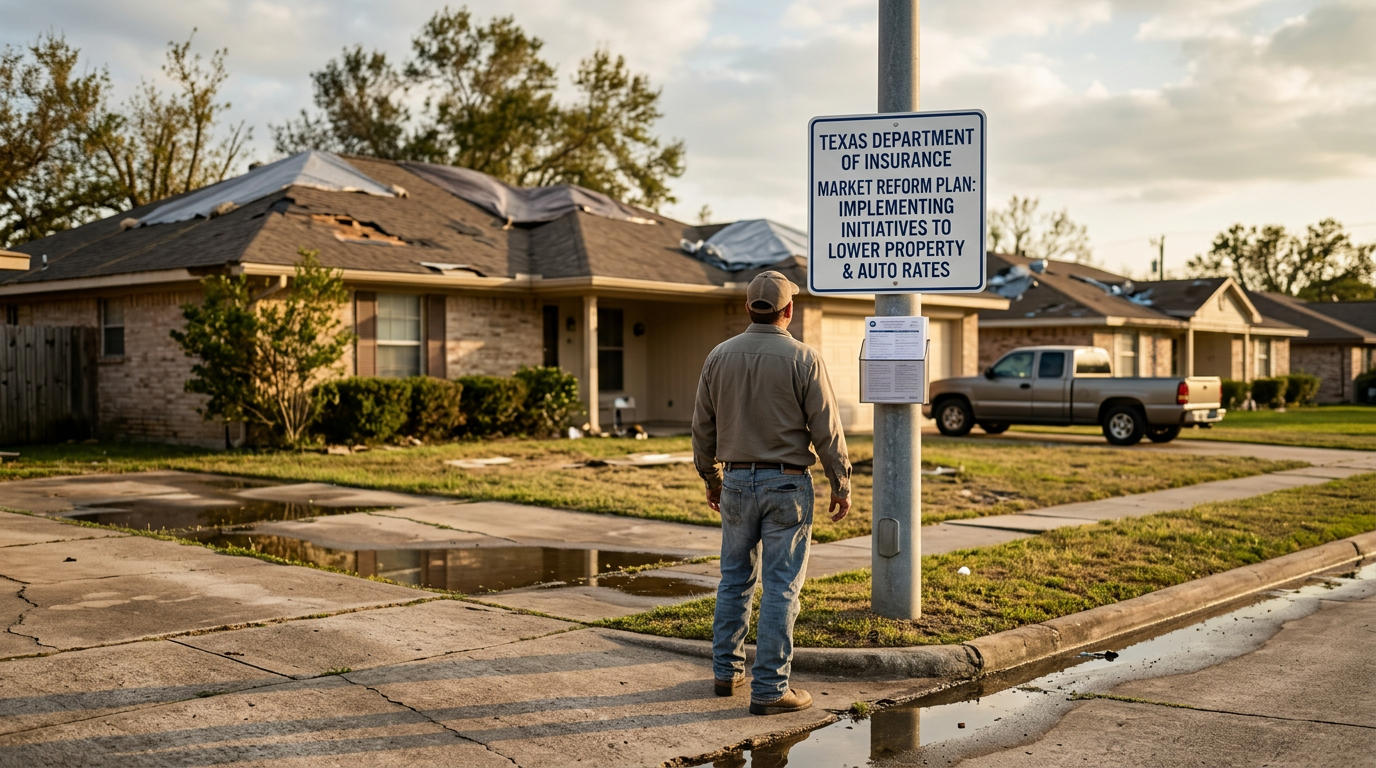
Governor Greg Abbott has announced a strategic rollout of state-level initiatives aimed at alleviating the financial burden of rising insurance premiums for millions of Texans. This move comes as residents across the state report significant spikes in both homeowners and automotive insurance costs, often outpacing general inflation and wage growth. The Governor’s plan focuses on systemic reforms intended to stabilize the market while ensuring that coverage remains accessible for the state's growing population. Historically, Texas has navigated a complex insurance landscape shaped by extreme weather events and a litigious civil environment, both of which have traditionally contributed to high rates. By addressing these underlying causes, the administration hopes to create a more competitive marketplace that rewards responsible policyholders and discourages predatory practices. The proposed framework encompasses a variety of regulatory changes and legislative priorities for the upcoming session. Central to these efforts is a push for increased transparency in how insurance companies calculate risk and set their rate maps across various Texas regions. Abbott’s office has emphasized that without intervention, the rising cost of essential insurance could become a significant barrier to homeownership and professional mobility within the state. This initiative follows previous successful efforts to provide property tax relief, signaling a broader executive focus on lowering the overall cost of living for Texas families who have felt the pinch of a tightening economy. The program is expected to involve close coordination with the Texas Department of Insurance (TDI) to ensure that consumer protections are balanced against the need for a healthy, solvent insurance industry.
Texas relevance
This policy pivot is directly relevant to every household in Texas, as the state currently ranks among the most expensive in the nation for both property and vehicle insurance. In cities like Houston and Dallas, where car dependency is high and weather-related property damage is a recurring threat, these costs represent a major portion of monthly expenses. This shift represents a significant move by the Governor to use executive and legislative influence to manage private-sector costs that impact the Texas 'economic miracle' and the affordability of its major metropolitan areas.
The Economic Driver of Rising Premiums
The primary catalysts for the recent surge in insurance costs in Texas are multifaceted, ranging from the increased frequency of severe weather events to the rising cost of repairs. Data from the insurance sector suggests that the price of parts for vehicles and building materials for homes has risen significantly over the last three years, forcing insurers to adjust their payouts and, subsequently, their premiums. Abbott’s initiative seeks to verify if these increases are proportionate to actual costs or if market inefficiencies are allowing for excessive rate hikes.
Furthermore, the influx of new residents to Texas has increased traffic density on state highways and expanded the number of homes located in high-risk zones, such as flood plains or wildfire-prone areas. This demographic shift has created a higher risk profile for the state as a whole. The Governor’s plan aims to address these pressures by incentivizing safer building practices and improving infrastructure to mitigate the risks that typically lead to high claims and higher costs for all consumers.
Reform of the Civil Justice System
A cornerstone of the Governor's new initiative involves addressing what many stakeholders call 'lawsuit abuse' within the insurance sector. The administration intends to pursue tort reform specifically targeted at the insurance industry to prevent frivolous litigation from driving up administrative costs. By narrowing the scope of certain types of lawsuits and capping certain non-economic damages, the state hopes to lower the legal overhead that insurance companies often pass on to their customers through higher monthly bills.
Proponents of this approach argue that Texas has become an overly litigious environment, particularly regarding minor vehicle accidents and hail damage claims to roofs. This strategy is intended to ensure that legitimate claims are paid quickly while preventing the 'litigation tax' that currently inflates premiums. Critics and consumer advocates, however, will likely watch closely to ensure that these reforms do not inadvertently make it harder for honest policyholders to receive the compensation they are owed after a disaster.
Increasing Competition and Market Choice
Market competition is another key pillar of the Governor's strategy to lower costs. By simplifying the regulatory hurdles for new insurance carriers to enter the Texas market, the state hopes to foster an environment where companies must compete more aggressively on price and service. Abbott has signaled a desire to move toward a more flexible regulatory framework that allows for innovative insurance products tailored to the specific needs of different Texas regions, such as more modular policies for urban dwellers versus rural homeowners.
The Texas Department of Insurance will play a pivotal role in this expansion by streamlining the approval process for new policy forms and rates. The administration believes that by increasing the sheer number of options available to consumers, the natural forces of the free market will apply downward pressure on prices. This 'open for business' approach to the insurance industry is consistent with broader Texas economic policies that favor competition over heavy-handed government price controls.
Protecting the Consumer Experience
Beyond just the price of the policy, the Governor's initiative includes measures to improve the transparency of the insurance industry. This includes mandating clearer disclosures about why a rate was increased and providing consumers with better tools to shop around for the best deals. One proposed tool is an enhanced state-run comparison portal that would allow Texans to see standardized pricing across dozens of carriers in real-time, preventing companies from hiding fees in fine print or complex policy language.
Education is also a component of the plan. The state intends to launch awareness campaigns to help Texans understand how their credit scores, driving records, and home maintenance history influence their premiums. By empowering consumers with this information, the state hopes to encourage behaviors that naturally lead to lower risk and lower costs. This proactive stance reflects a belief that a well-informed consumer is the first line of defense against rising costs.
Impact on Homeownership and the Housing Market
For many Texans, the cost of homeowners insurance has become as significant a burden as property taxes. As premiums rise, they are often bundled into mortgage payments via escrow accounts, leading to unexpected and sometimes unaffordable increases in monthly housing costs. Abbott’s plan acknowledges that stabilizing insurance rates is a critical component of maintaining Texas’s reputation as an affordable place to live and buy a home. High insurance costs have already begin to cool some segments of the real estate market in coastal and high-growth areas.
By stabilizing these costs, the state intends to protect the investment of current homeowners while keeping the door open for first-time buyers. The relationship between insurance availability and the construction industry is also a focus; if builders cannot find affordable coverage for new projects, the supply of housing will stagnate. Therefore, these reforms are not just about saving money on a monthly bill, but about ensuring the long-term health of the entire Texas residential real estate ecosystem.
Looking Toward the Legislative Session
While the Governor can implement some changes through executive orders and agency directives, the most substantial parts of this initiative will require legislative action. Abbott is expected to make insurance affordability a 'priority item' for the next session of the Texas Legislature. This will involve drafting specific bills that address the legal and regulatory frameworks discussed in the rollout. State lawmakers will have to balance the interests of the powerful insurance lobby with the growing outcry from constituents regarding their bills.
Legislators will likely focus on 'file and use' rate regulations and the authority of the Insurance Commissioner to reject excessive rate hikes. The debate in Austin is expected to be heated, as different regions of the state face different challenges; a legislator from the Panhandle may have different priorities regarding wind and hail than a legislator from the Gulf Coast dealing with hurricane risks. However, the Governor's early leadership on the issue provides a unified starting point for the upcoming legislative debate.
Source attribution
This story was reported using a public release from the r/TexasPolitics. Keep TX Red rewrote the coverage independently and links to the official statement for verification.
Frequently Asked Questions
- Why are Texas insurance rates so high compared to other states?
- Texas faces a unique combination of frequent natural disasters (hurricanes, hail, wildfires), high litigation rates, and a rapidly growing population which increases road density. These factors all contribute to a higher risk profile for insurers, who pass those costs to consumers.
- How soon will Texans see a decrease in their insurance premiums?
- While some regulatory changes can happen quickly, the most significant reforms will require the Texas Legislature to pass new laws during the next session. Rate changes typically take 12 to 24 months to filter through the market after reforms are implemented.
- Does this plan include government-mandated price caps on insurance?
- No, the Governor's plan focuses on free-market solutions such as increasing competition, reducing lawsuits, and improving transparency rather than strict government price-fixing, which could cause insurers to leave the Texas market entirely.
Official Sources
Take the next step
Browse the Newsroom →Read more about Keep Texas Red → Our full guide to what Keep Texas Red means and why Texans support it.
Get Texas updates delivered weekly.
Independent Texas reporting on politics, policy, and daily life. One email a week. Unsubscribe anytime.
Keep TX Red Newsroom
The Keep Texas Red Editorial Staff produces nonpartisan explainers, policy breakdowns, and educational resources to help Texans understand how their government works. All content is reviewed for accuracy and updated regularly.
About Keep TX Red →