Abbott Appoints Nate Schatzline as Senior Advisor on Texas Election Policy
Former Representative Nate Schatzline moves to the Governor's office as Texas prioritizes election security and coordination with national initiatives.
Editorial disclaimer: Opinions and analysis on Keep TX Red are editorial content — not statements of fact. See our editorial standards.
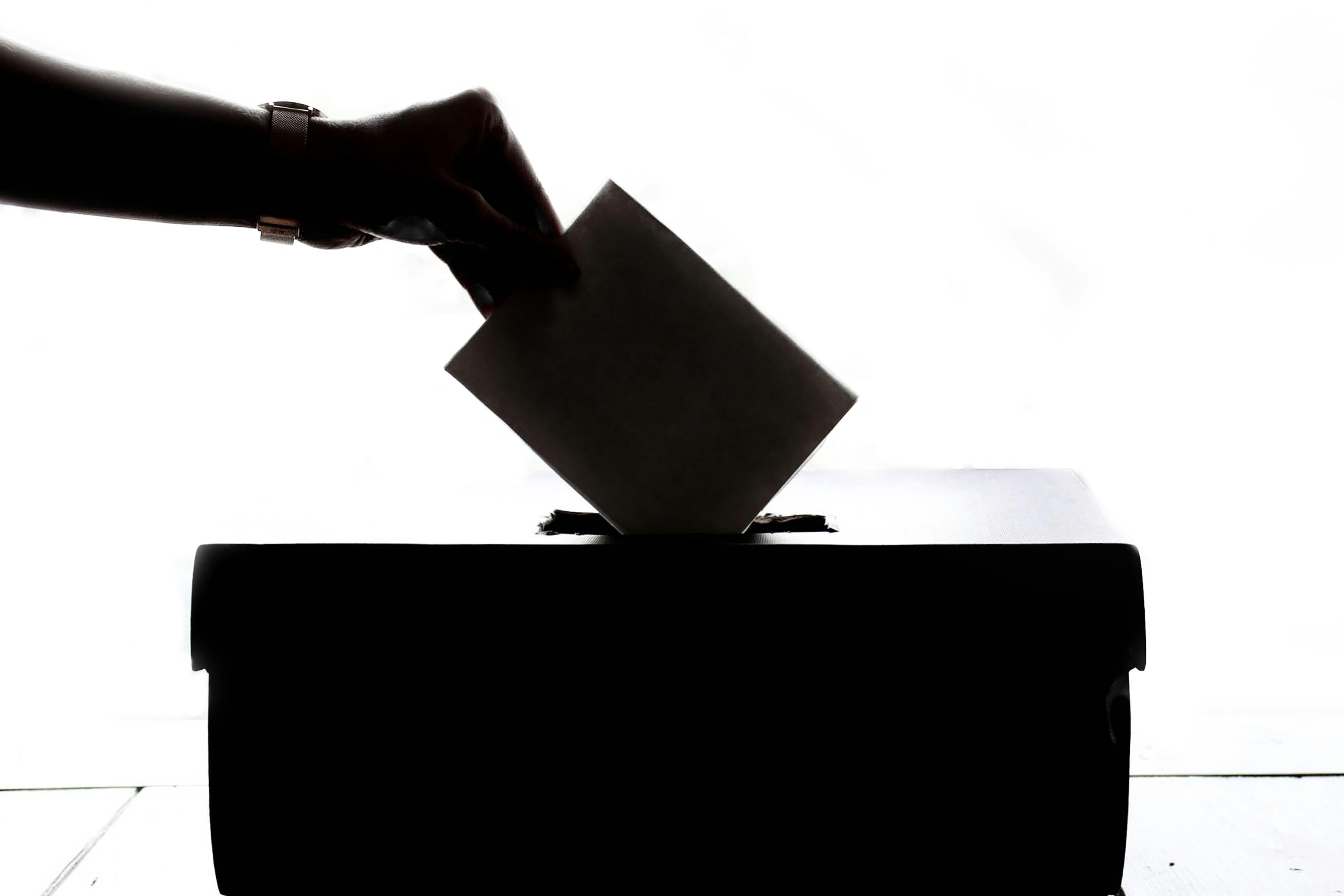
Governor Greg Abbott has fundamentally restructured his executive team by appointing former State Representative Nate Schatzline as the state’s first Senior Advisor on Election Policy. This strategic move comes shortly after Schatzline, who represented House District 93 in Tarrant County, vacated his seat and briefly stepped away from a campaign for the State Senate. Historically, the Governor’s office has worked in tandem with the Secretary of State to oversee voting procedures, but this specialized cabinet-level role marks an intensification of the executive branch's focus on ballot security. The shift occurs within a broader context of Texas leading the nation in legislative efforts to standardize voting hours, enhance identification requirements, and establish manual audit procedures for large counties. Schatzline's transition from the legislative chamber to the Governor’s inner circle suggests a desire for a more direct policy link between the Executive Mansion and the grassroots election integrity movement that has gained momentum across the state since the 2020 cycle.
Texas relevance
Texas remains the primary battleground for election law reform in the United States, and this appointment directly impacts how the state will interact with local election administrators in 254 counties. The creation of such a senior position indicates that the Governor’s office plans to take a more active role in monitoring how Senate Bill 1 and other recent reforms are being implemented on the ground from Harris County to the Rio Grande Valley. For Texas voters, this means a centralized figure in Austin will now be responsible for synthesizing state-level security goals with national policy trends, ensuring that the Lone Star State maintains the most rigorous verification standards in the country. The state has a long history of litigating over the balance between voter access and fraud prevention, and this new advisory role is positioned to lead those defenses in future legal challenges.
The Strategic Pivot from the Texas House
Nate Schatzline’s departure from the Texas House of Representatives surprised many political observers in the Dallas-Fort Worth area. As a freshman member who quickly rose to prominence within the conservative caucus, he was seen as a rising star with a secure path to higher legislative office. His initial move toward the State Senate for District 9 suggested a long-term legislative career, but the decision to withdraw and join the executive branch indicates a shift in priorities for the GOP leadership. This move allowed for a unified front in the Senate race and placed a trusted ally in a key position within the Abbott administration.
The timing of this pivot is essential for understanding the current climate in Austin. With the 89th Legislative Session on the horizon, the Governor requires a liaison who understands the temperament of the House and Senate. Schatzline’s familiarity with his former colleagues allows him to serve as an effective negotiator and policy architect. His role will likely involve translating complex security concerns into actionable policy recommendations that can survive both legislative scrutiny and judicial review.
Defining the Scope of the Election Policy Advisor
The role of Senior Advisor on Election Policy is a relatively new frontier for the Governor’s office. Traditionally, the Secretary of State—an appointed position in Texas—serves as the chief election officer. Schatzline’s role appears designed to provide a more political and strategic layer of oversight that complements the technical duties of the Secretary of State’s office. This ensures that the Governor has a dedicated voice focused solely on the long-term security infrastructure of the state’s voting systems.
Specific duties are expected to include the review of mail-in ballot verification processes and the oversight of the state’s voter roll maintenance programs. Texas has recently faced scrutiny over its processes for removing ineligible voters, and the senior advisor will likely be tasked with streamlining these data-sharing agreements with other states. By centralizing this authority, the Governor’s office can more effectively respond to emerging threats or administrative inconsistencies found in various counties.
National Alignment and Election Security
The appointment has occurred alongside a renewed national focus on election security, highlighted by high-profile addresses from figures like former President Donald Trump. Texas has often been the laboratory for policies that eventually go national, such as the implementation of paper trail requirements for all electronic voting machines. Schatzline’s presence in the Governor's office ensures that Texas remains aligned with broader national movements seeking to tighten identification laws and limit third-party influence in election funding.
While federal officials have generally maintained that recent elections were secure, the Texas GOP has consistently argued that security is a continuous process rather than a static state. The senior advisor will likely focus on proactive measures to prevent future vulnerabilities. This includes exploring emerging technologies for signature verification and investigating ways to make the counting process more transparent to partisan poll watchers, which has been a major point of contention in recent North Texas elections.
Bridging Faith and Public Policy
Before taking on this state-level role, Schatzline was noted for his focus on faith-based initiatives and traditional values within the legislature. His transition into election policy suggests an expansion of his portfolio, but it also reflects a growing trend where conservative leaders view the integrity of democratic processes as a moral and foundational issue. This perspective resonated with his constituency in HD93 and is expected to influence his approach to policy development in Austin.
For many in the Texas GOP, the issues of election security and the protection of the constitutional order are inextricably linked to their broader cultural and religious values. Schatzline is uniquely positioned to speak to this demographic, ensuring that the Governor’s office maintains strong ties with grassroots organizations that have made 'election integrity' their top priority. This role serves as a bridge between the technical aspects of lawmaking and the ideological motivations of the voting base.
Addressing Local Administrative Challenges
One of the primary challenges facing the new Senior Advisor will be the relationship between the state and urban county election administrators. Large counties like Harris, Travis, and Dallas have frequently clashed with state leaders over methods such as drive-thru voting and the mass mailing of ballot applications. Schatzline will be responsible for navigating these tensions and ensuring that local officials adhere to the strict standards set by the state legislature.
The advisor must also address the logistics of the 2026 election cycle. With new laws requiring significant technology upgrades and staffing changes at the precinct level, many small and rural counties are looking for guidance and funding. Schatzline’s office will likely play a role in coordinating how state resources are allocated to help these counties meet the new legal requirements without compromising their local autonomy or fiscal stability.
The Future of Texas Election Law
Looking forward, the appointment of Schatzline signals that the Governor’s office is prepared for a new wave of election-related legislation. Potential areas for future reform include the further restriction of ballot drop boxes, the standardization of early voting periods, and stricter penalties for administrative errors by election workers. With a dedicated advisor, the Governor can more accurately forecast the impact of these changes before they are signed into law.
Ultimately, the success of this new position will be measured by the public’s confidence in the outcome of Texas elections. As the state grows and its demographics shift, the pressure to maintain a system that is both accessible and bulletproof continues to mount. Schatzline enters this role at a critical juncture, with the eyes of both the state and the nation on the Lone Star State’s ability to manage its democratic processes during a time of intense polarization.
Analysis
The movement of a high-profile legislative ally like Nate Schatzline into the Governor's office reflects a consolidation of the ‘integrity-first’ wing of the Republican party. While critics point to his lack of traditional administrative experience in technical election hardware or municipal processing, his supporters see an ideological watchdog capable of ensuring that legislative intent is not diluted by bureaucratic inertia. This appointment, timed closely with national addresses regarding election vulnerability, signals that Texas is positioning itself not just as a participant in the national conversation on voting, but as the primary architect of the modern conservative blueprint for ballot management. By pulling a recently elected official into the executive branch, Abbott is bridging the gap between those who draft the laws and those who oversee their execution.
Source attribution
This story was reported using a public release from the r/TexasPolitics. Keep TX Red rewrote the coverage independently and links to the official statement for verification.
Frequently Asked Questions
- What is the primary role of the Senior Advisor on Election Policy?
- The Senior Advisor on Election Policy acts as a high-level strategist within the Governor's office. Their goal is to oversee the implementation of state election laws, advise the Governor on new policy initiatives, and ensure that county-level administrators are adhering to state security standards.
- Why was Nate Schatzline chosen for this position?
- Schatzline was likely chosen due to his strong record as a conservative legislator and his close alignment with the Governor’s focus on election integrity. His background in the Texas House gives him the political insight necessary to navigate the legislative process and coordinate with state lawmakers.
- Does this role replace the Secretary of State?
- No, the Secretary of State remains the official chief election officer of Texas. The Senior Advisor on Election Policy is a cabinet-level position within the Governor’s office meant to provide supplemental strategic guidance and political oversight on voting issues.
- How does this appointment affect Texas voters?
- For the average voter, this appointment signals a continued emphasis on security measures such as voter ID and the scrubbing of voter rolls. It suggests that the state will continue to prioritize fraud prevention and standardized voting procedures in upcoming election cycles.
Official Sources
Take the next step
Browse the Newsroom →Read more about Keep Texas Red → Our full guide to what Keep Texas Red means and why Texans support it.
Get Texas updates delivered weekly.
Independent Texas reporting on politics, policy, and daily life. One email a week. Unsubscribe anytime.
Keep TX Red Newsroom
The Keep Texas Red Editorial Staff produces nonpartisan explainers, policy breakdowns, and educational resources to help Texans understand how their government works. All content is reviewed for accuracy and updated regularly.
About Keep TX Red →