Ken Paxton Portfolio: AG Increases Property Holdings Amid Political Shifts
Texas Attorney General Ken Paxton expands his real estate investments as he balances a U.S. Senate bid and ongoing divorce proceedings.
Editorial disclaimer: Opinions and analysis on Keep TX Red are editorial content — not statements of fact. See our editorial standards.
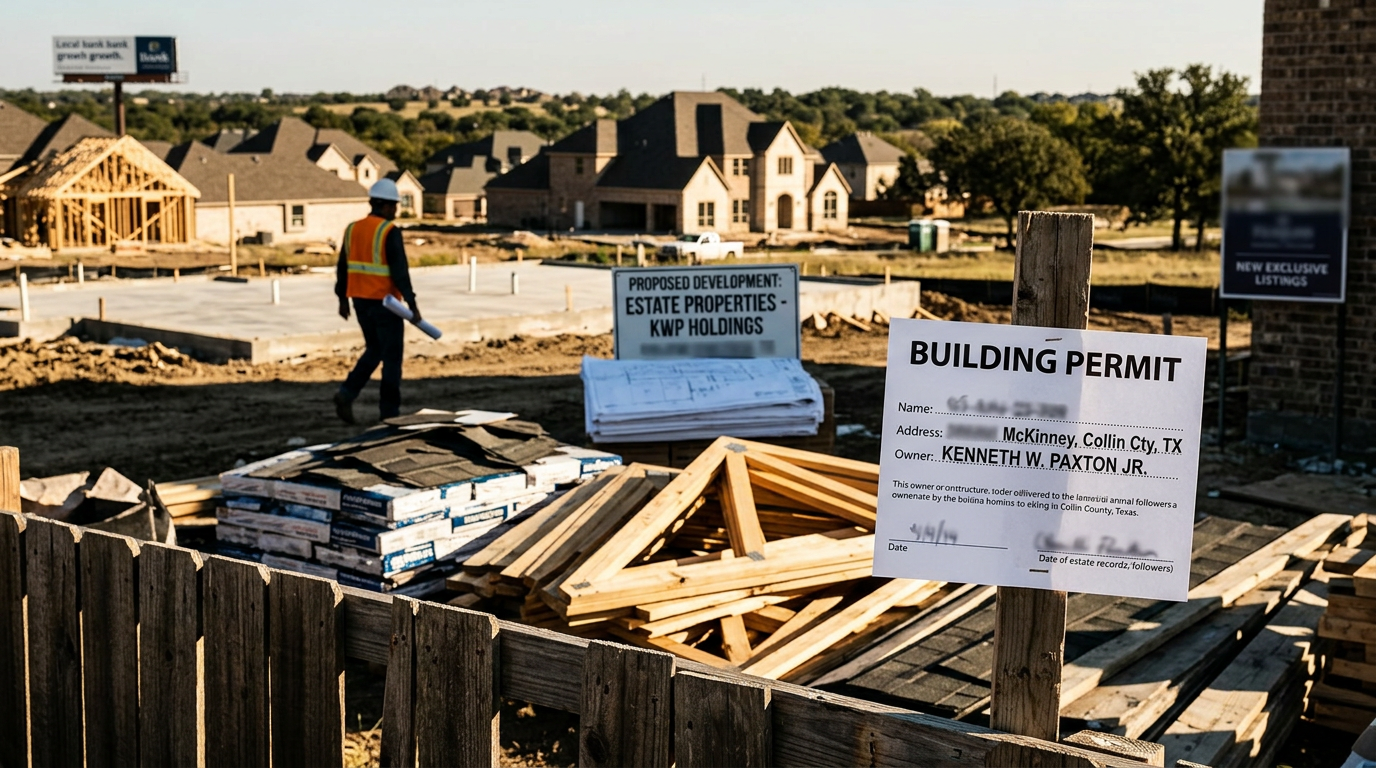
Recent financial filings and public records indicate that Texas Attorney General Ken Paxton has significantly expanded his personal real estate portfolio. This movement in his private assets comes at a pivotal moment in his public life, as he is currently campaigning for a seat in the United States Senate while simultaneously navigating the legal complexities of a divorce from State Senator Angela Paxton. Historically, the Attorney General’s financial dealings have been a point of scrutiny among both political allies and opponents, especially following his high-profile impeachment trial where his financial ties and property improvements were central themes. Historically, Texas officials have faced rigorous transparency requirements regarding property and income, though Paxton has often navigated these requirements through various legal trusts and corporate entities that characterize modern high-level political real estate strategies.
Texas relevance
This story is deeply rooted in the heart of Texas governance and the future of the state's representation in Washington D.C. As Paxton remains the top law enforcement official in Texas, his personal financial trajectory often mirrors his political influence. For residents in Collin County and across the state, the stability and ethics of their elected officials impact everything from the enforcement of state laws to the national perception of the Texas GOP. The dual nature of his current situation—managing a significant real estate expansion while seeking one of the state's most powerful federal roles—places a spotlight on the intersection of private wealth and public service in the Lone Star State.
The Scope of the New Acquisitions
The recent additions to Paxton's portfolio include a mix of residential and potentially commercial interests, continuing a trend seen over the last decade of his public service. Records suggest that these properties are not limited to the Austin or Dallas areas, but represent a diversified approach to land ownership within and possibly outside the state boundaries. This diversification is seen by some financial analysts as a hedge against the volatile nature of political careers, ensuring long-term stability regardless of election outcomes.
The methodology of these purchases often involves the use of limited liability companies (LLCs). This is a common practice among high-net-worth individuals in Texas to provide a layer of privacy and liability protection. However, because Paxton is a sitting constitutional officer, these moves are subject to different levels of public disclosure than a private citizen's transactions. The complexity of these corporate structures often requires specialized legal oversight to ensure compliance with the Texas Ethics Commission’s stringent reporting rules.
Political Implications for the Senate Race
As Ken Paxton shifts his focus from the Texas Attorney General's office to a federal run for the Senate, his financial disclosures will face a new level of federal oversight. The Federal Election Commission (FEC) has different, and in some ways more exhaustive, requirements for personal financial disclosure compared to the state of Texas. Voters will be watching to see how his real estate growth aligns with his campaign platform, which typically focuses on economic growth and personal liberty.
Opponents in the primary and general elections are likely to use these real estate moves to question Paxton’s priorities. In the high-stakes world of Texas Republican primaries, any perceived vulnerability regarding personal finances can become a major talking point. Paxton's team has historically been effective at framing his financial success as part of the broader 'Texas Success Story,' but the sheer scale of the new portfolio expansion may test that narrative in a more crowded political field.
The Impact of the Pending Divorce
The dissolution of a high-profile political marriage like that of Ken and Angela Paxton adds a layer of complexity to any real estate transaction. Under Texas community property law, assets acquired during the marriage are typically subject to equal division unless otherwise stipulated in a partition agreement. The acquisition of new property middle-divorce suggests that legal frameworks, such as pre-negotiated settlement terms or the use of separate property funds, are likely in play.
Angela Paxton, a respected Senator in her own right, also maintains a significant public profile. The division of their combined assets is not just a personal matter but one that could influence the resources available to both figures for their respective political futures. The transparency of this process is often limited by the private nature of family court proceedings, but the public recorded deeds remain a permanent trail of the shifting balance of their shared estate.
Comparison to Traditional State Precedents
Texas has a long history of 'citizen legislators' and officials who maintain robust private businesses while in office. From real estate moguls to oil and gas titans, the Texas political landscape has rarely seen a firewall between private enterprise and public life. Paxton’s actions follow in the footsteps of many prior officials who viewed property ownership as the most reliable way to build a legacy within the state.
However, the modern era of 24-hour news cycles and digital transparency has made it harder to manage the public perception of wealth accumulation while in office. Unlike the mid-20th century, where land deals were often handled in backrooms with little public oversight, today’s transactions are quickly parsed by activists and journalists. This cultural shift in Texas politics means that every deed filed at a county clerk’s office can become a potential campaign advertisement for the opposition.
Long-Term Economic Strategy and Texas Markets
The specific locations of Paxton's real estate ventures often align with high-growth corridors in Texas. By investing in areas with projected infrastructure development, Paxton is essentially betting on the continued economic dominance of the state he helps lead. This alignment of personal interest and state growth is a common theme among Texas leaders who argue that they 'eat their own cooking' by investing in the local economy.
Commercial real estate in Texas remains a robust sector despite national downturns in other markets. By expanding his portfolio now, Paxton may be looking to capitalize on lower entry points or specific local developments that are unknown to the general public. These investments serve as a reminder of the Attorney General's deep roots in the Texas business community and his ongoing influence in the state's economic development circles.
Legal Considerations and Future Transparency
While there have been no formal accusations of wrongdoing regarding these specific new purchases, the history of legal challenges surrounding Paxton’s office ensures that critics will be looking for any potential conflicts of interest. The Attorney General’s office oversees various aspects of consumer protection and land-use litigation, meaning that keeping a clear line between official duties and personal property management is paramount.
Looking forward, the Texas legislature may consider new bills regarding the financial transparency of high-ranking officials. Some lawmakers have expressed a desire to close 'loopholes' related to the use of blind trusts or nested LLCs. Whether Paxton’s recent activities become a catalyst for such legislation remains to be seen, but the intersection of his personal wealth and his public office will likely remain a topic of debate in the upcoming legislative session.
Analysis
The timing of these acquisitions suggests a strategic consolidation of assets. In Texas politics, a move toward the U.S. Senate often requires a massive war chest and a public image of financial strength. However, the optics of acquiring luxury or commercial real estate in the midst of a divorce can be complicated. Critics will likely argue that such expansion demonstrates a disconnect from the average Texan struggling with property taxes, while supporters will view Paxton's business acumen as a sign of the personal success they wish to see reflected in the state's economy. The interplay between his role as Attorney General and his private enterprise will undoubtedly remain a focal point for the 2026 election cycle.
Source attribution
This story was reported using a public release from the r/TexasPolitics. Keep TX Red rewrote the coverage independently and links to the official statement for verification.
Frequently Asked Questions
- How does Ken Paxton manage his real estate while serving as Attorney General?
- Like many Texas officials, Ken Paxton utilizes legal structures such as Limited Liability Companies (LLCs) and trusts to manage his private business interests. This allows for a degree of separation between his personal financial activities and his official duties, though he is still required to file annual financial disclosure statements with the Texas Ethics Commission.
- What is the impact of his divorce on these property acquisitions?
- Under Texas community property laws, assets acquired during a marriage are generally considered shared. However, the exact impact depends on existing legal agreements between Ken and Angela Paxton. Acquisitions made during a divorce proceeding often involve specific legal frameworks to ensure the funds used are classified correctly as either community or separate property.
- Why is his real estate portfolio a topic of political debate?
- Financial scrutiny is common for high-ranking officials. In Paxton's case, his previous legal challenges and impeachment trial included allegations related to property improvements and financial favors, making any new real estate activity a point of interest for those monitoring government ethics and transparency.
Official Sources
Take the next step
Browse the Newsroom →Read more about Keep Texas Red → Our full guide to what Keep Texas Red means and why Texans support it.
Get Texas updates delivered weekly.
Independent Texas reporting on politics, policy, and daily life. One email a week. Unsubscribe anytime.
Keep TX Red Newsroom
The Keep Texas Red Editorial Staff produces nonpartisan explainers, policy breakdowns, and educational resources to help Texans understand how their government works. All content is reviewed for accuracy and updated regularly.
About Keep TX Red →