Governor Abbott Proposes Comprehensive 2026 Texas Affordability Plan Targeting Property Taxes and Utility Costs
Gov. Greg Abbott unveils a sweeping plan to lower the cost of living for Texans through property tax relief and energy infrastructure investments.
Editorial disclaimer: Opinions and analysis on Keep TX Red are editorial content — not statements of fact. See our editorial standards.
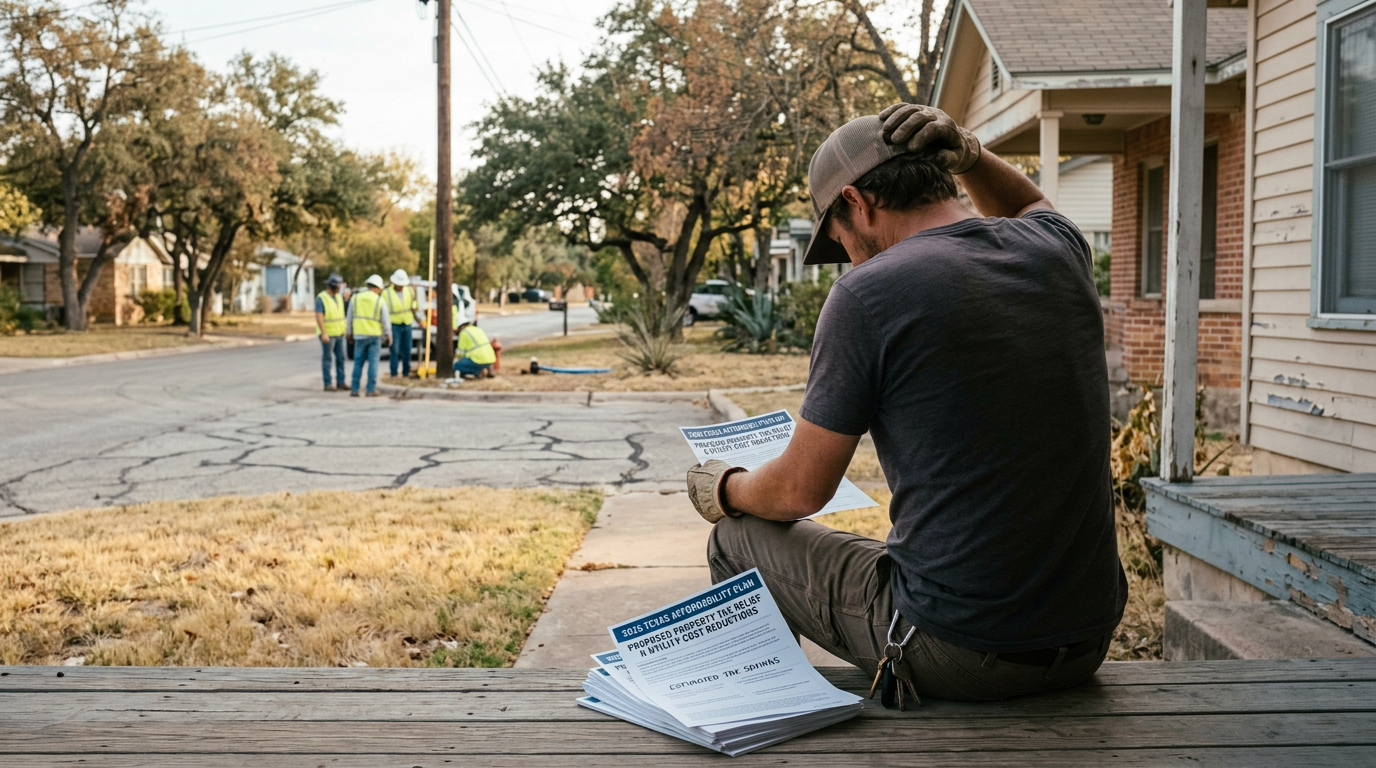
Governor Greg Abbott has introduced a multi-faceted legislative framework designed to combat the rising cost of living for residents across the Lone Star State. This newly unveiled state affordability plan focuses on deep structural changes to how Texans are taxed and how essential services, such as electricity and water, are funded. Coming on the heels of several years of record-breaking budget surpluses, the Governor's proposal signals a prioritize-first approach to returning tax dollars to homeowners while simultaneously addressing the inflationary pressures on groceries and housing. The plan serves as an opening salvo for the upcoming legislative session, setting the tone for a debate on how to maintain Texas's economic lead while protecting the pocketbooks of its citizens. Historically, Texas has relied on a mix of sales taxes and property taxes to fund its robust state and local operations, as there is no state income tax. This absence of income tax often places a higher burden on property owners, leading to periodic public outcries for relief. Governor Abbott’s recent actions follow a precedent set in 2023, where the state approved a multibillion-dollar tax relief package, including a significant increase in the homestead exemption. This new plan seeks to capitalize on that momentum, aiming to provide permanent relief rather than one-time rebates. It reflects a growing trend among Republican leaders in the state to find market-based solutions to inflation and cost-of-living concerns.
Texas relevance
This initiative is profoundly relevant to every homeowner, renter, and business owner in Texas. From El Paso to the Piney Woods, the cost of property ownership remains one of the largest financial hurdles for Texas families. By targeting the school district portion of property taxes—the largest single line item on most tax bills—the Governor is directly impacting the financial health of DFW, Houston, San Antonio, and Austin residents. Additionally, the plan’s focus on grid reliability and energy costs speaks to the ongoing concerns regarding ERCOT’s performance and the stability of utility bills during extreme weather events. For Texas, this plan isn't just about fiscal policy; it's about whether the state can remain a destination for the American dream in an era of national economic volatility.
The Core Pillars of Property Tax Reform
The centerpiece of the affordability initiative is a renewed commitment to further property tax 'compression.' This process involves the state using its revenue to replace local school district property taxes. By utilizing state funds to cover educational costs, local districts can lower their tax rates without losing the funding necessary to operate schools. This method is seen as a more sustainable long-term solution than simple refunds because it permanently lowers the base rate from which future taxes are calculated.
In addition to compression, the Governor is advocating for stricter limits on how much local governments can increase their tax collections without voter approval. Historically, even when property values skyrocket, the amount of revenue local taxing entities can collect has a cap. Abbott’s plan proposes tightening these caps further, ensuring that the state-level tax cuts aren't erased by local-level spending increases. This creates a two-pronged attack on tax bills that targets both the rate and the taxable value of properties.
Energy Infrastructure and Utility Savings
Beyond taxes, the plan addresses the rising cost of utilities by proposing a state-backed investment in dispatchable energy sources. Following the challenges of previous winters, Texas has focused heavily on grid reliability. Abbott’s new plan suggests that by increasing the supply of reliable energy—specifically natural gas—and streamlining the permitting process for new power plants, the state can drive down the market price of electricity for consumers.
The proposal also includes incentives for utility providers to modernize their infrastructure. By reducing the regulatory hurdles for building new transmission lines and substations, the state hopes to eliminate the bottlenecks that currently cause 'congestion' pricing during peak demand. This strategy is designed to stabilize the ERCOT market, preventing the wild price swings that occasionally appear on monthly utility statements for those on variable-rate plans.
Housing Market Accessibility and Regulation
The Governor is also taking aim at the hurdles facing first-time homebuyers in Texas. The affordability plan includes recommendations to reduce the bureaucratic 'red tape' at the local level that slows down residential construction. Developers often cite lengthy permitting processes and high impact fees as major contributors to the final price of a new home. By standardizing these processes at the state level, the plan aims to increase the supply of housing, thereby putting downward pressure on prices.
Furthermore, the plan looks into the role of institutional investors in the single-family housing market. There has been growing concern in the Texas Legislature that large corporations outbidding families for starter homes is distorting the market. Abbott’s plan hints at exploring legislative measures that would prioritize individual homeowners over institutional landlords, potentially through tax structures or zoning guidelines that favor individual homestead ownership.
Expanding Educational Savings Accounts
As part of the broader affordability conversation, the Governor continues to champion Educational Savings Accounts (ESAs). The argument presented in the plan is that by giving parents more control over their children’s education dollars, families can avoid the high costs of private tuition or the necessity of moving into more expensive school districts just for access to certain programs. This is framed as a matter of financial freedom for parents.
The inclusion of ESAs in an affordability plan is a strategic choice. It ties educational policy directly to the family budget. From the Governor’s perspective, empowering parents with school choice is a way to alleviate the financial strain on middle-to-low-income households who feel trapped by their local district’s performance or tax rate. It also serves as a point of negotiation for the upcoming session, where school choice is expected to be a major battleground.
Modernizing the Texas Workforce and Small Businesses
Small businesses are not left out of the affordability roadmap. The plan suggests a reduction in the franchise tax, often referred to as the 'business margin tax,' which many small operators find burdensome to calculate and pay. By simplifying the tax code for small businesses, the state aims to encourage entrepreneurship and job creation, which in turn strengthens the local economy and provides better-paying jobs for residents.
The Governor also emphasizes workforce development through community college partnerships. By making vocational training more affordable and accessible, the plan seeks to bridge the gap between unemployed Texans and the technical jobs that the Texas economy is currently producing in high numbers. This focus on human capital is designed to ensure that as the state becomes more affordable to live in, its citizens also have the skills necessary to earn a higher wage.
Water Security and Long-Term Sustainability
Recognizing that Texas is prone to drought, the plan includes significant provisions for water infrastructure. Water bills have been rising in many municipalities as cities struggle to maintain aging pipes and secure new water sources. The affordability plan proposes utilizing a dedicated fund to assist smaller rural communities in upgrading their water systems without passing the massive costs onto their residents.
This long-term focus on water security is essential for the continued growth of the state. Without a reliable and affordable water supply, the cost of agriculture, manufacturing, and residential living increases significantly. By addressing these basic infrastructure needs now, the Governor hopes to prevent the kind of 'resource inflation' that has plagued other fast-growing states like California and Arizona.
Analysis
The Governor’s plan is a calculated move to harmonize the state’s massive energy industry with the everyday needs of voters. By linking affordability to energy production and tax reform, Abbott is reinforcing the Texas model of governance: low taxes and deregulation as the primary drivers of prosperity. Critics may argue the plan places too much emphasis on corporate incentives, but the political reality is that Abbott is responding to a primary concern of his constituency—rising monthly expenses. If successful, this plan could become the blueprint for other conservative states looking to mitigate the effects of national inflation and federal fiscal policy.
Source attribution
This story was reported using a public release from the Governor Abbott — Video Moments (Google News). Keep TX Red rewrote the coverage independently and links to the official statement for verification.
Frequently Asked Questions
- How does the plan lower property taxes?
- The plan primarily uses state surplus funds to 'compress' or pay for school district costs that were previously funded by local property taxes. By covering these costs at the state level, the local tax rate can be lowered significantly for the homeowner.
- Will this plan affect utility bills?
- Yes, it aims to lower utility costs by increasing the supply of dispatchable power (like natural gas) and reducing the regulatory costs of building new power infrastructure, which should lead to more stable and lower market prices for electricity.
- What is the timeline for these changes?
- These proposals are set to be introduced and debated during the upcoming 2027 Legislative Session. If passed, the tax and regulatory changes would likely go into effect in the following fiscal year.
- Does the plan address the high cost of housing?
- It addresses housing costs by focusing on cutting bureaucratic 'red tape' in the construction process and exploring ways to limit institutional investors from dominating the single-family home market, which helps keep prices competitive for regular buyers.
Official Sources
Take the next step
Browse the Newsroom →Read more about Keep Texas Red → Our full guide to what Keep Texas Red means and why Texans support it.
Get Texas updates delivered weekly.
Independent Texas reporting on politics, policy, and daily life. One email a week. Unsubscribe anytime.
Keep TX Red Newsroom
The Keep Texas Red Editorial Staff produces nonpartisan explainers, policy breakdowns, and educational resources to help Texans understand how their government works. All content is reviewed for accuracy and updated regularly.
About Keep TX Red →