Federal Scrutiny Intensifies Following FBI Warrant Questions Involving Texas Work Vehicle Search
A Texas Senator is demanding answers after FBI search warrants cited mysterious substances found in a work van during a high-profile investigation.
Editorial disclaimer: Opinions and analysis on Keep TX Red are editorial content — not statements of fact. See our editorial standards.
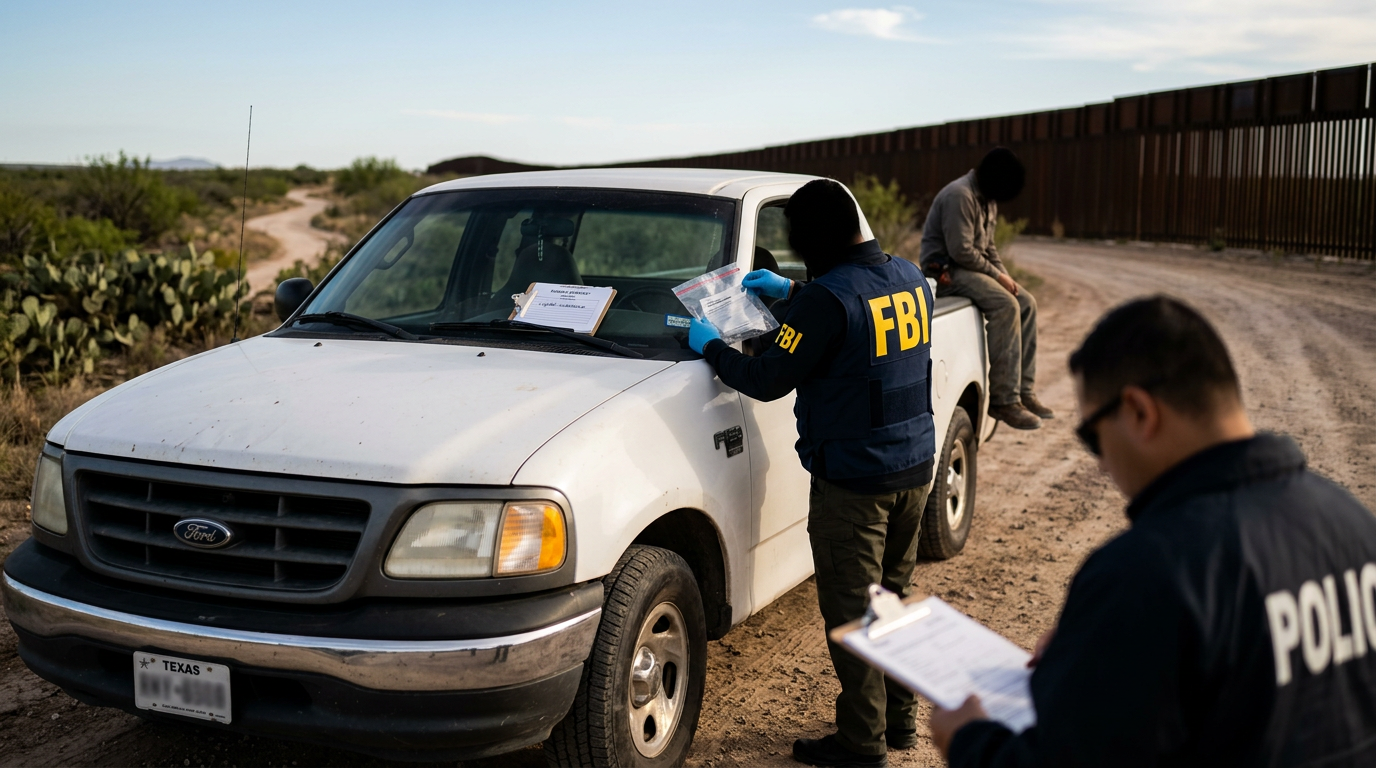
Recent developments in a federal investigation have sparked significant pushback from Texas legislative leaders regarding the methods and justifications used by federal agents. The core of the controversy stems from a search warrant executed on a work vehicle belonging to Salgado Araujo, where agents reportedly documented the recovery of a 'crystal-like substance.' This discovery has become a focal point for critics who argue that the terminology used in such warrants can be dangerously vague, potentially infringing on due process rights for Texas citizens. Historically, federal agencies have faced varying degrees of scrutiny over the specificity of their affidavits, but the intervention of a high-ranking Texas senator elevates this specific case into a statewide discussion on law enforcement accountability and judicial transparency. The investigation, which is currently ongoing, has raised alarms about how preliminary field observations are categorized in public-facing legal documents before formal laboratory confirmation. This incident adds to a growing list of friction points between Texas officials and federal law enforcement agencies over the last several years. By challenging the FBI’s descriptive language, state leaders are signaling a lower tolerance for speculative evidence in high-stakes criminal proceedings. As the case moves forward, the focus remains on whether the substances found align with the investigative narrative or if the warrant was based on thin technicalities.
Texas relevance
Texas has a long history of protecting individual property rights and demanding high standards for the execution of warrants within its borders. This specific case, originating within the Houston area, highlights the intersection of local labor and federal oversight, as the vehicle in question was utilized for daily commerce in a major Texas metropolitan hub. The outcome of this inquiry could establish a new precedent for how federal search warrants are reviewed by judicial authorities across the state’s multi-district court system. Furthermore, Texas residents are particularly sensitive to federal overreach, making the senator's intervention a matter of significant public interest from the Rio Grande Valley to the Red River. The state’s legal community is watching closely to see if this challenge leads to stricter requirements for federal affidavits filed in Texas courts.
The Disputed Warrant Details
The warrant at the center of this dispute revolves around the search of a vehicle used by Salgado Araujo in his professional capacity. According to documents filed in federal court, agents noticed the substance during a search and categorized it in a way that implies illegal activity. However, the lack of immediate lab results has led to accusations that the FBI is using suggestive language to bolster a case that may lack physical evidence.
The use of 'crystal-like' as a descriptor is common in narcotics investigations, but in the context of a general work van, it can refer to anything from rock salt to industrial cleaning agents. Critics argue that using such loaded terms in a warrant without contextualizing the environment—such as a construction or maintenance site—unfairly prejudices the subject of the investigation before they have their day in court.
Law enforcement experts suggest that agents often use broad terms to ensure they do not misidentify a substance before it reaches a lab, which could lead to technical dismissals. However, the political pushback suggests that this practice is no longer acceptable when it threatens the civil liberties of Texas workers who may be caught in the crosshairs of wide-ranging federal inquiries.
Legislative Oversight and Accountability
The Texas Senate has frequently positioned itself as a watchdog against federal entities, and this latest inquiry fits into a broader strategy of demanding accountability from the Department of Justice. The senator's formal questioning seeks to uncover the internal criteria used by the FBI when deciding to characterize found materials in public affidavits. This move is intended to ensure that the bar for searching the private property of Texans remains high and is based on more than just visual suspicion.
By bringing this issue to the forefront of the Texas congressional delegation’s agenda, the senator is also highlighting the potential for administrative errors to ruin lives. Oversight hearings or formal letters of inquiry often serve as the first step toward policy changes that could mandate more rigorous testing protocols before agents are allowed to use inflammatory descriptors in their filings.
The fallout from this case could lead to a broader review of how federal warrants are processed in the Southern District of Texas. If the senator's concerns are validated by a lack of substantial findings, it could trigger a series of reforms regarding how state and federal agencies coordinate on searches involving private citizens and their commercial assets.
Impact on the Salgado Araujo Case
For the individual involved, the stakes could not be higher. The association with a federal investigation involving 'crystal-like' substances often leads to immediate social and economic consequences, including the loss of contracts and personal stigmatization. The legal team for Araujo has also begun to echo the senator's concerns, arguing that the warrant was overly broad and lacked the necessary specificity required by the Fourth Amendment.
The defense is likely to move for the suppression of any evidence found if it can be proven that the FBI agents acted with reckless disregard for the truth or if the warrant was based on misleading descriptions. This adds a layer of complexity to the prosecution's efforts, as the focus shifts from the actual investigation to the conduct of the investigators themselves.
As the case progresses through the federal court system in Texas, the validity of the search warrant will be a primary battleground. Judicial review will determine if the agents had a 'good faith' belief in their descriptors or if they overstepped their bounds to secure a search that would have otherwise been denied by a magistrate.
Texas Precedent for Search and Seizure
Texas has consistently led the nation in refining search and seizure laws to protect its citizens. From strict 'no-knock' warrant requirements in various municipalities to statewide protections against civil asset forfeiture, the state’s legal landscape is designed to prevent government overreach. This latest challenge to the FBI is a continuation of that tradition, emphasizing that federal agents must adhere to the same rigorous standards as local peace officers.
Historically, Texas courts have been willing to throw out evidence if warrants are found to be 'facially deficient'—meaning they do not describe the items to be seized with enough particularity. While federal courts operate under different rules, the pressure from state legislators can influence how federal prosecutors choose their battles and how carefully they vet the affidavits provided by their agents.
The conversation around this case is expected to resonate across the Texas Bar Association and other legal advocacy groups. By defending the rights of a single van owner, the senator is effectively defending the rights of all Texans to be free from unwarranted state intrusion based on speculative or vague observations.
Federal-State Tensions in Law Enforcement
The relationship between Texas law enforcement and federal agencies is often a mix of cooperation and conflict. While they frequently work together on task forces, episodes like the search of Araujo’s van highlight the friction that occurs when federal tactics clash with state-level political values. This incident serves as a reminder that Texas officials are willing to step in when they perceive that federal power is being exercised without sufficient transparency.
The Department of Justice has yet to issue a comprehensive response to the senator's latest round of questions, a silence that often precedes a more formal legal defense of their agents' actions. However, the public nature of the senator’s critique makes it difficult for the agency to ignore the growing sentiment that their methods are under a microscope in the Lone Star State.
Ultimately, this development is about more than just a single search warrant; it is about the balance of power. As Texas continues to grow as a center for both industry and political influence, the demand for federal agencies to respect local standards of justice and descriptive accuracy will only increase.
Analysis
The decision by a Texas senator to publicly question the FBI's warrant language is a calculated move to prioritize procedural integrity over investigative speed. In many federal cases, 'crystal-like substance' is a boilerplate term used to justify further detention or seizure, yet it remains functionally ambiguous until chemical testing is completed. By highlighting this specific phrasing, the senator is forcing a conversation about the 'presumption of guilt' that often accompanies federal press releases and initial warrant filings. From an editorial perspective, this appears to be a necessary check on the executive branch's power. If the substance in question turns out to be a legal industrial material—common in many Texas work vans—the damage to the individual’s reputation and business may already be irreversible, demonstrating the high stakes of federal linguistic choices.
Source attribution
This story was reported using a public release from the Texas Congressional Delegation (Google News). Keep TX Red rewrote the coverage independently and links to the official statement for verification.
Frequently Asked Questions
- What exactly was found in the work van?
- Federal agents reported finding a 'crystal-like substance' during their search. However, the specific chemical makeup of this substance has not been publicly confirmed by laboratory results, which is the primary cause for the senator's intervention.
- Who is Salgado Araujo?
- Salgado Araujo is the individual whose work vehicle was the subject of the FBI search warrant. He is currently at the center of a federal investigation, though his legal representation and state supporters are questioning the validity of the evidence used against him.
- Why is a Texas Senator involved in a federal search warrant case?
- Senators have oversight responsibilities regarding federal agencies. In this case, the senator is using their platform to ensure that federal actions within Texas do not violate the constitutional rights of residents through the use of vague or misleading legal language.
- What happens if the 'crystal-like substance' is not an illegal drug?
- If the substance is found to be legal, it could strengthen the argument for suppressing the search results and could lead to a dismissal of related charges. It also provides political ammunition for those calling for stricter federal warrant guidelines.
Official Sources
Take the next step
Browse the Newsroom →Read more about Keep Texas Red → Our full guide to what Keep Texas Red means and why Texans support it.
Get Texas updates delivered weekly.
Independent Texas reporting on politics, policy, and daily life. One email a week. Unsubscribe anytime.
Keep TX Red Newsroom
The Keep Texas Red Editorial Staff produces nonpartisan explainers, policy breakdowns, and educational resources to help Texans understand how their government works. All content is reviewed for accuracy and updated regularly.
About Keep TX Red →