Federal Judges Demand Resolution for Texas Veterans in Camp Lejeune Water Contamination Lawsuits
Judges order a mass settlement plan by October for thousands of veterans, including many Texans, over toxic water exposure at Camp Lejeune.
Editorial disclaimer: Opinions and analysis on Keep TX Red are editorial content — not statements of fact. See our editorial standards.
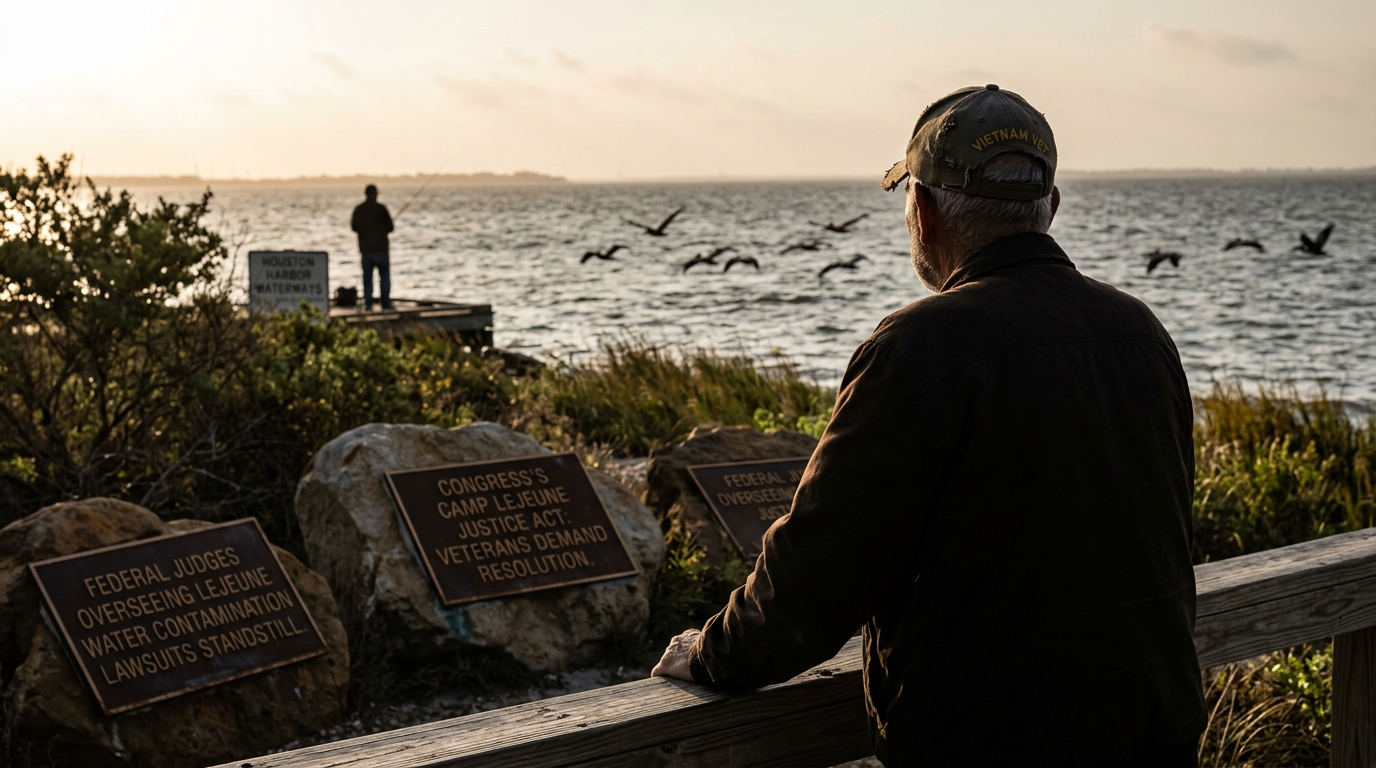
Legislation passed by Congress in recent years opened the door for thousands of former service members to seek damages regarding toxic water exposure at Camp Lejeune in North Carolina. Despite the clear intent of the Camp Lejeune Justice Act, the legal process has been mired in procedural delays and bureaucratic hurdles, leaving many aging veterans without the compensation they were promised. In a significant move to break this deadlock, federal judges overseeing these multidistrict litigation cases have issued a firm directive to legal teams. Lawyers for both the plaintiffs and the government have been ordered to finalize a mass settlement framework before the end of October. This push for a unified resolution aims to streamline the thousands of individual claims that have flooded the court systems since the window for litigation opened. Historical context reveals that the water contamination at the Marine Corps base occurred between the early 1950s and the late 1980s. Volatile organic compounds, including known carcinogens like benzene and trichloroethylene, leached into the drinking water system from leaking storage tanks and nearby industrial operations. For decades, those stationed at the base suffered from rare cancers, neurological disorders, and reproductive issues, yet they were legally barred from suing the government due to outdated immunity doctrines. The recent shift in federal law was intended to rectify this historical injustice, but the slow pace of the Department of Justice and the Navy in processing claims has led to widespread frustration among the survivor community and their legal representatives.
Texas relevance
Texas is home to one of the largest veteran populations in the United States, with a significant density of former Marine Corps personnel residing in areas like Killeen, San Antonio, and Houston. Because so many Texans served at or were stationed near Camp Lejeune during the decades of contamination, the state has a disproportionately high number of plaintiffs involved in this litigation. The outcome of these settlement negotiations will directly impact the financial and medical stability of thousands of Texas households. Furthermore, many Texas-based legal firms are currently representing these claimants, making the October deadline a critical milestone for the state's legal and veteran advocacy communities. The state's veterans' resource centers have been on high alert, preparing to assist residents once the settlement terms are officially unveiled.
The October Deadline and Its Implications
The mandate from the federal bench requires lawyers to move past individual case-by-case debates and focus on a broad grid of compensation. This grid would ideally categorize victims based on the severity of their illness and the duration of their exposure at Camp Lejeune. By establishing these pre-set criteria, the court hopes to eliminate the need for thousands of individual trials, which could otherwise bog down the legal system for decades.
For plaintiffs, the arrival of October represents a beacon of hope after years of stagnant negotiations. The judges have made it clear that they expect a transparent and workable plan that addresses the diverse needs of the claimant pool. If attorneys fail to reach an agreement by this deadline, the court may be forced to implement more aggressive measures to push the cases forward into the trial phase, which the government is generally keen to avoid due to the potential for high-dollar jury awards.
The Scale of Contamination and Long-Term Health Costs
Scientific studies conducted by the Agency for Toxic Substances and Disease Registry have confirmed that the water at Camp Lejeune contained levels of contaminants hundreds of times higher than safety standards allowed. The health consequences for those who drank or bathed in the water include kidney cancer, liver cancer, non-Hodgkin lymphoma, and Parkinson’s disease. For many veterans residing in Texas, these health issues have led to mounting medical bills and a total loss of earning potential.
The pending settlement is not just about personal injury; it is about addressing the long-term economic fallout for families who lost breadwinners or were forced into early retirement due to chronic illness. The scope of the settlement must account for the reality that many of these medical conditions require lifelong care, including specialized treatments that are not always fully covered by VA benefits. The October plan will be scrutinized for how it handles these ongoing care requirements.
Bureaucratic Roadblocks in the Settlement Process
Prior to this judicial order, many claimants reported that their initial administrative filings with the Navy were met with silence or generic denials. The Department of Justice has been criticized for being overly litigious in the discovery phase, demanding exhaustive documentation from veterans who served decades ago. Many veterans find it difficult to produce records from the 1960s or 70s to prove their presence on the base for the required 30-day minimum.
The new court-ordered plan is expected to address these evidentiary hurdles. By creating a standardized path to compensation, the need for 'perfect' military records from fifty years ago might be replaced by secondary evidence such as testimony or housing records. This shift is crucial for the older demographic of plaintiffs who are currently in their 70s and 80s and do not have the luxury of time to navigate a complex legal discovery process.
Texas Veterans and the Fight for Recognition
Texas has always prided itself on supporting its veteran community, and the Camp Lejeune case has become a focal point for local advocacy groups. Organizations across North and Central Texas have been hosting workshops to help veterans understand their rights under the Camp Lejeune Justice Act. Many of these residents feel that the federal government has ignored their plight for too long, and they view the current litigation as the final opportunity for official acknowledgement of their suffering.
The cultural impact in Texas is significant, as the military is a cornerstone of the state's identity. When Texas veterans are harmed by negligence on federal soil, it resonates deeply within the legislative halls of Austin and the local VFW posts across the state. The October deadline is seen by many in the Lone Star State as a test of whether the federal government will keep its promise to those who wore the uniform.
The Future of Tort Claims Against the Government
The resolution of the Camp Lejeune cases could set a major precedent for how the U.S. government handles large-scale environmental negligence claims in the future. If the mass settlement plan is successful, it could serve as a blueprint for other contaminated sites like the 'forever chemicals' (PFAS) found on numerous other domestic bases. This makes the work being done in the North Carolina courts relevant to every state with a high military presence, particularly Texas with its numerous active installations.
Legal experts suggest that the government’s willingness to settle—or its continued resistance—will indicate the future feasibility of the Feres Doctrine, which often limits the rights of service members to sue for injuries. While the Camp Lejeune Justice Act provided a specific statutory exception, the mechanics of this settlement will show whether the government is truly ready to transition toward a more accountable model for military health hazards.
Analysis
The judicial intervention signals a growing impatience with the pace of the federal government’s response to veteran injuries. While the Biden administration touted the PACT Act and related measures as a landmark achievement for veteran rights, the administrative execution has been criticized by many on both sides of the aisle as being overly defensive and slow. By mandating a settlement plan by October, the court is effectively removing the government's ability to 'wait out' aging plaintiffs. From a Texas perspective, this is a matter of government accountability. Taxpayers and veterans alike expect that when the government admits fault in exposing service members to life-threatening toxins, the remediation should be swift and dignified, not buried under years of motion practice and red tape.
Source attribution
This story was reported using a public release from the Texas Standard. Keep TX Red rewrote the coverage independently and links to the official statement for verification.
Frequently Asked Questions
- Who is eligible for the Camp Lejeune settlement?
- Individuals who lived or worked at Camp Lejeune for at least 30 cumulative days between August 1, 1953, and December 31, 1987, may be eligible. This includes veterans, their family members, can civil servants who were exposed to the contaminated water. A diagnosis of a qualifying illness linked to the chemicals found in the water is typically required to proceed with a claim.
- Why is the court forcing a settlement now?
- The sheer volume of individual lawsuits—now numbering in the tens of thousands—threatens to overwhelm the federal court system for decades. Additionally, many plaintiffs are elderly or terminally ill, making a rapid resolution a matter of basic justice and humanitarian concern. The judges believe a unified plan is the only way to process these claims efficiently.
- How much money can a veteran expect from the settlement?
- While exact figures are not yet finalized, the 'elective option' settlement tiers previously offered ranged from $100,000 to $550,000 depending on the severity of the illness and the length of exposure. However, the mass settlement plan currently being negotiated may result in different or higher tiers for those who chose to pursue full litigation through the courts.
Official Sources
Take the next step
Browse the Newsroom →Read more about Keep Texas Red → Our full guide to what Keep Texas Red means and why Texans support it.
Get Texas updates delivered weekly.
Independent Texas reporting on politics, policy, and daily life. One email a week. Unsubscribe anytime.
Keep TX Red Newsroom
The Keep Texas Red Editorial Staff produces nonpartisan explainers, policy breakdowns, and educational resources to help Texans understand how their government works. All content is reviewed for accuracy and updated regularly.
About Keep TX Red →