Governor Abbott Awards 5.5 Million in Medical Education Grants to Bolster Rural Physician Pipeline
Texas allocates $5.5 million for medical student preceptorships to address the primary care physician shortage in rural and underserved communities.
Editorial disclaimer: Opinions and analysis on Keep TX Red are editorial content — not statements of fact. See our editorial standards.
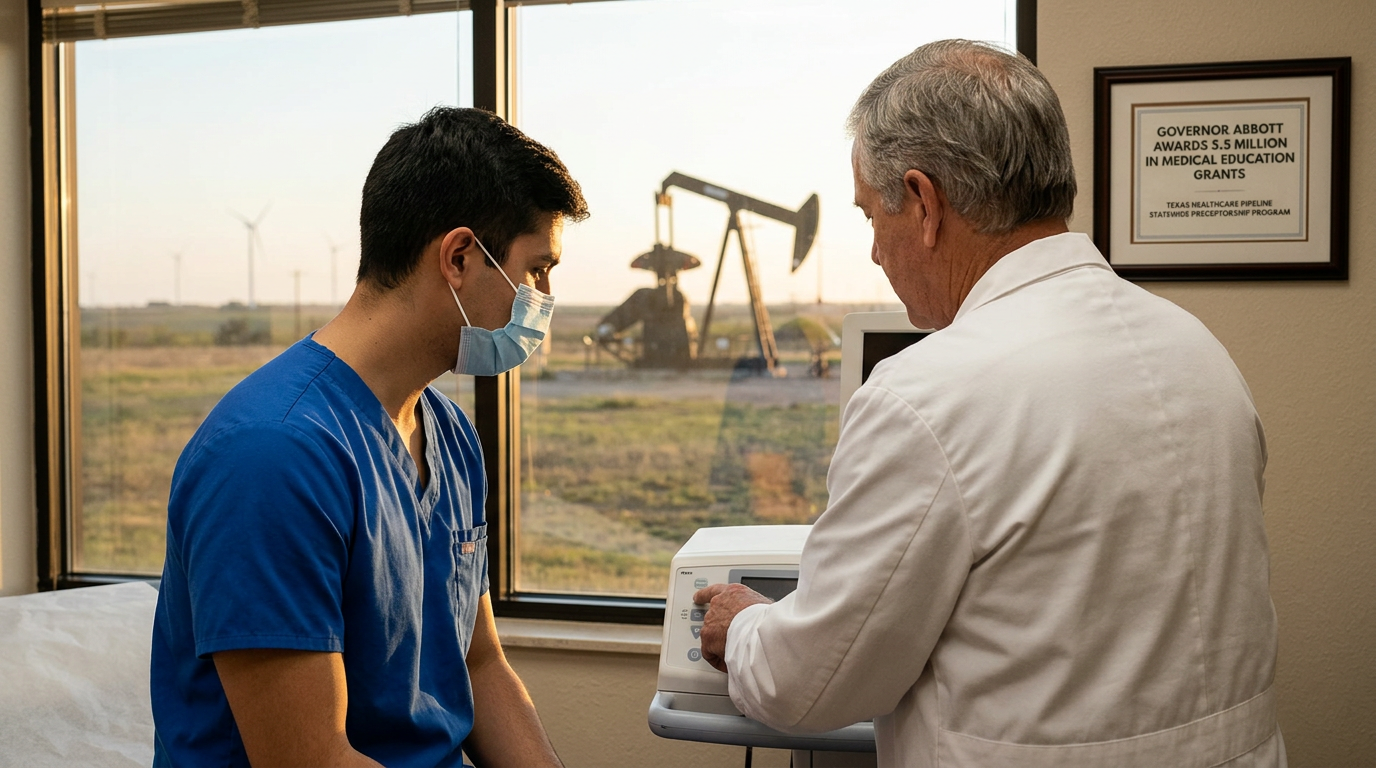
Governor Greg Abbott has authorized the release of $5.5 million in state funds to expand medical training opportunities within the Texas healthcare system. These grants, distributed through the Statewide Preceptorship Program (SPP), are specifically designed to pair medical students with established practitioners in clinical environments before they choose their final specialties. Historically, the SPP has functioned as a critical bridge between academic theory and clinical reality, particularly for students who might otherwise lack exposure to the unique challenges of community-based medicine. By focusing on family medicine, internal medicine, and pediatrics, the state aims to intervene in the career selection process during the early years of medical school. This strategic financial commitment serves as a long-term investment in the state's human capital, ensuring that the next generation of doctors is equipped to handle the diverse medical needs of a growing population. The funding will be administered through professional medical societies that represent these specific primary care disciplines across the Lone Star State.
Texas relevance
This initiative directly impacts the vast geography of Texas, where many counties currently face severe healthcare provider shortages according to federal health data. Thousands of residents in rural West Texas, the Panhandle, and South Texas border regions often travel multiple hours to access basic pediatric or geriatric specialists. By incentivizing medical students to train in these specific environments, the state hopes to encourage residency placement within Texas borders. Previous legislative sessions have emphasized that 'growing our own' talent is the most effective way to ensure longevity in the Texas medical workforce. These grants are a continuation of that policy priority, focusing on the specific demographic and geographic challenges unique to the second-largest state in the union. For Texans living outside of major metros like Houston or Dallas, this program represents an essential effort to maintain local access to life-saving medical professionals.
Prioritizing Primary Care Disciplines
The grant distribution is strictly segmented into three core areas of medicine: family practice, internal medicine, and pediatrics. State officials have identified these three sectors as the primary pillars of community health. Without a strong foundation in these disciplines, specialty care becomes overwhelmed by preventable conditions that could have been managed at the primary level.
Medical students participating in these programs will receive direct mentorship from practicing physicians who understand the logistical and clinical nuances of the Texas medical landscape. This exposure is meant to demystify the process of working in independent clinics and small-town medical centers which are often overshadowed by the prestige of large academic research institutes in urban centers like the Texas Medical Center in Houston.
Addressing the Rural Physician Shortage
A central objective of the Statewide Preceptorship Program is the mitigation of medical 'deserts' across Texas. A significant number of Texas counties either lack a primary care physician entirely or have a ratio of doctors to patients that far exceeds safe limits. This shortage leads to delayed diagnoses and increased emergency room visits for routine illnesses, which drives up healthcare costs for all Texans.
By placing students in these underserved areas for their rotations, the state is facilitating a recruitment process. Data suggests that medical students are more likely to establish their eventual practices in areas where they completed their clinical training. Consequently, these grants are not just paying for education; they are essentially scouting the future of rural Texas healthcare infrastructure.
The Role of Medical Societies
Rather than managing the training directly from Austin, the Governor's office and state agencies distribute these funds to professional medical societies. These organizations act as intermediaries, using their extensive networks to find qualified doctors willing to serve as preceptors. This public-private partnership allows the state to leverage existing professional standards and peer networks to ensure high-quality education.
The societies chosen for these grants have long-standing histories of advocacy for Texas physicians. By empowering these organizations, the state ensures that the training reflects current best practices and the actual regulatory environment of Texas medicine. This decentralized model is a hallmark of the Texas approach to professional development and workforce expansion.
Long-Term Impact on Texas Healthcare Costs
Investment in primary care is widely regarded as an effective cost-containment strategy for state governments. When patients have access to local primary care, they can manage chronic conditions like diabetes and hypertension before they progress to catastrophic health events requiring expensive hospitalizations. This proactively protects the solvency of the Texas Medicaid system and reduces the burden on local indigent care funds.
For the taxpayer, these grants represent a preventative expenditure. By spending millions now on workforce development, the state avoids spending billions later on late-stage healthcare interventions. This fiscal prudence is a key component of the state's broader strategy to maintain a healthy economy and a low tax burden for citizens and businesses alike.
Legislative Support and Future Outlook
The funding for these grants originates from legislative appropriations designed to keep Texas competitive in the national market for medical talent. As other states struggle with doctor shortages, Texas is aggressive in marketing itself as a premier destination for medical professionals through tort reform, lack of income tax, and robust support for medical education programs like the SPP.
Looking forward, the success of this $5.5 million allocation will likely be measured by the residency match rates in the coming years. If more Texas-educated students choose to stay in state and enter primary care fields, it will pave the way for expanded funding in future biennial budgets. This program is a foundational piece of the broader 'Keep Texas Healthy' initiative led by state leadership.
The Importance of Mentor-Student Relationships
The 'preceptorship' model is unique because it relies on one-on-one relationships between seasoned professionals and novices. In a rapidly changing medical field where technology and administrative burdens can be overwhelming, the guidance of a mentor is invaluable. These grants allow physicians to take the time to teach without sacrificing the financial viability of their practices.
These relationships often extend beyond the duration of the grant-funded program. Many students find full-time employment or partnership offers through the connections made during their preceptorship. This organic growth of the physician network is the most sustainable way to ensure that Texas remains a leader in medical access and quality for its nearly 30 million residents.
Analysis
Opinion: This $5.5 million investment reflects a proactive approach to a looming demographic crisis. As Texas continues to attract thousands of new residents every month, the demand for primary care is outpacing the current supply of physicians. By targeting medical students before they commit to high-earning specialties in urban centers, the Abbott administration is utilizing market-based incentives and mentorship to solve a public service problem. The focus on 'preceptorship' is particularly savvy because it utilizes existing private practices to train new talent, reducing the burden on state-run hospitals while providing students with a realistic view of what running a practice in a Texas town actually looks like. While $5.5 million is a fraction of the total state budget, the downstream economic benefits of a healthier, more accessible workforce in rural Texas could be worth billions in the decades to come.
Source attribution
This story was reported using a public release from the Office of the Governor. Keep TX Red rewrote the coverage independently and links to the official statement for verification.
Frequently Asked Questions
- What exactly is a medical preceptorship?
- A medical preceptorship is a supervised period of clinical experience where a student works alongside a practicing physician. This allows students to apply their classroom knowledge in real-world settings, specifically in disciplines like pediatrics or internal medicine, under the guidance of an expert mentor.
- Which medical specialties are covered by these grants?
- The grants specifically target three critical areas: family medicine, general internal medicine, and pediatrics. These are considered 'primary care' fields and are essential for maintaining the overall health of a community and managing chronic conditions.
- How does this help people living in rural Texas?
- By encouraging medical students to train in rural and underserved areas, the state increases the likelihood that these students will choose to practice in those locations after graduation. This helps solve the physician shortage in parts of Texas where medical care is currently hard to reach.
Official Sources
Take the next step
Browse the Newsroom →Read more about Keep Texas Red → Our full guide to what Keep Texas Red means and why Texans support it.
Get Texas updates delivered weekly.
Independent Texas reporting on politics, policy, and daily life. One email a week. Unsubscribe anytime.
Keep TX Red Newsroom
The Keep Texas Red Editorial Staff produces nonpartisan explainers, policy breakdowns, and educational resources to help Texans understand how their government works. All content is reviewed for accuracy and updated regularly.
About Keep TX Red →