Texas Military Facilities Generate Massive $148.8 Billion Benefit for State Economy
Governor Greg Abbott reveals local military bases support over 628,000 jobs and contribute nearly $149 billion to the Texas economy annually.
Editorial disclaimer: Opinions and analysis on Keep TX Red are editorial content — not statements of fact. See our editorial standards.
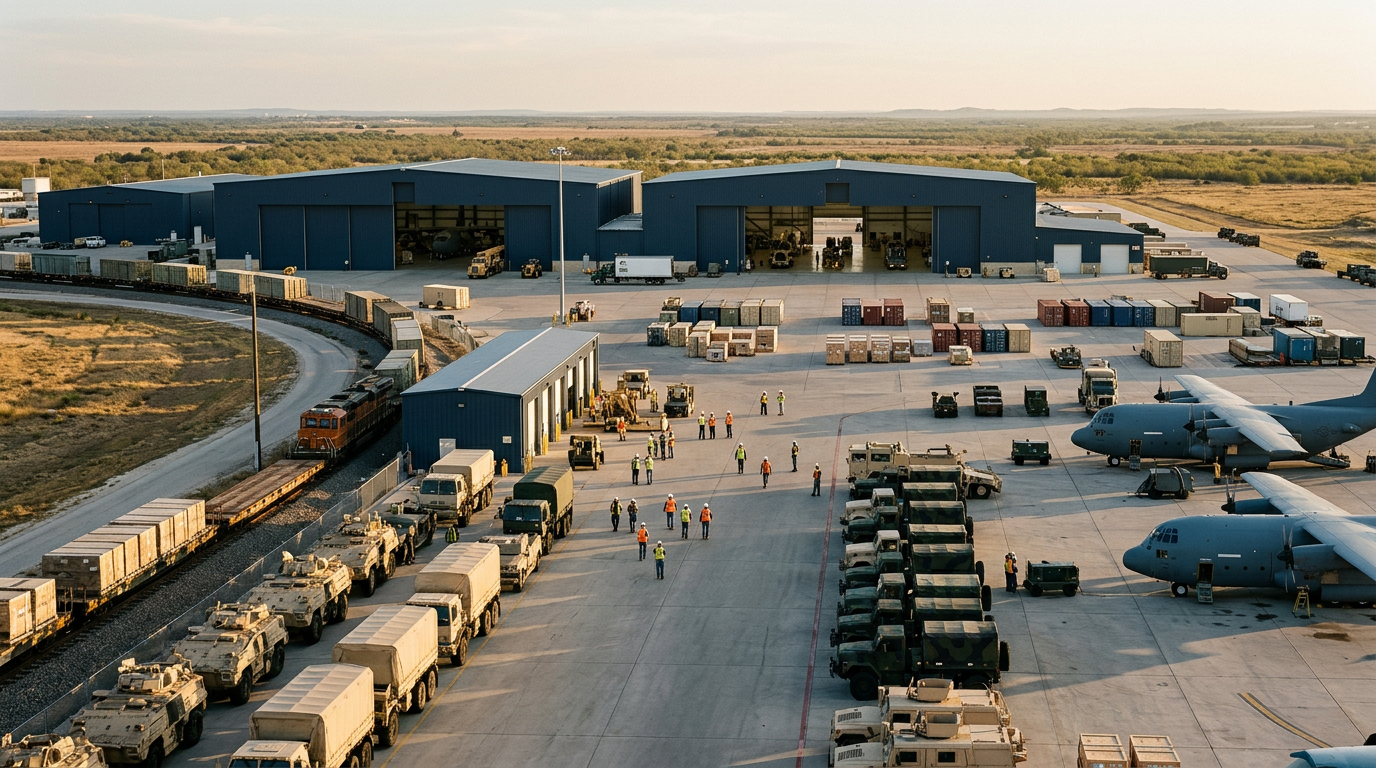
Governor Greg Abbott has released a comprehensive report detailing the significant fiscal influence wielded by United States military installations situated within Texas borders. According to the study conducted by the Texas Comptroller of Public Accounts, these facilities generate an estimated $148.8 billion in total economic activity throughout the state. Historically, Texas has maintained an deep-rooted culture of defense, serving as a primary training ground for the nation's armed forces due to its vast terrain and favorable climate. This long-standing relationship has evolved from simple frontier outposts into high-tech hubs for army transformation and aerospace excellence. The current data reflects a robust partnership between state leadership and the Department of Defense, ensuring that Texas remains the focal point for national security operations. Beyond the fiscal totals, the reporting highlights that the military ecosystem supports 628,884 jobs, which includes both direct service members and indirect civilian positions. These figures represent the biennial assessment for the 2025-2026 period, marking a significant milestone in the state's post-pandemic growth trajectory. The Governor emphasized that these installations are not only vital for the protection of the country but act as primary engines for local commerce in cities varying from El Paso down to the Coastal Bend.
Texas relevance
Military spending and presence are central to the Texas economic identity, particularly in regions like Killeen, San Antonio, and El Paso where bases serve as the primary local employers. The health of these installations directly influences state tax revenues, small business stability, and housing markets across Central and West Texas. This report serves as a diagnostic tool for the Texas Military Preparedness Commission (TMPC) to advocate for base preservation during future federal BRAC (Base Realignment and Closure) discussions. For Texas residents, these numbers represent localized stability; when military missions expand, the ripple effect boosts everything from regional school district funding to municipal infrastructure projects funded by sales tax. With fifteen major installations, Texas anchors the nation's readiness, and this data confirms that the state’s economic vitality is inextricably linked to the continued success and expansion of these federal assets.
The Scale of Direct and Indirect Employment
The employment data provided by the Governor’s office illustrates a sophisticated network of labor. Of the 628,884 jobs mentioned, a significant portion are civilian roles ranging from engineering and logistics to hospitality and retail services that spring up to serve military populations. These jobs are spread across a diverse array of sectors, ensuring that the impact of a base is felt far beyond the perimeter fence.
In many Texas counties, the local military installation is the largest single entity on the payroll books. This creates a stabilizing effect during national economic downturns, as federal defense spending tends to remain more consistent than private sector volatility. The skilled labor pool retiring out of the military also provides Texas businesses with a steady supply of disciplined, highly-trained workers who choose to remain in the state after their service concludes.
San Antonio: The 'Military City, USA' Effect
Joint Base San Antonio (JBSA) continues to be a primary contributor to the state’s overall economic totals. As one of the largest single military entities in the country, JBSA integrates Air Force and Army operations, creating a massive concentration of purchasing power and technological development. The synergy between the base and the local San Antonio medical and cybersecurity industries creates a feedback loop of innovation.
The impact in San Antonio extends to the tourism and hospitality sectors as well, with graduation ceremonies and specialized training programs bringing thousands of visitors to the region annually. This specific geographic concentration of military assets highlights why the state focuses so heavily on urban infrastructure that supports base accessibility and utility reliability.
Central Texas Pillars: Fort Cavazos and Beyond
Fort Cavazos, formerly Fort Hood, remains one of the largest armored installations in the world and serves as the economic heartbeat of Bell and Coryell counties. The data suggests that the mission readiness at this site drives billions in local procurement contracts, supporting hundreds of small businesses that provide everything from construction services to specialized equipment manufacturing.
The state’s report underscores that the presence of these massive installations facilitates regional growth that would otherwise be impossible in rural or semi-rural areas. By maintaining the world-class training ranges found in Central Texas, the state ensures that the Army Transformation and Training Command can execute its long-term modernization goals without the encroachment issues found in other states.
Strategic Importance of West Texas and El Paso
Further west, Fort Bliss in El Paso represents a critical strategic asset that bridges the gap between domestic defense and international cooperation. The economic impact in El Paso is profound, providing a foundation for international trade and domestic security operations. The base's massive footprint allows for large-scale maneuvers that are rare elsewhere in the continental United States.
The report indicates that West Texas installations are vital not just for the direct spending they bring, but for the secondary industries they attract, such as aerospace testing and sustainable energy development. As the military moves toward more energy-efficient operations, the wide-open spaces of West Texas provide a perfect laboratory for the next generation of defense technology.
Coastal Defense and Maritime Contributions
Texas' coastline is home to several Naval and Coast Guard stations that play a dual role in national security and economic protection. These installations safeguard the state's busy shipping lanes and energy ports, which are essential for the global economy. The economic study accounts for the specialized maritime jobs created by these coastal stations, which often involve high-level technical skills in ship maintenance and navigation.
By protecting the Gulf of Mexico, these installations provide an invisible but essential service to the Texas oil and gas industry. The security provided by a robust military presence along the coast ensures that Texas can continue to lead the nation in energy exports without the threat of disruption, adding another layer to the multi-billion dollar impact described by the Governor.
Future Outlook and Infrastructure Investment
Looking toward the 2025-2026 biennial period, the state intends to leverage this data to secure further federal investment. Governor Abbott has signaled that the state will continue to fund the Texas Military Value Revolving Loan Fund, which provides low-cost financing to defense communities for infrastructure projects that enhance the value of local bases.
This strategic investment is designed to prevent 'base rot' and ensure that Texas installations remain at the top of the list for new missions, such as Space Force expansions or advanced drone research. As the global security landscape changes, Texas is positioning its facilities to be the most technologically capable and cost-effective options for the Department of Defense, ensuring the $148.8 billion figure continues to grow in future reports.
Analysis
OPINION: The staggering $148.8 billion figure is a testament to Texas' strategy of being the most 'military-friendly' state in the union. By consistently investing in infrastructure surrounding these bases and passing legislation that supports military families—such as occupational license portability and school choice initiatives—the state makes it difficult for the Pentagon to consider relocation. This proactive economic defense is a smart long-term play for Governor Abbott. While national defense budgets are often subject to the whims of D.C. politics, Texas has positioned itself as an indispensable partner that offers a high return on investment for federal tax dollars. This report isn't just a victory lap; it is a calculated message to federal stakeholders that Texas has the capacity, the workforce, and the political will to house even more advanced defense missions in the future.
Source attribution
This story was reported using a public release from the Office of the Governor. Keep TX Red rewrote the coverage independently and links to the official statement for verification.
Frequently Asked Questions
- How many major military bases are in Texas?
- Texas is currently home to 15 major U.S. military installations across various branches. These include massive Army posts like Fort Cavazos and Fort Bliss, as well as significant Air Force and Navy sites like Joint Base San Antonio and Naval Air Station Corpus Christi.
- Which state agency produced the economic impact report?
- The study was conducted by the Texas Comptroller of Public Accounts. This office regularly analyzes the fiscal contributions of various sectors to ensure the state government has accurate data for budgeting and legislative planning.
- What does 'indirect jobs' mean in this report?
- Indirect jobs refer to positions that exist because of the military installation but are not federal roles. This includes contractors, local retail employees, teachers in base-heavy districts, and service providers whose businesses depend on the spending power of military members and their families.
Official Sources
Take the next step
Browse the Newsroom →Read more about Keep Texas Red → Our full guide to what Keep Texas Red means and why Texans support it.
Get Texas updates delivered weekly.
Independent Texas reporting on politics, policy, and daily life. One email a week. Unsubscribe anytime.
Keep TX Red Newsroom
The Keep Texas Red Editorial Staff produces nonpartisan explainers, policy breakdowns, and educational resources to help Texans understand how their government works. All content is reviewed for accuracy and updated regularly.
About Keep TX Red →