Governor Abbott Orders Investigation into Alleged South Texas Birth Tourism Schemes
Texas Governor Greg Abbott directs health officials to probe South Texas medical centers over marketing citizenship birth packages to foreign nationals.
Editorial disclaimer: Opinions and analysis on Keep TX Red are editorial content — not statements of fact. See our editorial standards.
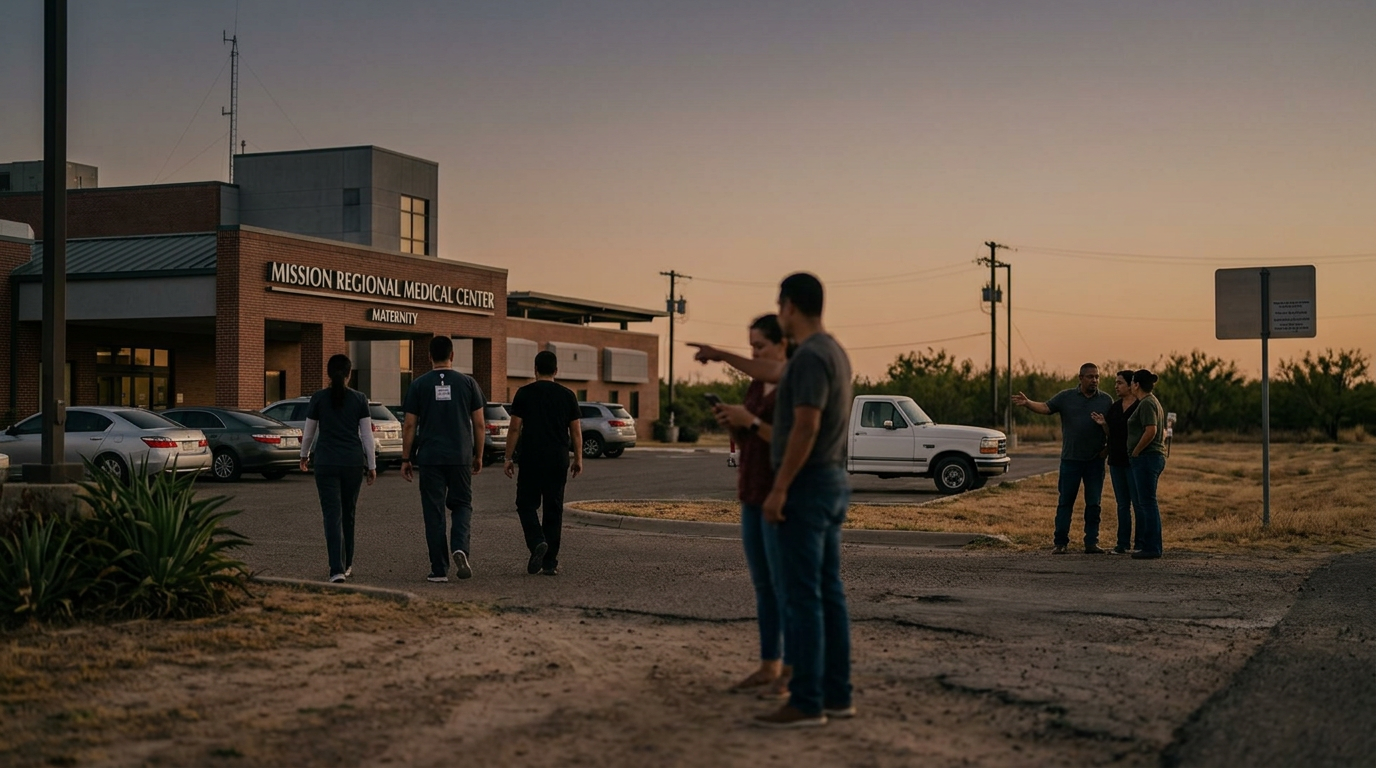
Governor Greg Abbott has instructed the Texas Health and Human Services Commission (HHSC) to launch a high-priority investigation into Mission Regional Medical Center following reports of specialized maternity marketing aimed at foreign nationals. Historically, the United States has seen various iterations of the 'birth tourism' industry, where individuals from abroad travel to American soil specifically to ensure their children are granted automatic birthright citizenship under the 14th Amendment. Texas, with its extensive international border and world-class medical facilities, has frequently been at the center of this debate. The Governor's directive specifically targets what appear to be institutionalized 'birth packages' marketed in South Texas, which reportedly aim to monetize the acquisition of U.S. citizenship for foreign families. This state-level action represents a significant escalation in how the executive branch monitors the intersection of state-regulated healthcare and federal immigration outcomes. The investigation seeks to determine if these medical facilities are operating in violation of state laws or the contractual obligations required for hospital licensing and operation in Texas. Under the current directive, the HHSC is tasked with reviewing administrative records, marketing materials, and financial structures related to these maternity service offerings. If evidence of illegal activity or breach of state standards is uncovered, the agency is mandated to refer the findings to the Texas Attorney General’s office for civil prosecution, as well as to local district or county attorneys for potential criminal review. This move is designed to send a clear signal that the Texas regulatory environment will not be used to facilitate pathways to citizenship that circumvent standard legal immigration processes.
Texas relevance
This issue is deeply rooted in the geographic and political landscape of Texas, particularly the Rio Grande Valley. For decades, South Texas hospitals have balanced the necessity of providing emergency medical care to all patients with the unique challenges of being located in a border region. The investigation into Mission Regional Medical Center places a spotlight on the specific economic incentives that have developed within the Texas border economy. State leaders argue that birth tourism places an undue burden on Texas infrastructure and misuses resources intended for resident taxpayers. By utilizing the HHSC—a state regulatory body—the Governor is exercising state sovereignty over local business practices that impact broader national security and immigration concerns. The outcome of this investigation could redefine how every hospital along the Texas-Mexico border markets its services to non-residents.
Defining the Birth Tourism Industry in Texas
Birth tourism refers to the practice where pregnant foreign nationals travel to the United States on tourist visas with the primary intention of giving birth on American soil. This allows the child to acquire U.S. citizenship immediately, providing a long-term foothold for the family to eventually seek legal status. In Texas, this has evolved from a decentralized phenomenon into what officials describe as a sophisticated commercial industry. Facilities are accused of offering 'all-inclusive' packages that include medical care, lodging, and logistical support for obtaining birth certificates and social security numbers.
The commercialization of this practice is what has drawn the ire of state regulators. When hospitals create specific menus of services for foreign nationals to facilitate these outcomes, they move beyond the scope of traditional healthcare. The Governor's office contends that these practices exploit the legal framework of the United States and treat citizenship as a commodity rather than a civic duty. The investigation will look specifically at whether the marketing of these packages constitutes a form of fraud if the travelers are encouraged to misrepresent their intentions to federal border officials.
The Role of the Health and Human Services Commission
The Texas Health and Human Services Commission serves as the primary regulatory body for hospitals across the state. In this capacity, the HHSC ensures that facilities adhere to safety standards, ethical guidelines, and state-mandated operating procedures. By directing the HHSC to lead the probe, Governor Abbott is utilizing an agency with the power to revoke licenses or impose heavy fines. This puts immediate pressure on the administrative leadership of Mission Regional Medical Center and other facilities that may be engaged in similar practices.
The HHSC’s mandate in this investigation involves a deep dive into the financial records and patient intake protocols. Regulators will be looking for patterns of behavior that suggest a coordinated effort to recruit international clients for the express purpose of birth tourism. If the commission finds that a facility is prioritizing profit through illegal immigration schemes over its duty to provide standard community healthcare, the repercussions could include a total loss of the facility's standing to receive state funds or operate as a licensed medical entity.
Potential Legal and Civil Consequences
The directive issued by the Governor does not stop at a mere administrative review; it calls for active legal referral. The Texas Attorney General has a history of pursuing lawsuits against entities that violate the deceptive trade practices act or state ethics codes. In the context of birth tourism, the state may argue that these medical 'packages' represent a form of solicitation that undermines state interests. Civil enforcement could lead to millions of dollars in penalties and the permanent closure of specific maternity programs.
Furthermore, the referral to local district attorneys implies that criminal charges could be on the table. If investigators find that hospital staff or administrators knowingly assisted foreign nationals in making false statements on visa applications or government documents, they could face charges ranging from conspiracy to tampering with governmental records. This high-stakes approach is intended to deter other medical providers in Texas from viewing birth tourism as a viable or legal revenue stream.
Economic Impact on South Texas Communities
Proponents of the investigation argue that birth tourism places an invisible tax on the local community. While the foreign nationals pay for the birth packages, the long-term social costs associated with providing services to new citizens—who may not reside in or pay taxes into the local system—fall on the residents of South Texas. There is also the concern that specialized focus on high-paying international 'clients' could detract from the quality of care available to local, lower-income residents in the Rio Grande Valley.
On the other side of the debate, some local business interests have historically benefited from the influx of travelers. However, the state's position is that these short-term economic gains are outweighed by the damage done to the integrity of the immigration system. By disrupting the birth tourism pipeline, the state aims to rebalance the medical market in border towns to favor local needs over international exploitation.
Straining the Relationship with Federal Authorities
While immigration is primarily a federal responsibility, the state of Texas has increasingly taken an assertive role in managing border-related issues. This investigation into healthcare facilities is another example of the 'Texas-first' approach to border security and rule of law. If the HHSC finds significant violations, it may put pressure on federal agencies like Immigration and Customs Enforcement (ICE) or the State Department to change how they vet individuals coming for 'medical' reasons.
The clash between state-level enforcement and federal policy often leads to jurisdictional friction. However, by focusing on the hospital's business practices rather than the individual patients' status, Texas is operating within a legal 'gray zone' where it can effectively curtail immigration-related activities. This creates a new precedent for how states can use their domestic regulatory authority to influence larger national policy outcomes regarding citizenship.
Future Implications for Texas Healthcare Standards
The outcome of the probe into Mission Regional Medical Center will likely lead to new state-wide standards for how maternity services are marketed. We can expect to see new rules proposed by the HHSC that strictly prohibit the bundling of legal or logistical 'citizenship' services with medical care. This would essentially ban the concept of a 'birth package' for international visitors across the entire state of Texas.
Furthermore, this could lead to more stringent reporting requirements for hospitals. Facilities may be required to disclose the percentage of international patients they serve and provide transparency regarding the marketing funds spent abroad. Such a shift would mark a major transition from a relatively hands-off approach to hospital marketing to one that is heavily scrutinized for alignment with state ideological and legal goals.
Analysis
The Governor’s directive represents a strategic use of state regulatory power to address a federal immigration issue. While birthright citizenship is a matter of federal constitutional law, the licensing and ethical conduct of medical facilities fall squarely under state jurisdiction. By framing birth tourism as a violation of 'state law and contractual obligations,' the administration is attempting to dismantle the commercial infrastructure that supports these practices without needing to wait for federal legislative changes. Critics may argue that this could lead to increased scrutiny of all foreign patients seeking legitimate care, but supporters maintain that clear boundaries are necessary to prevent the commercialization of American citizenship. The involvement of the Attorney General suggests that the state is prepared for a prolonged legal battle over the definitions of medical marketing and corporate ethics in the healthcare sector.
Source attribution
This story was reported using a public release from the Office of the Governor. Keep TX Red rewrote the coverage independently and links to the official statement for verification.
Frequently Asked Questions
- What exactly is birth tourism?
- Birth tourism is a practice where pregnant women from foreign countries travel to the United States to give birth, taking advantage of the principle of birthright citizenship. This ensures the child becomes a U.S. citizen regardless of the parents' status. Governor Abbott's administration considers this a misuse of resources and a violation of the intended use of tourist visas.
- Why is Mission Regional Medical Center being targeted?
- The hospital is under investigation following reports that it specifically markets 'birth packages' to foreign nationals. These packages are alleged to be designed to profit from individuals seeking to give birth in the U.S. for citizenship purposes, which the Governor's office describes as an illegal and exploitative practice.
- What power does the HHSC have in this situation?
- As the regulatory body for Texas hospitals, the HHSC has the authority to audit hospital records, investigate business practices, and enforce licensing standards. They can refer evidence of illegal acts to the Attorney General or local law enforcement for further action, including lawsuits or criminal charges.
- Could this investigation affect other hospitals?
- While the current directive specifically names Mission Regional Medical Center, the Governor's office has indicated a broader intent to investigate the practice of birth tourism across the state. Other facilities in border regions or those offering similar international maternity packages may soon face similar scrutiny.
Official Sources
Take the next step
Browse the Newsroom →Read more about Keep Texas Red → Our full guide to what Keep Texas Red means and why Texans support it.
Get Texas updates delivered weekly.
Independent Texas reporting on politics, policy, and daily life. One email a week. Unsubscribe anytime.
Keep TX Red Newsroom
The Keep Texas Red Editorial Staff produces nonpartisan explainers, policy breakdowns, and educational resources to help Texans understand how their government works. All content is reviewed for accuracy and updated regularly.
About Keep TX Red →