Frisco Community Dynamics Shift Following Increase in Regional Demographic Tensions
A deep look at how shifting political discourse and social media influencers are impacting the social fabric of Frisco and the North Texas region.
Editorial disclaimer: Opinions and analysis on Keep TX Red are editorial content — not statements of fact. See our editorial standards.
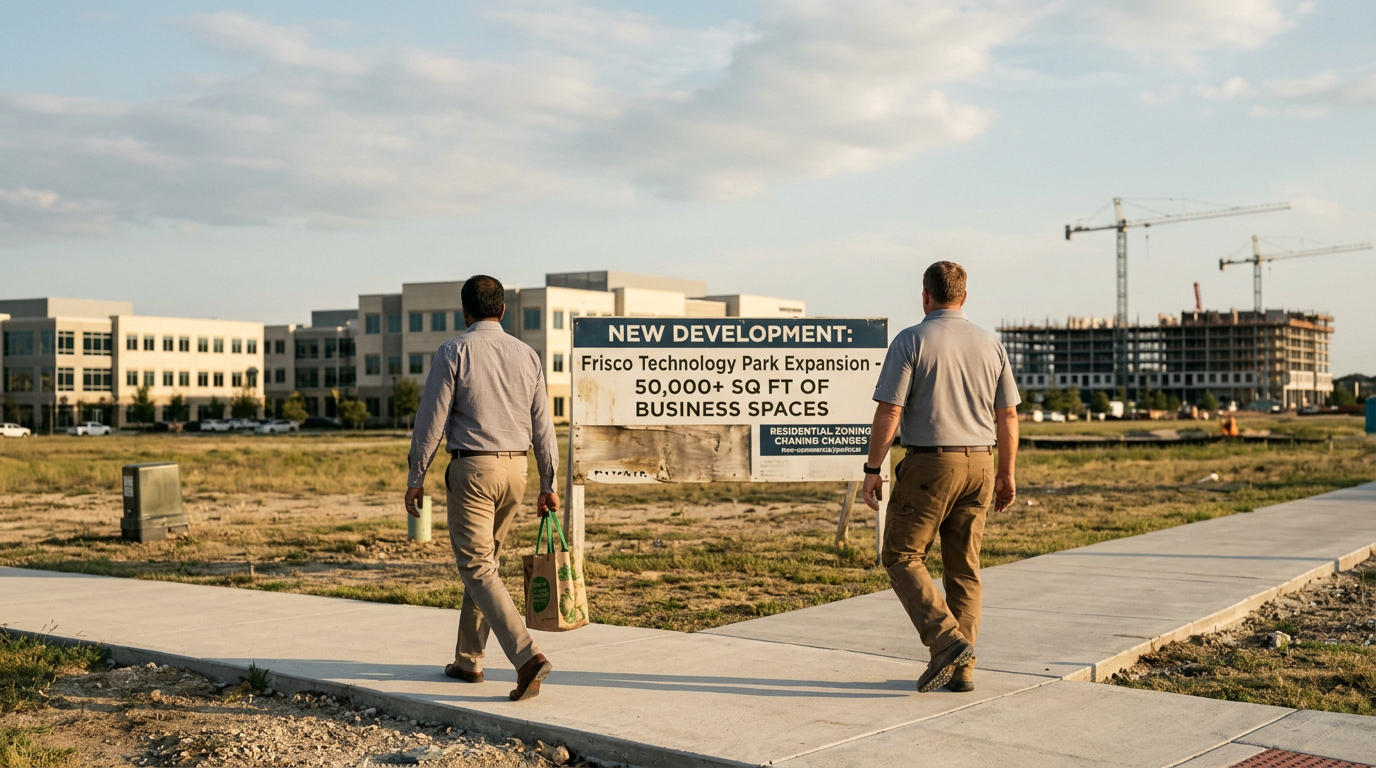
The rapid transformation of Frisco from a quiet North Texas town into a high-tech powerhouse has created a complex intersection of culture and politics. Over the last two decades, the city has become a primary destination for Indian professionals, many of whom are employed in the sprawling technology and healthcare sectors of the Dallas-Fort Worth metroplex. Historically, this growth was viewed through the lens of economic success, with the city consistently ranking as one of the fastest-growing and safest in the United States. However, recent shifts in the digital landscape and state-level political rhetoric have introduced new tensions into this suburban enclave, altering the perception of community cohesion. This evolution follows a pattern seen in other high-growth Texas suburbs where demographic shifts outpace traditional social adjustments, sometimes leading to friction between long-term residents and newer arrivals. Contextually, this is not the first time North Texas has grappled with the growing pains of rapid international migration. From the expansion of the 'Telecom Corridor' in Richardson during the 1990s to the current boom in Collin and Denton counties, the region has long served as a magnet for global talent. Previously, the integration of these communities was largely driven by shared goals of educational excellence and high property values. The current climate differs due to the high visibility of social media platforms, which allow external voices to influence local conversations. As Frisco continues to evolve, the balance between its reputation as a global business hub and its internal social dynamics remains a central point of discussion for local leaders and residents alike.
Texas relevance
The situation in Frisco is a bellwether for the future of Texas suburban politics. As the state continues to attract major corporations like Toyota, Tesla, and various tech giants, the demographic makeup of districts in North Texas, specifically Collin and Denton counties, is shifting toward a more diverse, highly educated workforce. This shift has direct implications for Texas legislative priorities, local school board elections, and the overall strategy of both major political parties. Understanding the social frictions in Frisco is essential for understanding how the 'Texas Miracle' of economic growth interacts with the cultural identity of the state's expanding metropolitan areas.
The Rise of New Media Influence
In recent years, the localized discourse in Frisco has been heavily influenced by a new wave of digital agitators who do not always reside within the community limits. These influencers often utilize platforms like X and Facebook to highlight specific cultural differences, framing them as a threat to the traditional Texan way of life. By focusing on niche issues or isolated incidents, these figures can create a narrative of conflict that may not reflect the daily lived experiences of the thousands of families residing in the area.
The impact of this digital engagement is reflected in the tone of public meetings and online community forums. Where residents once focused on municipal zoning or school tax rates, there is now an increased frequency of debates regarding cultural integration and national identity. This shift suggests that provincial concerns are increasingly being overtaken by broader national grievances, fueled by high-engagement social media content that prioritizes controversy over community consensus.
Economic Drivers of Migration
The influx of Indian immigrants to North Texas is deeply rooted in the state’s economic policies. Major employers such as McAfee, Oracle, and Charles Schwab have established massive footprints in the Frisco-Plano corridor, necessitating a highly specialized workforce. Many of the residents targeted by recent rhetoric are H-1B visa holders or naturalized citizens who have contributed significantly to the local tax base, helping fund the prestigious Frisco Independent School District.
Frisco's development into a 'platinum corridor' has relied on this steady stream of intellectual capital. Real estate values in the region have skyrocketed, largely sustained by the high purchasing power of international professionals moving into the area. Local business owners and developers have generally welcomed this growth, identifying the Indian-American community as a vital pillar of the modern North Texas economy and a cornerstone of the region's long-term prosperity.
Political Realignment in the Suburbs
The political landscape of Collin County is undergoing a significant transition as demographic changes meet partisan strategy. Historically a Republican stronghold, the area has seen narrowing margins in statewide elections. This has led to a split within the local political infrastructure: one side emphasizes the inclusive, pro-growth platform of the traditional business wing, while the other adopts more populist rhetoric to energize a base that feels displaced by rapid change.
Local candidates now face the challenge of appealing to a broad constituency that includes both multi-generational Texans and first-generation immigrants. The friction mentioned in recent reports highlights the difficulty of maintaining a unified party platform when cultural anxieties are brought to the forefront. How local officials respond to these internal pressures will likely determine the political leanings of the Dallas-Fort Worth suburbs for the next decade.
Impact on Local Community Relations
Despite the noise of social media, many Frisco residents continue to engage in interfaith and intercultural efforts designed to bridge gaps. Shared spaces like the Ford Center at The Star and various public parks serve as meeting grounds for a diverse array of families. However, the rise in hostile rhetoric has made some members of the Indian-American community feel less secure, leading to a more cautious approach to public participation and local civic involvement.
Community leaders have expressed concern that if a segment of the population feels marginalized or targeted, the city’s reputation as a top-tier destination for investment could suffer. The narrative of being a 'welcoming city' is not just a social ideal for Frisco; it is a vital part of its brand as a global tech hub. As such, the current tensions are viewed by many as a threat to the very progress the city has worked decades to achieve.
The Role of Education and Schools
The Frisco Independent School District (FISD) often finds itself at the center of these cultural debates. As a primary reason families move to the area, the schools are both a source of pride and a flashpoint for disagreements over curriculum and representation. The demographic shift in the student body reflects the city’s changes, with a significant percentage of students coming from Asian-American households.
Discussions regarding 'equity' and 'inclusion' in schools have been met with skepticism by some conservative groups, while immigrant families often advocate for policies that reflect their specific heritage. These school board battles are no longer just about local education; they are proxy wars for the broader identity struggle occurring across the state of Texas, where the definition of a 'local' is constantly being renegotiated.
Looking Forward: Integration or Isolation
As Frisco continues to expand, the question remains whether these social tensions will dissipate or harden into permanent divides. The city’s infrastructure and economy are built on the assumption of continued growth and diversity. If the current friction leads to a decrease in international migration or a flight of talent to other states, the economic repercussions for North Texas could be substantial.
The path forward likely involves a renewed focus on shared suburban values—safety, education, and economic opportunity. While influencers may continue to find success in promoting divisiveness, the practical realities of living in a high-density, high-growth environment often require a level of cooperation that transcends digital rhetoric. The future of Frisco will serve as a definitive case study in how modern Texas handles its internal demographic evolution.
Analysis
The tension described in Frisco represents a classic conflict between economic pragmatism and ideological shifts. For years, the 'Texas model' was focused almost entirely on growth, low taxes, and business-friendly environments, which naturally attracted a global workforce. Now, as the political temperature rises across the nation, those same economic success stories are being scrutinized through a more populist or nativist lens by some political factions. While the state GOP has historically benefited from the fiscal conservatism of many Indian-American voters, the rise of anti-immigrant rhetoric among certain influencers threatens to alienate a key demographic that should be a natural ally in the pursuit of conservative fiscal policy. If Texas leaders do not navigate these cultural waters carefully, they risk undermining the social stability that makes the state an attractive place for global investment.
Source attribution
This story was reported using a public release from the Texas Monthly. Keep TX Red rewrote the coverage independently and links to the official statement for verification.
Frequently Asked Questions
- Why has Frisco become such a major hub for Indian immigrants?
- Frisco’s proximity to major technology headquarters in North Texas, combined with its highly-rated public school district and reputation for safety, has made it a premier destination for skilled professionals from India under the H-1B visa program and as naturalized citizens.
- What started the recent rise in social tension in the area?
- The tension is attributed to a combination of rapid demographic shifts and the influence of out-of-town political commentators and social media figures who highlight cultural differences to garner attention or promote specific political agendas.
- How is the local government responding to these issues?
- Frisco city leaders generally emphasize the city’s status as a 'global community' and focus on economic development. However, political competition in Collin County has seen some candidates lean into more populist rhetoric, reflecting the split within the regional electorate.
- What is the historical context of these demographic changes?
- Over the past 20 years, Frisco has transitioned from a small ranching town to one of the most diverse cities in the U.S. This change was facilitated by the 'Texas Miracle' economic policy, which attracted global corporations and a diverse, international workforce to the Dallas-Fort Worth area.
Official Sources
Take the next step
Browse the Newsroom →Read more about Keep Texas Red → Our full guide to what Keep Texas Red means and why Texans support it.
Get Texas updates delivered weekly.
Independent Texas reporting on politics, policy, and daily life. One email a week. Unsubscribe anytime.
Keep TX Red Newsroom
The Keep Texas Red Editorial Staff produces nonpartisan explainers, policy breakdowns, and educational resources to help Texans understand how their government works. All content is reviewed for accuracy and updated regularly.
About Keep TX Red →