Charting the Path Forward for the 2026 World Cup as North American Host Nations Exit
With the US, Mexico, and Canada eliminated, the 2026 World Cup shifts focus to international contenders and the final tournament stages in Texas cities.
Editorial disclaimer: Opinions and analysis on Keep TX Red are editorial content — not statements of fact. See our editorial standards.
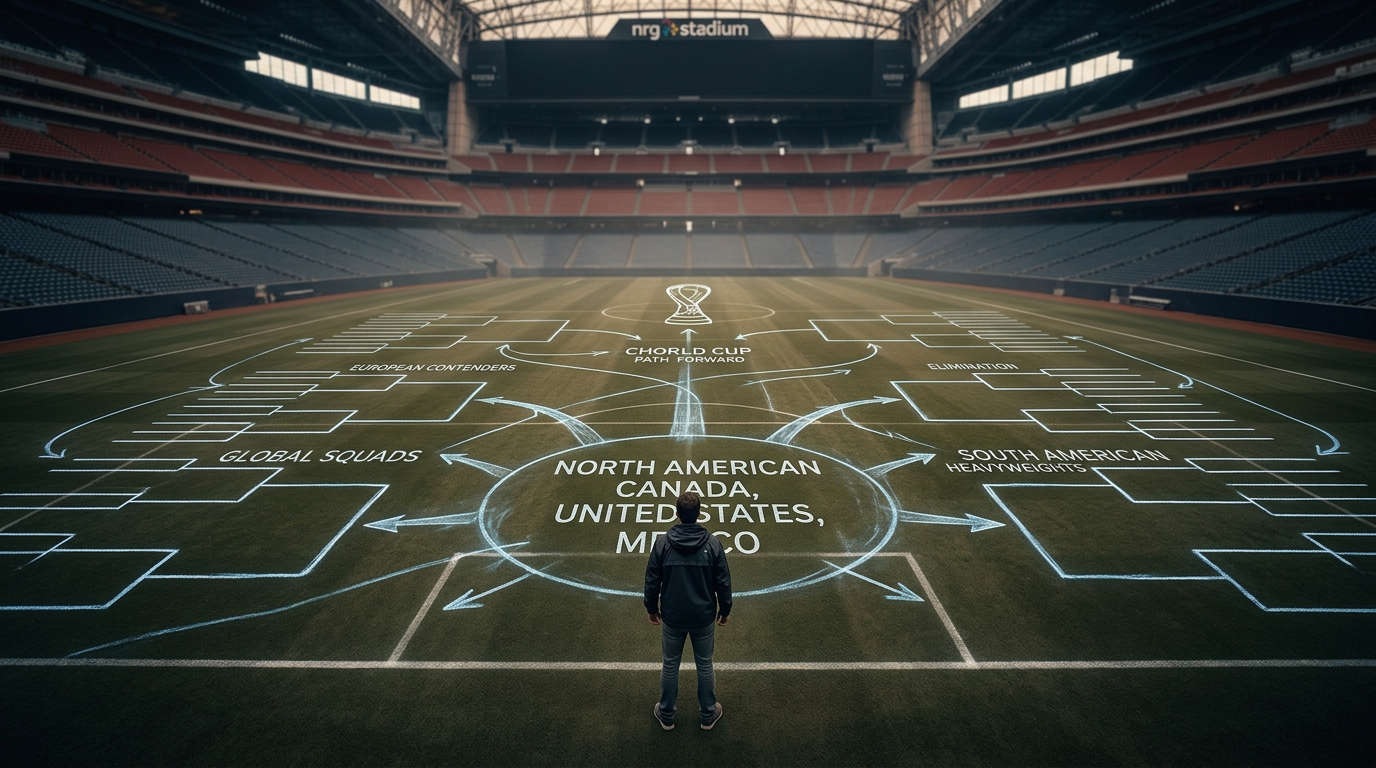
The 2026 FIFA World Cup has reached a significant turning point following the elimination of the three host nations—the United States, Mexico, and Canada—during the early phases of the knockout rounds. Historically, host nations often see a deep tournament run propelled by home-field advantage; however, the early exits of the CONCACAF giants have shifted the competitive landscape of the tournament. Global eyes are now pivoting toward the remaining heavyweights from Europe and South America as they prepare to battle for the championship on North American soil. This shift marks a transition from regional pride to pure international competition, ensuring that while the local favorites are gone, the intensity of the matches remains at a fever pitch. The absence of the United States and Mexico is particularly felt in the commercial and broadcasting sectors, where viewership patterns often correlate with the progress of the home team. Nonetheless, the tournament continues with high-stakes fixtures that will define the legacy of the 2026 games.
Texas relevance
Texas serves as a primary pillar for the 2026 World Cup, with Dallas (Arlington) and Houston hosting a significant portion of the matches. Historically, Texas has been a hotbed for soccer culture, boasting diverse populations that support a wide array of international clubs and national teams. The elimination of Mexico and the United States has a direct impact on the local fan engagement levels in major hubs like the Dallas-Fort Worth metroplex and the Greater Houston area. While the direct rooting interest for the host nations has evaporated, the economic influx remains steady as fans from the remaining qualifying nations descend upon Texas stadiums. The state's investment in infrastructure and hospitality for this event was predicated on the massive scale of the tournament, regardless of team performance. Both NRG Stadium and AT&T Stadium remain central high-profile venues that will determine the final trajectory of the world's most-watched sporting event, keeping the eyes of the global community fixed squarely on the Lone Star State.
The Current State of the Knockout Brackets
The tournament has transitioned into the critical quarter-final and semi-final stages, where the margin for error is non-existent. Without the CONCACAF hosts, the bracket is now dominated by the traditional powers of UEFA and CONMEBOL. This shift highlights the tactical gap that still exists between the North American programs and the elite tier of global football. The remaining teams represent the pinnacle of high-pressing, technically proficient soccer that draws millions of television viewers worldwide.
As the tournament moves toward its conclusion, the density of talent remaining in the brackets is unprecedented. Every match held in Texas from this point forward will feature world-class stars who are household names in overseas leagues. This keeps the sporting value of the tournament intact, as the quality of play often increases once the underdog storylines of the group stage give way to the powerhouse clashes of the final rounds.
Observers are closely watching how the remaining teams adapt to the unique climate and travel demands of North America. The logistics of moving between diverse geographic host cities—from the high humidity of Houston to the central hub of North Texas—continues to be a major subplot. The teams that have survived the knockout rounds are those that have managed their rosters effectively despite these challenges.
Economic Resilience of Texas Host Cities
Initial concerns regarding a potential drop in economic activity following the host nations' exit appear largely unfounded. Tourism officials in Dallas and Houston report that international flight bookings into Texas remain at near-capacity levels. Soccer fans from around the world are famously loyal to their national teams and have demonstrated a willingness to follow them across the globe, regardless of local team outcomes.
The hospitality industry in Texas is currently experiencing a sustained boom. Hotels, restaurants, and local attractions are benefiting from an influx of travelers who are using Texas as their base of operations for the remainder of the month. The sheer scale of the 48-team tournament ensures a high volume of foot traffic that transcends the performance of any individual national squad. This economic activity is a vital return on investment for the public funds used to upgrade stadium infrastructure and public transit.
Furthermore, the marketing and sponsorship activations surrounding the stadiums remain in full effect. Global brands recognize that the World Cup audience is international, and their presence in the Texas market remains a high-value proposition. The 'Fan Fest' locations in Texas cities continue to see high attendance, serving as melting pots for various cultures celebrating the sport.
Atmospheric Changes at AT&T Stadium and NRG Stadium
The atmosphere inside Texas stadiums is expected to undergo a tonal shift. While games featuring Mexico or the United States were characterized by partisan fervor and intense local rallying cries, upcoming matches will likely feature a more diverse, 'festival-style' environment. This provides a different kind of energy, where the beauty of the game itself is the primary draw for the fans in attendance.
Security and stadium management teams are maintaining high levels of vigilance as new waves of international fans arrive. The logistics of clearing customs, managing large-scale tailgating, and ensuring smooth entry at AT&T Stadium are top priorities for local officials. Texas law enforcement agencies have collaborated with federal partners to ensure that the transition into the high-stakes final rounds is handled with precision.
The physical conditions of the grass pitches installed specifically for the tournament are also under scrutiny. Maintaining optimal playing surfaces in the Texas heat is a complex engineering feat. Grounds crews at both major Texas venues are working around the clock to ensure that the turf remains consistent with FIFA’s rigorous standards for the final slate of championship-level competition.
The Future of North American Soccer Infrastructure
Even with the host nations out of the running, the long-term impact on the sport in North America is significant. The 2026 World Cup has catalyzed major investments in youth academies, training facilities, and professional stadiums across Texas. These improvements will remain long after the final whistle and are expected to boost the level of competition for MLS teams and youth clubs statewide.
The exposure to world-class coaching and management styles that accompany the various national teams visiting Texas provides an educational opportunity for local sports professionals. Workshops and cultural exchanges between visiting delegations and local soccer organizations are common, fostering a global network that will benefit the Texas sports ecosystem for decades.
Looking toward the 2030 cycle and beyond, the infrastructure built for this tournament sets a new benchmark. Texas has successfully demonstrated that it can handle the logistical load of the world's largest sporting event. This track record will be instrumental in attracting future international events, from neutral-site continental finals to potential Olympic bids or high-profile friendlies.
Broadcasting and Global Media Presence in Texas
The media centers established in Texas remain buzzing with activity as hundreds of international journalists cover every move of the remaining teams. Dallas and Houston have become temporary headquarters for global sports networks, broadcasting live from Texas landmarks to audiences in Europe, Asia, and South America. This global exposure is a marketing win for the state, showcasing it as a premiere destination.
While US television ratings may see a slight dip without the national team, the overall global viewership for the matches hosted in Texas is expected to reach billions. The spectacle of the knockout rounds, combined with the iconic architecture of stadiums like 'Jerry World,' creates a visual product that is highly sellable to international markets. The unique 'Texas-sized' approach to hosting is a frequent topic of conversation among foreign commentators.
Digital engagement also remains at an all-time high. Social media interactions generated within the Texas host cities provide 24-hour coverage of the tournament’s progress. This digital footprint ensures that even if local fans are no longer cheering for their own country, they remain deeply immersed in the narrative of the tournament through local events and digital storytelling.
Analysis
OPINION: While the departure of the domestic favorites is certainly a blow to casual viewership and local morale, it presents a unique opportunity for Texas to showcase its cosmopolitan sports culture. The fact that the US, Mexico, and Canada are out does not diminish the prestige of the matches being held in Texas; rather, it allows the state to demonstrate its capacity to host neutral-site games of the highest order. Some critics argued that a lack of host representation in the final rounds would lead to 'empty seats,' but current ticket resale markets and hotel bookings in the North Texas region suggest otherwise. Texas is a soccer-literate state that appreciates the game's elite level, regardless of who is on the pitch. The focus now shifts to the logistical excellence of the host cities, ensuring that the legacy of 2026 is defined by Texas hospitality and world-class facilities rather than just the final score of a single nation's team.
Source attribution
This story was reported using a public release from the Texas Standard. Keep TX Red rewrote the coverage independently and links to the official statement for verification.
Frequently Asked Questions
- What happens to the World Cup tickets I bought to see the US or Mexico?
- Tickets for World Cup matches are sold for specific venue slots and match numbers, not necessarily for specific teams. If you have tickets for upcoming games in Dallas or Houston, those games will still occur featuring the winners of previous rounds. While the domestic teams are out, the match you attend will still be a top-tier knockout game between high-ranking international squads.
- Will the local fan festivals in Texas continue now that the home teams are eliminated?
- Yes, official FIFA Fan Festivals and local watch parties across Texas are scheduled to continue through the final match. These events are designed to celebrate the entire tournament and the sport of soccer, rather than just a single team. They remain popular venues for both international tourists and local soccer fans.
- How many more matches are scheduled for Texas?
- Texas is hosting several more games in the knockout stages. AT&T Stadium in Arlington was selected to host a significant number of matches, including a high-profile semi-final, while NRG Stadium in Houston has also been a key venue throughout the early and middle stages of the tournament.
Official Sources
Take the next step
Browse the Newsroom →Read more about Keep Texas Red → Our full guide to what Keep Texas Red means and why Texans support it.
Get Texas updates delivered weekly.
Independent Texas reporting on politics, policy, and daily life. One email a week. Unsubscribe anytime.
Keep TX Red Newsroom
The Keep Texas Red Editorial Staff produces nonpartisan explainers, policy breakdowns, and educational resources to help Texans understand how their government works. All content is reviewed for accuracy and updated regularly.
About Keep TX Red →