Texas Attorney General Launches Investigation Into StubHub Over FIFA World Cup Ticket Practices
AG Ken Paxton is investigating StubHub for potential consumer protection violations regarding 2026 FIFA World Cup ticket sales and pricing transparency.
Editorial disclaimer: Opinions and analysis on Keep TX Red are editorial content — not statements of fact. See our editorial standards.
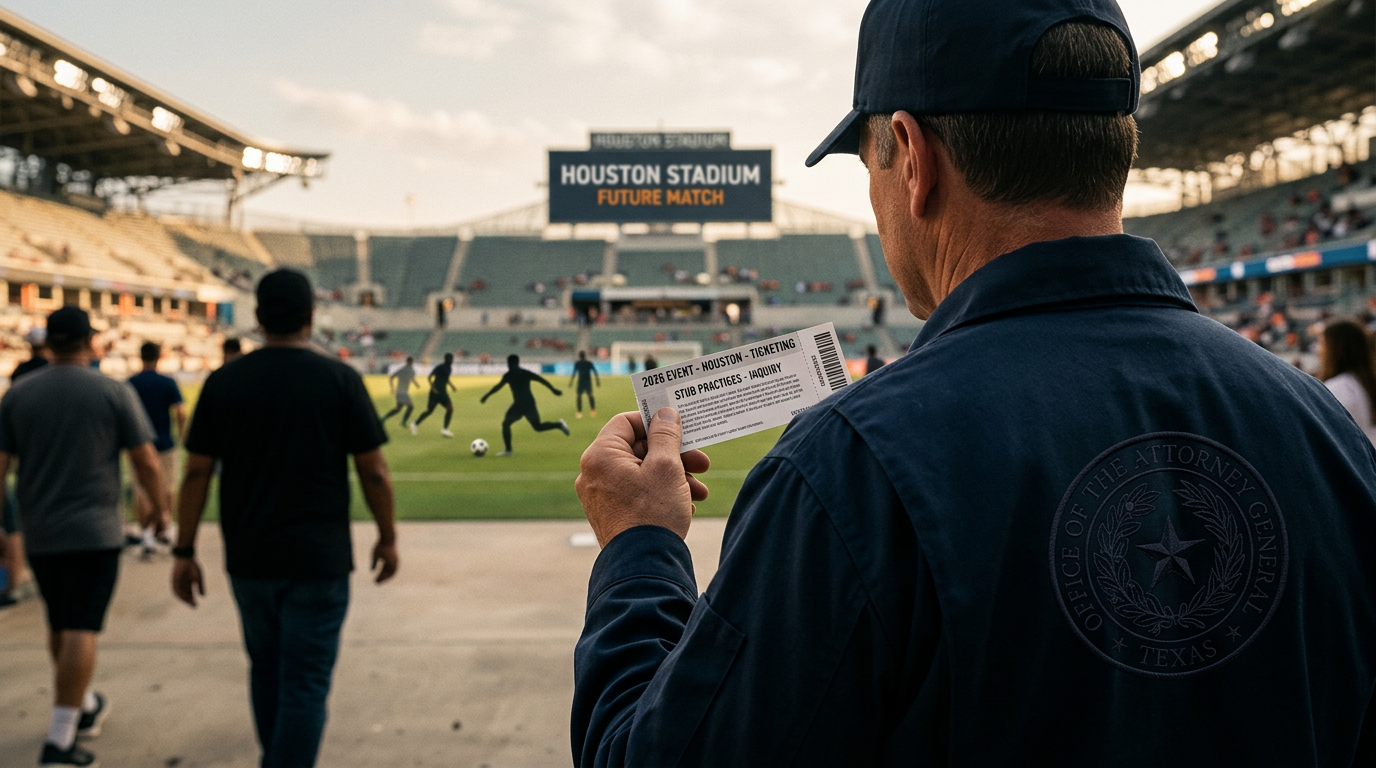
Texas Attorney General Ken Paxton has officially initiated a formal investigation into the ticket resale giant StubHub, focusing on the company's handling of ticket sales for the upcoming 2026 FIFA World Cup. This legal scrutiny centers on whether the platform has engaged in deceptive trade practices, particularly regarding pricing transparency and the availability of professional soccer tickets. Historically, Texas has maintained a aggressive stance against major digital platforms that facilitate secondary market sales, with this latest action following a pattern of state-level oversight into high-demand entertainment and sporting events. The investigation arrives as the state prepares to host numerous World Cup matches, raising the stakes for local consumer rights and market fairness in the ticketing industry. State officials are specifically looking into reports of 'ghost ticketing' or speculative listing, where sellers post tickets they do not yet possess. This practice often leads to sky-high prices and significant consumer frustration when orders cannot be fulfilled. The Office of the Attorney General (OAG) is utilizing the Texas Deceptive Trade Practices-Consumer Protection Act to request detailed records from StubHub. This move is intended to ensure that Texans and international visitors planning to attend matches in the Lone Star State are not subjected to predatory pricing or fraudulent listing schemes during one of the largest sporting events in global history.
Texas relevance
The 2026 FIFA World Cup is a massive economic driver for Texas, with matches scheduled to take place at major venues including AT&T Stadium in Arlington and NRG Stadium in Houston. Because Texas is positioned as a primary hub for this global tournament, the integrity of the ticketing market directly impacts the state's reputation and its residents' wallets. This investigation is specifically relevant to the North Texas and Houston metropolitan areas, where local fans are expected to compete with international buyers for a limited supply of seats. Prior precedents in Texas involve the OAG taking action against bots and resale platforms that artificially inflated prices for high-profile concerts and sporting events, establishing a clear history of state intervention in the digital secondary market.
The Rise of Speculative Ticketing Concerns
One of the primary drivers behind the Attorney General's investigation is the phenomenon of speculative ticketing. In these scenarios, resellers list tickets for events before they have even been officially released to the public or before the reseller has secured them. This creates a false market where prices are dictated by perceived demand rather than actual supply. For an event as large as the World Cup, where fan enthusiasm is global, speculative listings can reach tens of thousands of dollars, far exceeding the face value set by FIFA.
Texas authorities are concerned that such practices mislead consumers into believing they have secured a seat, only to have the order canceled weeks or months later when the reseller fails to acquire the physical or digital ticket. This investigation seeks to uncover how many such 'ghost' listings have appeared on StubHub and what measures, if any, the company takes to verify that its sellers actually own the inventory they are advertising to Texas residents.
Transparency in Transactional Pricing
Another focal point of the OAG inquiry is the transparency of the total cost of tickets. Consumers often report 'sticker shock' at the final checkout screen, where service fees, processing charges, and delivery costs can add 30% or more to the advertised price. The state is examining whether StubHub's pricing models comply with Texas laws regarding clear and conspicuous disclosure of costs.
The investigation will likely scrutinize 'drip pricing,' a tactic where fees are revealed late in the purchasing process to exploit a buyer's psychological commitment to the transaction. Given the high stakes of the World Cup, the state aims to ensure that the initial price seen by a Texan fan is reflective of the final amount they will be asked to pay, preventing bait-and-switch style digital marketing.
Projected Economic Impact on Texas Venues
The 2026 World Cup is expected to bring billions of dollars in economic activity to Texas. Arlington’s AT&T Stadium is slated to host the most matches of any venue in the tournament, including several high-stakes knockout rounds. Meanwhile, Houston’s NRG Stadium will also serve as a critical site for group-stage matches. The success of these events depends heavily on a smooth and fair fan experience.
If the ticketing process is mired in fraud or inflated by unfair practices, it could dampen the economic benefits. Tourism officials are wary that excessive secondary market costs might prevent families from attending, leaving seats empty or filled only by the ultra-wealthy. By policing the resale market now, the Attorney General is attempting to stabilize the local economic environment ahead of the 2026 kickoff.
Legal Framework and Consumer Rights
The Texas Deceptive Trade Practices-Consumer Protection Act (DTPA) provides the Attorney General with broad powers to investigate and litigate against businesses that use false or misleading information. Under this act, the OAG can issue Civil Investigative Demands (CIDs), which act as subpoenas for documents, data, and internal communications. StubHub is required to respond to these demands by providing details on their internal policies regarding the World Cup.
The state has previously used the DTPA to go after companies involved in price gouging during emergencies or those using automated 'bot' software to scoop up tickets before humans can buy them. This current investigation represents an expansion of that oversight into the realm of international sports, proving that the 'Texas-sized' consumer protections apply to any entity doing business within the state's digital borders.
StubHub's History and Response
StubHub has long maintained that it is a marketplace, not a direct seller, and that it provides a valuable service by allowing fans to trade tickets in a secure environment. The company typically argues that it offers a 'FanProtect Guarantee,' which promises to find replacement tickets or provide a refund if an order is not fulfilled. However, critics and state regulators argue that a refund is insufficient when fans have already booked non-refundable travel and lodging based on a promised ticket.
The company's response to this investigation will be watched closely by other industry players like SeatGeek and Vivid Seats. If Texas forces StubHub to implement stricter seller verification or more transparent pricing, it could set a new standard for the entire ticketing industry across the United States. StubHub has previously faced similar inquiries in other jurisdictions, but the scale of the Texas investigation, given the state's prominence in the 2026 tournament, represents a significant legal challenge.
What Fans Need to Know Now
For Texas residents currently looking for World Cup tickets, the Attorney General recommends extreme caution. Official tickets are primarily distributed through FIFA’s designated platforms. Buying from secondary sites at this early stage carries inherent risks, especially since the official draw and final scheduling details often shift the availability of tickets in real-time.
The OAG encourages any resident who believes they have been a victim of a ticketing scam or unfair pricing to file a formal complaint through the Attorney General's website. These complaints serve as critical evidence for the investigation and help the state build a case for potential restitution or policy changes. As the investigation progresses, the state may issue further guidance on how to safely navigate the 2026 World Cup market.
Analysis
This investigation signals that Texas leadership is unwilling to let the 'Wild West' atmosphere of digital ticket reselling undermine the state's hosting of the FIFA World Cup. By targeting StubHub early, the OAG is attempting to set a deterrent for other secondary market platforms. The political optics are also significant; defending consumers against large out-of-state tech corporations is a consistent theme in Ken Paxton’s administration. However, the complexity of international soccer ticketing, which involves FIFA’s own strict distribution rules, may make this a protracted legal battle. If the OAG uncovers systemic issues, it could lead to substantial fines or mandatory changes in how resale platforms display fees and verify ticket ownership in Texas.
Source attribution
This story was reported using a public release from the AG Ken Paxton — Video Moments (Google News). Keep TX Red rewrote the coverage independently and links to the official statement for verification.
Frequently Asked Questions
- Why is the Texas Attorney General investigating StubHub now?
- The investigation was triggered by concerns over how tickets for the 2026 FIFA World Cup are being listed. The state wants to prevent deceptive practices like speculative listing and lack of price transparency before the event begins, ensuring Texas consumers are protected from fraud and inflated costs.
- What is 'speculative ticketing' or 'ghost ticketing'?
- This occurs when a reseller lists a ticket they do not actually own yet. They hope to buy a ticket later at a lower price and pocket the difference. This practice is risky for buyers because if the reseller cannot find a ticket, the buyer—who may have already paid—is left with a cancellation.
- Which Texas cities are most affected by World Cup ticket issues?
- Arlington (Dallas area) and Houston are the primary cities affected, as both will host several matches at AT&T Stadium and NRG Stadium, respectively. Residents in these areas are most likely to be searching for tickets and may be targeted by predatory resale practices.
- What can I do if I think I was scammed on a ticket site?
- The Office of the Attorney General advises victims to file a consumer complaint on their official website. You should keep records of your transaction, the advertised price, and any communication you had with the seller or the platform.
Official Sources
Take the next step
Browse the Newsroom →Read more about Keep Texas Red → Our full guide to what Keep Texas Red means and why Texans support it.
Get Texas updates delivered weekly.
Independent Texas reporting on politics, policy, and daily life. One email a week. Unsubscribe anytime.
Keep TX Red Newsroom
The Keep Texas Red Editorial Staff produces nonpartisan explainers, policy breakdowns, and educational resources to help Texans understand how their government works. All content is reviewed for accuracy and updated regularly.
About Keep TX Red →