Extended Prison Terms Handed Down in North Texas Methamphetamine Ring and Shootout Case
A major narcotics and violence investigation in Johnson County concludes with a 50-year sentence for a high-level enforcer in the Prairieland case.
Editorial disclaimer: Opinions and analysis on Keep TX Red are editorial content — not statements of fact. See our editorial standards.
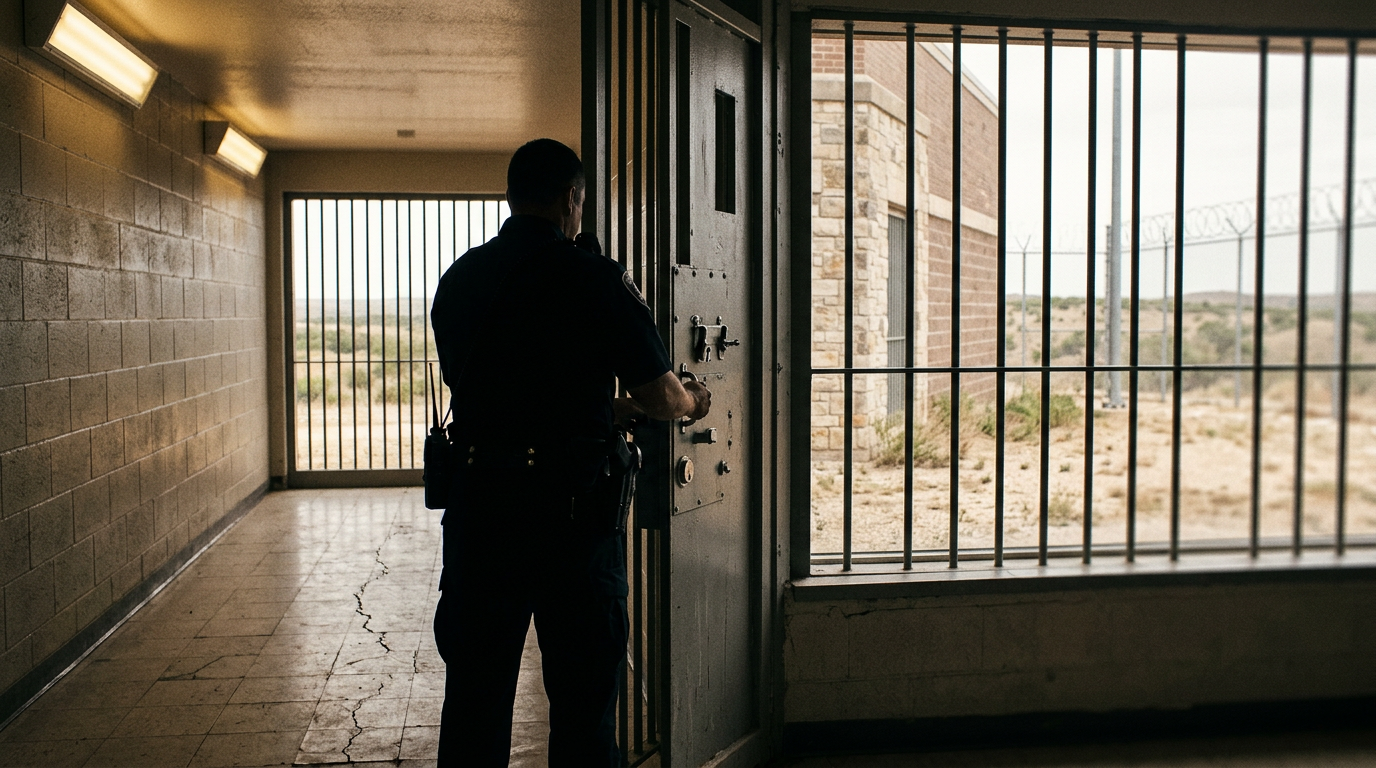
The legal saga surrounding a violent narcotics operation in Johnson County reached a critical milestone this week as the ninth defendant involved in the Prairieland investigation received a substantial prison sentence. This specific case centers on a coordinated criminal enterprise that specialized in the distribution of methamphetamine throughout the North Texas region and was marked by an escalation into extreme violence, including a high-profile shootout. The latest sentencing reflects the culmination of a multi-year effort by local and state authorities to dismantle organized crime structures that utilize rural Texas counties as hubs for illicit activity. Historically, Johnson County has seen a rise in organized criminal activity due to its proximity to the Dallas-Fort Worth Metroplex, serving as a transit point for illegal substances. The defendant, identified as a primary enforcer within the organization, was sentenced to 50 years in prison, signaling a firm stance by the Texas judiciary against those who engage in both drug trafficking and violent acts. While this individual received the heaviest penalty in this specific round of proceedings, six other co-defendants who opted to plead guilty were handed sentences ranging from two to fifteen years. These varying degrees of punishment reflect the specific roles each individual played in the hierarchy of the Prairieland operation, from low-level distributors to those who facilitated the group's more aggressive tactics. The case has been closely watched by local residents who have grown concerned over the increase in rural drug activity and the associated threat of armed conflict between rival factions or with law enforcement.
Texas relevance
This case is deeply relevant to the state of Texas as it highlights the ongoing struggle against large-scale methamphetamine distribution in the North Texas corridor. Johnson County officials have emphasized that the Prairieland case is not an isolated incident but part of a broader trend of organized crime moving into suburban and rural areas to avoid the concentrated police presence of larger cities like Dallas or Fort Worth. The successful prosecution of these nine individuals serves as a blueprint for other Texas counties grappling with similar increases in organized crime and demonstrates the high stakes involved when narcotics trafficking intersects with armed violence. Furthermore, the case underscores the strain on local Texas judicial resources, as many of these defendants still face additional state-level charges, including terrorism, which will require significant state funding and time to adjudicate.
The Evolution of the Prairieland Investigation
The investigation into the Prairieland group began several years ago when local deputies in Johnson County noticed a sharp uptick in high-purity methamphetamine circulating in the area. This was not the work of amateur 'cooks' in mobile homes, but rather a sophisticated supply chain that leveraged established smuggling routes across the state. As investigators dug deeper, they uncovered a network that relied on strict internal discipline and a willingness to engage in gunfights to protect their interests.
The turning point for the investigation occurred during a violent confrontation that local media eventually dubbed the 'Prairieland shootout.' This event brought national attention to the small community and forced a multi-agency response involving the Texas Department of Public Safety and federal partners. The sheer volume of evidence collected from the scene—including ballistics, encrypted communication devices, and large quantities of narcotics—allowed prosecutors to build a comprehensive case against the leadership of the cell.
Strategic Sentencing and Judicial Outcomes
The recent sentencing of the ninth defendant to 50 years is a testament to the severity of the crimes committed. In Texas, a sentence of this length essentially functions as a life term, ensuring that the most violent elements of the conspiracy remain off the streets for decades. Judge-led deliberations focused on the defendant's direct involvement in orchestrating violence and his lack of remorse during the trial proceedings, which contrasted sharply with those who chose to cooperate.
Conversely, the six defendants who received sentences between two and fifteen years illustrate the complexities of the plea-bargaining process. Prosecutors often have to balance the desire for maximum justice with the need to guarantee convictions. By offering shorter sentences to those with lesser involvement or those willing to provide testimony, the state was able to secure the evidence necessary to ensure the 'enforcer' received the 50-year maximum, effectively decapitating the local leadership of the group.
Impact on Johnson County Law Enforcement
For the Johnson County Sheriff’s Office, this case represents one of the most significant undertakings in recent memory. The resources required to maintain a multi-year investigation and protect witnesses were immense. The sheriff has stated that the conclusion of these federal-level sentencings allows his office to shift focus back to community policing, though the lingering state charges mean the legal battle is far from over.
Local law enforcement officials have noted that the Prairieland group utilized rural topography to hide their operations. The sprawling acreage and limited visibility provided a natural shield for their activities, a common tactic used by traffickers in Texas. The successful outcome of this case has led to renewed calls for increased funding for rural task forces that can better monitor these vast areas and prevent similar organizations from taking root in the future.
The Looming Threat of Terrorism Charges
Perhaps the most unique aspect of this ongoing legal saga is the pursuit of state-level terrorism charges against several defendants. While federal authorities focused primarily on narcotics and firearms violations, Texas state prosecutors are exploring statutes that define organized criminal activity intended to intimidate or coerce a population as terrorism. This is an aggressive application of the law that reflects the traumatic impact the group had on the local community.
If these terrorism charges result in convictions, it could change the landscape of Texas criminal law. It would provide prosecutors with a powerful new tool to combat gangs and cartels that use public displays of violence to maintain control over their territory. Legal experts are watching these upcoming state trials closely, as they will likely face challenges regarding the definition of 'terrorism' in a domestic, non-political context.
Methamphetamine Trends in North Texas
The Prairieland case highlights a persistent problem in the North Texas region: the insatiable demand for methamphetamine. Despite numerous high-profile busts, the market remains lucrative, attracting increasingly violent actors who are willing to risk life in prison for the potential profits. The purity level of the drugs seized in this case suggests that the group was connected to larger cartels operating south of the border, using Texas as a primary distribution hub for the rest of the United States.
Community leaders in North Texas have emphasized that enforcement is only one side of the coin. They argue that as long as the demand remains high, new groups will rise to replace those currently being sentenced. Education and rehabilitation programs are being touted alongside strict law enforcement as the only way to truly break the cycle of violence that has plagued counties like Johnson for the better part of a decade.
Comparing Texas Sentences to National Standards
The 50-year sentence handed down in this case is notably harsher than what might be seen in other jurisdictions for similar drug-related offenses. Texas has long maintained a reputation for 'tough on crime' policies, particularly when firearms are involved in the commission of a felony. This reputation was upheld in this case, sending a clear message to other criminal organizations that the state's legal system will not show leniency to those who threaten public safety.
Nationally, there has been a trend toward criminal justice reform and the reduction of mandatory minimums for non-violent drug offenses. However, the Prairieland case falls outside of that conversation due to the extreme violence and the 'enforcer' status of the primary defendants. In Texas, the consensus among both political leaders and the public remains focused on ensuring that violent traffickers are removed from society for as long as legally possible.
Analysis
The 50-year sentence handed down in the Prairieland case acts as a deterrent, but the overall situation exposes a concerning evolution in how criminal organizations operate within the Lone Star State. It is no longer enough for law enforcement to target simple street-level dealers; the 'terrorism' charges pending in Johnson County suggest that the state is beginning to treat these organized groups with the same severity as international threats. This shift in legal strategy reflects a necessary adaptation to the increasing brutality of drug rings that operate in Texas backyards. While the 2 to 15-year sentences for those who pleaded guilty might seem lenient to some, they often represent a tactical necessity for prosecutors to secure the cooperation needed to lock away the 'enforcers' for half a century. The focus now shifts to whether the state-level terrorism charges will hold, potentially setting a massive precedent for how Texas handles gang-related violence moving forward.
Source attribution
This story was reported using a public release from the Texas Standard. Keep TX Red rewrote the coverage independently and links to the official statement for verification.
Frequently Asked Questions
- What was the Prairieland incident?
- The Prairieland incident refers to a significant criminal investigation and shootout in Johnson County, Texas, involving a methamphetamine distribution ring. The group was known for its high level of organization and willingness to use extreme violence to protect its narcotics operations.
- Why is this case being treated as terrorism in state court?
- Texas prosecutors are seeking terrorism charges because the group's actions went beyond simple drug trafficking. Their use of high-profile violence was intended to intimidate the local population and law enforcement, which fits certain criteria under Texas statutes for organized criminal acts of terror.
- Will there be more trials related to this case?
- Yes. While the federal-level sentencings for these nine individuals have concluded, many of the defendants still face state-level charges in Johnson County. These upcoming trials will focus on the violent aspects of their crimes and the specific 'terrorism' allegations.
Official Sources
Take the next step
Browse the Newsroom →Read more about Keep Texas Red → Our full guide to what Keep Texas Red means and why Texans support it.
Get Texas updates delivered weekly.
Independent Texas reporting on politics, policy, and daily life. One email a week. Unsubscribe anytime.
Keep TX Red Newsroom
The Keep Texas Red Editorial Staff produces nonpartisan explainers, policy breakdowns, and educational resources to help Texans understand how their government works. All content is reviewed for accuracy and updated regularly.
About Keep TX Red →