East Texas Shield: New Congressional Effort Targets Pandemic Fraud and Safeguards Taxpayer Funds
Representative Nathaniel Moran introduces legislation to turn temporary pandemic fraud recovery tools into a permanent fixture of federal oversight.
Editorial disclaimer: Opinions and analysis on Keep TX Red are editorial content — not statements of fact. See our editorial standards.
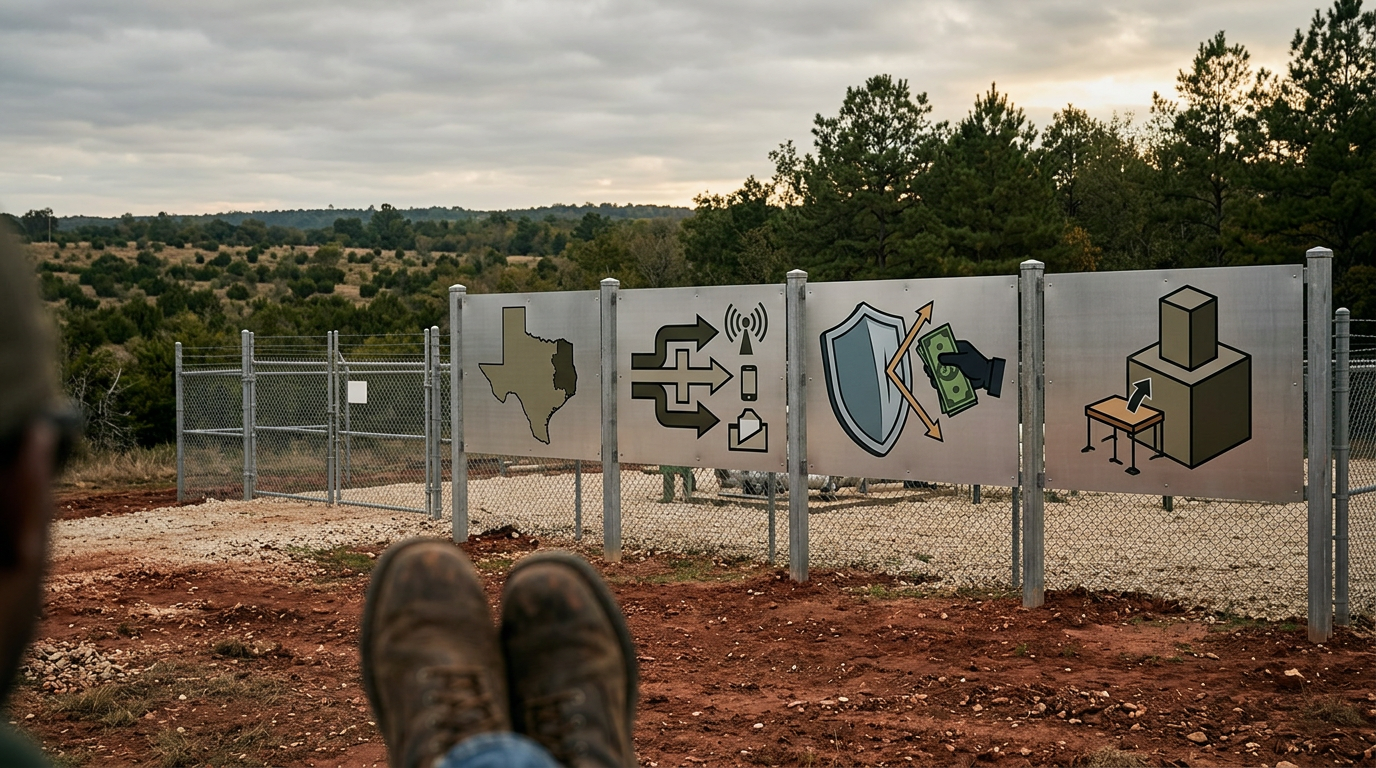
In an effort to tighten federal financial oversight and recover stolen government assets, U.S. Representative Nathaniel Moran of Texas' 1st Congressional District is spearheading a legislative push to formalize anti-fraud measures and data-sharing protocols. The proposed legislation seeks to transform what was a temporary response to COVID-era relief package exploitation into a permanent enforcement structure. Historically, Texas has seen massive influxes of federal aid during emergencies, but these windfalls have frequently been targeted by bad actors. By leveraging advanced data analytics and inter-agency communication, the bill aims to identify and claw back funds that were distributed through illicit means. This movement follows a decade-long federal trend of increasing digital oversight to match the sophistication of modern white-collar criminals who exploit public safety nets.
Texas relevance
For residents of East Texas and the state at large, this legislation is a direct response to the massive financial leakages seen across the Lone Star State between 2020 and 2022. Texas received hundreds of billions in federal stimulus, unemployment assistance, and small business loans, some of which fell victim to organized crime rings and individual bad actors. Representative Moran's focus on this issue reflects a broader Texas legislative priority regarding fiscal conservatism and the prevention of state-level administrative burdens caused by federal fund mismanagement. Ensuring that these recovery programs remain active means that more resources can eventually be redirected toward legitimate infrastructure and public safety projects within Texas communities rather than being discarded as unrecoverable losses.
The Evolution of Federal Fraud Oversight
In the early months of 2020, the federal government prioritized speed over security in an effort to stabilize a collapsing economy. This resulted in the distribution of trillions of dollars with minimal verification, a move that inadvertently created a gold mine for fraudulent activity. As the dust settled, authorities realized that billions had been siphoned away by individuals using stolen identities and shell corporations.
Representative Moran’s proposal acknowledges that while the emergency has passed, the need for these specialized investigative tools has not. The temporary task forces created during the pandemic demonstrated that when agencies share data, they can identify patterns of fraud that were previously invisible to isolated departments. This bill would solidify those communication lines, ensuring they remain open long after the last pandemic-related check is cashed.
Beyond just recovery, the permanent nature of these programs acts as a deterrent. By establishing a standing force dedicated to detecting improper payments, the federal government creates a 'watchdog' culture that discourages future attempts to defraud the public treasury during national emergencies.
Targeting the Billions in Stolen Texas Relief
Texas was uniquely impacted by pandemic-era fraud due to its large population and diverse economy. Fraudsters targeted the Texas Workforce Commission with thousands of fake unemployment claims, while many shell companies claimed to be headquartered in Texas to tap into the Paycheck Protection Program (PPP). The scale of the theft was so significant that it has taken years for local law enforcement to even begin scratching the surface of the problem.
Moran’s bill provides the necessary legislative muscle to continue these investigations. Without permanent authorization, many of the specialized analytic tools used to track these funds would expire, effectively granting amnesty to thieves who have successfully hidden their tracks so far. The legislation ensures that the clock does not run out on justice for the American taxpayer.
Moreover, the recovery of these funds has a direct impact on the national deficit. Every dollar reclaimed from a fraudster is a dollar that does not need to be borrowed or taxed from hard-working Texans. This fiscal reality is a driving force behind the bipartisan interest in the East Texas congressman's proposal.
Technological Advancements in Fund Tracking
A central component of the proposed legislation involves the use of high-tech data sets and artificial intelligence to flag suspicious activity. During the initial rollout of pandemic aid, the federal government lacked a centralized system to verify the legitimacy of applicants in real-time. Moran’s bill seeks to formalize the use of the 'Do Not Pay' list and other cross-agency verification systems.
By integrating these technologies into the foundation of federal grant and loan distribution, the government can catch fraud before it occurs. In the past, the strategy was 'pay and chase,' which often resulted in the money disappearing offshore before it could be frozen. This new approach shifts the focus toward 'prevention and detection.'
For Texas tech hubs like Austin and Richardson, the development of these security protocols reflects a wider regional focus on cybersecurity. The bill highlights the necessity of utilizing modern private-sector financial security standards within the public sector to prevent the massive leaks seen in previous years.
Legislative Support and the Path to the Floor
The bill is gaining traction among members of the House who are concerned with government waste and accountability. Representative Moran has positioned the legislation as a non-partisan issue of basic governance. Since the victims of the fraud are the taxpayers themselves, there is a strong collective interest in ensuring that the tools used to catch criminals are not dismantled prematurely.
Congressional committees are currently reviewing the budgetary implications of the bill. Supporters argue that the program more than pays for itself by recovering stolen funds that far exceed the operational costs of the oversight office. This economic argument is expected to be a key talking point as the bill moves through the legislative process.
If passed, the legislation would represent one of the most significant overhauls of federal spending oversight in recent history. It would mark a shift toward a more proactive federal government that treats the protection of public funds with the same level of urgency as their distribution.
Impact on Future Emergency Responses
One of the primary lessons learned from the COVID-19 pandemic was that the federal government was ill-prepared for the sheer volume of claims and the subsequent fraud. By making these fraud-detection programs permanent, Moran is ensuring that the infrastructure is already in place for the next national challenge, whether it be a natural disaster or another public health crisis.
Texas often faces hurricanes and other weather-related disasters that trigger federal relief. Having a standing fraud-detection mechanism means that during the next hurricane recovery effort, funds can reach legitimate victims faster because the vetting systems are already tested and operational. This eliminates the frantic 'on-the-fly' policy-making that characterized the 2020 response.
The bill essentially creates a playbook for financial integrity. It move the federal government away from reactionary measures and toward a state of constant readiness. This is a crucial step in maintaining public trust in government institutions, especially when those institutions are responsible for distributing trillions of dollars in aid.
Accountability for the 1st District and Beyond
Representative Moran's focus on this issue resonates deeply with his constituents in East Texas, where values of hard work and fiscal responsibility are paramount. Many local business owners in Tyler, Longview, and Marshall watched as their legitimate applications for aid were delayed while fraudulent claims were processed. This bill is seen as a way to correct those historical wrongs.
The legislation also calls for more transparent reporting to Congress regarding how much money has been recovered and where it originated. This ensures that the public can track the progress of these recovery efforts and hold federal agencies accountable for their performance. Transparency is often the best disinfectant for government waste.
As the bill moves forward, it will likely serve as a model for state-level initiatives. Texas lawmakers may look to Moran’s federal framework to implement similar permanent fraud-detection measures within state agencies that handle large-scale social services and disaster relief funds.
Analysis
Representative Moran’s initiative serves a dual purpose: it acts as both a functional tool for fiscal recovery and a political statement on government efficiency. By making these fraud-detection tools permanent, the federal government signals to international and domestic criminal organizations that the 'easy money' era of emergency spending is over. For Texas voters, this represents a tangible effort to protect the value of their tax dollars. However, the success of the bill will depend on maintaining a balance between rigorous oversight and the speed of future emergency fund disbursements, ensuring that legitimate Texas small businesses are not bogged down by bureaucracy during the next inevitable crisis.
Source attribution
This story was reported using a public release from the Texas Congressional Delegation (Google News). Keep TX Red rewrote the coverage independently and links to the official statement for verification.
Frequently Asked Questions
- What exactly does Representative Moran's bill propose?
- The bill proposes making the temporary fraud-detection tools and inter-agency data-sharing protocols established during the COVID-19 pandemic a permanent part of federal government oversight. This includes maintaining specialized task forces and analytic systems designed to identify and recover mismanaged or stolen funds.
- Why is this bill relevant to Texans?
- Texas was a major target for pandemic-related fraud, with state agencies like the Texas Workforce Commission being flooded with fraudulent claims. By keeping recovery programs active, the bill increases the likelihood that stolen money originally intended for Texans will be recovered and the criminals responsible will be prosecuted.
- Is this a new spending bill?
- No, the focus of the bill is on recovery and oversight rather than new spending. Supporters argue that the program is self-funding, as the amount of stolen money it recovers for the federal treasury is expected to far exceed the costs of keeping the investigative programs running.
- What kind of fraud was most common during the pandemic?
- The most common types of fraud included identity theft to claim unemployment benefits, the creation of fake businesses to receive PPP loans, and the use of shell companies to apply for Economic Injury Disaster Loans (EIDL). Much of this was orchestrated by organized crime groups.
Official Sources
Take the next step
Browse the Newsroom →Read more about Keep Texas Red → Our full guide to what Keep Texas Red means and why Texans support it.
Get Texas updates delivered weekly.
Independent Texas reporting on politics, policy, and daily life. One email a week. Unsubscribe anytime.
Keep TX Red Newsroom
The Keep Texas Red Editorial Staff produces nonpartisan explainers, policy breakdowns, and educational resources to help Texans understand how their government works. All content is reviewed for accuracy and updated regularly.
About Keep TX Red →