Texas Representative Introduces Federal Legislation to Expedite Border Barrier Construction
A South Texas congressman is pushing for the return of environmental waivers to speed up border wall construction and enhance state security measures.
Editorial disclaimer: Opinions and analysis on Keep TX Red are editorial content — not statements of fact. See our editorial standards.
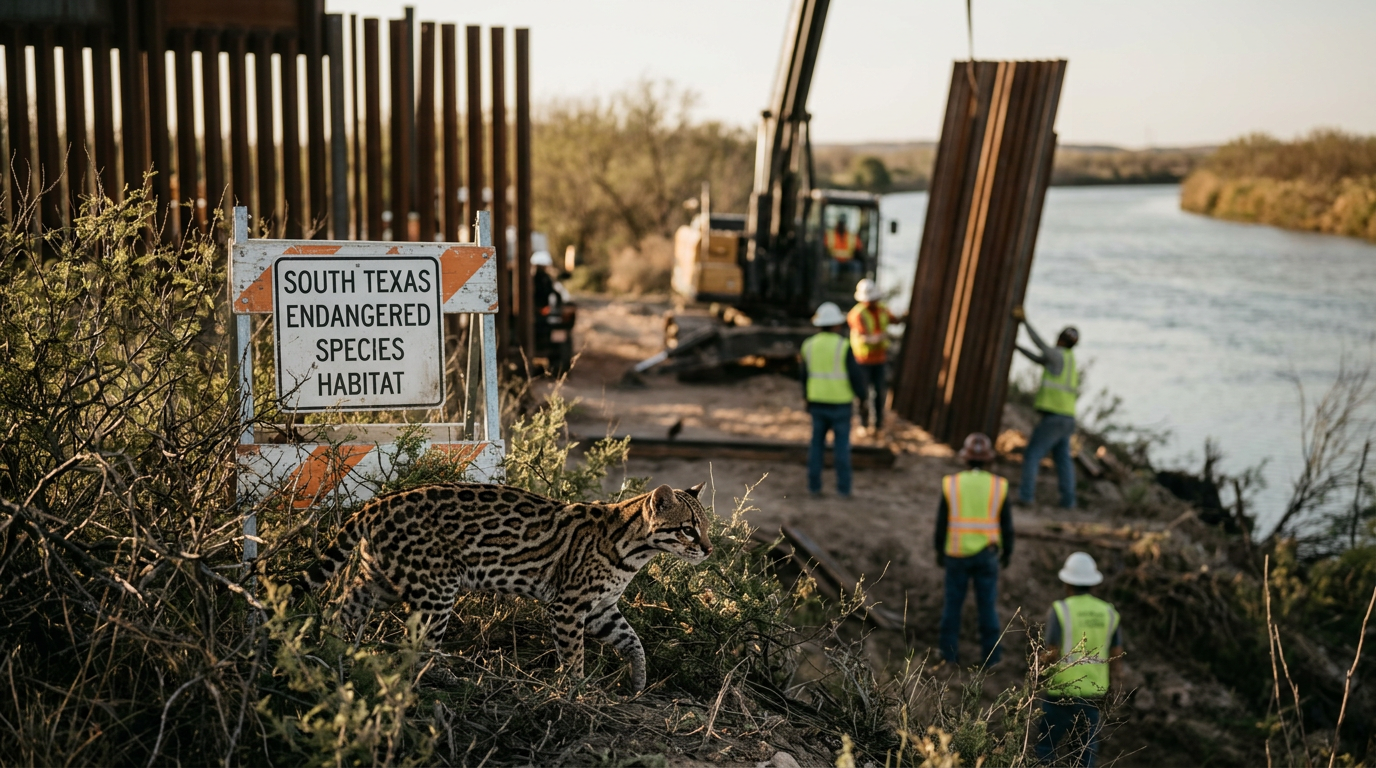
A South Texas lawmaker is spearheading a legislative effort to reinstate critical legal exemptions that would allow for the rapid expansion of physical barriers along the United States-Mexico border. This initiative seeks to bypass certain environmental and land-use regulations that proponents argue have significantly throttled the pace of security infrastructure projects. Since the early 2000s, various administrations have utilized the Illegal Immigration Reform and Immigrant Responsibility Act to waive dozens of federal laws, ranging from the Clean Air Act to the Endangered Species Act, specifically to facilitate border fencing. However, recent policy shifts at the federal level have seen a move away from these waivers, leading to lengthy litigation and bureaucratic delays for new barrier installations. This new bill aims to codify these exemptions permanently to ensure that security needs take precedence over federal administrative procedures.
Texas relevance
Texas shares more than 1,200 miles of international boundary with Mexico, making the state the primary stakeholder in federal border infrastructure debates. Historically, South Texas communities and landowners have been at the center of eminent domain conflicts and environmental concerns regarding the Rio Grande ecosystem. However, as the state continues to invest billions of its own taxpayer dollars into 'Operation Lone Star' to fill perceived gaps in federal enforcement, the ability to build barriers without multiple years of environmental impact studies is seen by many state leaders as a vital necessity. The outcome of this legislation directly affects the physical landscape of counties from El Paso to Brownsville and shifts how the state interacts with federal land management agencies.
The Legislative Mechanism for Faster Construction
The proposed bill centers on the Secretary of Homeland Security's authority to waive all legal requirements that might impede the construction of barriers and roads. This authority was originally granted by Congress decades ago but has seen inconsistent application across recent presidential terms. By reinstating these broad powers, the legislation aims to strip away the ability of interest groups to file lawsuits that halt construction for years on procedural grounds.
Supporters of the move argue that the border zone is a unique environment that requires flexible legal frameworks. When construction is delayed by environmental reviews, it often leads to 'gaps' in the barrier system that funnel illegal activity into even more sensitive areas. Providing a streamlined path for construction is intended to create a more uniform and effective deterrent along the Rio Grande.
Environmental Concerns and Regulatory Roadblocks
A significant portion of the debate surrounding this move involves the National Environmental Policy Act (NEPA). Under standard federal rules, large-scale projects like a border wall require exhaustive Environmental Impact Statements that can take years to complete. These studies examine the effect on local wildlife, water flow, and historical sites. Critics of the waivers argue that skipping these steps could cause permanent damage to the delicate South Texas ecosystem.
Conversely, proponents of the waivers point out that the border crisis itself has an environmental cost. The massive influx of foot traffic through protected lands often results in discarded trash, trampling of native flora, and the destruction of wildlife habitats. They argue that a completed barrier would actually help preserve these lands by directing traffic toward official ports of entry and reducing the overall footprint of illegal crossings in remote regions.
Impact on South Texas Landowners
Land ownership in South Texas is a complex tapestry of private ranches, federal wildlife refuges, and state-owned parcels. Construction projects without waivers often get mired in property disputes regarding where exactly the wall should be placed to comply with environmental and water treaties. This legislation would theoretically allow the government to move faster on land that is already under federal control or where easements have been secured.
However, the push for speed also brings concerns about the rights of private property owners. Texas has a long history of protecting land rights, and any move to expedite federal construction must balance security needs with the due process owed to ranchers and families who have owned land along the river for generations. The bill seeks to find a middle ground by focusing on existing authorized projects that are currently stalled.
Economic and Security Implications for the State
Every day that border segments remain open, the State of Texas incurs costs related to law enforcement, emergency medical services, and judicial processing. The South Texas congressman behind the bill emphasizes that a more efficient construction timeline will eventually lower the long-term financial burden on the state's budget. When federal infrastructure is robust, the need for state-funded deployments like the Texas National Guard may eventually diminish.
Furthermore, the security of South Texas trade corridors is at stake. Many of the fastest-growing ports of entry are in this region. Proponents argue that by sealing the gaps between these ports, the federal government can ensure that legitimate trade and travel are protected from the instability that often accompanies unsecured border stretches. This provides a more predictable environment for Texas businesses engaged in international commerce.
The National Political Context
The timing of this proposal is significant, as border security remains a top-tier issue in the national political discourse. Similar measures have been introduced in the past, often meeting stiff resistance in the U.S. Senate or facing veto threats from the executive branch. By focusing the conversation on 'waivers' and 'exemptions,' lawmakers are highlighting the specific administrative hurdles that prevent even previously funded projects from being completed.
As the legislative process unfolds, the bill will likely serve as a litmus test for how much autonomy Congress is willing to give the Department of Homeland Security in the face of litigation. For Texas, the result of this vote will determine whether the next several years will be defined by further construction or continued courtroom battles over the fate of the Rio Grande shoreline.
Analysis
Opinion: For years, the federal government has used a 'stop-and-start' approach to border security that leaves Texas holding the bill. By seeking to reinstate these waivers, the South Texas delegation is recognizing a fundamental reality: the federal bureaucracy is often the biggest obstacle to federal law enforcement. Streamlining the process is not an attack on the environment, but rather a prioritization of national sovereignty. Without these exemptions, the timeline for securing a single mile of the border can span nearly a decade, which is an unacceptable pace given the current volume of unauthorized crossings and the logistical strain on border communities.
Source attribution
This story was reported using a public release from the Texas Congressional Delegation (Google News). Keep TX Red rewrote the coverage independently and links to the official statement for verification.
Frequently Asked Questions
- What laws are typically waived for border wall construction?
- Historically, the Department of Homeland Security has waived laws such as the National Environmental Policy Act (NEPA), the Endangered Species Act, and the Clean Water Act. These waivers prevent the government from being sued over the environmental impact of physical barriers.
- Why is this legislation being introduced now?
- The bill comes in response to significant delays in border infrastructure projects that were previously authorized but have been stalled due to administrative resets and ongoing lawsuits from various advocacy groups.
- How does this affect private property in Texas?
- While the waivers primarily deal with environmental and administrative laws, they allow the federal government to move quicker on construction. This can sometimes lead to faster eminent domain proceedings, though property compensation remains a separate legal requirement under the Constitution.
Official Sources
Take the next step
Browse the Newsroom →Read more about Keep Texas Red → Our full guide to what Keep Texas Red means and why Texans support it.
Get Texas updates delivered weekly.
Independent Texas reporting on politics, policy, and daily life. One email a week. Unsubscribe anytime.
Keep TX Red Newsroom
The Keep Texas Red Editorial Staff produces nonpartisan explainers, policy breakdowns, and educational resources to help Texans understand how their government works. All content is reviewed for accuracy and updated regularly.
About Keep TX Red →