Defining Texas Masculinity: Legislative Debates and Cultural Identity in the Lone Star State
A look at how Texas leaders like Ken Paxton and James Talarico are shaping the modern definition of manhood through legislative action and public rhetoric.
Editorial disclaimer: Opinions and analysis on Keep TX Red are editorial content — not statements of fact. See our editorial standards.
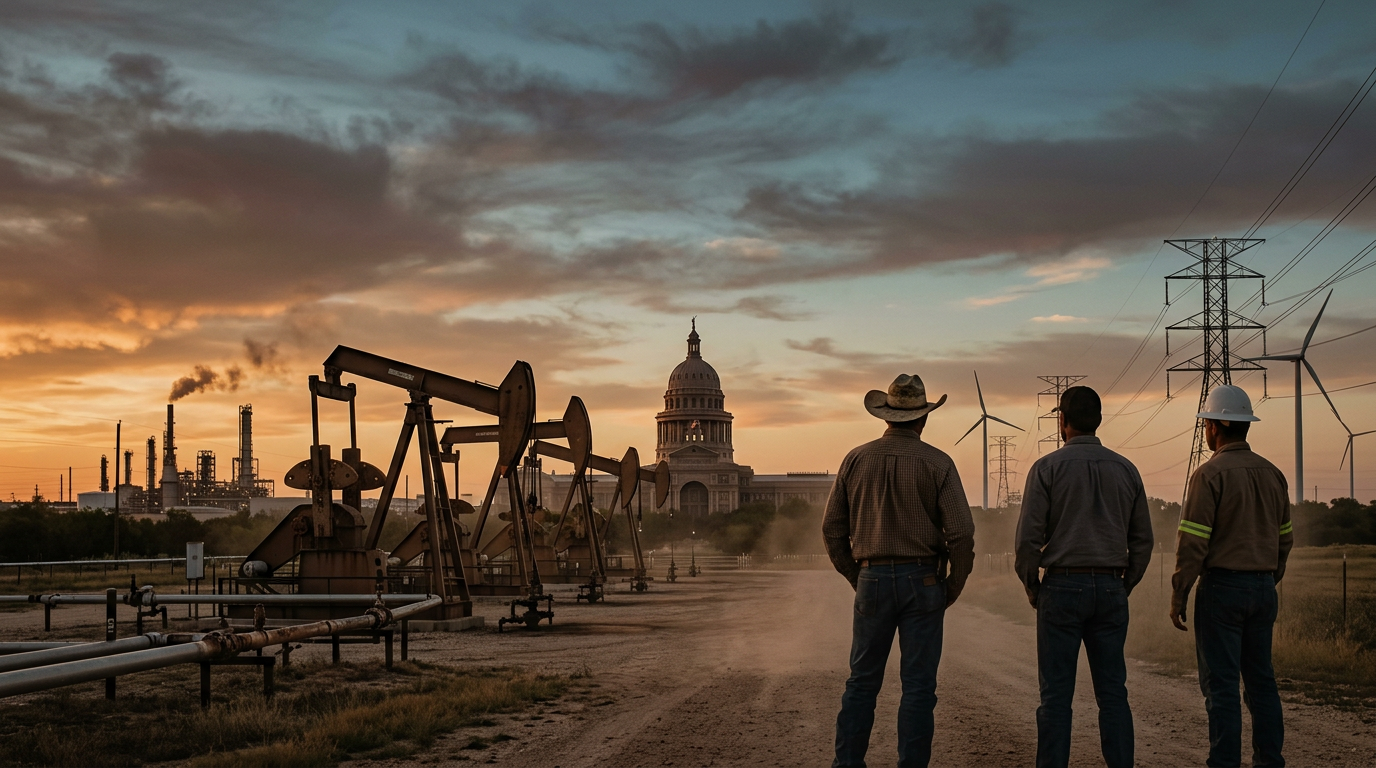
The concept of Texas masculinity, historically rooted in rugged individualism and the mythos of the frontiersman, has become a central point of contention in contemporary state politics. Recently, the discourse surrounding what it means to be a man in Texas has shifted from the silver screen and ranch life into the chambers of the Texas Capitol. This evolution is not merely a social conversation but a recurring theme in legislative priorities, campaign branding, and public policy debates. The clash between traditional interpretations of manhood and more progressive visions has created a unique political theater where identity is as important as policy. Historically, Texas has long projected a specific image of masculinity to the rest of the world, bolstered by icons such as the cowboy, the oil wildcatter, and the defensive soldier. These archetypes emphasized self-reliance, physical strength, and a protective nature. However, as Texas urbanizes and its demographics shift, these traditional roles are being interrogated and redefined by a new generation of leaders. The current debate highlights a fundamental disagreement over whether the qualities of a 'Texas man' should be defined by assertive power and institutional control or by service, vulnerability, and community-focused advocacy. This cultural tug-of-war is exemplified by the public personas of high-profile Texas figures. On one side, established Republican leaders often lean into a version of masculinity that focuses on law and order, border security, and the preservation of legacy Texas industries. Conversely, a rising cadre of Democrats and younger activists are attempting to decouple masculinity from aggression, instead focusing on issues like public education and social welfare as the true marks of a modern man's responsibility to his neighbors.
Texas relevance
This issue is deeply relevant to Texas as it touches on the core identity of the state's voting blocs and the messaging strategies used by the Texas GOP and Democratic parties. Understanding these cultural shifts is essential for navigating the future of Texas elections, as candidates increasingly frame their platforms around these varying definitions of character and leadership. The outcome of this cultural debate will likely influence Texas law on everything from family leave to self-defense statutes for years to come.
The Rise of Political Manhood as a Campaign Strategy
In recent election cycles, Texas political consultants have moved beyond simple policy white papers to craft comprehensive 'manhood' narratives for their candidates. This strategy involves utilizing specific imagery—such as hunting gear, work trucks, and ranch wear—to signal a connection to the state's traditional roots. By aligning a candidate with these visual cues, campaigns hope to bypass intellectual policy debates and tap into visceral feelings of trust and shared heritage among the electorate.
However, this focus on aesthetic masculinity is increasingly being challenged by voters who prioritize different metrics of leadership. While a candidate’s ability to appear 'tough' on the border or in court remains a potent draw for many, there is a growing segment of the population that views these displays as performative. This has led to a diversification of the Texas political portfolio, where personal history and familial roles are scrutinized just as much as legislative voting records.
The Paxton Model: A Legacy of Assertive Power
Attorney General Ken Paxton has long served as an archetype for a specific brand of Texas Republican leadership. His political survival, despite numerous legal challenges, is often framed by his supporters as a testament to his resilience and 'fighter' spirit. In this context, masculinity is equated with the ability to withstand pressure and aggressively defend the state's interests against federal overreach, particularly regarding immigration and regulatory authority.
This model of masculinity emphasizes the role of the patriarch as a legal and political shield for the state. To his base, Paxton’s refusals to back down represent a necessary toughness required to navigate a hostile political landscape. The narrative suggests that a 'real' Texas leader does not cave to external pressure, but instead uses every available lever of power to maintain the status quo and protect the constituency's traditional values.
The Talarico View: Redefining Strength Through Service
State Representative James Talarico represents a different branch of the Texas masculinity debate. As a former teacher and a student of divinity, Talarico often speaks about manhood through the lens of empathy and social justice. His rhetoric focuses on the idea that true strength is found in the protection of the vulnerable—specifically children in the public school system and families struggling with healthcare costs—rather than in the exercise of raw political dominance.
Talarico’s approach identifies a 'crisis' not in the loss of traditional roles, but in the potential for these roles to become exclusionary or harmful. By invoking religious themes and traditional Texas neighborliness, he attempts to pivot the conversation away from the 'cowboy' trope toward a 'steward' trope. This shift aims to attract voters who may feel alienated by the more aggressive posturing of the modern Republican party but still value the concept of strong, principled male leadership.
Historical Roots of the Texas Archetype
The fascination with Texas masculinity is not a modern invention; it is baked into the foundation of the state’s history. From the defenders of the Alamo to the legends of the Texas Rangers, the state has consistently venerated men who operate outside the constraints of polite society to achieve a greater good. This historical context provides the bedrock upon which current politicians build their platforms, often referencing these historical figures to validate their own actions.
Crucially, these historical archetypes were born out of a frontier environment where physical survival was the primary concern. As Texas has transitioned into a technological and energy powerhouse, the application of these frontier values has become more complex. The modern debate is essentially an argument over how to translate the 'frontier spirit' into a highly interconnected, multicultural, and urban-dominated society without losing the essence of the Texas brand.
The Role of Faith and Family in Texas Manhood
Religious institutions play an outsized role in defining masculinity within Texas. Churches across the state frequently host 'men’s ministries' that focus on the responsibilities of fatherhood and husbandhood. These teachings often merge biblical interpretations of leadership with Texas cultural norms, creating a potent mix that influences how men vote and how they view their role in the community. Both parties are acutely aware of this influence and frequently use religious language to appeal to these voters.
Disputes arise, however, when different interpretations of faith are applied to policy. For example, a focus on 'providential' protection might lead one to support hardline border policies, while a focus on 'servant leadership' might lead another to support expanded social programs. The competition to be viewed as the 'most faithful' man in the room is a recurring theme in the Texas Capitol, as leaders vie for the moral high ground in their respective camps.
Media Influence and the Texas Image
The way Texas men are portrayed in films, television, and literature continues to exert pressure on the political reality. Media productions like 'Yellowstone' or the classic works of Larry McMurtry inform the expectations that both Texans and outsiders have for the state's residents. Politicians often lean into these media-driven expectations, adopting the dress and speech patterns associated with the rugged characters that audiences admire.
This feedback loop between media and reality creates a shorthand for political communication. When a candidate appears in a campaign ad wearing a Stetson and standing in a dusty field, they are leveraging decades of cultural conditioning. The challenge for modern candidates is to use these icons effectively without appearing like a caricature, as today's voters are increasingly savvy about the difference between authentic connection to the land and manufactured political branding.
The Future of Texas Masculinity
As the state continues to grow, the definition of the 'Ideal Texas Man' will likely remain in flux. Innovation in the tech hubs of Austin and Dallas is creating a new class of Texas leaders whose masculinity is defined by intellectual labor and entrepreneurial success rather than physical toil. This shift represents a significant challenge to the traditional archetypes that have dominated Texas politics for over a century.
Ultimately, the endurance of the Texas identity depends on its ability to integrate these new perspectives while honoring its heritage. Whether the future of Texas masculinity looks more like a traditional rancher or a modern civic advocate, it will remains a central pillar of the state's unique political culture. The ongoing dialogue between figures like Paxton and Talarico ensures that the question of what it means to be a man in Texas will be debated in every legislative session for the foreseeable future.
Analysis
Opinion: The attempt to politicize masculinity is a double-edged sword for both parties. While the Texas GOP successfully leans into a 'protector' archetype that resonates with rural and suburban voters concerned about security, Democrats like James Talarico are attempting to reclaim 'moral' masculinity to appeal to faith-based and urban voters. Ultimately, the 'Ideal Texas Man' remains a subjective construct, yet it serves as a powerful rhetorical tool for mobilizing supporters who feel their way of life is under scrutiny or transition.
Source attribution
This story was reported using a public release from the Texas Monthly. Keep TX Red rewrote the coverage independently and links to the official statement for verification.
Frequently Asked Questions
- Why is masculinity such a big topic in Texas politics?
- Masculinity is central to the Texas brand and identity. Because the state's history is so tied to rugged archetypes like the cowboy and the defender, politicians use these images to signal strength, reliability, and conservative values to their base.
- Who are the key figures in this debate?
- High-profile figures like Attorney General Ken Paxton represent the traditional, assertive 'fighter' model, while younger leaders like State Rep. James Talarico advocate for a version of manhood focused on social service and vulnerability.
- How does this affect actual policy in Texas?
- These cultural disagreements influence priorities such as border security, education funding, and family-related legislation. Candidates frame their support for or against these issues as a reflection of their character and their vision for Texas values.
Official Sources
Take the next step
Browse the Newsroom →Read more about Keep Texas Red → Our full guide to what Keep Texas Red means and why Texans support it.
Get Texas updates delivered weekly.
Independent Texas reporting on politics, policy, and daily life. One email a week. Unsubscribe anytime.
Keep TX Red Newsroom
The Keep Texas Red Editorial Staff produces nonpartisan explainers, policy breakdowns, and educational resources to help Texans understand how their government works. All content is reviewed for accuracy and updated regularly.
About Keep TX Red →