Texas Panhandle Power Grid Receives $113 Million Infrastructure Boost from State Energy Fund
Governor Greg Abbott allocates $113 million from the Texas Energy Fund to upgrade power reliability for the South Plains and Panhandle regions.
Editorial disclaimer: Opinions and analysis on Keep TX Red are editorial content — not statements of fact. See our editorial standards.
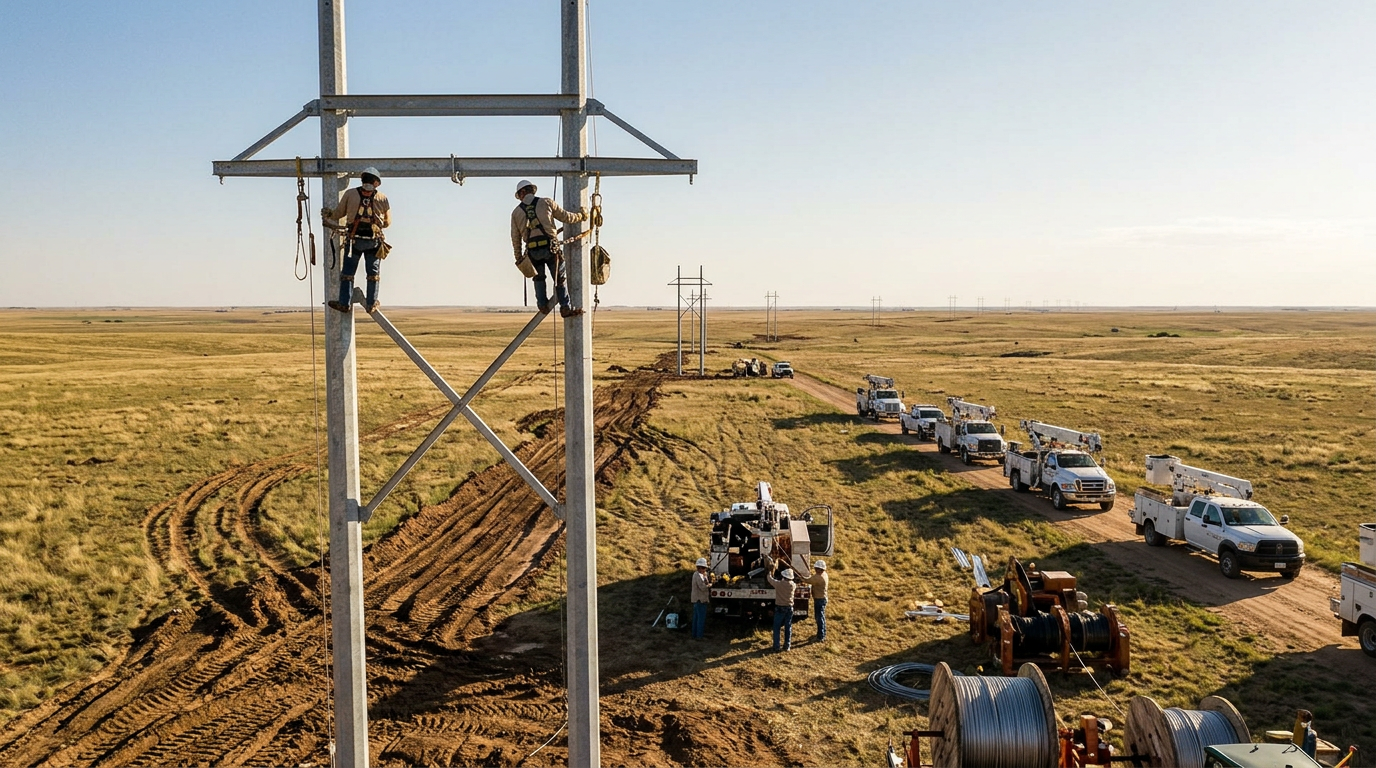
Governor Greg Abbott has authorized a significant financial injection into the power infrastructure of West Texas, allocating $113 million in grants through the Texas Energy Fund (TxEF). This capital is specifically earmarked for Southwestern Public Service Company (SPS), which operates as a subsidiary of the utility giant Xcel Energy. The primary objective behind this funding is to bolster the electrical reliability for customers residing throughout the Texas Panhandle and the South Plains, regions that frequently face extreme weather conditions that can stress local grids. The Texas Energy Fund was established after voters approved a constitutional amendment in 2023, signaling a major state-level shift toward prioritizing dispatchable and resilient energy infrastructure following several years of heightened focus on grid stability. Historically, the Panhandle and South Plains have operated on a different regulatory and physical footprint than the primary ERCOT grid, making localized infrastructure investments like this critical for regional economic and residential security. This specific grant cycle focuses on hardening the physical components of the distribution system. According to the Governor’s office, the funds will facilitate the repair and replacement of aging utility poles that are vulnerable to high winds and ice. Furthermore, the investment will implement more sophisticated system monitoring technologies, allowing utility operators to detect and respond to outages with greater speed. By targeting the 'higher-risk' areas of the distribution network, the state aims to mitigate the frequency of power failures that have historically plagued rural and agricultural communities in the northwestern portions of the state. This move is part of a broader strategy by the Abbott administration to ensure that as Texas grows, its utility infrastructure keeps pace with both demand and environmental challenges.
Texas relevance
The impact of this $113 million allocation is deeply localized to the residents and businesses of the Texas Panhandle and the South Plains. Unlike the majority of Texas, which operates under the Electric Reliability Council of Texas (ERCOT), much of the Panhandle and South Plains are served by Southwestern Public Service Company within the Southwest Power Pool (SPP). This means that these communities rely on different management structures and infrastructure cohorts to keep their lights on. For cities like Amarillo, Lubbock, and surrounding rural counties, the resilience of the SPS system is the difference between continued agricultural production and costly downtime. The South Plains is a global hub for cotton production and cattle ranching, both of which require constant, reliable electricity for irrigation, processing, and climate control in livestock facilities. Any failure in the grid in this region doesn't just affect household convenience; it threatens the backbone of the Texas agricultural economy.
Upgrading Physical Infrastructure for Longevity
A large portion of the $113 million grant is dedicated to the 'nuts and bolts' of the electrical system: the power poles and distribution lines. In the Panhandle, these structures are the frontline defense against natural elements. Over decades, wooden poles can degrade due to moisture, pests, and exposure to the relentless sun. The state's investment allows for a comprehensive replacement program that can swap aging timber for more durable materials or reinforced designs that are better suited for the high-velocity winds common in West Texas.
Beyond just the poles themselves, the funding covers the distribution hardware that connects homes to the main lines. By hardening these connections, the probability of cascading failures—where one falling line takes out an entire neighborhood circuit—is significantly reduced. This approach is more cost-effective in the long run than constant emergency repairs, as it moves the utility provider from a reactive maintenance posture to a proactive infrastructure management model.
Technological Advancements in Grid Monitoring
In addition to physical poles and wires, a portion of the TxEF grant is focused on the 'digital' layer of the grid. Modernizing the system monitoring capabilities of the Southwestern Public Service Company means installing sensors and automated switches that provide real-time data to grid operators. In the past, discovering a line break in a remote part of the South Plains might have relied on a resident calling in the outage; with these new systems, the utility can identify the exact location of a fault within seconds.
These technological improvements also include the deployment of smart grid components that can 'self-heal' by rerouting power around a damaged section. This minimizes the number of customers affected by any single incident and allows repair crews to be dispatched with pinpoint accuracy. For the vast, sparsely populated stretches of West Texas, reducing the 'patrol time' spent by technicians looking for damages translates to much shorter outage durations for local families.
Economic Implications for High Plains Agriculture
The Panhandle and South Plains are among the most productive agricultural regions in the world. From massive cotton operations to significant dairy and beef production, the economic output of this region is staggering. All these industries are increasingly reliant on electricity for automated irrigation systems, climate-controlled storage, and high-speed processing facilities. A stable grid is not a luxury for these businesses; it is a fundamental input for their production cycles.
By investing in the SPS distribution network, the state is effectively subsidizing the reliability of the Texas food and fiber supply chain. When the grid fails, irrigation pumps stop, and crops can be lost during critical heat waves. Similarly, dairy operations rely on consistent power for milking and refrigeration. This $113 million injection serves as an insurance policy for the multi-billion dollar agricultural industry that defines the High Plains economy.
The Strategic Role of the Texas Energy Fund
The Texas Energy Fund was established after Texas voters overwhelmingly supported Proposition 7 in November 2023. This created a dedicated fund to support the construction, maintenance, and modernization of electric facilities across the state. This recent grant to Southwestern Public Service Company is one of the tangible outcomes of that voter mandate, showing that the state is moving quickly to deploy capital where it is needed most. The fund represents a shift toward more direct state involvement in ensuring energy security.
While much of the public debate surrounding the Texas grid centers on the generation of power—whether from gas, wind, or solar—this grant highlights the equally important role of distribution. You can have all the power generation in the world, but if the local lines cannot deliver it to the home during a storm, the system has failed. The TxEF is designed to bridge these gaps, ensuring that the 'last mile' of the energy journey is as robust as the power plants themselves.
Strengthening Resilience Against Extreme Weather
The Texas Panhandle is notorious for having some of the most volatile weather in North America, ranging from severe thunderstorms and tornadoes to blizzard conditions. These conditions put immense mechanical stress on the utility system. The 'higher-risk areas' mentioned in the grant allocation are those parts of the geography where the terrain offers no windbreaks or where historical data shows a high frequency of weather-related outages.
The funding will allow SPS to implement specialized protections in these zones, such as increased line spacing to prevent 'galloping' (when lines bounce and touch during high winds) and the installation of ruggedized equipment. By specifically targeting the most vulnerable geographic points in the South Plains, the state is maximizing the impact of every dollar spent, ensuring that the most frequent points of failure are addressed first.
Future Outlook for West Texas Utilities
As the population of Texas continues to migrate toward growing hubs like Lubbock and Amarillo, the demand on the regional grid will only increase. This $113 million investment is likely just the beginning of a long-term modernization effort. As Xcel Energy and SPS integrate these upgrades, they provide a blueprint for how other utilities in the state can leverage Texas Energy Fund resources to harden their own local networks.
Looking forward, the success of these projects will be measured by the reduction in customer outage minutes over the next several years. If these infrastructure improvements perform as expected during the next major weather event, it will provide strong evidence for the legislature to continue funding and expanding the TxEF. For now, the residents of the Panhandle and South Plains can look forward to a grid that is better equipped to handle the unique challenges of the West Texas landscape.
Analysis
The release of these funds through the Texas Energy Fund represents a significant political and economic milestone for the Abbott administration. By utilizing the TxEF, the state is demonstrating a commitment to 'all-of-the-above' energy reliability that doesn't just focus on the massive population centers of the Texas Triangle (Dallas, Houston, Austin). Politically, the Panhandle and South Plains are strongholds for the current administration, and delivering tangible infrastructure improvements to these constituents reinforces the message that rural Texas remains a priority. From an economic perspective, this grant acts as a public-private partnership catalyst. While Xcel Energy is a private entity, the state recognizes that the public cost of a failed grid—especially in the face of wildfires or winter storms—far exceeds the cost of preemptive modernization. This funding also serves as a strategic defense against the unique environmental hazards of the High Plains, where sustained wind speeds and extreme temperature swings can cause older wooden poles to fail at rates much higher than in the more sheltered regions of East Texas.
Source attribution
This story was reported using a public release from the Office of the Governor. Keep TX Red rewrote the coverage independently and links to the official statement for verification.
Frequently Asked Questions
- What is the Texas Energy Fund (TxEF)?
- The Texas Energy Fund is a state-managed pool of capital established by a constitutional amendment in 2023. Its purpose is to provide grants and loans for the modernization and construction of energy infrastructure to ensure the Texas power grid remains reliable and capable of meeting the state's growing demand.
- Which areas will benefit from this $113 million grant?
- The grant is specifically designated for the service areas of Southwestern Public Service Company (SPS). This primarily covers the Texas Panhandle and the South Plains regions, including major cities like Amarillo and Lubbock and their surrounding rural communities.
- How will the money be used to improve the grid?
- The funds are earmarked for physical infrastructure improvements such as repairing or replacing aging power poles, adding protections to areas of the grid that are frequently damaged by weather, and installing advanced monitoring technology to detect and fix outages faster.
- Why was the Panhandle chosen for this funding?
- The Panhandle and South Plains face unique weather challenges like high winds and ice that can frequently damage power lines. Additionally, because much of this area is served by the Southwest Power Pool rather than ERCOT, targeted state grants help ensure these specific regional grids are not left behind in statewide reliability efforts.
Official Sources
Take the next step
Browse the Newsroom →Read more about Keep Texas Red → Our full guide to what Keep Texas Red means and why Texans support it.
Get Texas updates delivered weekly.
Independent Texas reporting on politics, policy, and daily life. One email a week. Unsubscribe anytime.
Keep TX Red Newsroom
The Keep Texas Red Editorial Staff produces nonpartisan explainers, policy breakdowns, and educational resources to help Texans understand how their government works. All content is reviewed for accuracy and updated regularly.
About Keep TX Red →