Texas Panhandle Grid Strengthening: Governor Abbott Directs $30 Million to Rita Blanca Electric Cooperative
Governor Abbott awards $30 million from the Texas Energy Fund to upgrade electrical infrastructure and reliability in the Texas Panhandle.
Editorial disclaimer: Opinions and analysis on Keep TX Red are editorial content — not statements of fact. See our editorial standards.
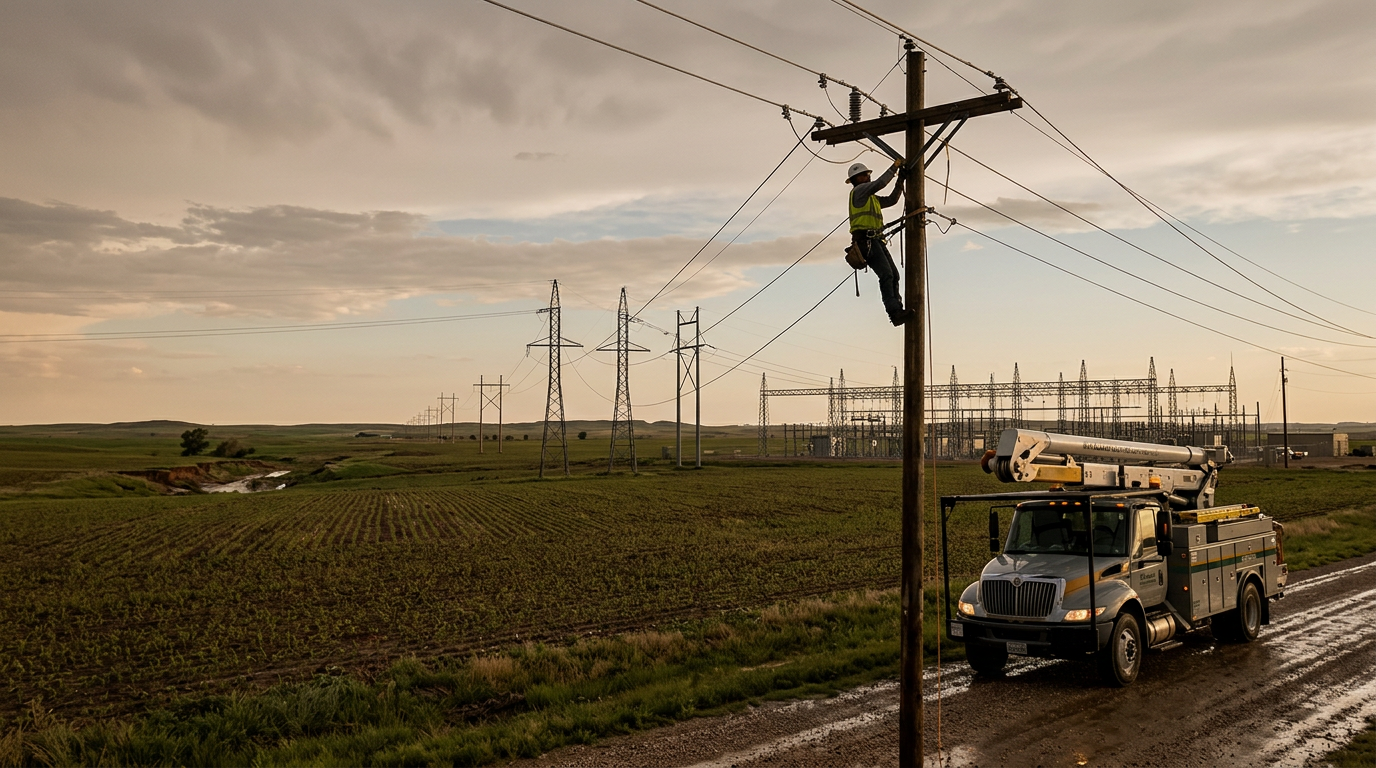
Governor Greg Abbott has authorized a significant financial infusion for the energy infrastructure of the northernmost reaches of the state, allocating nearly $30 million from the Texas Energy Fund (TxEF) to the Rita Blanca Electric Cooperative (RBEC). This strategic investment is designed to modernize and reinforce the electrical grid serving the rural and agricultural heartlands of the Texas Panhandle. Historically, the Texas Panhandle has faced unique challenges regarding weather-related outages and geographical isolation, which necessitated a specialized approach to utility management. By leveraging state funds approved by voters through the creation of the TxEF, the administration intends to harden the existing system against extreme environmental conditions while expanding the total capacity available to local ratepayers. The initiative targets several specific technical areas within the RBEC network, including the development of a brand-new substation and the full automation of an existing facility. These upgrades are not merely cosmetic; they represent a fundamental shift in how the cooperative manages load distribution and fault detection. By integrating automated technologies, the utility can respond more rapidly to line failures or surges, minimizing the duration of outages for homes and businesses in the northwestern corner of Texas. Additionally, the funding will address physical resilience by replacing aging wood support structures with high-strength steel poles, which are significantly more resistant to the high-wind events and ice storms common to the High Plains region. This project highlights a broader state effort to ensure that rural energy providers have the capital necessary to maintain the same standards of reliability as their metropolitan counterparts.
Texas relevance
The Texas Panhandle, specifically the service areas of Dallam and Hartley counties, serves as the direct beneficiary of this grant. The relevance of this project to the state lies in the region's critical role in the Texas agricultural and livestock economy. As one of the premier cattle-feeding and grain-producing regions in the world, the Panhandle requires uninterrupted power to maintain irrigation systems, feed mills, and large-scale processing plants. A failure in the grid here does not just affect residential comfort; it threatens the food supply chain and the economic stability of the entire state. Furthermore, this allocation serves as a tangible example of the 2023 Texas Energy Fund in action, demonstrating how statewide tax revenue is being redistributed to fortify decentralized cooperatives that manage the 'last mile' of energy delivery across vast distances.
Modernization of Rural Substation Infrastructure
A central component of the $30 million grant is the construction of an entirely new substation within the Rita Blanca Electric Cooperative service territory. Substations act as the vital intersections of any electrical network, stepping down high-voltage electricity from transmission lines to lower voltages suitable for local distribution. In rural areas, the distance between these hubs often leads to voltage drops and increased stress on the lines. By adding a new facility, RBEC will be able to balance the electrical load more effectively, reducing the likelihood of brownouts during peak summer and winter demand periods.
In addition to the new build, the project includes the automation of a currently manual substation. Automation allows grid operators to monitor performance in real-time and reroute power remotely in the event of a localized failure. Previously, line crews might have had to travel long distances in hazardous weather to identify and flip manual switches. These technological updates ensure that the Panhandle's grid is ‘smarter,’ reacting to threats with speed that was previously impossible. This integration of technology is viewed as a necessary step for the survival of small cooperatives in an increasingly complex energy market.
The Transition from Wood to Steel Structures
For decades, wooden utility poles have been the standard for rural electrification across the United States. However, in the harsh climate of the Texas Panhandle, wood poles are susceptible to rot, pest damage, and catastrophic failure during the region's infamous windstorms. The grant specifically earmarks funds for the replacement of these aging wood poles with modern steel structures. Steel poles offer a significantly longer lifespan and the structural integrity required to withstand the high-velocity straight-line winds that frequently sweep across the plains.
Beyond wind resistance, steel poles provide an added layer of security against the wildfires that have plagued the Panhandle in recent years. While wood poles can act as fuel for a spreading blaze, steel maintains its integrity, ensuring that critical power lines do not collapse and hinder emergency response efforts. This transition to steel is a long-term cost-saving measure for RBEC members, as it drastically reduces the maintenance and replacement cycles that have historically drained cooperative resources.
Economic Implications for Local Agribusiness
The economy of the northwestern Panhandle is built on energy-intensive industries, particularly commercial agriculture and dairy production. Reliable electricity is a requirement for the thousands of center-pivot irrigation systems that draw water from the Ogallala Aquifer. If the grid fails during a critical growing period, the loss of crops could reach into the millions of dollars. By shoring up the local grid, the state is effectively insuring the productivity of the land and the livelihoods of those who work it.
Furthermore, the Panhandle has seen a rise in industrial interest, including data centers and crypto-mining operations that seek the region's abundant space and wind energy resources. A fortified grid under the management of the Rita Blanca Electric Cooperative makes the region more attractive for future business relocations. This $30 million project acts as an economic catalyst, signaling to investors that the Texas government is willing to back the infrastructure needs of its most remote counties.
The Role of the Texas Energy Fund
The Texas Energy Fund, which was established via a constitutional amendment passed by Texas voters in 2023, was designed to provide low-interest loans and grants for the construction and maintenance of dispatchable power sources and grid improvements. This grant to Rita Blanca is one of the early disbursements from this multi-billion dollar fund. It represents a shift in state policy toward direct intervention in the resilience of the grid, rather than relying solely on market forces to dictate infrastructure upgrades.
Administered through the Public Utility Commission of Texas, the fund specifically looks for projects that can demonstrate a clear impact on the reliability of the state's power supply. For RBEC, being a recipient of these funds means they can undertake massive capital projects without imposing immediate and massive rate hikes on their customer base. This allows for generational improvements to the grid that are paid for through state-level surpluses and strategic reserves rather than the pocketbooks of rural families.
Geographic Challenges of the Northwestern Panhandle
Serving the 'top of the Texas' presents unique logistical hurdles for any utility provider. The Rita Blanca Electric Cooperative operates in an area where customer density is low, but the miles of line are high. In such environments, the cost of maintaining the network per customer is significantly higher than in a densely populated city like Austin or Dallas. The geography is characterized by flat, open terrain that offers no buffer against the elements, meaning equipment is constantly exposed to UV radiation, extreme temperature fluctuations, and abrasive dust.
By focusing on the local infrastructure in this specific corner of the state, the Governor’s office is acknowledging that the state’s grid is only as strong as its weakest link. Ensuring that the northwestern Panhandle remains connected and powered is a matter of state security and cohesion. The technological and physical hardening funded by this grant effectively bridges the gap between the isolated nature of High Plains ranching communities and the modern requirements of a 21st-century energy economy.
Analysis
This grant reflects the Texas executive branch's continued focus on 'energy independence' and grid stability following the legislative mandates of recent sessions. By prioritizing the Texas Energy Fund for rural cooperatives like Rita Blanca, the state is addressing a historical disparity where remote infrastructure often suffered from underinvestment compared to the ERCOT-managed centers. This move serves two political functions: it reinforces the Governor's commitment to the Panhandle—a region known for its staunch support of conservative leadership—and it provides a counter-narrative to criticisms regarding the overall vulnerability of the Texas power grid. Moving from wood to steel poles and automating substations are practical, non-ideological solutions to the very real threats of wildfires and Northers that frequently disrupt lives in the North Plains.
Source attribution
This story was reported using a public release from the Office of the Governor. Keep TX Red rewrote the coverage independently and links to the official statement for verification.
Frequently Asked Questions
- What is the Texas Energy Fund?
- The Texas Energy Fund (TxEF) is a state-managed financial resource created after Texas voters approved a constitutional amendment in November 2023. It provides billions of dollars in grants and loans specifically for bolstering the Texas electric grid, focusing on both new power generation and the hardening of existing infrastructure.
- Why is the Rita Blanca Electric Cooperative receiving this money?
- The Rita Blanca Electric Cooperative (RBEC) was selected because its service area in the northwestern Panhandle is susceptible to extreme weather and serves critical agricultural industries. The grant allows the cooperative to make major upgrades, such as new substations and steel pole transitions, which would otherwise be too expensive for a small, rural utility to fund alone.
- How will this grant affect local residents' electricity bills?
- While the grant itself is a direct infusion of capital from the state, its purpose is to prevent the need for massive rate increases that would typically be required to pay for such extensive infrastructure projects. By using state funds, the cooperative can improve reliability and weather-resistance without placing the full financial burden on local ratepayers.
- What are the primary benefits of steel poles over wooden ones?
- Steel poles are superior in rural Texas because they do not rot, are immune to many pests, and have a much higher resistance to the intense winds and ice accumulation common in the Panhandle. They also significantly reduce fire risk, as they do not provide fuel for wildfires and are less likely to snap and cause sparks during storms.
Official Sources
Take the next step
Browse the Newsroom →Read more about Keep Texas Red → Our full guide to what Keep Texas Red means and why Texans support it.
Get Texas updates delivered weekly.
Independent Texas reporting on politics, policy, and daily life. One email a week. Unsubscribe anytime.
Keep TX Red Newsroom
The Keep Texas Red Editorial Staff produces nonpartisan explainers, policy breakdowns, and educational resources to help Texans understand how their government works. All content is reviewed for accuracy and updated regularly.
About Keep TX Red →