Governor Abbott Recognizes Law Enforcement Achievements at 35th Annual Gang Investigators Conference
Governor Abbott honors law enforcement at the TGIA conference, highlighting Texas' initiatives against organized crime and legislative efforts.
Editorial disclaimer: Opinions and analysis on Keep TX Red are editorial content — not statements of fact. See our editorial standards.
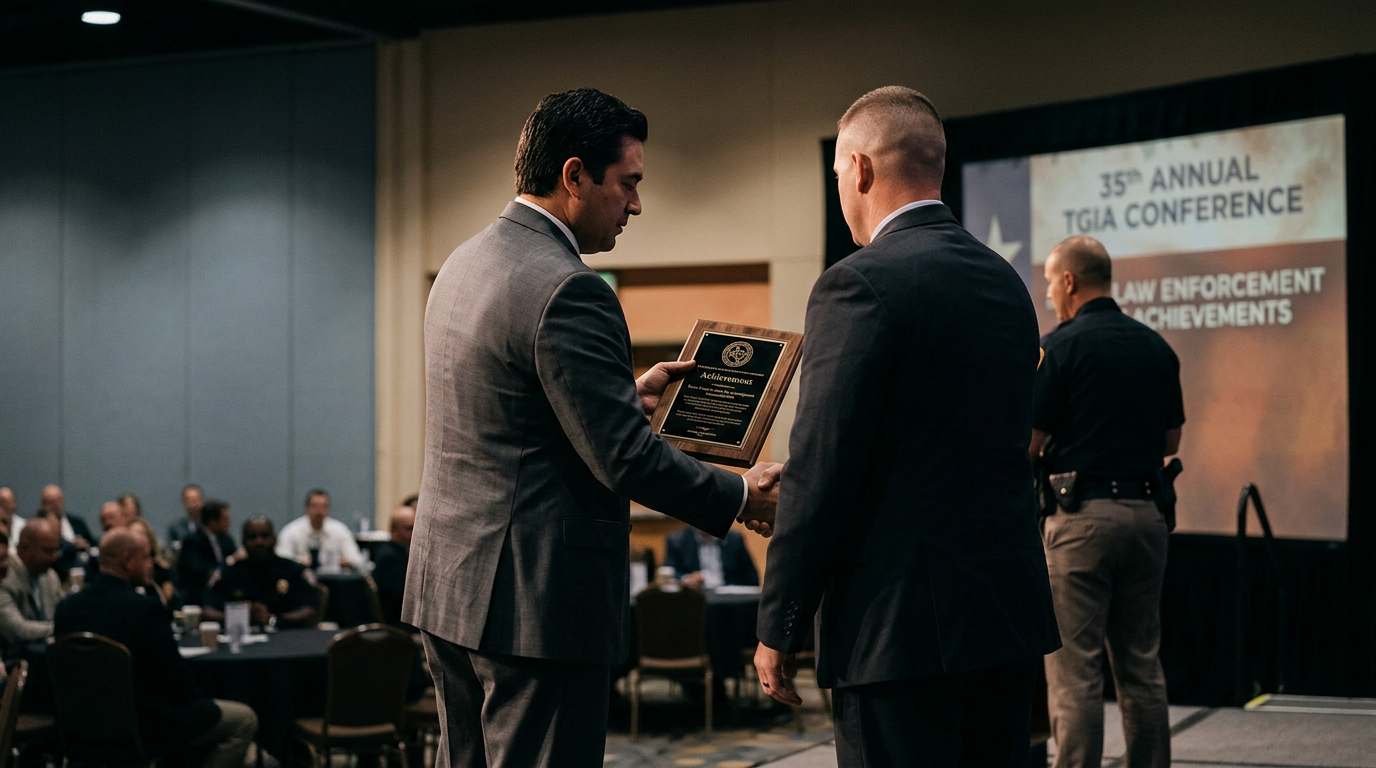
Governor Greg Abbott participated in the 35th Annual Texas Gang Investigators Association (TGIA) Conference, an event dedicated to professionals tasked with disrupting and dismantling organized criminal structures across the Lone Star State. During the ceremony, the Governor presented awards to officers who demonstrated exceptional skill and bravery in field operations. The gathering serves as a critical coordination point for local, state, and federal agencies that manage high-risk investigations involving multi-national cartels and local street gangs. Historically, Texas has been a primary battleground for gang activity due to its vast size and proximity to international borders, necessitating a specialized response framework that dates back to the establishment of the first specialized task forces in the late 20th century.
Texas relevance
The safety of Texas neighborhoods remains a top priority for state leadership, as gang-related violence often spills over into suburban and rural communities. Texas has pioneered the 'Texas Anti-Gang Center' (TAG) model, which facilitates real-time intelligence sharing between departments that previously operated in silos. By hosting this conference in Texas and receiving executive attention, the state reinforces its commitment to funding these specialized units, ensuring that residents in major hubs like Houston, Dallas, and San Antonio see a direct reduction in violent crime through targeted enforcement.
Recognizing the Unsung Heroes of Public Safety
The Governor utilized the platform to express gratitude to the thousands of investigators who operate in the shadows to prevent violent encounters from ever reaching the public. He noted that the most successful law enforcement actions are often the ones the general public never hears about because they are neutralized before an incident can occur. This level of preventative work requires intense data analysis and undercover operations that span months or even years.
By participating in the awards ceremony, the Governor emphasized that the state values the individual sacrifices made by these professionals. Many of the award recipients have faced significant personal risk to infiltrate domestic and international organizations. The recognition serves to remind the law enforcement community that their efforts have the full backing of the state's highest office, providing a necessary counter-narrative to recent national trends of increased scrutiny on police departments.
The Evolution of Texas Anti-Gang Centers
A central theme of the Governor’s address was the continued expansion and success of the Texas Anti-Gang (TAG) Centers. There are currently ten of these facilities strategically located across the state in areas identified as high-activity zones for organized crime. These centers act as central hubs where analysts and field agents from various jurisdictions can pool their resources and information to better track the movement of gang members.
The TAG model has been praised by national security experts for its efficiency in bridging the gap between municipal police and federal agencies like the FBI and DEA. By sharing a physical space, these different agencies can bypass traditional bureaucratic hurdles, leading to faster warrant executions and more robust prosecutions. The Governor indicated that these centers are a cornerstone of the state's strategy to make life impossible for criminal syndicates operating within Texas borders.
Legislative Backing and Future Law Enforcement Support
Abbott took the opportunity to reflect on past legislative achievements that have strengthened the hand of law enforcement. This includes increased penalties for crimes committed as part of an organized enterprise and better funding for forensic technology. The Governor suggested that the state's work is far from finished, as gangs continue to evolve their tactics, increasingly using digital platforms to coordinate illegal activities.
State leaders are looking toward future sessions to explore how Texas can further harden itself against gang infiltration. This involves not only reactive policing but also proactive measures such as community outreach programs and specialized training for educators to spot signs of gang recruitment early. The TGIA conference provides the feedback loop necessary for legislators to understand what tools the boots-on-the-ground officers need most.
Strategies for Dismantling Organized Crime Networks
The conference sessions focused heavily on the modern logistics of gang operations, which now frequently overlap with human trafficking and narcotics smuggling. Investigators shared case studies on how to follow financial trails to the leadership of these organizations, rather than just arresting low-level street dealers. This 'top-down' approach is designed to create lasting disruptions in the criminal market rather than just temporary lulls in activity.
Inter-agency cooperation remains the most effective weapon in the state's arsenal. When local police in a small North Texas town can communicate instantly with state troopers near the border, the anonymity that criminals rely on is stripped away. The Governor’s remarks highlighted that the strength of Texas lies in this unified front, where every level of government works toward the singular goal of public order.
Technological Advancements in Gang Tracking
Beyond physical patrols, Texas is investing heavily in the digital components of gang investigations. Modern gangs use encrypted messaging apps and cryptocurrency to manage their operations, necessitating that law enforcement stays ahead of the technological curve. The TGIA conference included workshops on digital forensics and social media monitoring, which have become essential tools for modern investigators.
Governor Abbott’s administration has consistently supported budget allocations for these high-tech tools. By providing officers with the latest software and hardware, the state ensures that the legal system can keep pace with the rapidly changing landscape of organized crime. This technological advantage is cited as a primary reason for recent successes in high-profile gang take-downs across the Texas-Mexico border region.
A Commitment to Protecting Texas Families
The overarching message of the Governor's participation was one of security and stability for Texas families. He articulated a vision of a state where children can play in neighborhoods without fear of crossfire or the influence of organized crime. This vision is supported by a 'no-tolerance' policy toward those who repeatedly violate the law and threaten the safety of others.
The Governor concluded by reaffirming that the state will continue to prioritize the safety of its citizens by providing law enforcement with the authority and resources they deserve. As Texas continues to grow, maintaining a robust and well-funded public safety infrastructure is seen as vital to the state's continued economic prosperity and high quality of life. The TGIA conference remains a vital part of that ongoing mission.
Analysis
Opinion: Governor Abbott’s presence at the TGIA conference serves a dual purpose: it boosts the morale of officers working in high-stress environments and signals a legislative intent to keep public safety funding at the forefront of the upcoming session. By framing gang activity as a direct threat to the 'peace of every Texan,' the administration is likely setting the stage for further enhancements to mandatory minimum sentencing laws for repeat gang offenders. This alignment between executive remarks and law enforcement needs suggests that Texas will continue to reject 'soft-on-crime' policies seen in other states, prioritizing physical security over decarceration initiatives.
Source attribution
This story was reported using a public release from the Office of the Governor. Keep TX Red rewrote the coverage independently and links to the official statement for verification.
Frequently Asked Questions
- What is the Texas Gang Investigators Association (TGIA)?
- The TGIA is a professional organization that provides training, intelligence, and networking opportunities for law enforcement officers who specialize in investigating and suppressing gang activity in Texas and the surrounding regions.
- How many Texas Anti-Gang (TAG) Centers are currently active?
- There are currently ten TAG centers strategically placed in high-activity areas across Texas. These centers serve as hubs for multiple agencies to collaborate on gang-related cases and share vital intelligence.
- What was the primary focus of Governor Abbott's speech at the conference?
- The Governor focused on recognizing the excellence of individual officers, highlighting the state's legislative and financial support for law enforcement, and emphasizing the need for continued vigilance against organized crime to protect Texas communities.
Official Sources
Take the next step
Browse the Newsroom →Read more about Keep Texas Red → Our full guide to what Keep Texas Red means and why Texans support it.
Get Texas updates delivered weekly.
Independent Texas reporting on politics, policy, and daily life. One email a week. Unsubscribe anytime.
Keep TX Red Newsroom
The Keep Texas Red Editorial Staff produces nonpartisan explainers, policy breakdowns, and educational resources to help Texans understand how their government works. All content is reviewed for accuracy and updated regularly.
About Keep TX Red →